 As my regular readers probably already know, I collect Bluejackets Manuals. I’m lucky enough to have one from both of my grandfather’s eras as well as a few from my dad’s. The ones from their generation were produced by the United States Naval Institute in Annapolis Maryland. The oldest one in my collection was printed in 1918. It referenced the original dated 1902 which was written by Lieutenant Ridley McLean, US Navy.
The books were meant to be a primer for a new sailor.
Each succeeding volume of the manual would be adjusted for the technology and situational changes that were occurring. In 1902, the navy was still transitioning from sail to steam and from rudimentary big guns to larger and more lethal weapons. Every manner of seamanship was discussed in great detail. The assumption by the writers was that the reader (assuming they could read) was from somewhere in the middle of the country and had a mixed bag of experience.
Over the years, the content changed to meet the societal changes.
As society shifted from a rural agrarian era to a more sophisticated age, manners and morals also became more of an issue. By the 1930’s the country had developed more of a universal education system where the likelihood of a young ma having an advanced education was much higher. Instead of the 6 years of school, many now came to the navy with 9 years and often times 12.
The progressive era in education was part of a larger Progressive Movement, extending from the 1890s to the 1930s. The era was notable for a dramatic expansion in the number of schools and students served, especially in the fast-growing metropolitan cities. After 1910, smaller cities also began building high schools. By 1940, 50% of young adults had earned a high school diploma.
From 1910 to 1940, high schools grew in number and size, reaching out to a broader clientele. In 1910, for example, 9% of Americans had a high school diploma; in 1935, the rate was 40%. By 1940, the number had increased to 50%. This phenomenon was uniquely American; no other nation attempted such widespread coverage. The fastest growth came in states with greater wealth, more homogeneity of wealth, and less manufacturing activity than others. The high schools provided necessary skill sets for youth planning to teach school, and essential skills for those planning careers in white collar work and some high-paying blue-collar jobs.
But what about the men who show up for the navy?
Prior to the war, many of the men who showed up for the navy were probably looking for a way to escape where they had grown up. Some were educated and some were not. But there is a very good chance that when they did show up, they were not prepared for the harsh life of a peace time sailor.
The United States had not yet been attacked and drawn into the war that was brewing across the pond. The way the normal civilian viewed the navy was probably as just a necessary evil in a hard world. Many of the men who served in the Great War remembered the way the country was unprepared for that war. They were even more aware of the shameful way the government treated the ones who served and came home to empty promises. The “Bonus marches” of the 1920’s were still all too familiar.
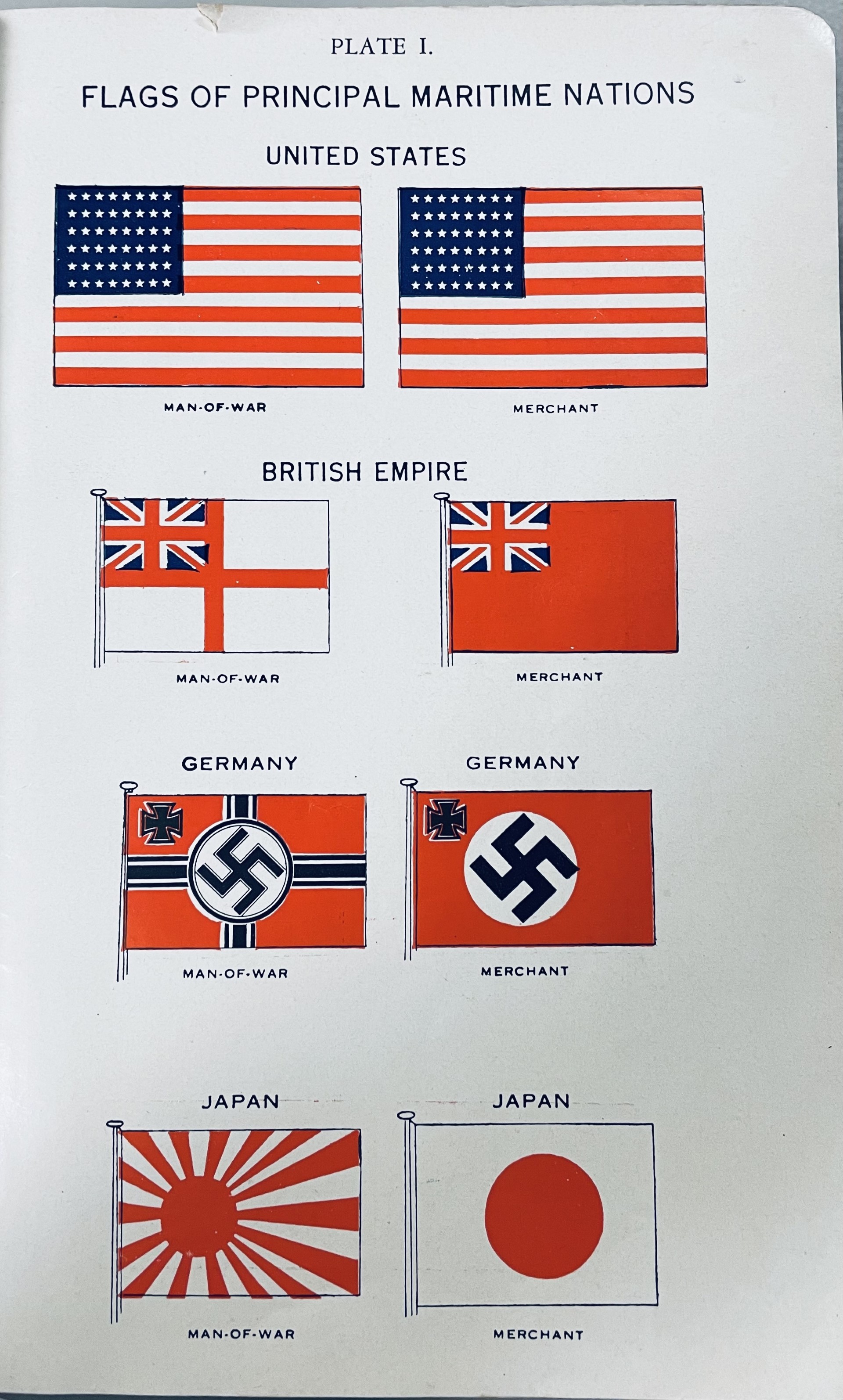
Added to those harsh memories was the existence of an anti-war movement in the country.
As Europe moved closer to war in the late 1930s, the United States Congress continued to demand American neutrality. Between 1936 and 1937, much to the dismay of President Franklin D. Roosevelt, Congress passed the Neutrality Acts. For example, in the final Neutrality Act, Americans could not sail on ships flying the flag of a belligerent nation or trade arms with warring nations. Such activities had played a role in American entrance into World War I.
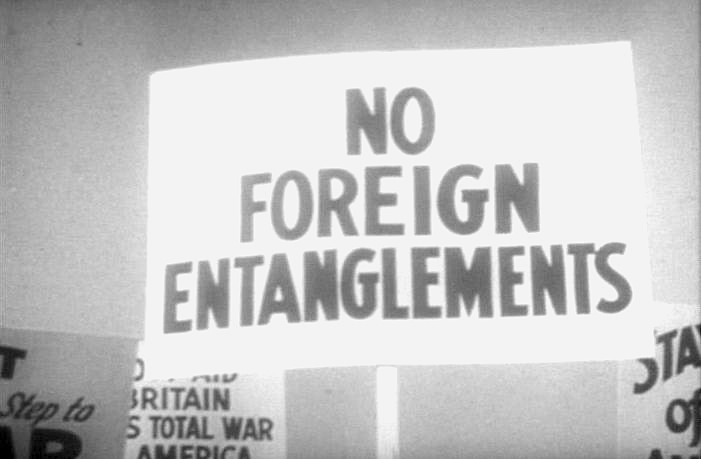
Needless to say, joining a navy when the country was so divided was probably a hard choice by many.
So, it’s not surprising that the first chapter of the 1938-1940 Bluejackets manuals were dedicated as much to attitude as they were to discipline.
The earlier manuals spent the first few chapters discussing naval order and discipline. Each sailor was indoctrinated with the policies that would befall them if they made mistakes. Frankly, reading through the 1916 manual kind of stunned me on how up front the writers were about how hard things could get. The later chapters on seamanship and sailing were afterthoughts to the hammer blows of possible court martials for nearly any offence.
The 1938-1940 manual were entirely different. The section called “Your Naval Career” was an uplifting and inspirational section on what you could achieve. “Keep this always in mind; You are being trained to be a future leader of men. The hardest workers among you may become chief petty officers, warrant officers, and commissioned officers. The rest of you will only get as far as your work, study and efforts entitle you to go.”
Wow! Imagine you are fresh off the bus from Iowa and this is your first reading assignment! An officer? Wait until I write mother.
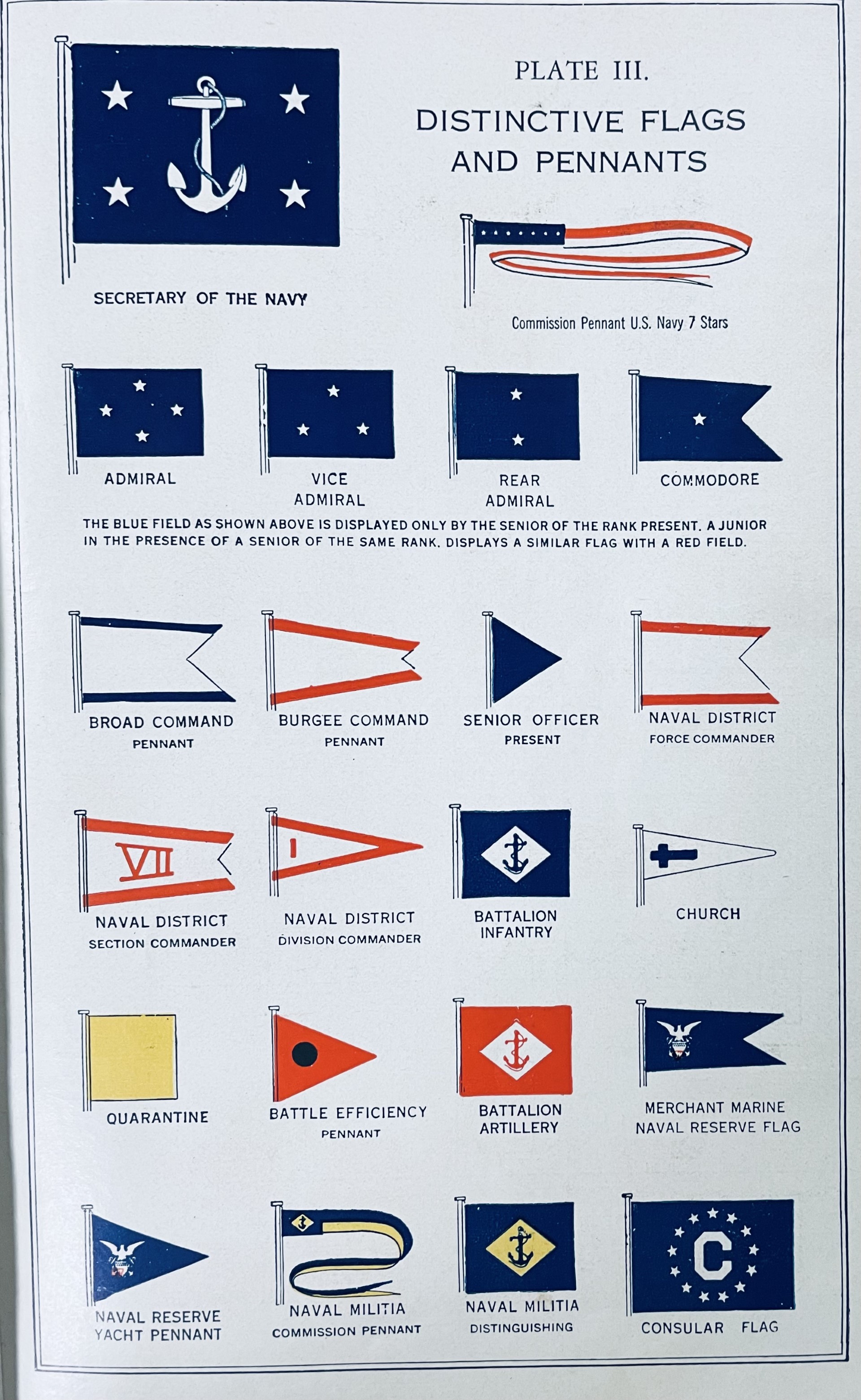
All you had to do was follow a few simple rules and the rest would fall into your lap.
Leader of Men
The next section talks specifically about what a leader of men looks like.
“Once in a while, a man is born a leader. The rest of us become leaders by hard study and long practice of the rules of leadership handed down to us by the great leaders of the past. Following are given the rules laid down by these leaders. Study them and practice them, for your future success will depend upon your ability to master them, whether in the naval service or later in civilian life.
Each man who desires to become a leader must learn the following essential points:
Obedience does not mean blindly carrying out an order or grudgingly doing what you are ordered or directed to do and then only doing enough to get by. Obedience means first of all cheerful and willing obedience and, secondly, intelligent obedience.
Good behavior and a clean record are necessary for promotion to positions of leadership. Men sometimes fail of promotion to warrant and commissioned rank because of bad records during early enlistments.
Knowledge comes only through study and hard work. There is no royal road to learning.” Men always respect you for what you know. It pays to know, and to know you know. Know your own job. Know the job ahead of yours.
Fighting spirit. — You know what this is. Without it, you are only a human biped who wears pants. With it, you are a live, red-blooded go-getter — one who will succeed. Have you the grit to stay with a hard job? Never say “I can’t.” Forget there is such a phrase. Don’t be a quitter. “A man may be down but never out” — until he admits it.
Reliability. — Always do what you are told to do and do it the best you know how. Can you be depended upon, whether alone on a job or with others. Get the reputation of seeing the job through.
Loyalty. — Stick up for yourself, your officers, your petty officers, your company, your ship. As you show loyalty to them, they will show loyalty to you, and people under you will do the same. Boost. If you cannot boost, do not knock.
Initiative. — This is one of the outstanding qualifications of a leader. The man with initiative takes hold of the things that need doing and does them without being told, while the other fellow is standing idly by because no one has told him what to do. A man with initiative thinks on his feet. He can be trusted to take care of an unexpected situation because he is always on the alert and thinking ahead of his job.
Self-control. — Do not fly off the handle. It nearly always gets you into trouble and always lessens the respect that others hold for you. If you lose your self-control in little things, you are sure to do so in big things. The man who cannot control himself will never develop into a real leader of others.
Energy. — A lazy man never has time to do anything right or to do anything to improve himself, and he never gets far. Be “peppy.” Put some drive into things. Carry a “self-starter.” Don’t have to be cranked every time to get started.
Courage. — A leader must have courage. He must have not only physical courage, he must have moral courage as well. He must be fearless in the face of his duty. A courageous man admits it when he is wrong and takes his medicine. He doesn’t bluff. And when he is known as a man of courage he doesn’t have to bluff.
Justice. — Be square. Play the game hard, but play it squarely. Give a square deal to others and expect one in return. Act so that others can respect you as a man.
Truthfulness. — The final test of a man is: In a pinch, will he lie.^ Lying is a dismissal offense at the United States Naval Academy, and is a punishable offense in the Na\y. Many a man who told the whole truth has been let off or given light punishment, where the liar was punished for the offense and for lying as well.
Faith. — Believe in yourself. Trust yourself. Count on yourself. Count on yourself to be one of the best man-o’ -war’s men in the whole Navy, and then go to it and make good. Trust your fellowmen. They are good” fellows and will meet you halfway as a rule. Believe in and trust the Navy. Splendid men have made it what it is. Do all you can to keep it as good as it is, and make it even better.
Honor. — Act so that your home folks will be proud of you, and will tell all of your friends what fine things you are doing in the Navy. Act so that others will want to be like you. Few men can survive dishonor. Remember you can never disgrace or dishonor yourself without bringing dishonor on your name, your people, and the uniform you wear.
Cheerfulness. — Smile and the world smiles with you. Smile when things go wrong. If you cannot smile, at least try to. You can surely keep the corners of your mouth up.
Honesty. — Enough said. Without honesty your career is limited and you are sure to fail in the long run. Nobody wants to deal with or associate with a cheat.”
That’s it. Sixteen little rules to read, follow and stick to and your future would be assured.
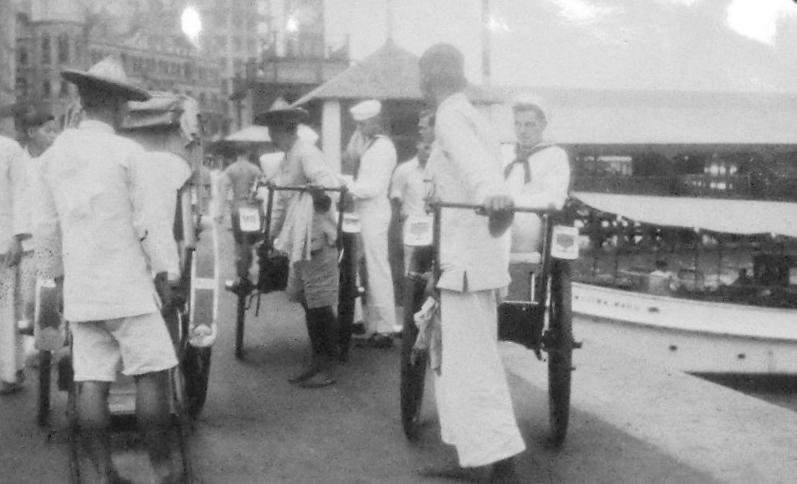
But once the sailors would reach the fleet, the rules would be tested time and time again. The navy fluctuates between exciting adventures and incredibly boring stretches. Temptations abound in every port and seasoned sailors are the arbiters of bad behavior both at sea and in port. Many a young sailor would find themselves broke and in trouble in any number of homeports. The lofty words evaporate in thin air when subjected to cheap perfume and hard liquor. I suppose that is one of the reasons there are more men that do not make chief than those who actually do.
Now to be fair, I know very few Chiefs that did not navigate their way around the rules on their way to wearing an anchor. Maybe even a few Chief Warrants and line officers above Chief Warrant. But one thing I am sure of: quite a few men who read the 1938 and 1940 Bluejackets manuals woke up the morning of the attack on Pearl Harbor expecting another normal day. But they would never have that same luxury on December 8th. All of the training, all of the discipline and all of the sacrifices made up to that point would have to be enough.
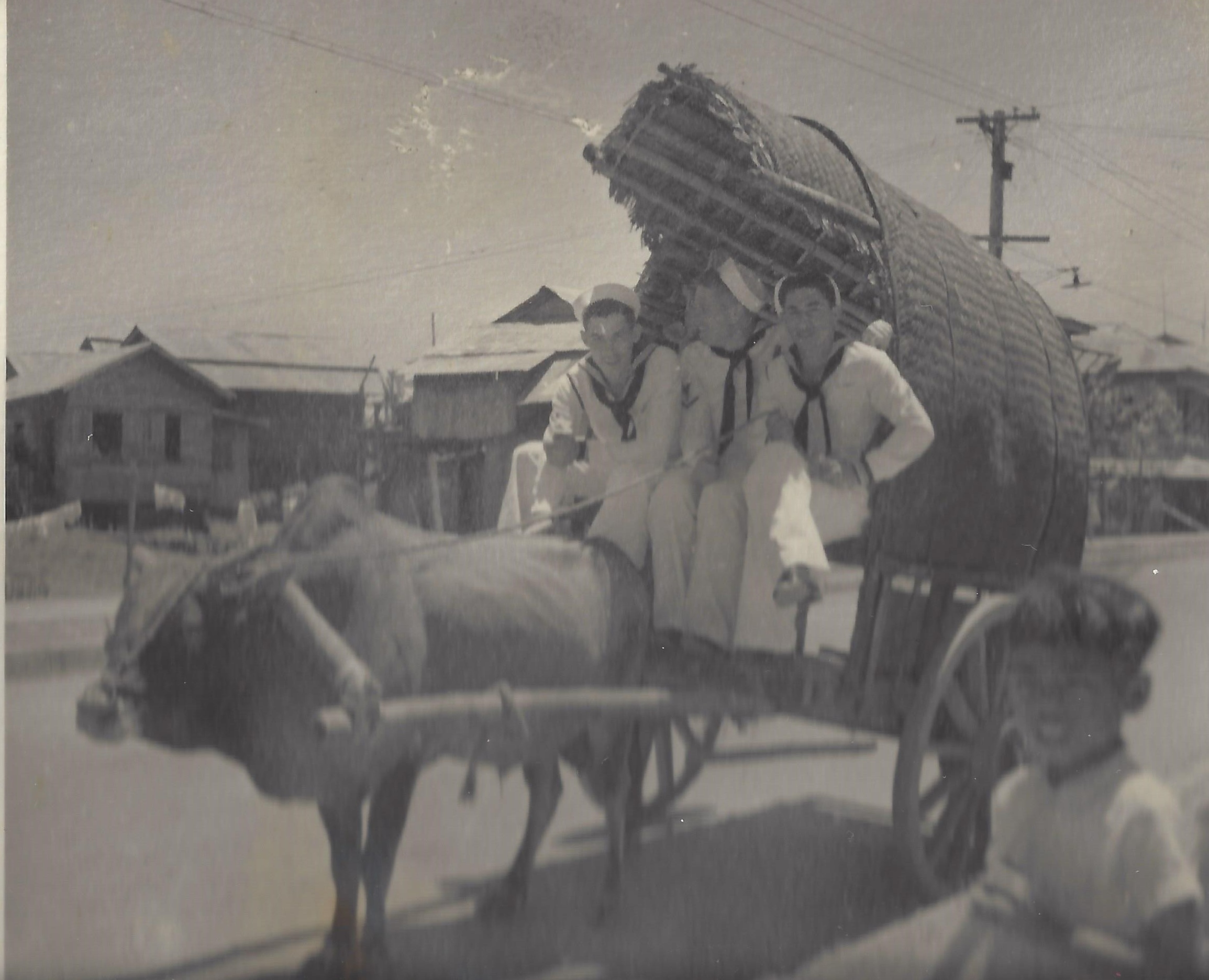
The 1940 manual was the one issued to most of the sailors being brought in to man what was left of the fleet. They would go on to fight their way across the Atlantic and the Pacific. Their efforts alongside of the men and women who served in the other branches would mean the difference between victory and defeat. In a very real way, the freedom of millions of people depended on them.
Every single one of these challenges were meant to be aspirational. And every single one would be required to defeat a determined enemy. I wish the current navy would review them and substitute them for much of what is being taught to our sailors and officers today. I would sleep more soundly at night if that were the case.
Mister Mac

 theleansubmariner
Sometimes, I wonder how THE Manual has changed because of such nonsense as inclusivity, coed ships, and berthing. Our local chapter of USSVI (Coastal Carolina Base) recently had several men join who have recently retired. Looking forward (?) to hearing from them about the newest Navy…
Tony
Keep me posted you what you find. I feel sorry for those people who are trying to serve their country in the midst of all these changes and chaos. I keep praying for sanity to return
Mac
Mr. Mac. Thank you and it is an Honor to read your blogs. I may have you by a couple of years but you inspiration spurs me on to become a better man.
bob
Thanks Bob. I am just another guy trying to survive in a world that has so many imperfections. I appreciate your thoughts though.
Mac