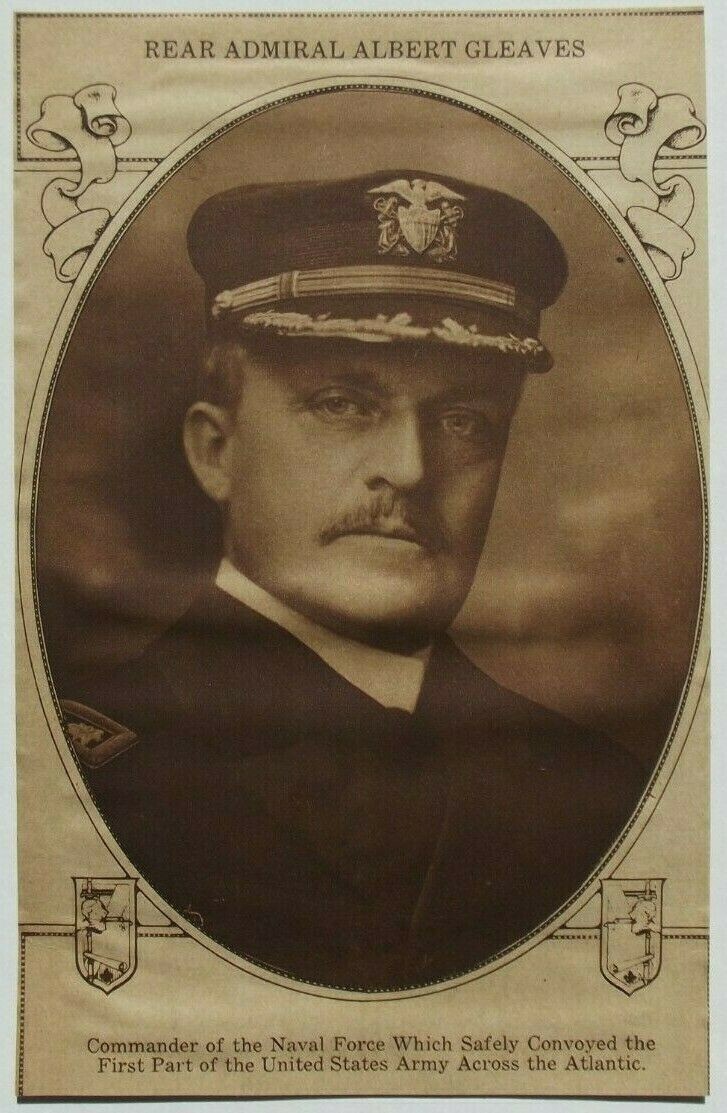
I debated trying to shorten this post up a bit then decided that the story had so much significance, cutting pieces out would be difficult and would not be fair to the purpose I intended. I have been featuring some articles recently about Japan and its navy. One of the characters that came into view was a US Navy admiral named Albert Gleaves that was in charge of the United States Asiatic Fleet in 1920 and spent a significant amount of time trying to learn about the island nation of Japan.
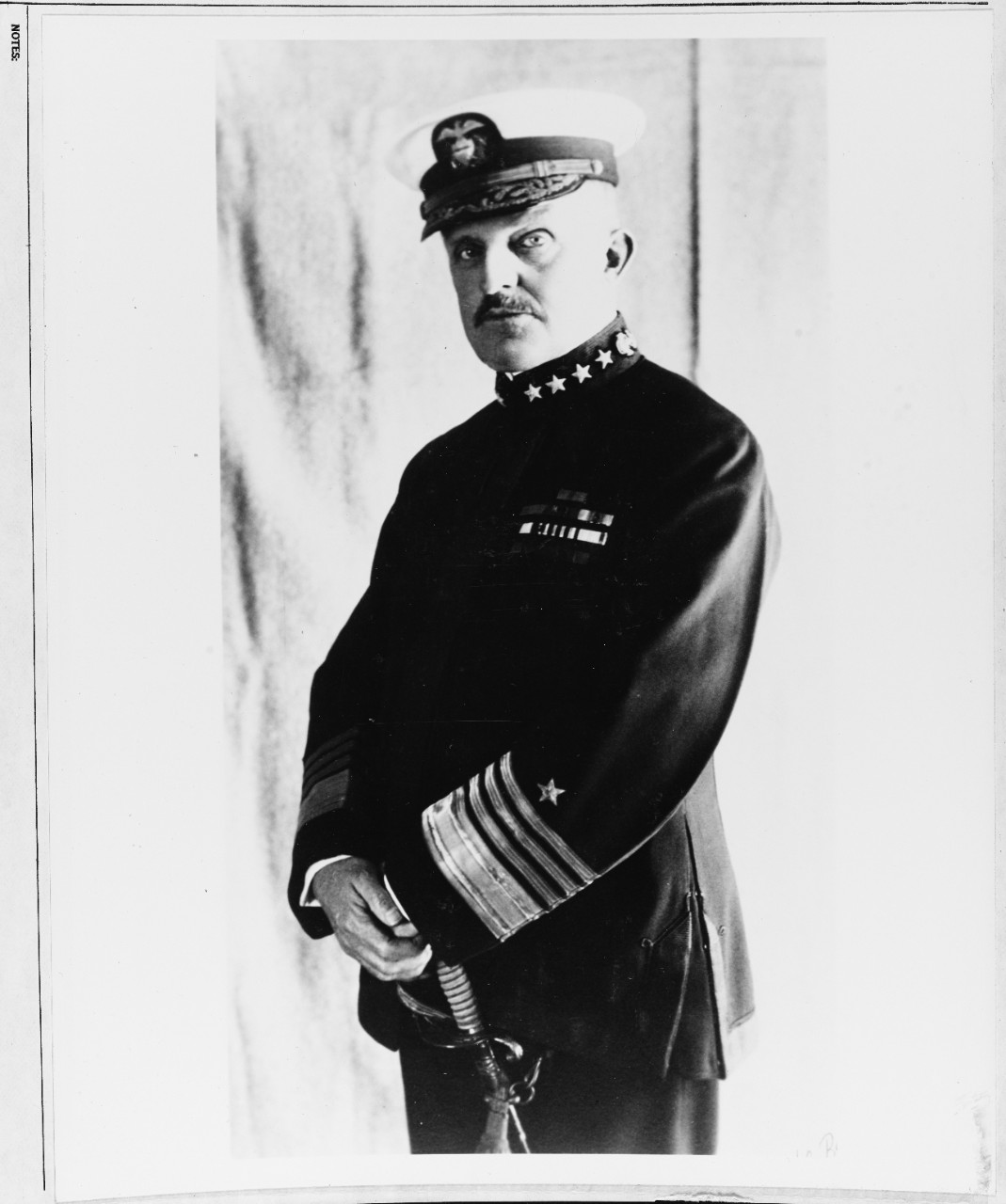
His life story was best recorded in the Tennessee Encyclopedia.
“U.S. Navy Admiral Albert Gleaves was born in Nashville on January 1, 1858, the only son of Henry Albert and Eliza Tannehill Gleaves. Entering the Naval Academy in 1873, Gleaves graduated four years later, and for the first eight years of duty he served in the last of the navy’s sailing ships. In 1897–twenty years into his career–he received his first command, the torpedo boat Cushing. During the Spanish-American War Gleaves remained in command of the Cushing but saw little action.
When Theodore Roosevelt was assistant secretary of the navy in the late 1890s, he became good friends with Gleaves. Once Roosevelt became president, Gleaves was placed in command of the Dolphin and the Mayflower between 1901-4. Roosevelt used both boats as presidential yachts. From 1904 to 1908 Gleaves distinguished himself as commander of the Naval Torpedo Station at Newport, Rhode Island, where he began the navy’s program of developing more accurate, effective torpedoes.
Gleaves was more than a naval careerist. An avid reader, author, and experienced hydrographer, he also made contributions to naval science and literature. In 1902 during a survey cruise of the Dolphin, he discovered the deepest recorded spot in the Atlantic Ocean, a location 27,984 feet in depth about ninety miles northwest of Puerto Rico. He wrote still useful biographies of James Lawrence (1904), William H. Emory (1923) and Stephen B. Luce (1925) as well as the standard naval history, A History of the Transport Service (1921).
The highpoints of Gleaves’s career came in the 1910s. He commanded the cruiser St. Louis and the dreadnought North Dakota between 1908 and 1911. The next three years, 1912-14, he was commandant of the New York Naval Yard. With the beginning of World War I in 1914 and the gradual military buildup during the next three years, Gleaves was commissioned rear admiral in 1915 and given command of the Destroyer Force of the Atlantic Fleet. He devised a successful system for refueling ships at sea, and when the United States entered the war in 1917, Gleaves was given a chance to demonstrate his logistical talents as the officer responsible for organizing Atlantic convoys. He commanded the convoy that guarded the crossing of the American Expeditionary Force in June 1917. The creation of the Cruiser and Transport Force, and the fact that the navy lost nary a man at sea during the convoy operations, earned Gleaves the reputation of the one of the country’s best naval leaders. He was awarded the Distinguished Service Medal by both the army and the navy.
In 1919 Gleaves attained the rank of admiral and was placed in the Far East as the commander-in-chief, Asiatic Station. He retired in 1922 after forty-five years of service to his nation. Gleaves continued to advocate a strong, flexible navy, not only in public appearances and lectures but also in a series of publications in national magazines and journals. He died in 1937 and was buried in Arlington National Cemetery. In his honor, the navy commissioned the destroyer USS Gleaves in 1940. His memoirs were published in 1985.”
Written by Carroll Van West
https://tennesseeencyclopedia.net/entries/albert-gleaves/
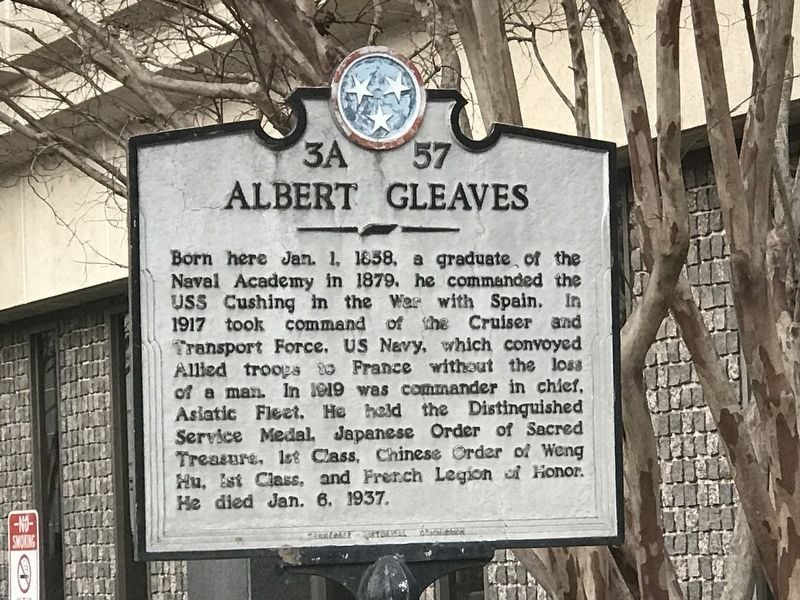
I would definitely classify him as a true man of the sea. The rest of this story is about only one part of his career but in my mind, one of the most important parts. It was during his time as “Commander in Chief” of the Asiatic Fleet that he provided a classified report to the Secretary of the Navy which should have been used to help the country prepare better for the events that would occur from 1920 to the beginning of the Second World War.
The entire document is held at the National Archives in the section that details intelligence reports between the wars. It’s a lengthy read but every section contains information that would ultimately come to pass. Especially chilling is the prediction in the last few paragraphs.
Op-13A
ID. 178-6
NOV 3 1920
Sir-
I have the honor to forward herewith, for the information of the Department of State, a copy of a letter, dated 8 September, 1920, from Admiral Albert Gleaves, U. S. Navy, the Commander in Chief of the U. S. Asiatic Fleet, at Chefoo, China, giving certain observations on Japanese character, with special reference to Japan’s ambitions and her relations in this connection with the United States.
Sincerely yours,
Gordon Woodbury.
Secretary of the Navy.
The Honorable
The Secretary of State.
(Enclosure).
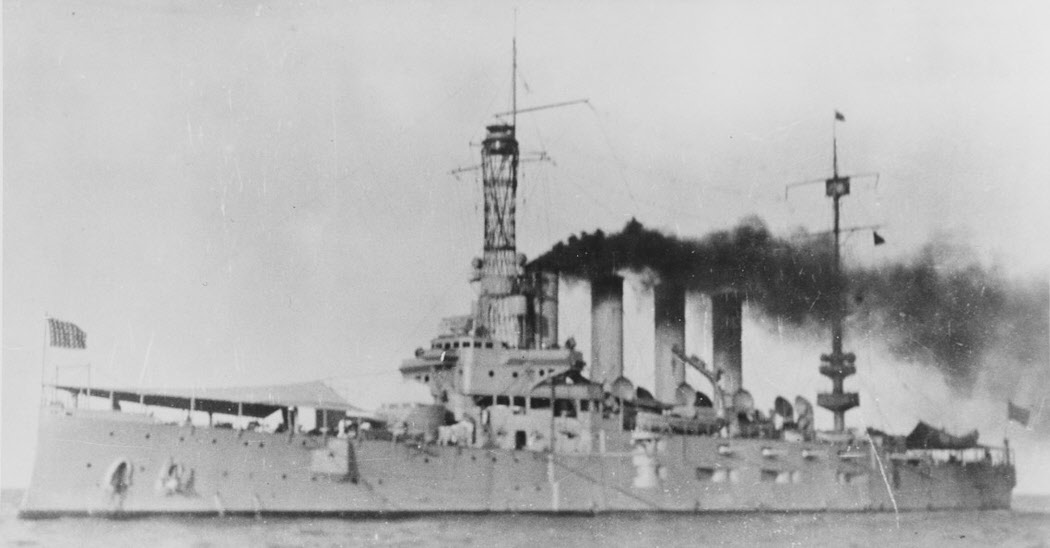
UNITED STATES ASIATIC FLEET
U.S.S. HURON, FLAGSHIP.
Chefoo, China,
Operations – Confidential Files 8th
September 1920.
RECEIVED
NOV – 1 1920
NAVY DEPARTMENNT
13A File No. P.D.178-6
From: Commander-in-Chief.
To: The Secretary of the Navy.
Subject: Observations on Japanese character, with special reference to Japan’s ambition and her relation in this connection with the United States.
1.The relations between the United States and Japan cannot be said to be satisfactory. Incidents are daily created which cause irritation and animosities, and unless the situation is cleared up, the two countries will probably drift into war. That Japan is preparing for this eventuality is indicated by her increased naval appropriations, and the enormous amounts of foodstuffs and war material she is importing.
2. Japan tries to explain these activities by saying that she is only completing her defences: Who is going to attack her? The United States which is her only probable enemy will certainly not initiate hostilities. I do not believe that Japan wants to fight us; she would prefer to remain friendly, but I do believe that her one great ambition is to be in the East what the United States is in the West, and England is in Europe. She wants to lead Asia, and under the guidance of the Militarists, she means to attain that object at any cost.
3. As England was the obstacle to Germany in realizing her ambition to dominate the world, so the United States stands across the path of Japan, for it is probable that we would not regard with unconcern her further advances upon the mainland of Asia, or her occupation of the islands in the Pacific. This hope of the mastery of the East, is I believe, the inspiration of all Japan’s endeavors and is the real cause of her anti-American feeling. Racial and commercial differences are burning questions, but they are subsidiary, although ancillary to the great proposition of Far Eastern control – economic, political and military. Like the Roman Catholic Church, Japan builds for the centuries. A nation which claims three thousand years of Imperial power in unbroken succession, can afford to wait patiently fifty or a hundred years to realize her ambitions.
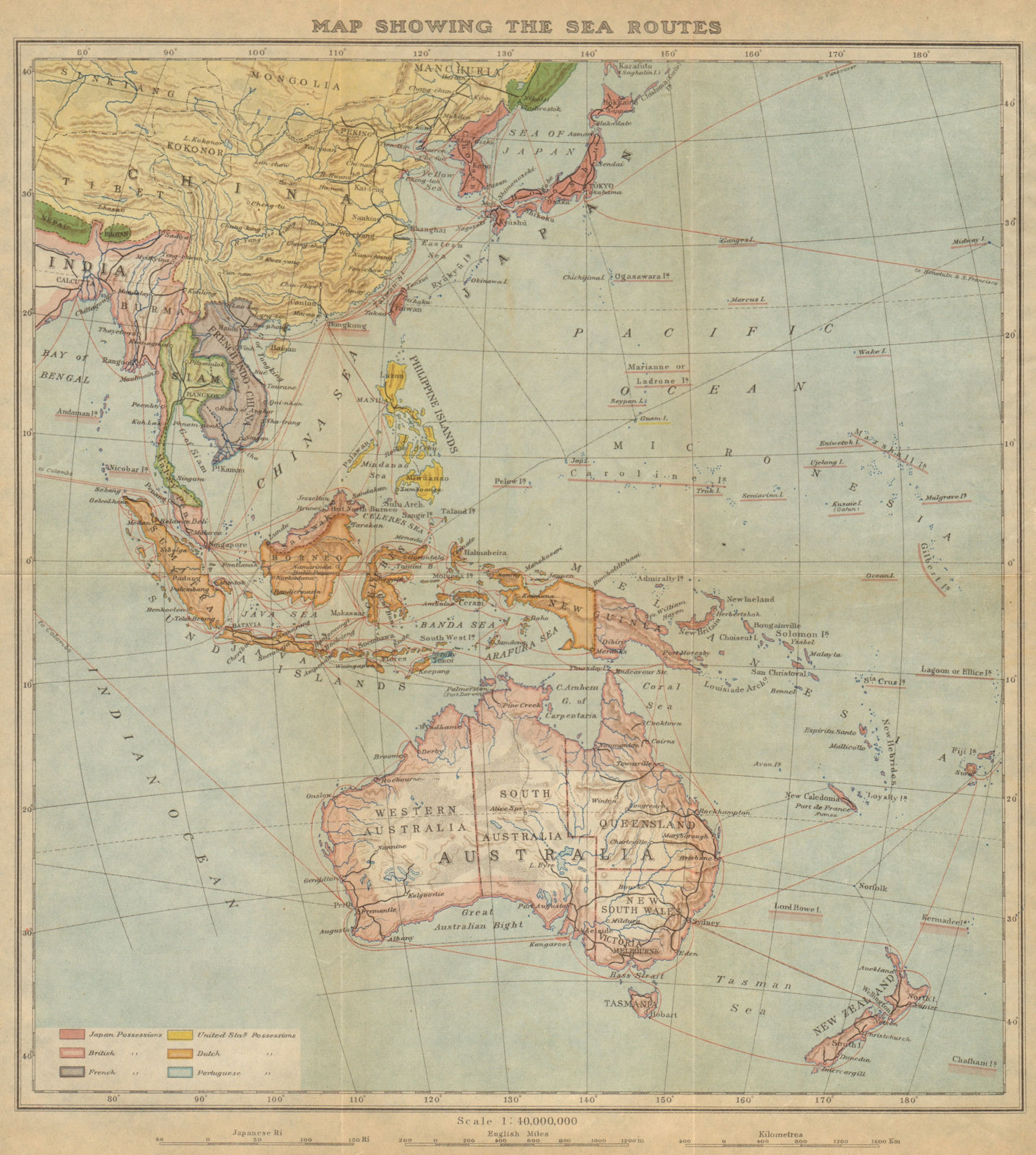
4. The influence of Japan is now paramount in the Eastern Pacific and is growing steadily. She is making progress towards her goal. From Tsingtao to the Amur River and beyond, the Japanese flag is in evidence, and there is scarcely a town on the coast between, where the Japanese merchant has not set up his shop. In many places the soldier has followed the merchant.
5. The first move of domination and expansion was her overflow into Formosa, Korea, United States and Manchuria, under the pretext of finding room and food for her over-crowded and increasing population. It is true that Japan’s population is increasing rapidly, but it may be doubted if it is necessary for her, on this account, to attempt colonization in other parts of the world. In a recent book, discussing this subject, the author challenges this reason for emigration, and his conclusions agree with those expressed by Professor David Starr Jordan twenty years ago. He asserts that Japan has vast untouched wealth in uncultivated, uninhabited and arable lands. He says that Japan has neglected her land and that if she would attempt modern methods of using what are now unproductive lands, in the utilization of hillsides and irrigation and cultivating five-sixth of the land surface of the country which is now idle except for lumber, she would have room for three or four times her present population. This would be expensive, but he points out that the amount of money of a little over 3,000,000 yen, which the Department of Agriculture allotted for the reclamation of 620,000 acres of land in nine years is insignificant compared with the revenue she devotes to battleships.
At Port Arthur, I was much impressed by the vast areas of unoccupied and uncultivated land, and upon inquiry found that the population consisted of only ten thousand Japanese and fifteen thousand Chinese. In the adjacent country, there was easily room for thousands more.
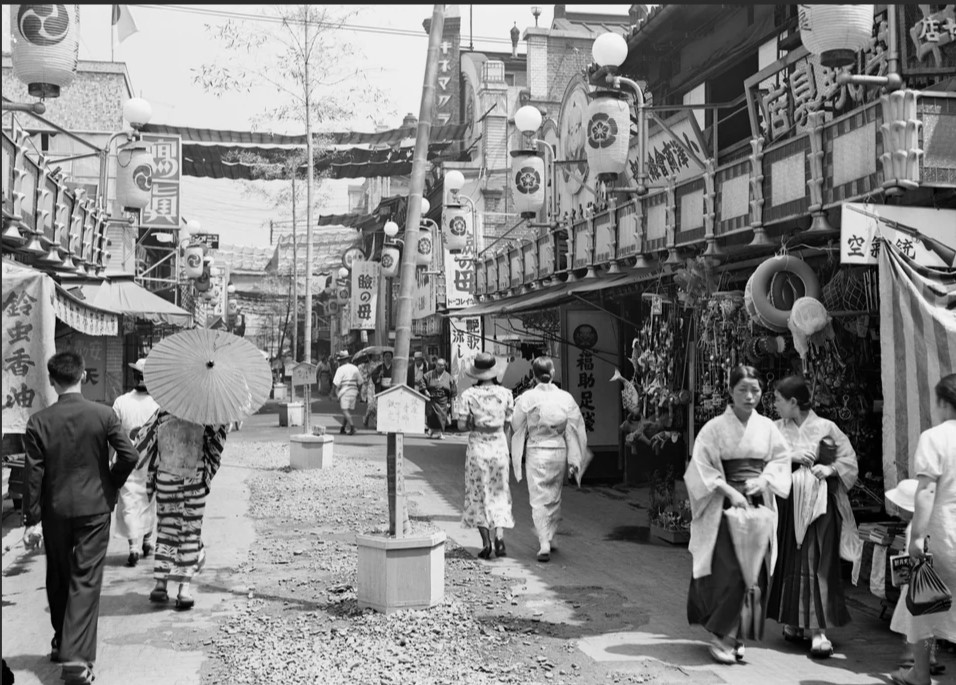
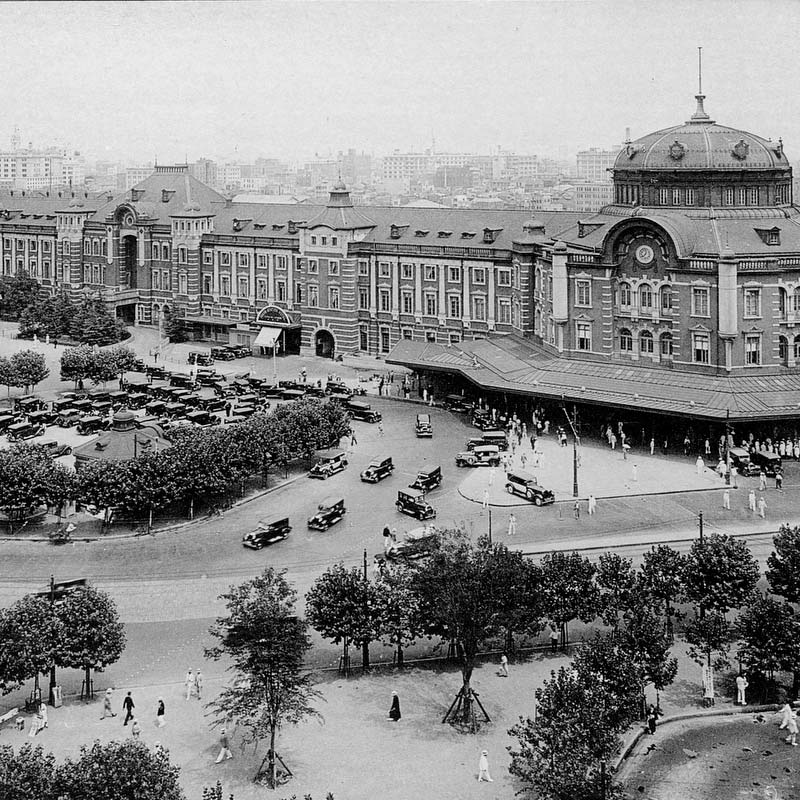
6. The narrow streets of Kyoto, Tokyo and other cities are habitually crowded with multitudes of children and babies, which naturally give the impression to the passing tourist that Japan is teeming with a population huddled promiscuously together. Observations in the country away from the cities show the contrary.
Japan desires to expand into other countries in order to get a foothold in them – into China, Siberia, Kamchatka and islands of the Northern Pacific. She wants to flow to the southward into the Philippines, the Pelew Group, the Carolines and the Marshals. Wherever She goes, she throws a veil of secrecy around her proceedings, and from outside that screen, she protests to all the world that all’s well inside; no forts, no mines, no wireless. A chance landing recently on the shores of Yap and Truc of two intelligent American Marine castaways has shown that there is strong presumptive evidence at least, that the Japanese statements regarding the innocency of these islands have exactly the same value as their repeated assertions that Japan has no territorial ambitions. It will be recalled that these Marines reported that there were wireless stations of 1,000 miles radius installed on the islands of this group, but what is of much more significance – the Kanakas told them that there were “many, many guns on Saipan, ” which is only about ninety miles from Guam. It would be easy and inconspicuous to land guns of heavy caliber on this island to be used later to fortify Guam against us. Furthermore, one of the men was told in Yap that the Japanese were fortifying upper Palao (Pelew). The SOUTH DAKOTA passed within four or five miles of the Southern end of the Pelew Group last October, and while I noted the commercial activity in the harbor, I observed no fortifications.
7. Nothing that can serve to promote friendship between America and Japan consistent with our own ideals and traditions should be neglected, but I believe this can only be accomplished by a full and complete understanding between authorized representatives appointed in conference to discuss and adjust every point of difference between the two countries. This cannot be done by the ordinary procedures of diplomacy; those channels are too well worn, too conventional, and if I may be permitted to so express it – too misleading. The solution of the problems which vex the relations of the two nations, lies in the appointment of a joint High Commission, composed of the most representative men, regardless of party politics, who have the full confidence of their countrymen.
8. There is as much difference between the mental perspective of the Japanese and ours, as there is in our manners, social customs and the color of our skins – to quote Mr. Shidehara, and for this reason, any conference that would find a solution to the various questions must at the outset, establish a common plane of reference to which these questions can be referred. In other words, each side must get the mental focus of the other.
9. It is a common saying that there is no other country about which so much is written that is incorrect, either in praise or censure. The Japanese are not supermen; they are not especially clever or keen in perception; they are not originators. They are ambitious, hardworking and capable of standing hardships, but they are mechanical like the Germans and are not quick to meet the unexpected. They do not merit the extravagant praise which has been given their development. Their telephone, telegraph and postal systems through-out Japan are notoriously unreliable and inefficient. Even in the large commercial cities one has only to step across the street from the foreign settlement into the native quarter to go back fifty years.
10. Japan’s overwhelming successes in the wars with China and Russia gave her a place in the sun, and started her on her road to Empire. She has been rattling the saber ever since. Tapan is essentially a military nation, modelled along German lines. She has a large and well-equipped army, a powerful navy, and a secret service which is credited with phenomenal efficiency. It must be remembered, however, that her army and her navy have as yet, met in battle only forces of little or no morale, led for the most part by corrupt and incompetent men.
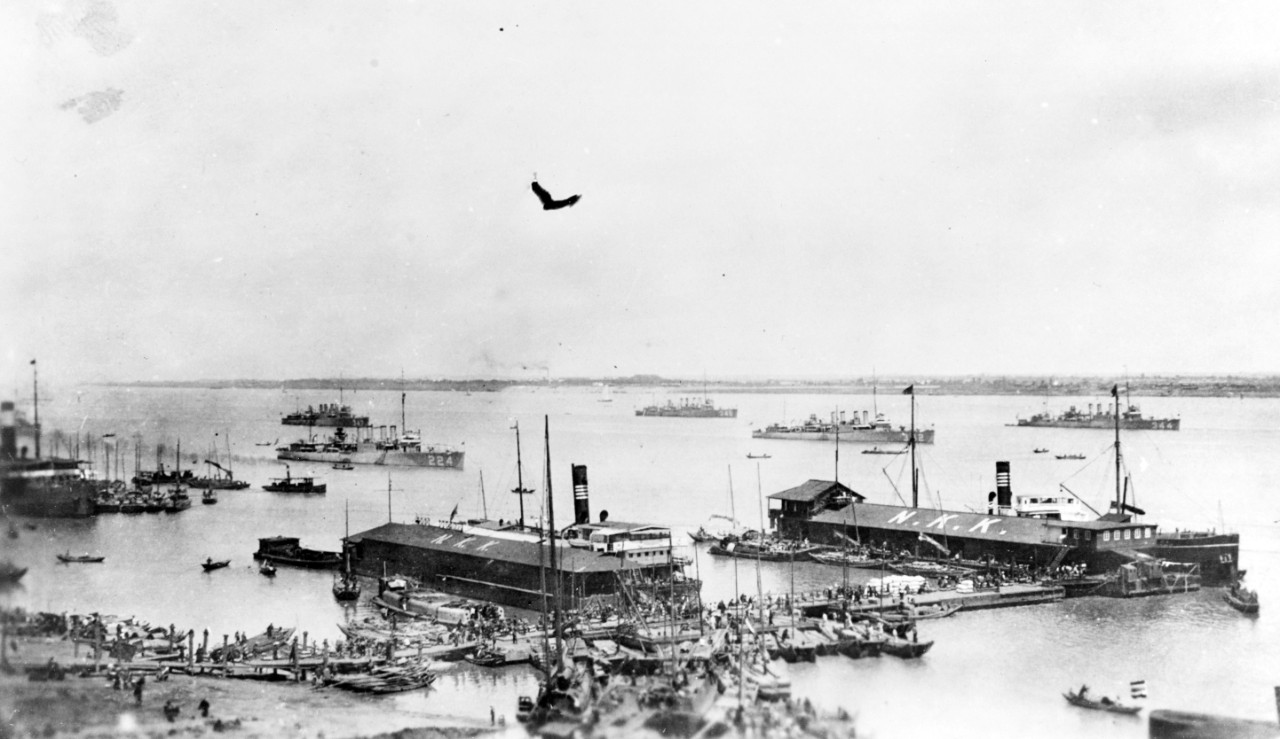
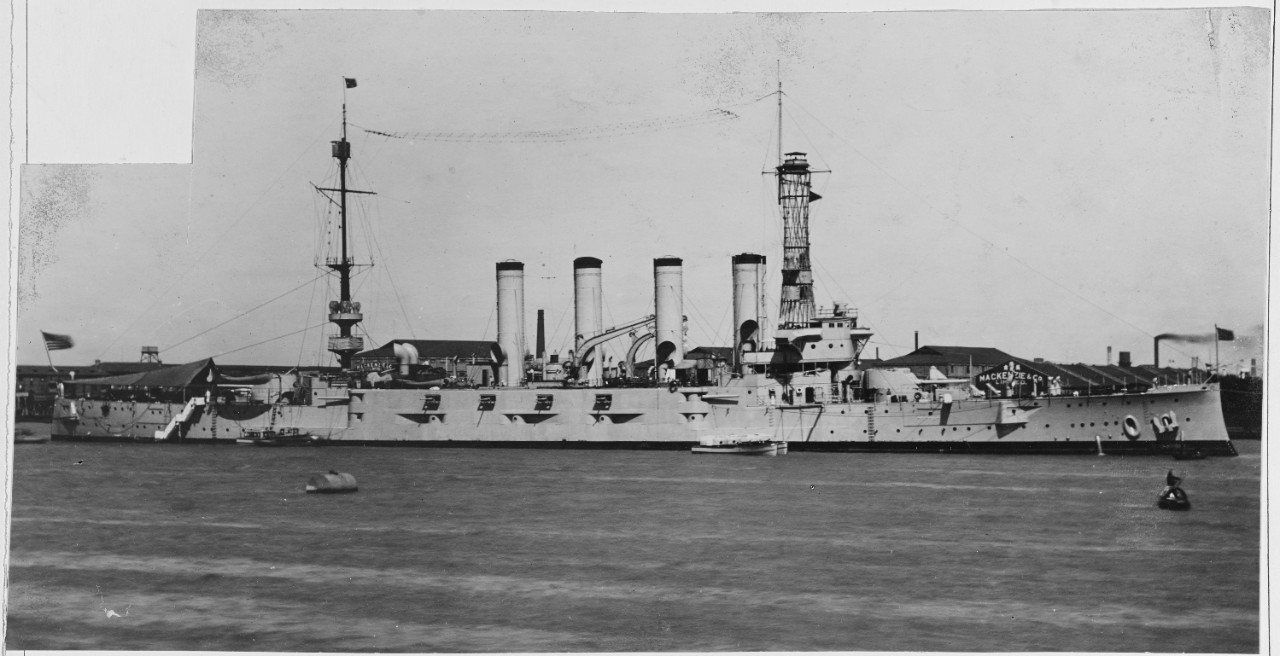
11. I have some personal knowledge of her secret service, and I cannot think much of its reliability, if the following is a fair example of the work of her spies. Last June I was shown, while in Peking, a telegram from General Oi which had been intercepted in transmission from Vladivostok to Harbin, in which he said: “The presence of the U. S. Flagship SOUTH DAKOTA leads me and the political commissioners to have certain doubts. Our secret service has established the fact that the Admiral is having very frequent intercourse with the Provisional Government, against which we have taken the necessary measures in the interest of the Japanese Government.’
As a matter of fact, I had never had any intercourse with the Provisional Government with the exception of the formal calls, exchanged when I first arrived at Vladivostok. It so happens that the date of this dispatch was the same as that on which the General entertained the Admiral at an unusually elaborate luncheon.
12. Any opinion based upon a few days in Japan, either of the tourist who gets his impressions from the impecunious shopkeepers, and the atrocious manners of the native passengers in the second-class railway carriages; or, that of the invited guest who is entertained lavishly by court officials, and wealthy citizens, must be accepted with caution. The people who are the best judges and whose opinions are of most value are foreigners, particularly merchants and missionaries who live among the Japanese and are familiar with their outgoings and their incomings.
13. In view of the relations that now exist between the United States and Japan, it is of special importance that we endeavor to understand the Japanese character, for the better we understand each other, the less chance there will be of rupture. To this end it would seem desirable to frequently send specialized committees to Japan, whose real object would be to study the people and the country. Japan pursues this policy toward us. As Commander-in-Chief it is my desire to have the ships of this Force visit as many ports in Japan as practicable, and officers are encouraged to travel in the interior and observe closely. Every ship is required to submit thorough and systematic intelligence reports.
14. No Japanese official makes a speech or writes an article on international relations that he does not dwell on:
(a) The sincerity of the Japanese people.
(b) Their frankness and open dealing.
(c) The sacredness with which they adhere to all their treaty obligations.
15. A High Commission appointed to settle our differences with Japan will have to begin by brushing away these cobwebs of self-righteousness before an amicable agreement is possible. Japan must be made to realize that the world does not accept her at her own valuation. These assertions are repeated and reiterated until they have become fixed ideas in the Japanese mind, notwithstanding that every intelligent Japanese knows, and the world knows and condemns, the part Japan has played in Korea; knows that she has not fulfilled the pledges she gave to the four Powers regarding China, and of her operations in Siberia where she has associated herself with such outlaws as Semenoff, Kalmikoff and Rozanov.
16. Viscount Ishii’s speech at the Waldorf, September 1918, when he enunciated the Japanese Monroe Doctrine for China, was the climax of irony, coming as it did after the presentation of the twenty-one demands, and when viewed again in the light of events of the last two years. He said in part:
“Circumstances for which we were in no sense responsible gave us certain rights on Chinese territory, but at no time in the past and at no time in the future, do we, or will we, seek to take the territory from the Chinese or to despoil China of her rights. We wish to be, and to always continue to be, the sincere friend and helper of our neighbor, for we are more interested than anyone else, except China, in good government there; only we must at all times, for self-protection, prevent other nations from doing what we have no right to do. Not only will we not seek to assail the integrity and sovereignty of China, but we will eventually be prepared to defend and maintain the same integrity and independence of China against any aggressor.”
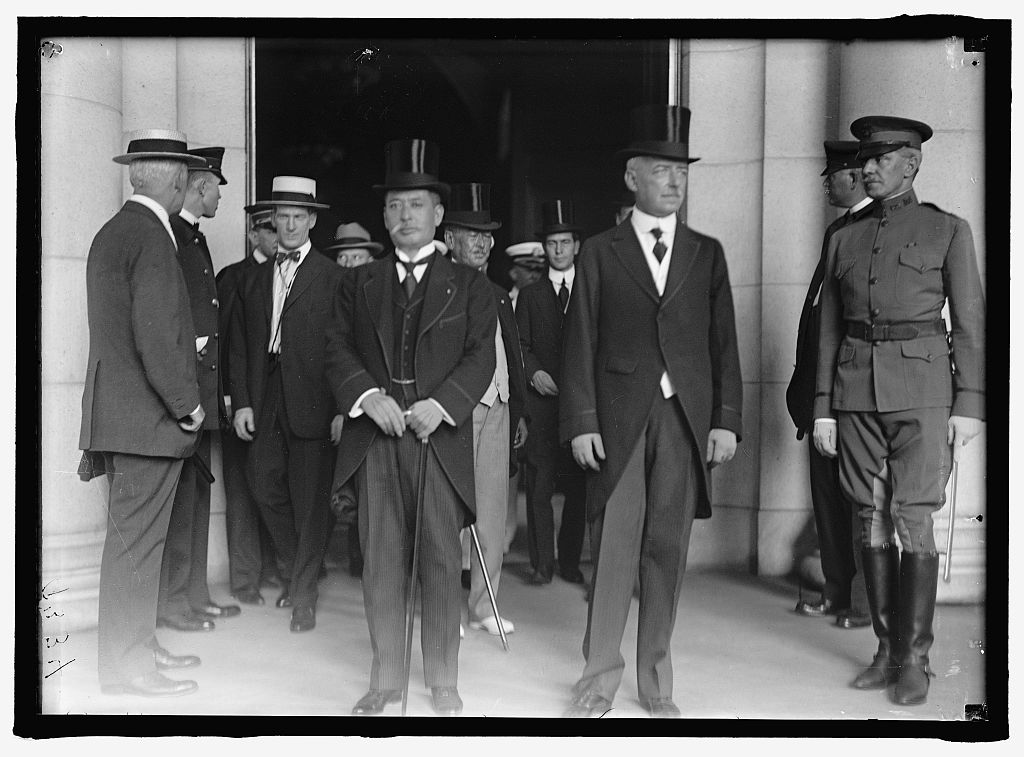
17. Ignoring the facts of contemporary history, Baron Makino stated in an interview in Paris in April last year – “There is no example in history of Japan breaking her word. ” A few weeks ago, when Tokyo was framing what the Press termed an evasive reply to the Washington note on the Sakhalin question, the Japanese Ambassador Shidehara wrote in the Outlook that “both countries must adopt the policy of absolute frankness. We can hope for no final solution until our cards are on the table.”
18. The individual penetration of China without regard either for her sovereignty, her independence, or of Japan’s own pledges for the open door and equal opportunities to all nations, may be compared with the invasion of Canaan by the Israelites, who under their warlord Joshua, fought their way into the Promised Land after pledging themselves to keep to the King’s highway, and not even take water from the wells. Until Japan squares her actions with her words; until she suppresses unfair trading, illegal traffic in drugs, unjust discrimination against foreign trade, she cannot hope to escape international suspicion, prejudice, mistrust and accusations of insincerity and deception.
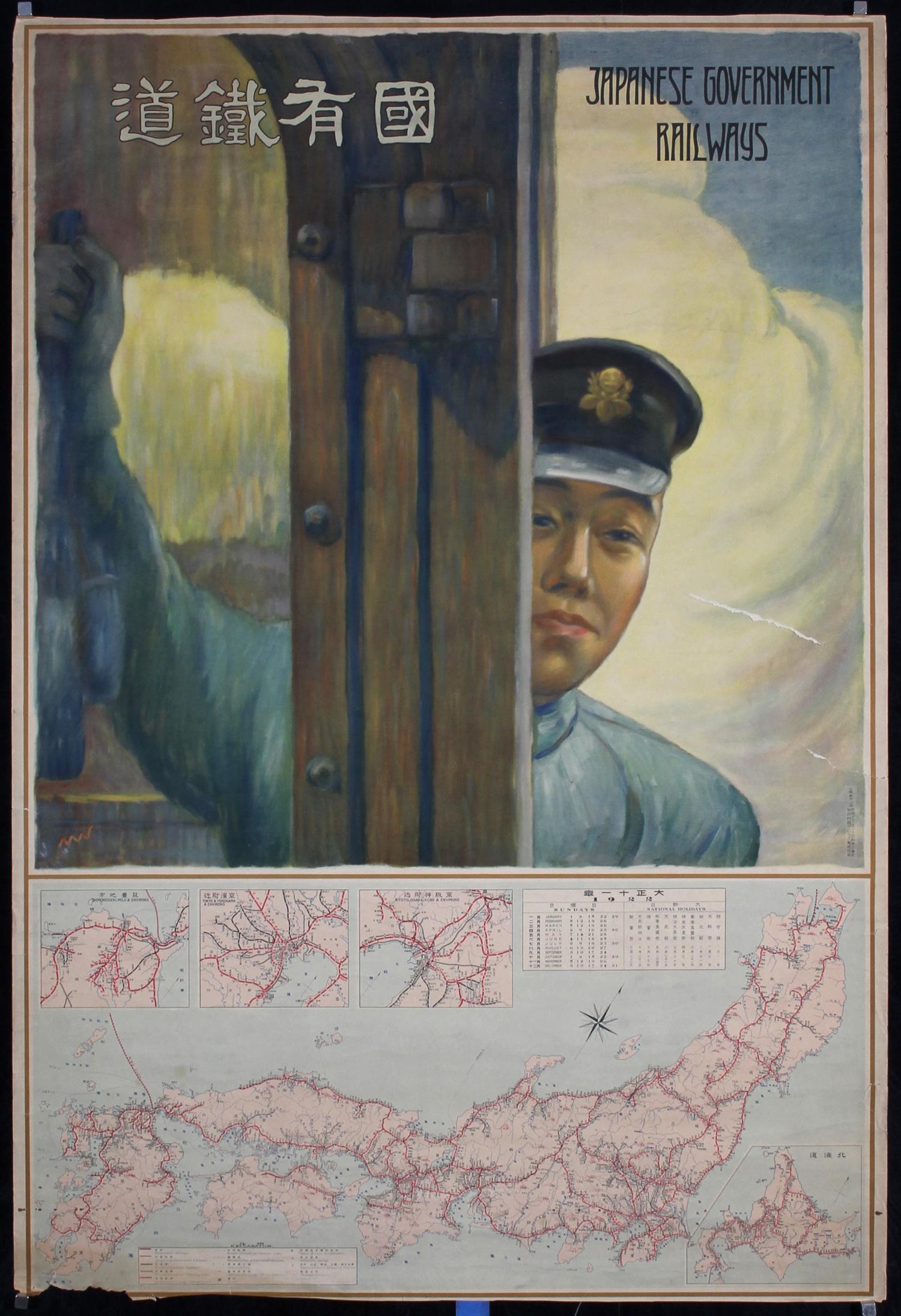
19. The Japanese know the opinion in which they are held by foreigners in the Far East and they bitterly resent it for they are an extremely sensitive people, quick to resent a slight. Outwardly of course, business and social intercourse is undisturbed, but there is an undercurrent of ill-feeling which is exhibited in many minor ways. The rudeness to which foreigners are subjected in traveling has become so flagrant that within the last few weeks, it was proposed by Mr. Motodo, one of the imperial Railroad officials, to restore first class carriages which have been taken off since the beginning of the War, but this admirable suggestion was so strongly opposed that it has been withdrawn.
20. When the HURON was at Kobe, no effort was made by the port authorities to clear a landing for her boats, although this was done for the Japanese warships, and furthermore, the underlings of the Customs insisted on examining the parcels of officers in uniform. Although these annoyances promptly ceased when attention of the Governor of the Province was called to them, they indicate the feeling toward Americans. many instances of this kind could be cited.
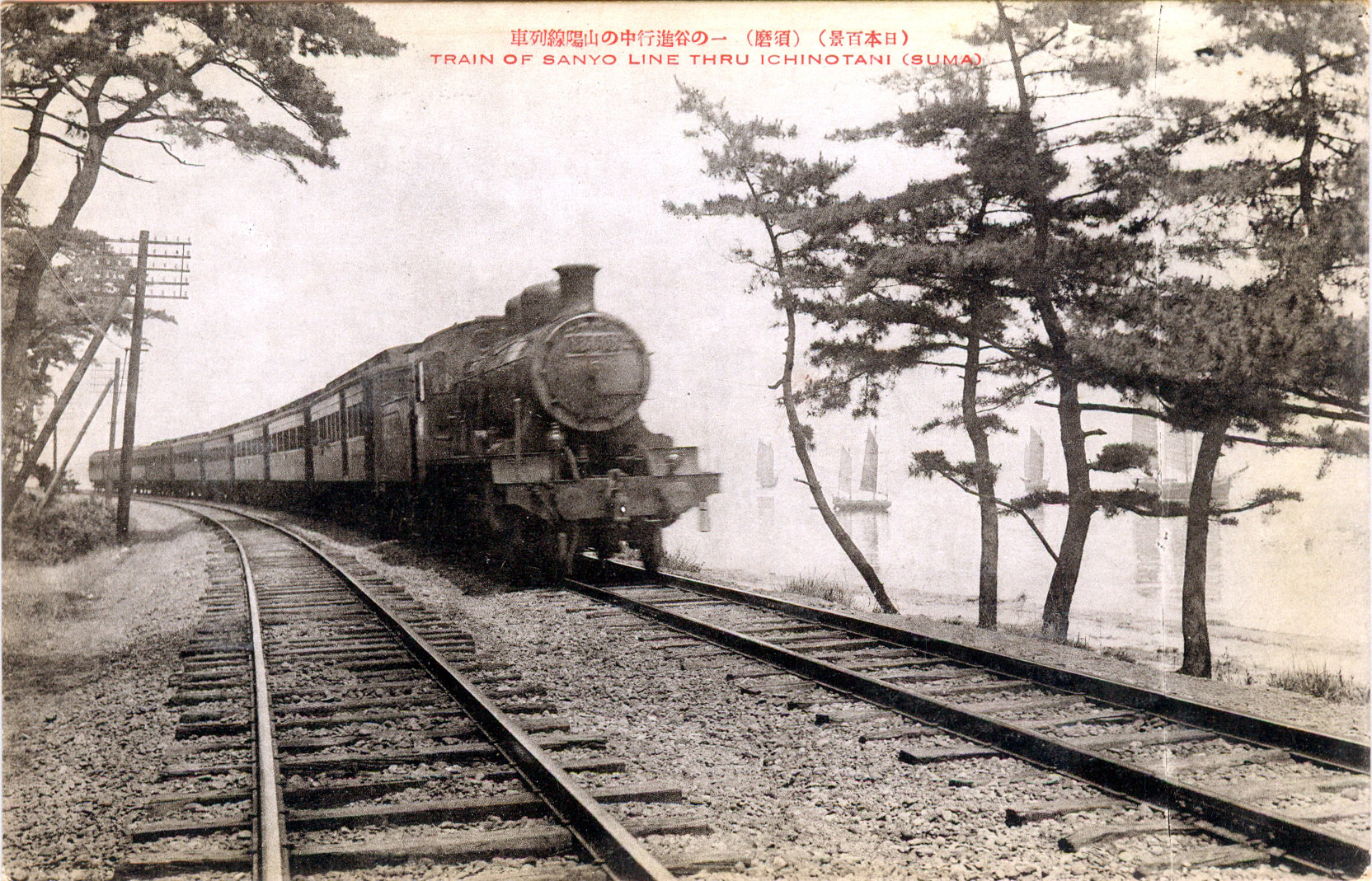
21. The following personal experience illustrates the Japanese railway manners of the day. A party of officers and their families were returning to Kyoto from Nara. At a way station several well-dressed Japanese youths entered the train. It was Sunday; it was also cherry blossom time, and the young men were under the influence of saki. The moment they saw the uniform they began singing “Sherman’s March through Georgia,’ in Japanese, which was followed by loud laughing, gestures and remarks to the amusement of the other passengers. One of the men even went so far as to shake his cigarette ashes on the dress of one of the ladies.
22. The Anglo-Japanese Alliance is unpopular with the English out here. They say that the people at home do not understand the Japanese and have an unwarranted friendliness for them; that at first in 1902, when Russia loomed large on the horizon, there was some reason for the Treaty, but now, in view of the improved and strengthened relations with America, and our identical interests in the Far East, the Treaty is unnecessary. The Editor of the London Daily News, in discussing the Treaty says that Japan has torn it into tatters by violating its provisions – to maintain peace in China; to keep the “open door”; to preserve the independence and integrity of China; to protect the common interests of all the Powers in China; and to defend the special interests of the contracting parties. He adds that she has made waste paper of the Treaty.
23. Several events during the last two months give a fair idea of the Japanese attitude and throw light on the character of the officials, acting no doubt, under instructions from Tokyo. The arrest and detention in a criminal cell of a prominent British merchant of Antung without the option of bail is a case in point, and has attracted world-wide attention. Whether or not the arrest was justified, the methods employed have brought forth a torrent of fierce criticism, and the Shanghai Chamber of Commerce has formally protested to the British Consul General. The affair has served to greatly intensify the anti-Japanese feeling in China. The shooting affair in Vladivostok early in July, in which Japanese soldiers and American sailors were involved is another incident. Apologies, explanations, and regrets are usually forthcoming, but the irritation never ceases. Their latest effort is the seizure of the astronomical instruments which Germany was compelled to return to China by the terms of the Peace Treaty. Germany complied by sending them back in care of the new German Ambassador, via Japan! Japan says she will hold them until China consents to negotiate the Shantung question.
24. Japanese conduct of affairs in Peking during the so-called war of the Tuchuans during July and August is especially illuminating. It is accepted as a fact by the highest authority that the political troubles in North China, which have been brewing for years and culminated last month, were instigated and financed by the Japanese acting through the Anfu Party. In Marshal Tuan’s army, and also in “Little Hsu’s”, there were soldiers trained by Japanese officers, and I have been informed that dead bodies of Japanese officers and men were found on the battle fields near Peking.
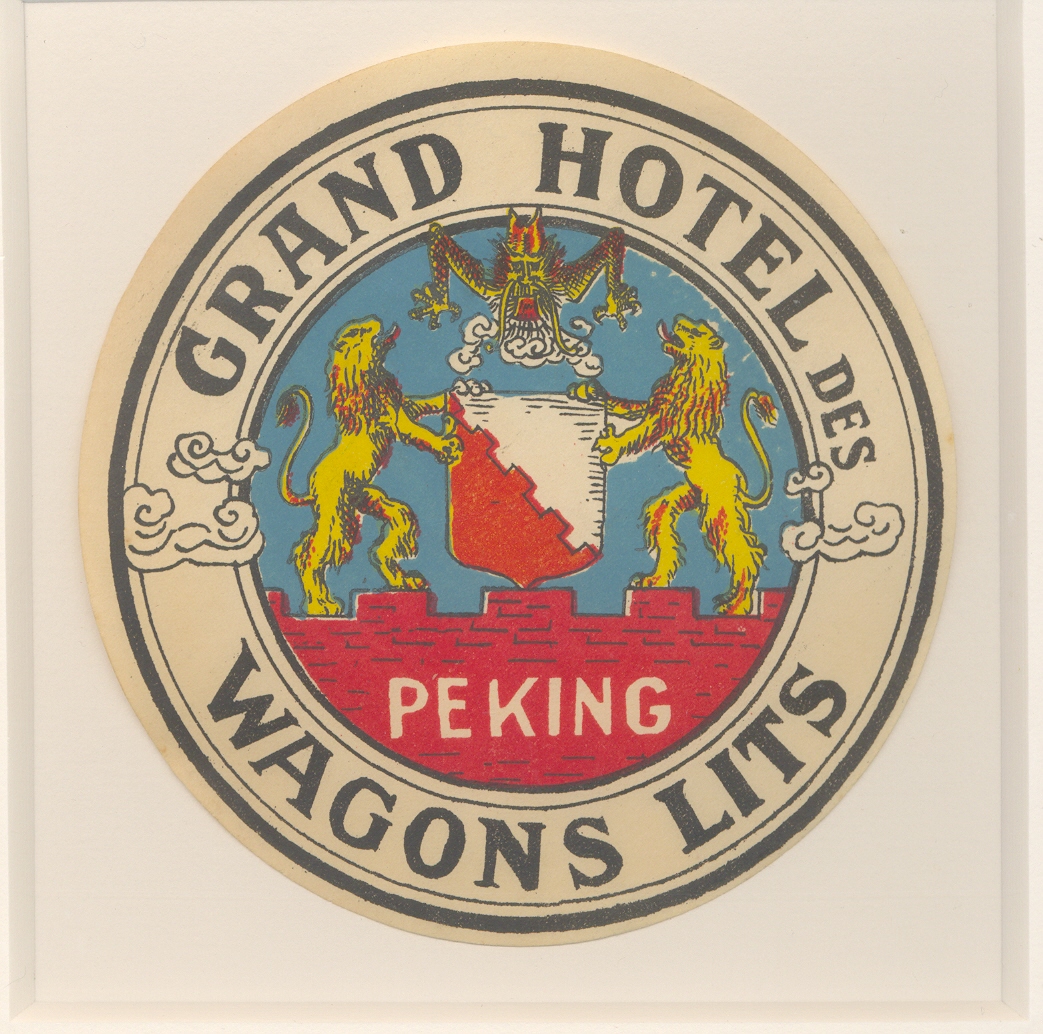
25. When General Wu-pei-fu overthrew the Anfu Party, the Japanese realized that their expectations of governing the so-called Peking Government had ended. Their representatives in Peking immediately changed front. Minister Obata pretended great surprise at the course of events, and wondered what it was all about, and why his Legation had not been informed of the trouble. A few days before hostilities began, he stated to a colleague that he had been instructed by Tokyo to caution all Japanese citizens to observe the strictest neutrality, and he pretended not to understand what it meant. When Marshal Tuan had returned to Peking after his defeat, it was rumored that “Little Hsu” had been seen at the Hotel des Wagons-Lits in company with a Japanese officer and when General Chantac-lin was asked if he knew where Hsu was, he replied at once:
“In Room #3 of the Wagons-Lits. For several weeks the whereabouts of Hsu and other Anfuite leaders were unknown. These men are regarded by the Chinese authorities as criminal offenders and a price was put on their heads. It was surmised that the Japanese were connected with their disappearance.
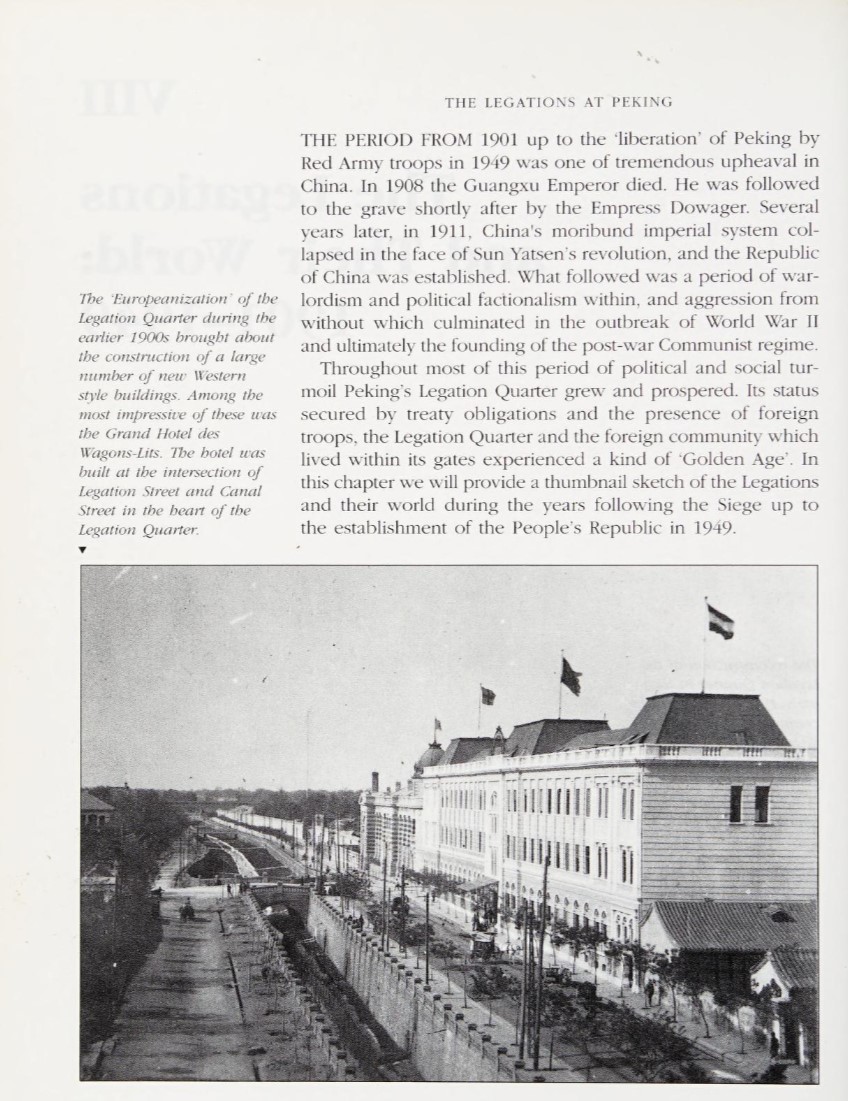
26. On August 10th, Mr. Obata in a note to the Foreign Office informed the Minister of Foreign Affairs that he “has decided to render them accommodation in the compound of the Legation Guard.” This action of the Japanese diplomatic representative has incensed the Chinese Cabinet, especially as he refuses to comply with the Chinese demand to give them up, and a portion of the foreign press are urging Mr. Obata’s recall.
27. I was recently told by an attaché that the British Ambassador to Tokyo told him that during the War about 1916, when the tide was apparently going against the Allies, that he (the Ambassador) could get no satisfaction from the Foreign Office on any subject, and one day the Minister of Foreign Affairs said to him in substance: “I don’t know but we have made a mistake in siding against Germany.” Mr. Gardiner’s observation in the London Daily News of July 10th, describes this attitude of Japanese officials – “To say that Japan was lukewarm in the War is to say the least that could be said. Her attitude throughout the War was obscure and disquieting. She was watching and waiting, and there was little attempt to conceal the large element of sympathy with Germany which prevailed in the country, and doubt whether the Government had backed the wrong horse.
28. It is Japan’s policy to keep the pot boiling, and it is her strategy to direct attention to lesser objects when she is trying to gain greater ones. What is heard now of Shantung since the Sakhalin question has been raised?
29. These comments are not submitted in a spirit of hostility to the Japanese. I have received too much kindness and attention at their hands to have any other than a feeling of friendship for them. In previous letters I have reported the unusual hospitalities which have been extended to the Commander-in-Chie by the Japanese officials during the last year. At Port Arthur a few weeks ago, Vice Admiral Matsumura showed the same cordiality and friendliness. He detailed an officer as aid and gave every facility for seeing the various objects of interest. The Governor General Yamagata, who was absent attending Parliament in Tokyo, placed at my disposal his summer villa. At Dairen the Chamber of Commerce gave a luncheon. I have been greatly impressed by their friendliness, and as stated above, I do not believe they want to fight us. It is my wish to do everything possible in my present position to promote friendly relations with those who should be our friends.
30. But I cannot close my eyes to the fact that they mean to dominate in the east, and that we shall have to accept that domination or we shall have to have recourse to arms.
31. It would be a mistake to be misled by the amiable speeches of prominent Americans who have visited Japan and seen only its attractions; who have been impressed with the courteous and courtly manners of the officials and the refinement and culture of representative citizens, and who have enjoyed the lavish hospitality of their rich hosts.
32. Unless there is a great change in our relations with Japan, when she is ready to try conclusions with us (and watchful and careful observers put the time at about one year hence) she will aggravate the United States beyond the point of tolerance, and we will be forced to deliver the ultimatum; then she will strike without further warning. Thus, she will have the advantage of engaging in a defensive war. Our ships and our armies will have to carry the war overseas. The Japanese will not come to us.
33. It seems to me that the greatest danger of war lies in the conceit and the cock-sureness of the Japanese Military party. It is impossible, of course, to know just how many of their General officers believe that Japan can defeat the United States, but a prominent Japanese has recently stated that Japan could easily take the Philippines in forty-eight hours.
34. We must be prepared.
ALBERT GLEAVES

 theleansubmariner