As the clock ticks down to the United States Navy 250th birthday, I wanted to take a few moments and reflect on what that really means.
As a young boy, I was surrounded by navy relics and memorabilia. My family had served in the navy during both world wars, and I could see the navy at work when the television stations or newspapers reported on things far from where we lived. I vaguely remember the Cuban missile crisis and Vietnam. My hobbies as a kid included building model ships and at one point, we must have had over fifty ships ranging from World War 2 battleships to more recent models of nuclear aircraft carriers, cruisers and submarines. Every time the little store down the road got a new model in, I would be the first in line to put my allowance money down. I’m sure now that the store owner probably bought them knowing I would purchase them as soon as he put them out.
Growing up in western Pennsylvania, the only actual navy I had exposure to was the navy reserve center and an occasional glimpse of recruiters. Other than the many memorials and military gravestones in the cemetery behind my house, I had not seen the actual navy at work. That changed in 1972 when my high school marching band took a trip to the Norfolk area for a festival. I don’t remember much about the festival, but I do remember coming home and meeting the man who would end up being my recruiter. After seeing all the ships in Norfolk and watching the air show that included the Blue Angels, the navy seemed like a pretty good escape route for me. I was tired of schools and certainly tired of being told what to do all the time, so visions of adventure filled my young 17-year-old head. In retrospect, I can’t say I really gave the reality of being enlisted very much thought.
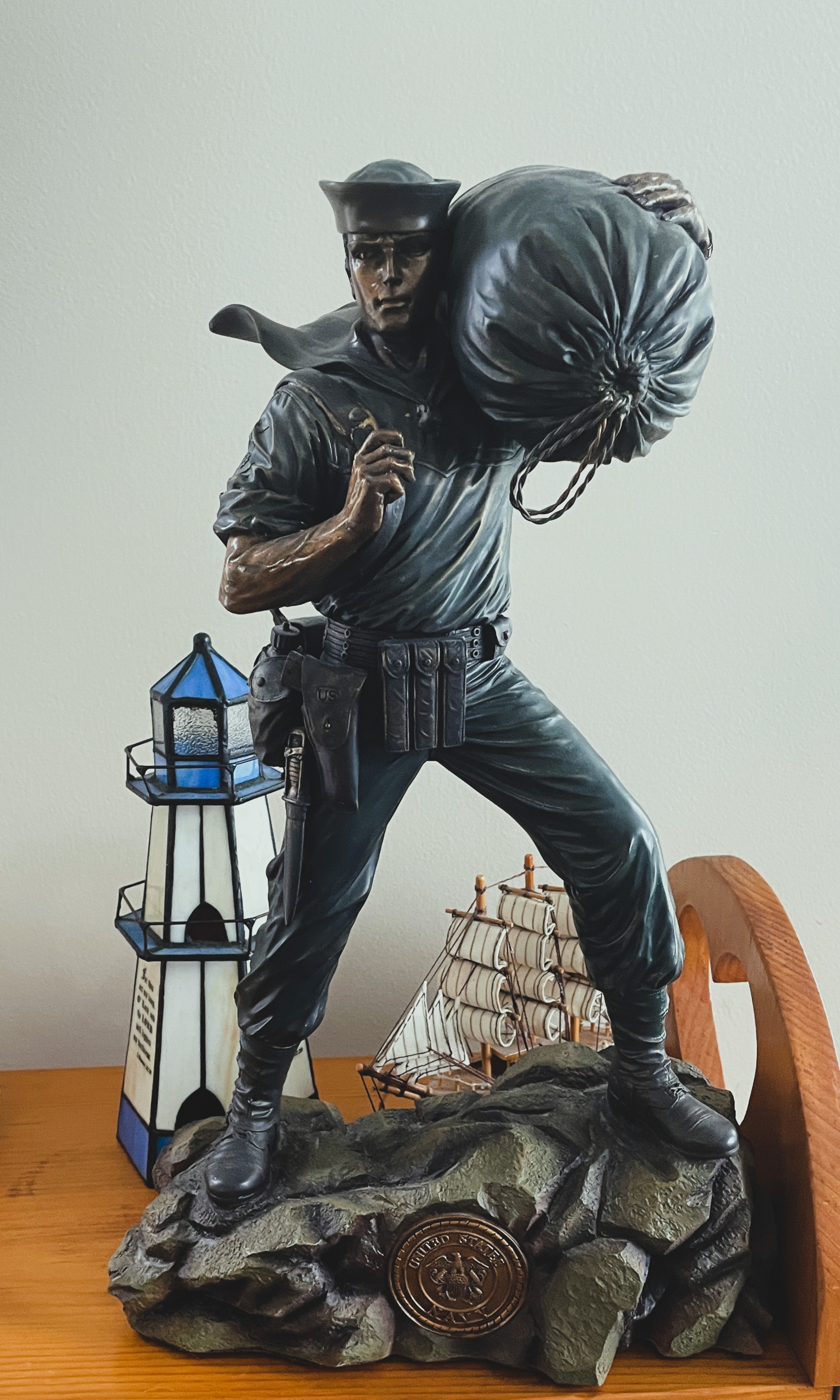
Boot camp would cure me of that.
When I wasn’t being miserable from too much marching and too many insanely restrictive new limitations, I was being exposed to naval heritage and traditions firsthand.
Between the classes and the orientation, I would discover all of the reasons the navy existed and had so since the beginning of the country. Every single thing we learned and practiced was designed to make us a stronger part of something bigger than ourselves. The navy was created in the beginning because without it, we would not enjoy freedom of the seas. While America is filled with many kinds of riches, it depends on trade with other nations and a multitude of resources. The only way to ensure a free flow of both, a navy strong enough to defend our interests was needed. That has been the same around the globe since man first became organized into the various civilization’s that have come and gone. That last point can’t be emphasized enough. The civilizations that have thrived have been for the most part, those that either have enormous bodies of land that can remain independent of needs from others, or those who have recognized the power of controlling the oceans in a way that ensures unencumbered travel and use.
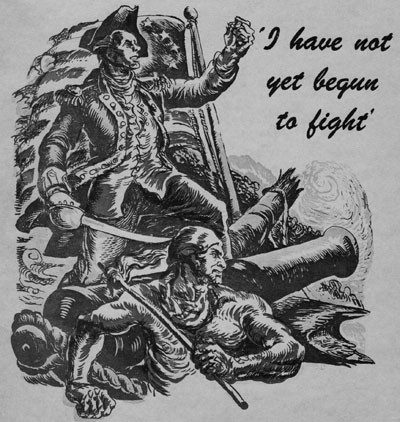
In our earliest days, we had the unintended blessing of Europe fighting amongst itself at sea and on land.
The great powers that could have interfered with our growth were distracted with centuries old conflicts that kept them from fully engaging with the fledgling United States. Our own independence was aided by those conflicts as the French provided just enough interference to upset the plans of the British to quell the rebellion. Even the War of 1812 forced the British to recognize that the bell of freedom could not be unstruck. The navy’s role was small but important. We would also fight pirates and the thieves that interfered with our commerce along the Barbary Coast. The breadth and depth of American heroism would show itself throughout that conflict as men with evil intents were put to the sword.
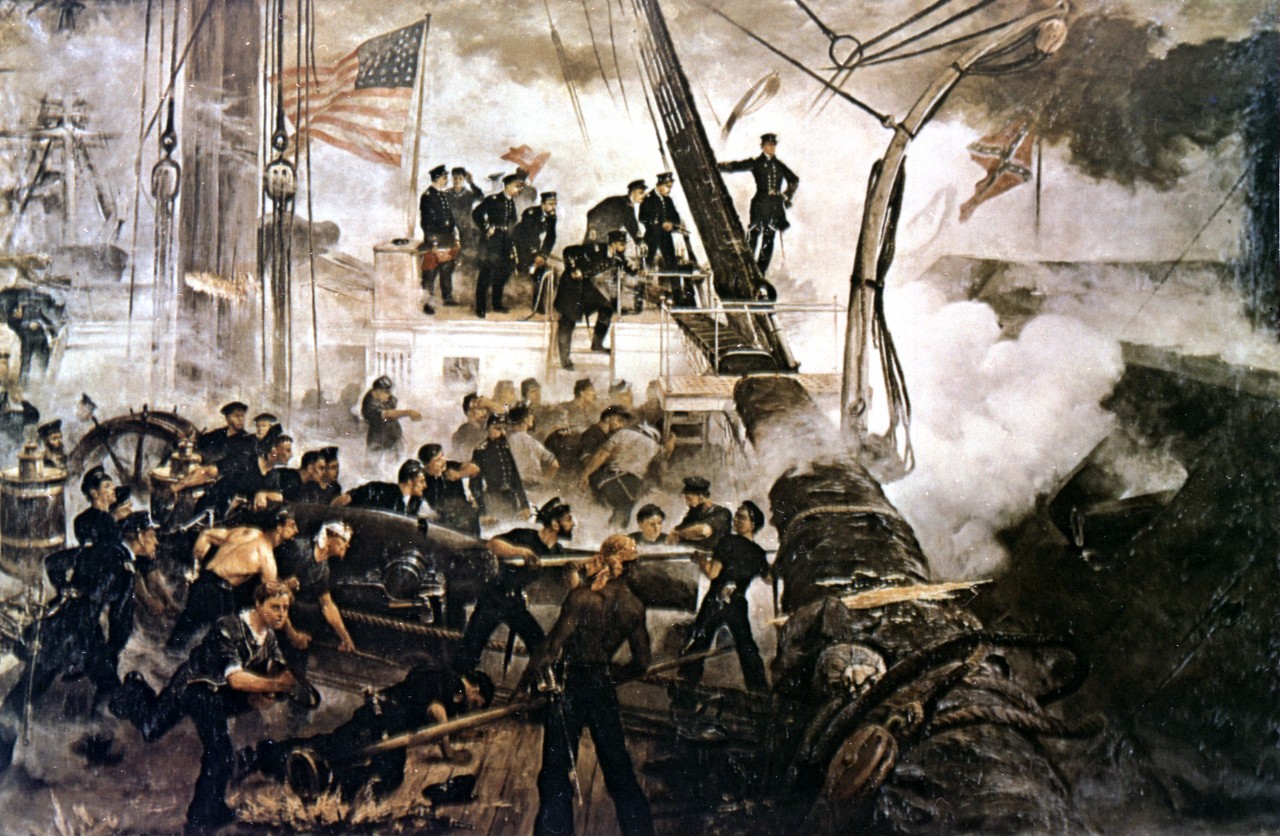
A fledgling navy
The navy would fight for existence many times in its history, but each new growing pain would see a resurgence. Not far from where I am sitting today is Fort Sumter where the rebellion took its first real swing at the idea of a perfect union. Within a short period of time, the Union navy would face a smaller Confederate navy in a struggle to stop the rebellion from being supplied. The growing fleet would restrict commerce to a large degree and eventually throttle the insurgents on all sides. Heroism on both sides was commonplace. But in the end, the industrial north produced enough weapons that overcame the imaginative south. The technology that would emerge from that war did much to prepare the navy for the coming ages. But like any birthing pains, there was still much to overcome.
The Spanish American War was another wakeup call as our navy became global. Much of the action was on our shores but for the first time since we sailed into Japan earlier in the century, our far-flung fleet had to fight in areas that it had never been before. Defeating Spain meant action in the far east and the empires around the world saw American men and ships in action where we had never been before. This would set the stage for the following two world wars where American industrialization would once more play a key role.

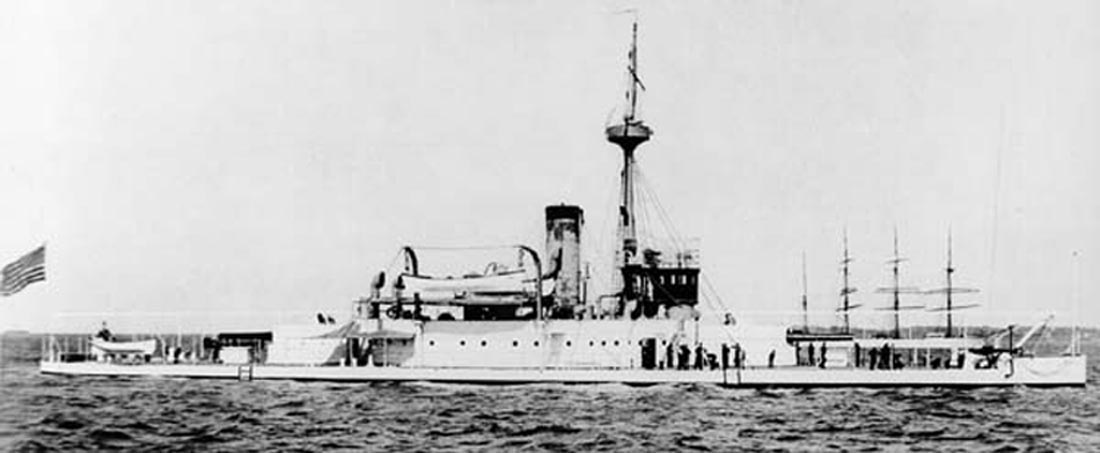
My grandfather patrolled the waters off of the east coast on a ship that had been designed and built for the civil war. The threat of invasion or attack from a German fleet was a real threat to those who lived along the coast. Submarine warfare was in its infancy but proved to be an effective weapon against the mighty British fleet. Starvation because of losses of shipping became a real threat to both sides in each war. SO, a powerful navy was needed to break the threat. New technologies were certainly a huge factor, but it was the sailors and officers that manned the ships that carried those technologies that finally broke the back of the enemy.
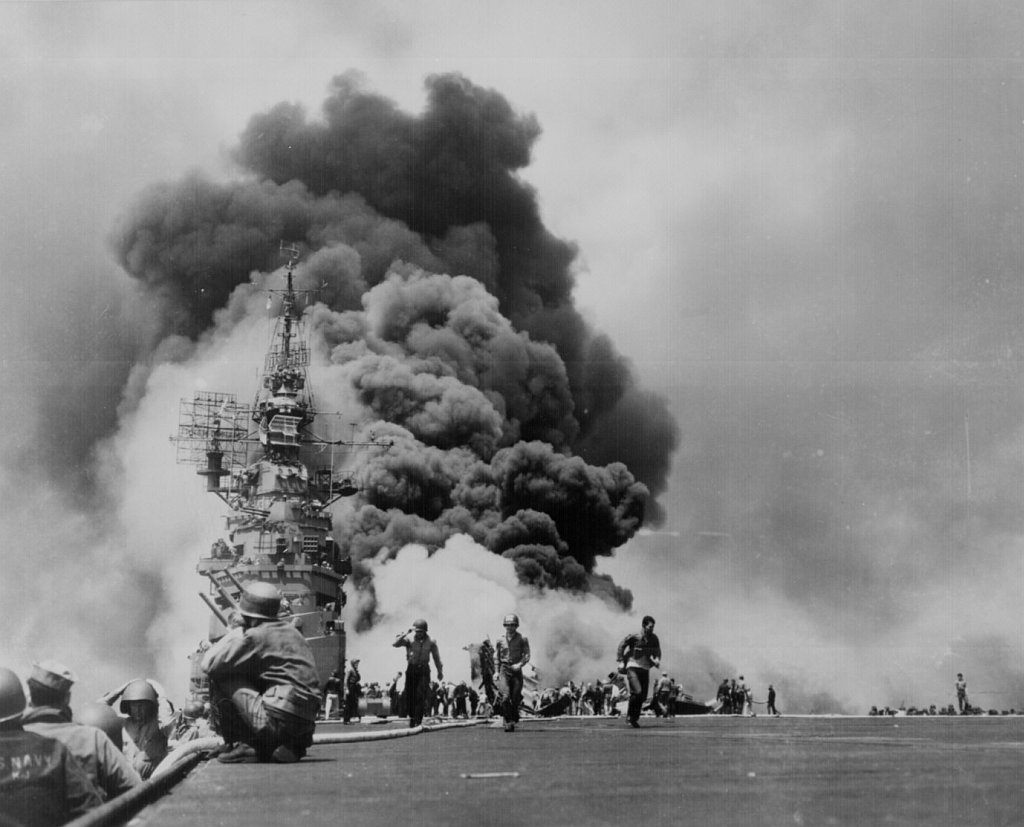
Within a generation, the world found itself at war once more and my dad answered the call. His generation saw a massive response to aggression all across the globe. Fortunately, our country still had the resources and willpower to answer that aggression with men, material, ships, planes and new technologies. We call them the Greatest Generation because they literally stopped fascism in its tracks. Can you even imagine what the world would look like if they had failed?
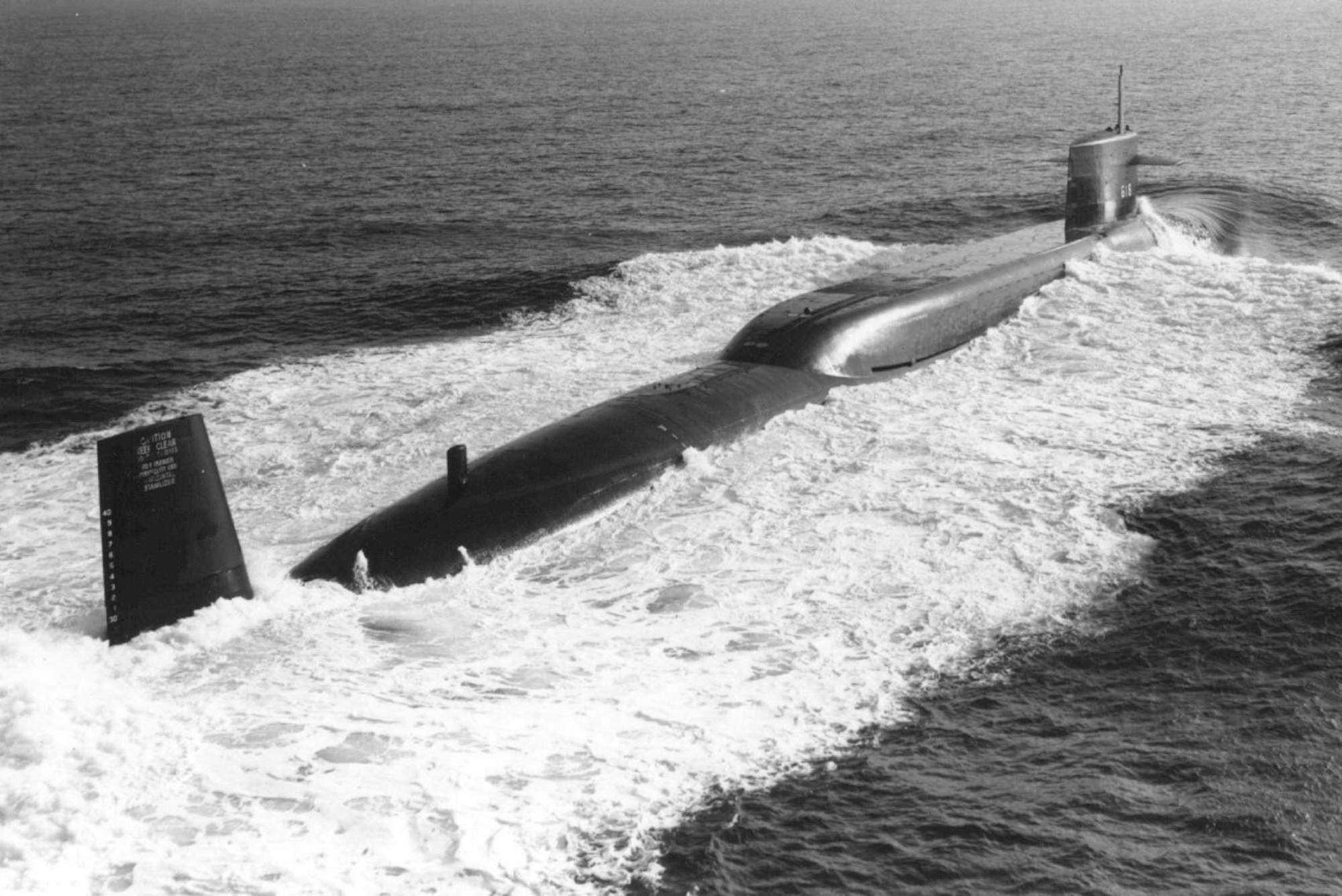
Sadly, the Cold War followed.
My generation and the ones that followed also heard the call to arms. 911 was a wakeup call that the oceans can’t protect us any longer. Truthfully, with the continuation of weapons development by many bad actors, we aren’t all that safe anyway.
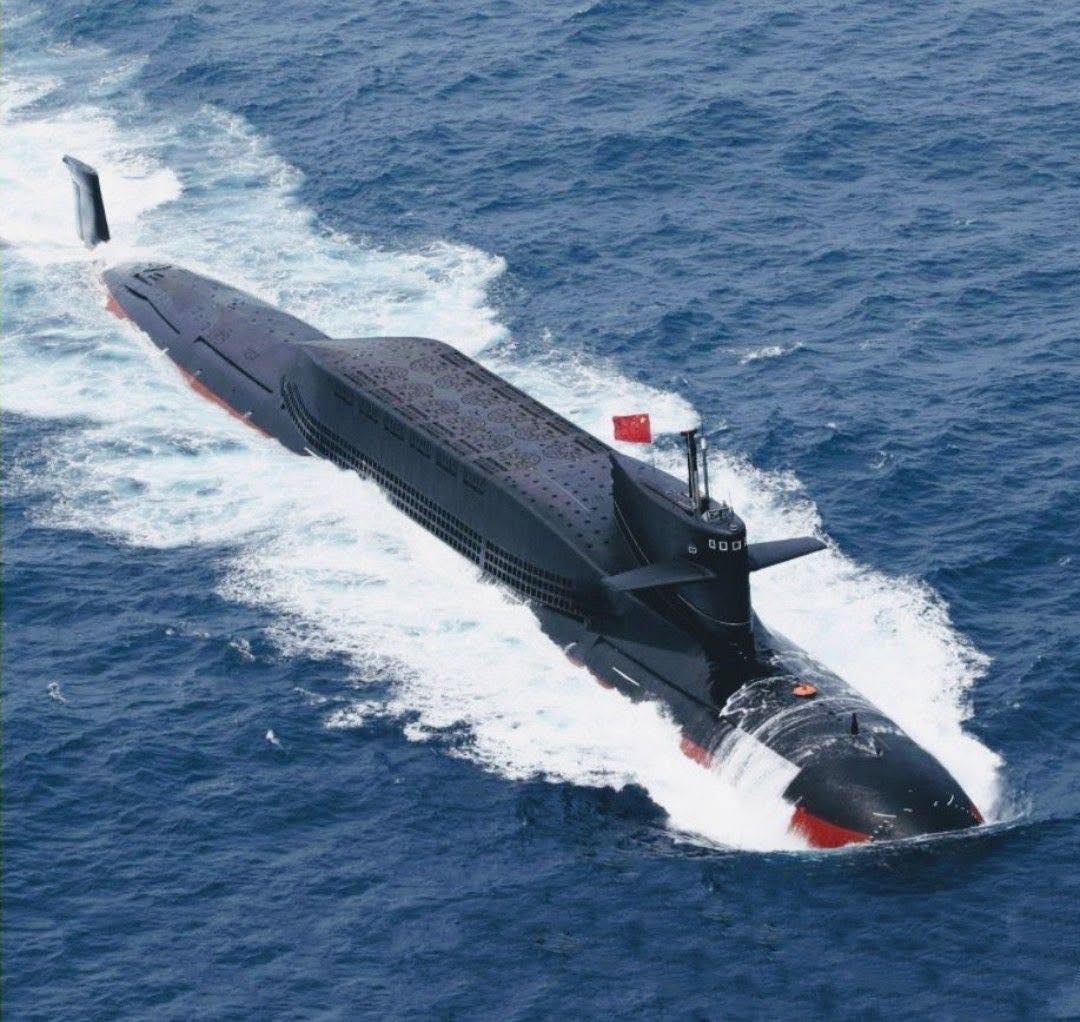
As long as there are men who do not value freedom for the people around them, I believe there will be more wars to follow. It’s hard to imagine a world where nuclear destruction is an acceptable outcome, but we have to accept that there will always be tyrants. Even the world we live in now is filled with men who have evil in their hearts. As long as they exist, we will always need a powerful navy to protect freedom.
But to have that navy, we need some important elements.
First, the will to desire freedom and the willingness to defend her.
No offense to the generation that is coming of age right now, but many of them have become blinded to what that means. Without the understanding that the United States is the last truly great hope on earth for freedom, we will be lost. No other country has stepped up to serve the less fortunate around the world when it comes to defeating tyrants than the US. In the past, our alliances played a key role, but it was our ability to be the arsenal of democracy that changed the course of events. Too many of our allies are struggling with their own internal weaknesses to be relied upon when the alarm goes off again.
American exceptionalism is now being portrayed in schools and other organizations as evil. One can only imagine where the money comes from to support this internal strife. But one can be assured that the threat is real. If you see your own country as the bad guy, why would you raise your hand to defend her?
Second, the resources to fight the next war.
The new technology and the ships we will need are expensive. More than any other time in our history, the competition between social programs and defensive expenditures is becoming a new threat. Again, the social institutions and educational institutions are slanted away from defense and towards giving people a socialist panacea. How long will it be before there are riots in the streets in support of more benefits? All you have to do is look at the mayor’s race in New York. The people who are supporting the communist who is leading the polls have no concept of how their freedom was won. The promise of free stuff paid for by some imaginary rich class is too strong for them to resist. Are you actually willing to believe any of them would step up to fight for capitalism and freedom?
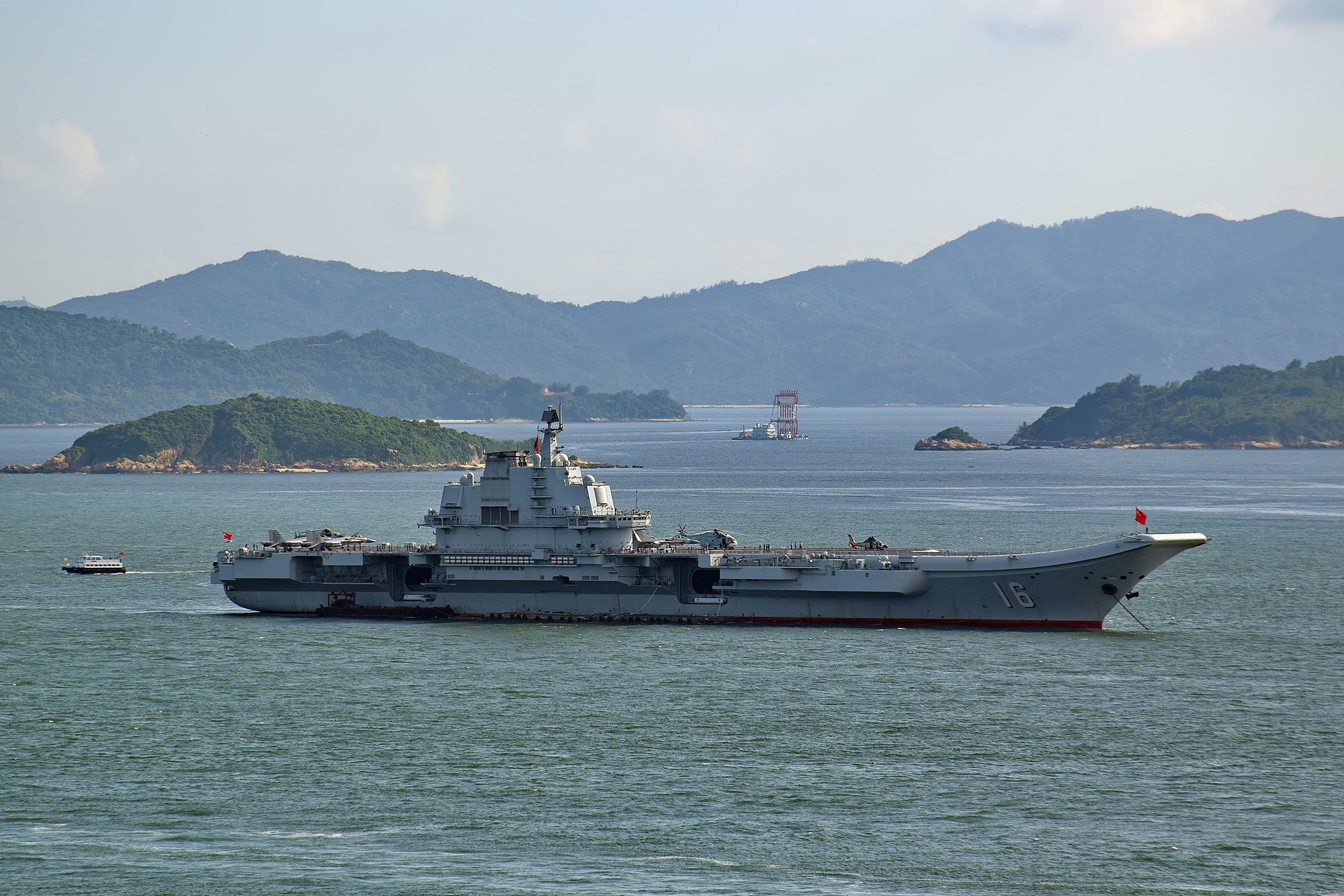
I am grateful for the history and tradition that I grew up with and still celebrate today.
But without a major sea change, I am sad to think we may not withstand the attack from within.
We pray daily for the United States and all those that have raised their hands to defend her.
I am grateful for the sacrifices made by so many men and women that wore the uniform of the navy as we defended the country against all enemies both foreign and domestic.
Happy birthday to the greatest navy the world has ever known.
Semper Fortus
Mister Mac

 theleansubmariner
Remember the Disneyland “Hall of Presidents” speech by the animatronic Lincoln? :
“This government must be preserved in spite of the acts of any man or set of men. Nowhere in the world is presented a government of so much liberty and equality. To the humblest and poorest among us are held the highest privileges and positions.
What constitutes the bulwark of our liberty and independence? It is not the frowning battlements, or bristling seacoast, our army and navy. These are not our reliance against tyranny. Our reliance is in the love of liberty which God has planted in us. Our defense is in the spirit which prizes liberty as the heritage of all men, in all lands everywhere. Destroy this spirit and you have planted the seeds of despotism at your own doors. At what point shall we expect the approach of danger? By what means shall we fortify against it? Shall we expect some transatlantic giant to step the ocean and crush us at a blow? Never. All the armies of Europe, Asia, and Africa combined could not, by force, take a drink from the Ohio or make a track on the Blue Ridge.
At what point then is the approach of danger to be expected? I answer, if it ever reach us, it must spring up among us. It cannot come from abroad. If destruction be our lot, we ourselves, must be its author and its finisher. As a nation of free men, we must live through all time . . . or die by suicide. Surely God would not have created such a being as man, with an ability to grasp the infinite to exist only for a day.
No . . . No . . . Man was made for immortality.”
ICFTBMT1(SS) Maxey, USN (retired)
AGREE WITH EVERYTHING YOU SAID. I CAME FROM A FAMILEY THAT HAD NO ONE IN THE NAVY, DID NOT KNOW ANYONE IN THE NAVY. JOINED THE NAVY TO GET AWAY FROM A HUM DRUM LIFE IN MICHIGAN. JOINED THE SUBMARINE FORCE FOR THE ADVENTURE. RETIRED QMC(SS) IN 1977. JERRY EMERSON. NORTH CAROLINA.