Seventy years doesn’t seem like such a long time ago now.
Looking back over my life, I would have to say that I am amazed at how quickly those years have come and gone. Well not quite. I don’t actually turn seventy until May 20th. But I am reminded often that there has never been a day in my life when the miracle of nuclear power has not been around. My uncle was in the early development of much of the navy’s nuclear development at Westinghouse. The area where I grew up in was and remains a large part of the nation’s nuclear industry. And of course, starting my own journey over fifty years ago riding nuclear submarines just added to the story.
In the beginning of 1954, rumors about what the new submarine Nautilus were already being spread. It had not been that many years before when the atom bomb had forever changed the weaponry of war. In a stunning and bright display of raw power unleashed in a single moment, mankind would struggle to fully understand what had been unleashed. The aftereffects of a radiation-tinged landscape was certainly a factor that had not necessarily been contemplated. New medical treatments would have to be developed to overcome the damage to humans and all living creatures. At least the ones who survived anyway.
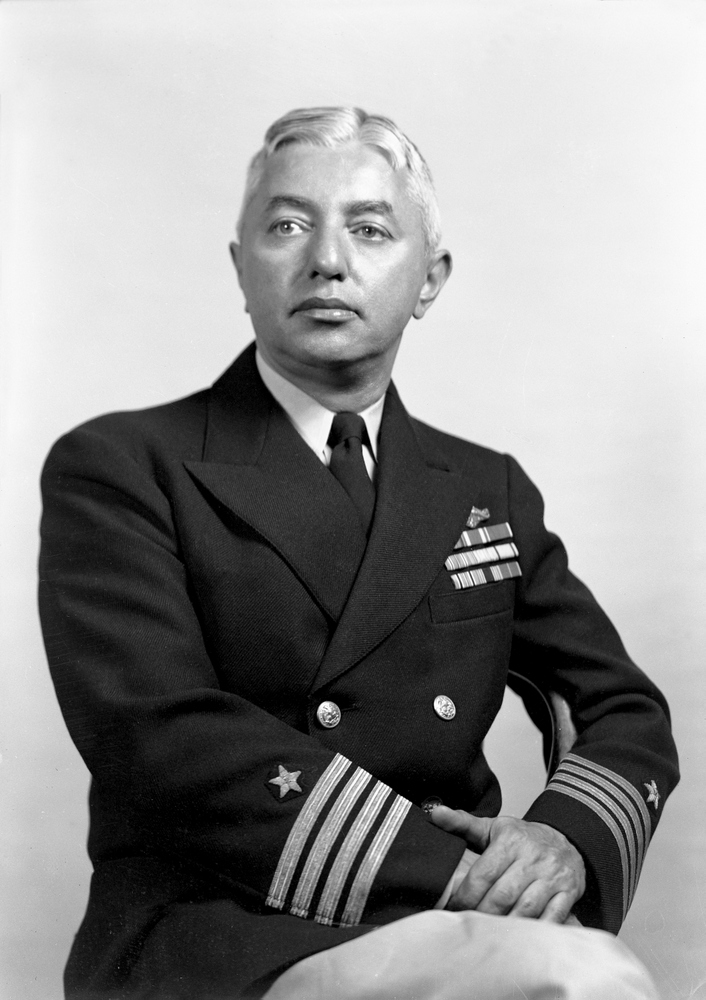
But a former Navy Captain had Shepard’d an idea all the way from an idea to a reality. He had been passed over twice for promotion and was about to be forced out of the navy. It took an act of congress to change that and force the Navy to give him the admiral’s stripe. He would outlast most of those around him and Rickover would stay at the helm for almost thirty more years.
Somehow, the stories about Nautilus had leaked out into the press. From this article in January 1954, the stories were not very accurate. And the misinformation was having a negative effect in the highest levels of the government.
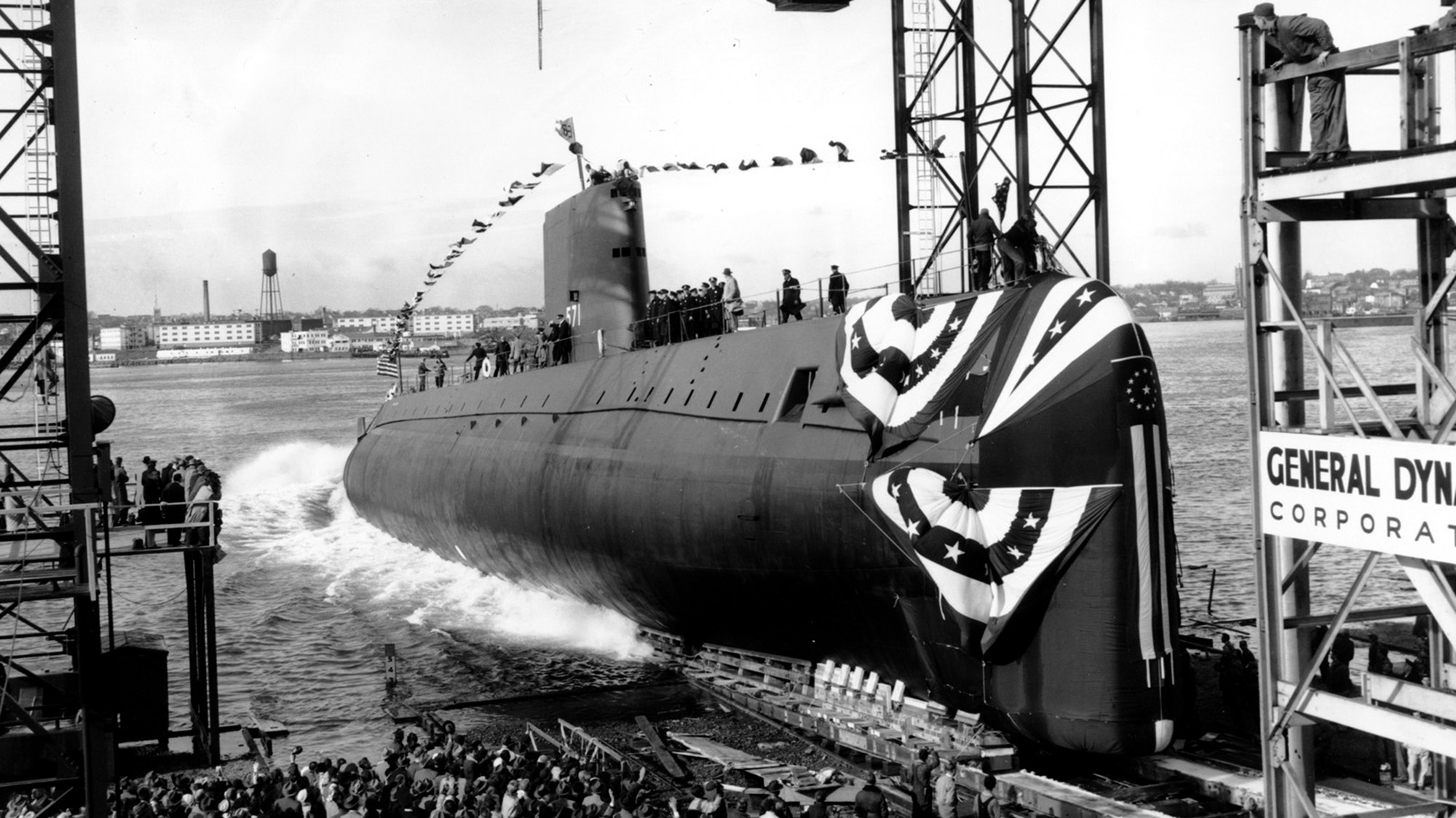
THE EVENING STAR, Washington, D. C. January 4, 1954
Stories Doubting Atomic Sub’s War Value Rile High Officials
News stories questioning the combat capabilities of the Nation’s first atomic submarine, the U.S. S. Nautilus, have stirred the wrath of high Government officials, it was learned today.
An angry Secretary of Defense Wilson, called together his Undersecretary. Roger Kyes, his assistant for Atomic Energy, Robert LeBaron, Undersecretary of the Navy Gates and ranking Naval officers on Monday afternoon, in an effort to find out what inspired the stories attributed to “a high Navy official.”
After reading the riot act, Mr. Wilson reminded the Navy that releases of information involving atomic energy must be cleared by the Defense Department and the Atomic Energy Commission.
White House Annoyance Seen.
There were reports, too, that the White House and AEC were annoyed by the tenor of the stories which, among other things, said that the atomic submarine was not designed for battle. Mrs. Dwight D. Eisenhower is scheduled to christen the vessel when it is launched at the Groton, Conn, yards of the General Dynamics Corp. on January 21.
Apparently, the stories minimizing the fighting potential of the not yet tested Nautilus came as a reaction to statements suggesting that the new submarine would make obsolete virtually all the warships of the world.
In looking behind the statements, The Star found these pertinent and clarifying facts:
- While it is true the Nautilus is being built primarily as an experimental submarine, to test atomic propulsion, she possesses an enormous fighting potential. Her amazing underwater speed will make it difficult, if not impossible, for present-day sound equipment to detect her. Her six tubes can fire the latest electronic homing torpedoes. She will be able to dive deeper than any other submarine, and. of course, remain submerged for much longer periods. With minor alterations she could launch guided missiles.
Not Seen as Standard.
- The Navy does not envision the Nautilus or the Sea Wolf, the second nuclear sub now also under construction at Electric Boats Groton yards, as its standard atomic submarine. Neither is considered a prototype. Each will carry a single reactor. In the event of a mechanical failure in the reactor, the vessel would lose its primary power source. Accordingly, the goal is a smaller submarine—perhaps with 1,000 tons less displacement – equipped with twin reactors for greater dependability.
- The Nautilus, which will be turbine driven with steam created by nuclear power, will operate with less noise than the conventional diesel-engined submarine.
- The Nautilus will have more safety devices than any submarine ever built. There is no danger the reactor will explode. There will be a heavy shielding around the radioactive part of the reactor. A crewman will be subject to less radiation than might be picked up from wearing a wristwatch with a radium-coated dial. An elaborate radiation-monitoring system will be instated as double protection.
Fleet Assignment Delayed.
Meanwhile, it was learned that the Nautilus may not join the Atlantic fleet as a combat vessel until next year.
Under current work schedules, the submarine is expected to be operating by late June or July. After that she will be assigned for perhaps six months or more to the Atomic Energy Commission on experimental work.
When the Navy does “get Its hands on it,” the Nautilus will undergo extensive evaluation tests aimed at providing pertinent tactical data. Submarine planners want to know how fast she will dive, how accurately and rapidly she can shift from one depth to another and how fast she can climb from deepest possible position to periscope level. In addition, the sub will be run through other tests which all new-type submersibles are given.
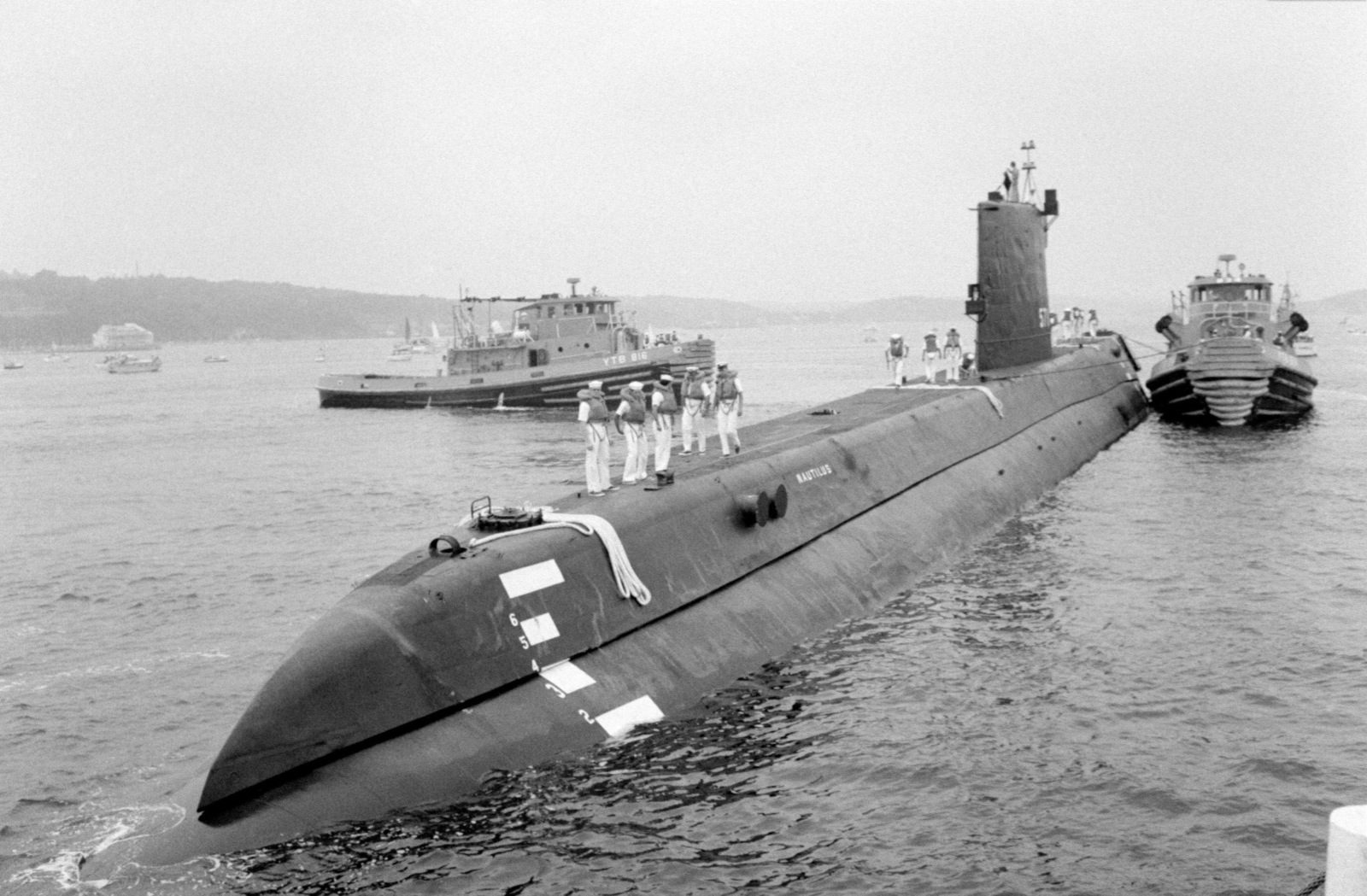
Just how the Nautilus will be employed once these tests are completed, no one will, or can, say at this time. However, the tremendous size—it is well over 3,000 tons and may be the largest submarine ever built by the United States—and its ability to sustain high underwater speed would make it ideal for anti-submarine warfare training.
*****
The Nautilus went on to write many stories over the course of her life. Submarines would continue to grow larger and larger and serve the nation in both war and peace. Reading that last paragraph about 3000 tons being the largest submarine built reminds me of how far we have come today. The speeds and depths boats operate at have also increased. Even the methods of producing the nuclear-powered propulsion have gone through many changes since those early days. From my first boat to my last, the technology took giant leaps forward. I read about the new boats and am amazed at how much more advanced they are in the technology that helps them perform their missions. I can only imagine what tomorrow will bring.
What has not changed though is the type and the character of the people who operate them. They are still all volunteers. They are still among the best trained people in the world at their craft. The addition of women at all levels was the last barrier that needed to be overcome. I attended the commissioning of a young Ensign in Pittsburgh a number of years back. Today she is the engineer on one of our newer fast attack submarines. If she chooses to, she could rise to Admiral.
A lot has changed in 70 years.
Mister Mac

 theleansubmariner
Amen, Brotrher, Amen. I qualified on a diesel boat in 1960 and later rode 5 nuke boats during my 23 years in the Navy. The difference between my first boat to the last boat was truly AMAZING! GOD Bless all those who serve in the boats today.
John “Toad” Schwerha IC1(SS) Retired.
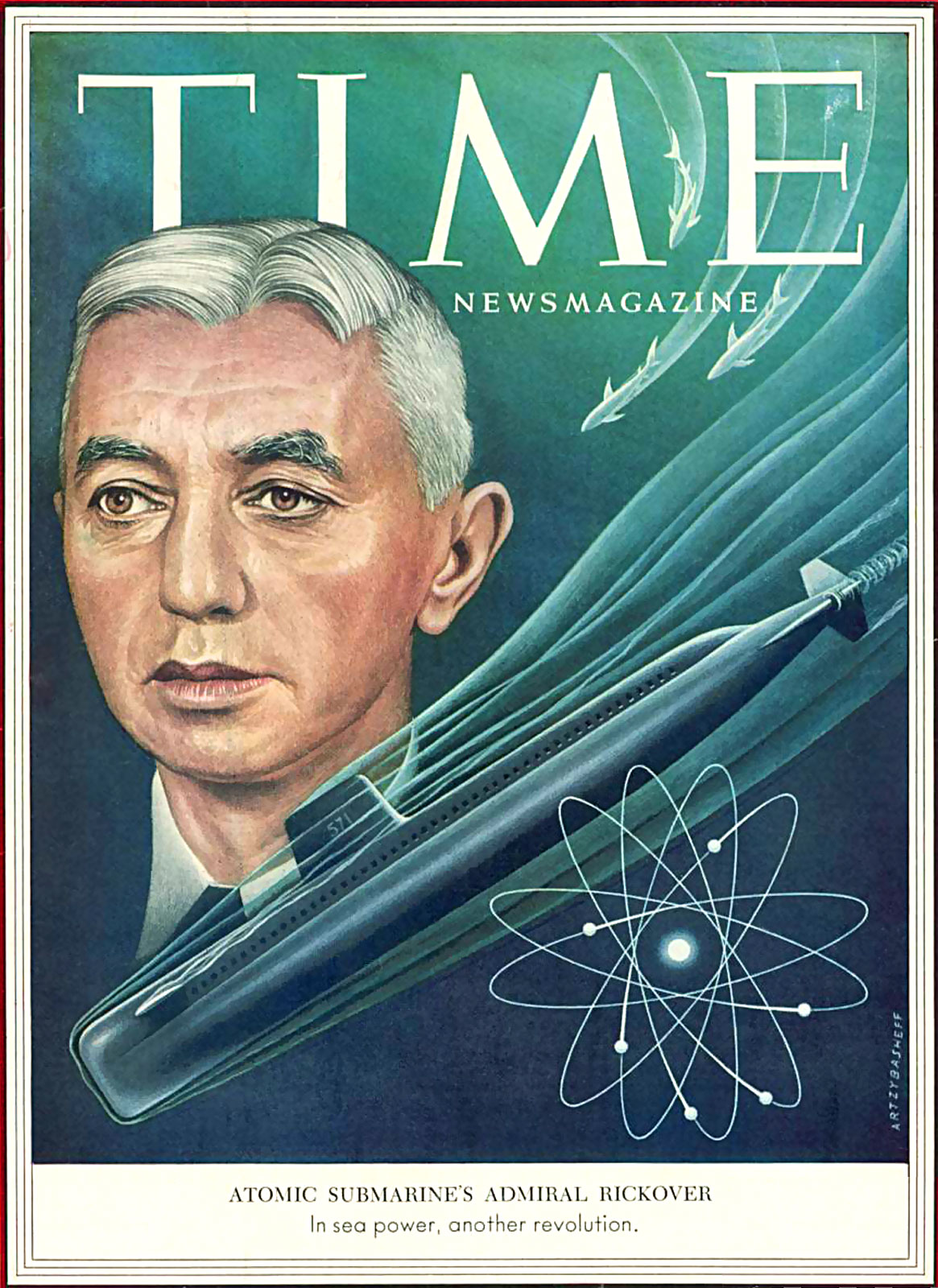
A question – what was the date of the Time Magazine? I remember in 1954 (I was only 11 at the time) some cereals had a small plastic toy in them that was a submarine called the Nautilus and it would dive and surface in a bowl of water. You inserted a small amount of baking soda in the underside and when it got wet it would cause a chemical reaction (a bubble of air) and it would rise and then dive as the air escaped. Little did I realize at the time that in 8 years I would be qualified in submarines and headed to Nuke School. Bubbleheads are the greatest and best friends you could ever ask for.
I do not know the date of the Time Magazine. Sorry. I was born in 1954 so also don’t know about the toy. What a cool thing though
Mac