In the beginning… I was born in 1954 in the Mon Valley area. That area is where the Monongahela River winds through the of western Pennsylvania.
The area was famous for the many steel mills and coal mines and the air growing up was always smokey and had distinct odors depending on which way the wind was blowing. One facility which was not known for any smoke or smell was an old airport that had been converted into a factory that made components for the Navy. Bettis Atomic Plant was operated by Westinghouse when I grew up and had large, barbed wire fences all the way around it. There were many people employed there but none of them would really talk much about what they did. Including my Uncle Jack who was a long-term employee of Westinghouse and never mentioned that he was an important part of creating the equipment which would end up being placed in the USS Nautilus.
The sail from my third submarine sits outside the administrative building of the facility now. Many advances in technology have occurred since the day I served on submarines. But they all started with this submarine, the Nautilus. I wonder how many cumulative millions of miles submarines have traveled below the surface since e Nautilus first sailed. I read a statistic from 1974 when Rickover was testifying before congress that stated over 25 million miles had been traveled. That was over fifty-two years ago so I can only imagine how many miles we have logged now.
On this anniversary day, I think it’s worth it for us to take a moment and remember the boat that started the journey.
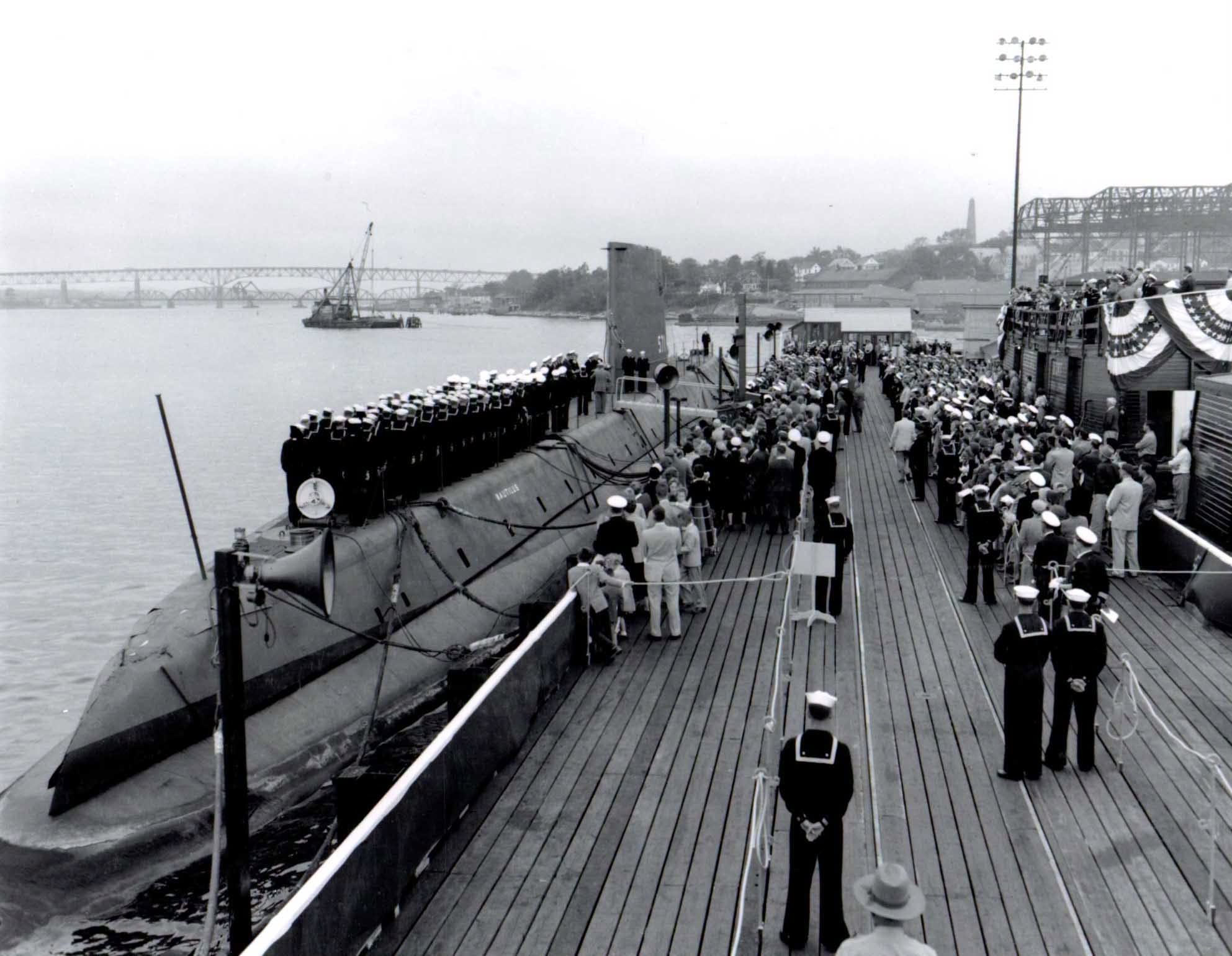
USS Nautilus (SSN-571) was the world’s first nuclear-powered submarine and the first to complete a submerged transit of the North Pole.
Overview and Construction
USS Nautilus (SSN-571) was authorized by Congress in 1951 and constructed at the Electric Boat Division of General Dynamics in Groton, Connecticut. Her keel was laid on June 14, 1952, and she was launched on January 21, 1954, with Mamie Eisenhower, wife of President Dwight D. Eisenhower, sponsoring the vessel. Nautilus was commissioned on September 30, 1954, under the command of Commander Eugene P. Wilkinson, marking the beginning of the U.S. Navy’s nuclear-powered submarine program. The project was personally supervised by Captain Hyman G. Rickover, known as the “Father of the Nuclear Navy,” who oversaw the development of the nuclear propulsion system
Propulsion and Capabilities
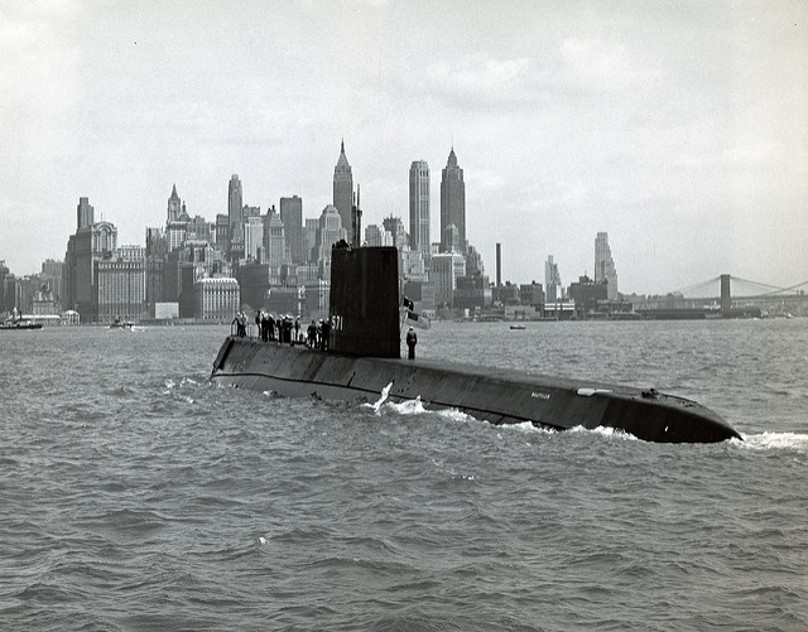
Nautilus was powered by a nuclear reactor, allowing her to remain submerged for extended periods far beyond the capabilities of diesel-electric submarines. On January 17, 1955, she became fully operational under nuclear power. During her early operations, Nautilus set records for submerged endurance and speed, including a 1,381-mile submerged cruise in 89.8 hours, the longest and fastest sustained submerged voyage at that time United States Navy. Her nuclear propulsion enabled unprecedented operational flexibility, allowing her to dive deeper, travel faster, and remain undetected for longer periods.

Operational Achievements
One of Nautilus’s most historic achievements was completing the first submerged transit of the North Pole on August 3, 1958. She also conducted extensive exercises with hunter-killer groups, torpedo firing tests, and anti-submarine warfare trials, demonstrating that traditional WWII-era anti-submarine tactics were ineffective against nuclear-powered submarines. Throughout her service, Nautilus revealed design and operational limitations that informed the development of subsequent nuclear submarines.
Decommissioning and Legacy
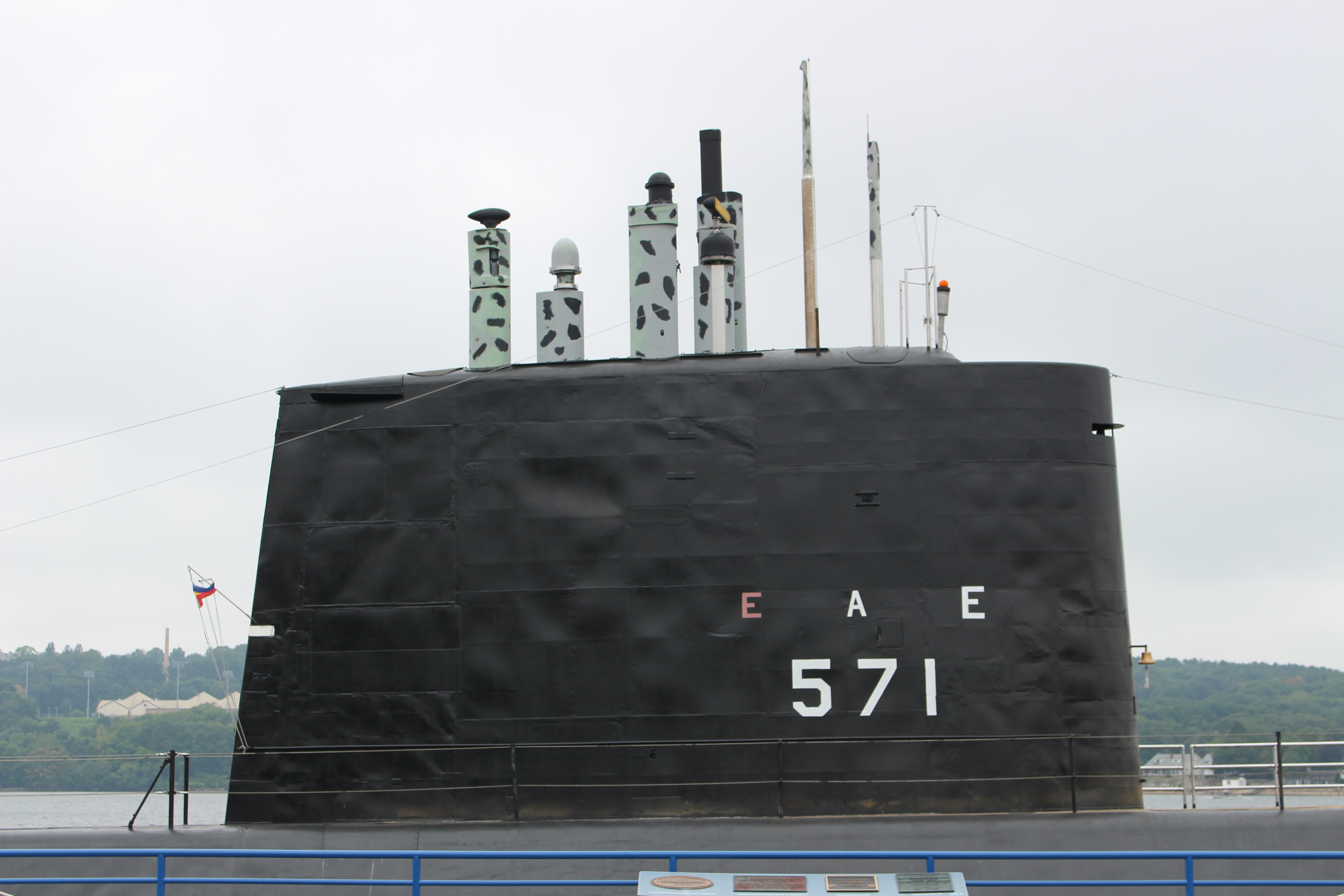
Nautilus was decommissioned on March 3, 1980, after more than 25 years of service. She was designated a National Historic Landmark in 1982 and preserved as a museum ship at the Submarine Force Library and Museum in Groton, Connecticut, where she receives approximately 250,000 visitors annually. Her pioneering design and operational history laid the foundation for modern nuclear submarines and significantly influenced naval strategy during the Cold War.
Summary
USS Nautilus (SSN-571) represents a milestone in naval engineering and military history as the first nuclear-powered submarine. Her achievements, including the North Pole transit, record-setting submerged voyages, and contributions to anti-submarine warfare research, underscore her historical and technological significance. Today, she serves as a museum and educational resource, preserving the legacy of the nuclear navy for future generations


Some time ago, my wife and I made a trip to Groton (by train) and spent about one week travelling around that area. Mystic Seaport was a must see (amazing to me how little it had changed), but quite a bit of our visit was at the Submarine Museum just outside the gate of the base there in Groton. The Grande Dame of the nuclear fleet looked much as I remember her. I was disappointed that my visiting engineering was not allowed. Still, it was good to see her and see how well she has been cared for.
Great history. I’m still upset that none of our 41 for Freedom boats were preserved. Just a few sails.