In 1942, the world was at war. There were very few places that weren’t affected by Chaos. The oceans were still the primary way that commerce traveled abroad, and those seas were filled with sharks that did their best to slow that commerce down. Those were, of course, the steel submarines that were filled with iron men.
The United States had come to accept the submarines as part of their arsenal after a slow start. But fortunately, men with vision had seen that the complexity of operating a submarine in the most challenging environment would require more than bravery. They would need men who were highly trained and able to act and think together no matter what dangers they faced.
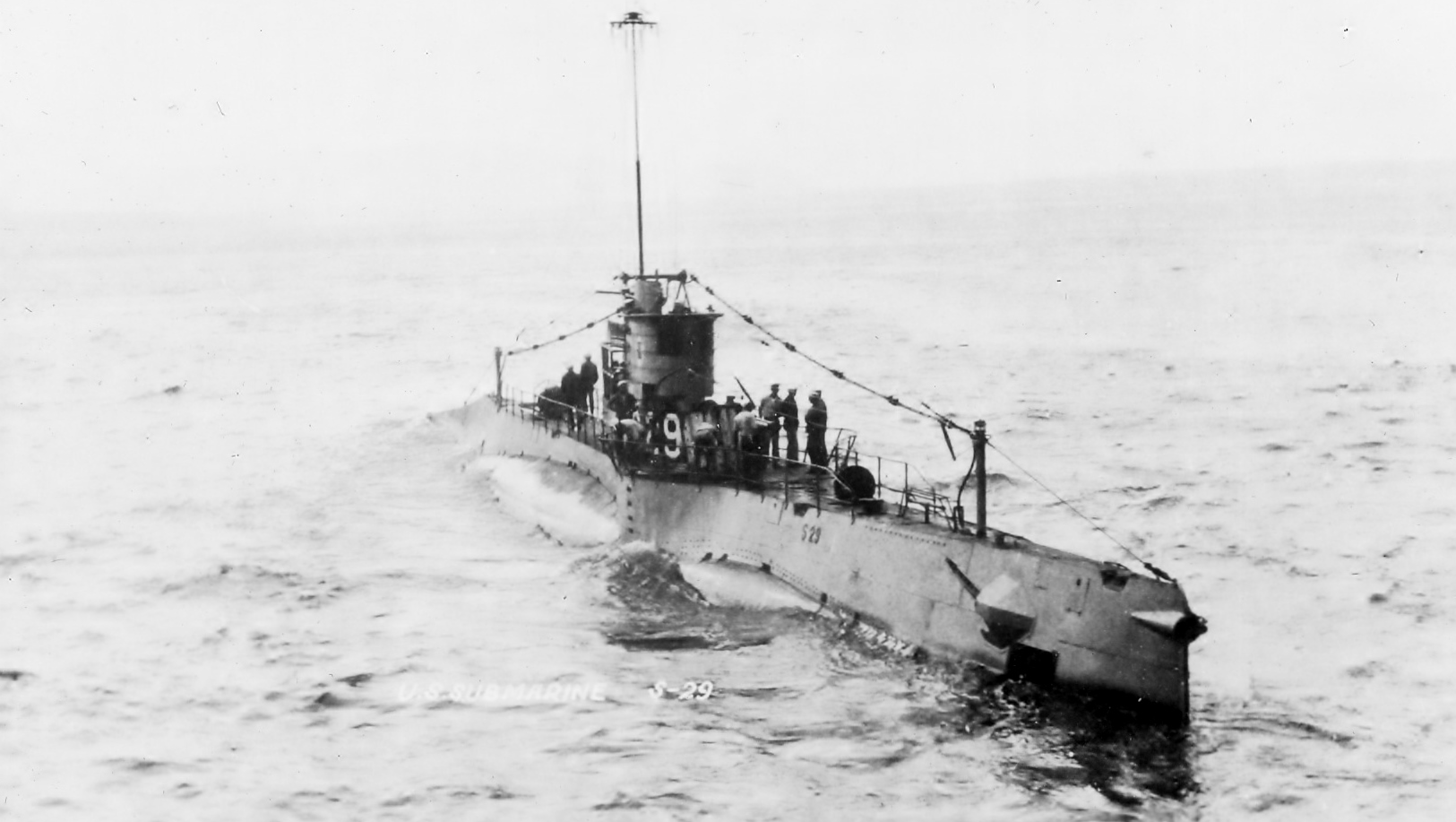
I found the book “He’s in Submarines Now” in one of my favorite online research libraries and was fascinated by the way the author captured submarine training and life. I was also interested in reading about how similar my own training experiences that occurred thirty years after the book was written. Frankly, I felt myself back in the pressure chamber and escaping up the same tower at the submarine base in New London Connecticut as I read the chapters about how men were trained in 1942.
From the book:
But courage, no matter how great, is not enough to make a good submarine man. The undersea team must be good, and to be good it must be trained thoroughly, and that is where the Submarine School comes in.
To the school come the volunteers who are gathered from the Navy ranks all over the world. They are the men who have felt the lure of submarine work, and who want to serve on pig boats more than anything else in the world. For most of them, submarine duty is not considered something temporary, or a pastime. Once they are in it, it holds them as long as they can stay. It has a fascination that never loses its power. Navy men who have grown gray in the submarines, and who are in other posts, never forget their beloved pig boats. At the mention of these craft, their eyes light up, and they remember a hundred stories of their undersea past.
Once pig boats get into a sailor’s blood, they are there to stay. He knows that there will be long weeks at sea in close quarters, that he will be hunted mercilessly by the enemy and that danger will sit at his elbow every minute he is at sea.
But submarine warfare is the sea frontier of the present. It offers thrills and excitement, and important fighting for America. It is a continual game of hide-and-seek with the enemy, a matching of skill, brains and courage. It presents a challenge to the spirit of young Americans that has never gone unanswered. It is a job for men who are tough on the inside, but outwardly quiet.
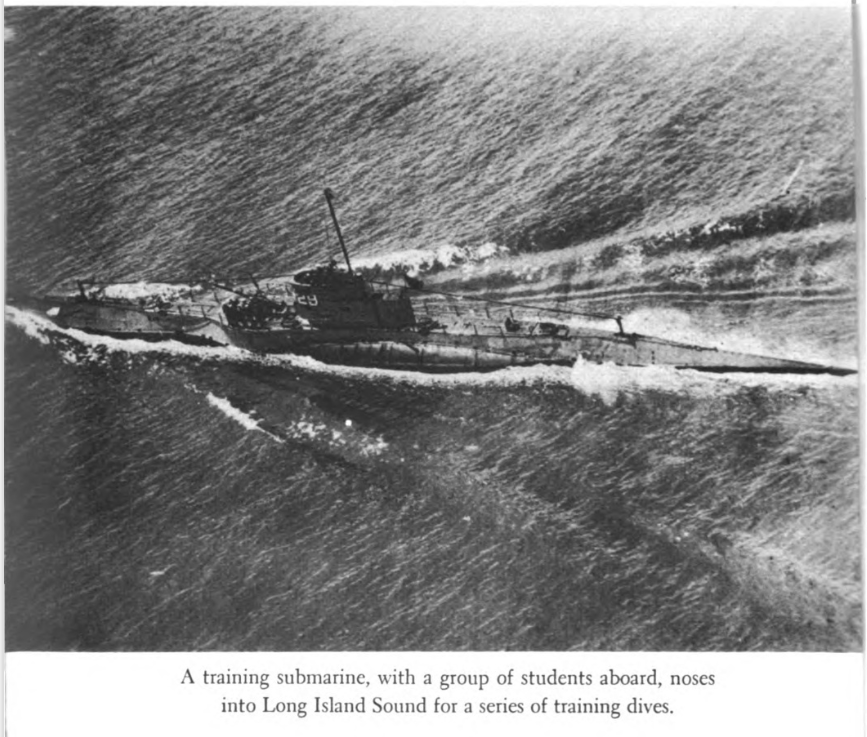
It truly does get in your blood.
I have been researching and writing stories on the blog now for over fifteen years and it still amazes me that there is no shortage of stories about the men (and now women) that operated submarines. The war years provide a lot of resources and of course my learning from the Cold War and beyond has grown immensely. But I truly enjoy when the periods align and I can feel myself in the moment and in the boats once more.
The author’s name was Henry Felsen and the publisher was a now defunct publishing company in New York. After struggling financially during the Great Depression, Felsen sold nine books and hundreds of stories in his first eighteen months of full-time freelance writing in the early 1940s. After war service with the Marine Corps, during which he edited the Corps magazine Leatherneck and also wrote magazine articles while stationed in the Pacific, he returned to Iowa where he lived for most of the rest of his life.
He’s in Submarines Now was the first published book in a long list of other stories. He dedicated the book to Kirk Stearns, a “Submarine Sailor” who must have helped him with the content of the book. A simple search did not reveal any additional information about Kirk so maybe one of my readers might have some knowledge about Kirk. Since the book was written at the early part of the war, my mind wonders if he survived or may have been serving on one of the 52 boats we lost during the war.
Chapter One – Preliminary Training
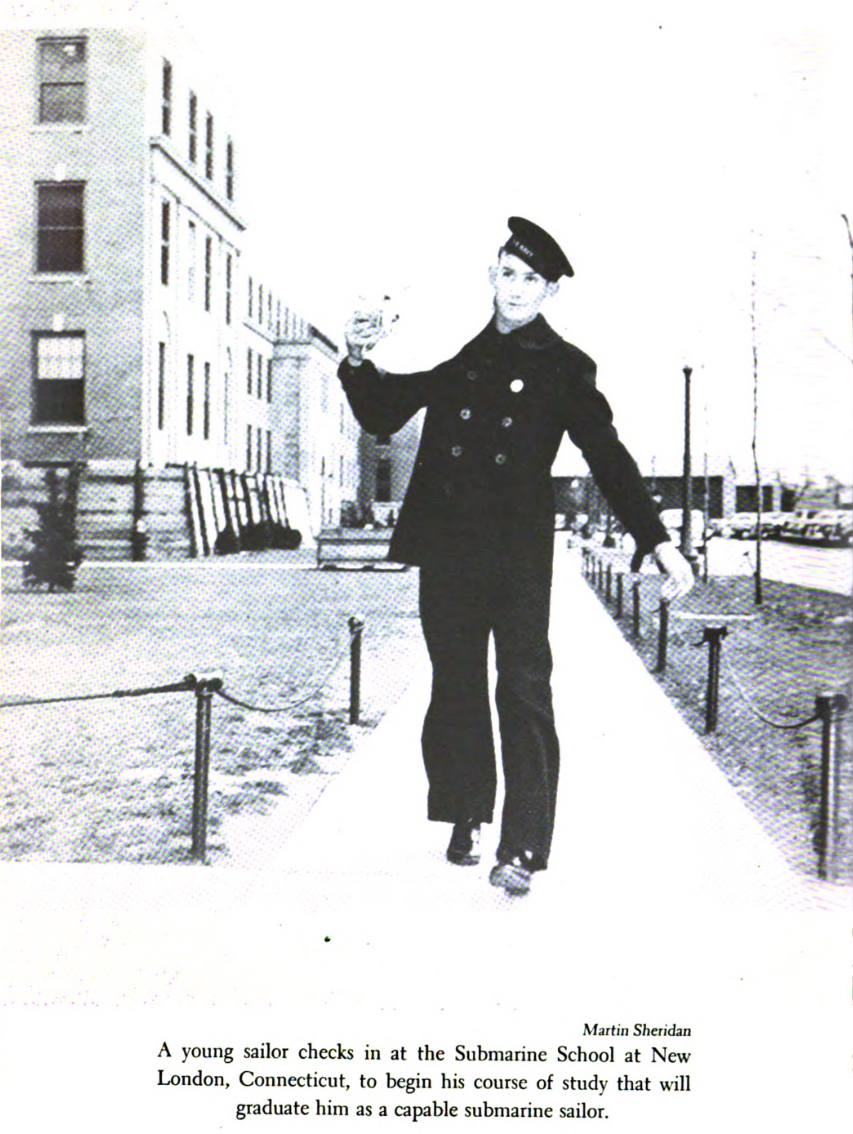
The author is a very descriptive writer. He paints a picture of the location he wants you to see in such a way that you are drawn into the story. Of course, it helps if you actually had been that young sailor once in your life. The way he describes the submarine base on a cold grey day and the long walk up the hill with a sea bag over your shoulders was stunning in its accuracy. The only thing different was the “flat hat” on the sailor pictured. By my generation, we had gone to nothing but the white dixie cup. I can only imagine the follow-on group wearing the combination cap and heaven knows what they wear now. The blue pea coat was definitely the same though as were the shiny black shoes and anxious look of uncertainty on his face.
From the book:
The first week or so that the student is at the Submarine School he does not have any classes. There are further tests to be made before it is finally decided that he is qualified even to receive instruction. First on his list are the pressure tests, the escape tower, and gas mask instruction.
There is a good reason for giving these tests first. If the student has some hidden defect that will not allow him to stand pressure, or if he cannot complete a practice escape, that must be found out before he has taken the complete course of instruction, and before he is allowed to go down in a submarine. If he cannot do these things, he’s just out as far as submarine work is concerned, and he’ll have to find some other branch of the Navy to work in. The pressure chamber and the escape tank are unknown experiences to the new students, and as such, hold vague terrors. The students who have already taken and passed these tests consider it their unofficial duty to fill the new students with blood – curdling reports of what will happen, but the new men have been in the Navy long enough to know how to take it.
It is still a day of dry throats when the first pressure tests are due. After breakfast the students report at the escape tower along the river and are ready to take what comes.
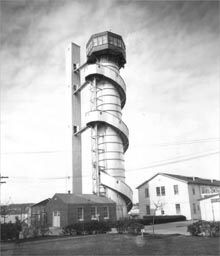
I remember that morning very well despite the many decades that have passed. We had heard many stories from the classes that were ahead of us and as the author states, the vague terrors part was real. I guess it’s a natural thing that has been passed down through the generations. Submariners have a quirky sense of humor. Its probably a defense mechanism in the face of the actual challenges we face once out on a submariner.
The book goes into detail about all of the testing and then talks about the technical training that is given to every man. That was true in my case as well. Although the boats we learned about were the 637 Class Fast Attack and the 640 Class Fleet Ballistic Missile Submarines. I would end up going to two boats that were not on the list (George Washington and Halibut). Later I would jump over both and build and ride a 688 Class Fast Attack and the USS Ohio when it was still a full-on Trident boomer.
It did not stop me from learning about the boats I ended up riding. The truth is that submarine school was where I learned to learn. The instructors put us through our paces and taught us the value of learning quickly. I never lost that skill, and it served me well through the many classes I would have over the course of my career. It also helped me when I decided to take college course and get my degree. I would never have been able to do that if I had entered college at 18. Not that any college of my day would take me. My high school grades were about as dismal as they could have been. That made graduating with honors from college really satisfying.
If you have time, I highly recommend you read the book using this link. It’s got a lot more great pictures and stories. https://babel.hathitrust.org/cgi/pt?id=uc1.b4498317&seq=1
Speaking of sharing submarine stories, I had a very nice surprise last week.
I missed this year’s national USSVI convention because of a family issue. Debbie had some surgery on her foot, and the recovery time was happening at the same time as the convention.
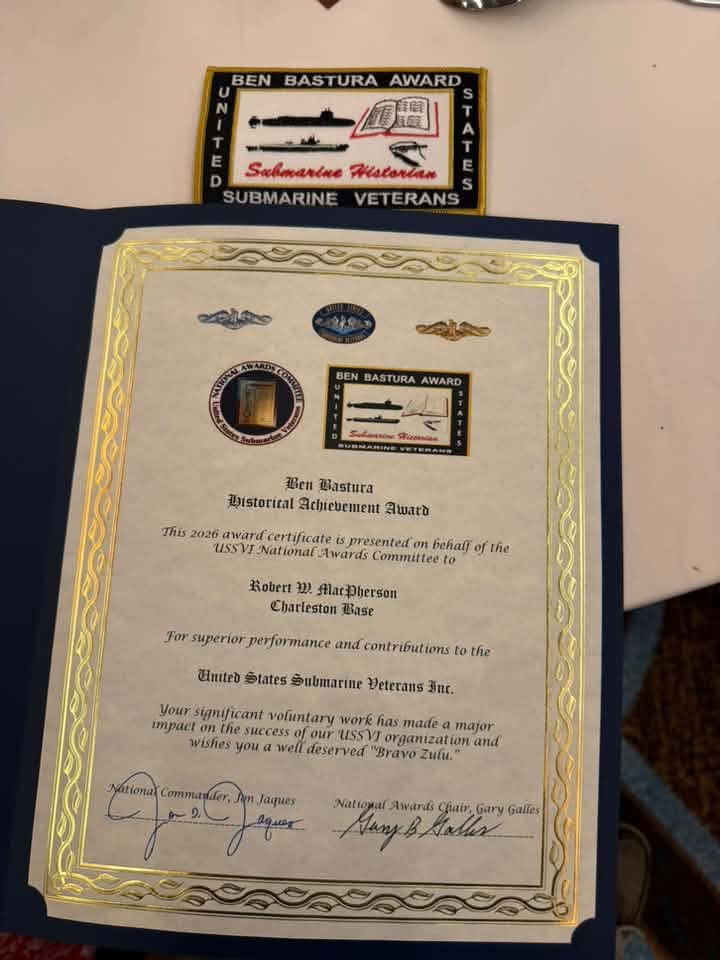
During the convention, they always give out national awards for service. I started getting texts and emails on the evening the awards were being presented, and my name was listed as one of the awardees.
The award is still making its way to me since our base commander accepted it for me and I assume will present it at the next base meeting.
The Ben Bastura Achievement Award is in recognition of the singular contributions and historical collections of nearly 50 years by an Associate Member of the Submarine Veterans of World War II. Ben Bastura, a US Army veteran collected submarine artifacts, papers, and trivia. He researched all facets of submarines and the people in them. Spending untold amounts of his own money, he made his home in Waterford, CT into a museum sharing his love of submarines. The author of History of U.S. Submarine Veterans World War II, he was a respected living reference of the Submarine Force. Ben was bestowed the title ‘Honorary Chief’ and ‘Honorary Submariner’. On March 29, 2003, he departed on Eternal Patrol from natural causes at his Submarine Force Library and Museum. Thanks to him, we have many valuable and irreplaceable submarine books, papers, plaques, and other objects located at St. Mary’s Submarine Museum in St. Mary’s, GA.
The Ben Bastura Historical Achievement Award is presented to the person who:
Demonstrated their understanding and commitment to our Creed in perpetuating the memory of submariners and submarines by, creating, or in other ways preserving a broad and encompassing discipline of gathering and preserving submarine history, its artifacts, and documents.
I’m honored to receive the award.
In the fifteen years since I started writing theleansubmariner, I’ve heard from so many people that found me on the web or had a friend refer them to the blog. The platform I use is Word Press and it allows me to keep track of how many visits the site has had. If things remain on the same glide path, I will be celebrating over a million hits from people all over the world. If you are reading this, you are one of those.
I thank you for letting me share my stories and the stories about submarines from all generations.
Mister Mac


Fascinating read and makes me want to obtain a copy for my personal collection as well as for our USSVI Coastal Carolina Base library. Bravo Zulu, shipmate.