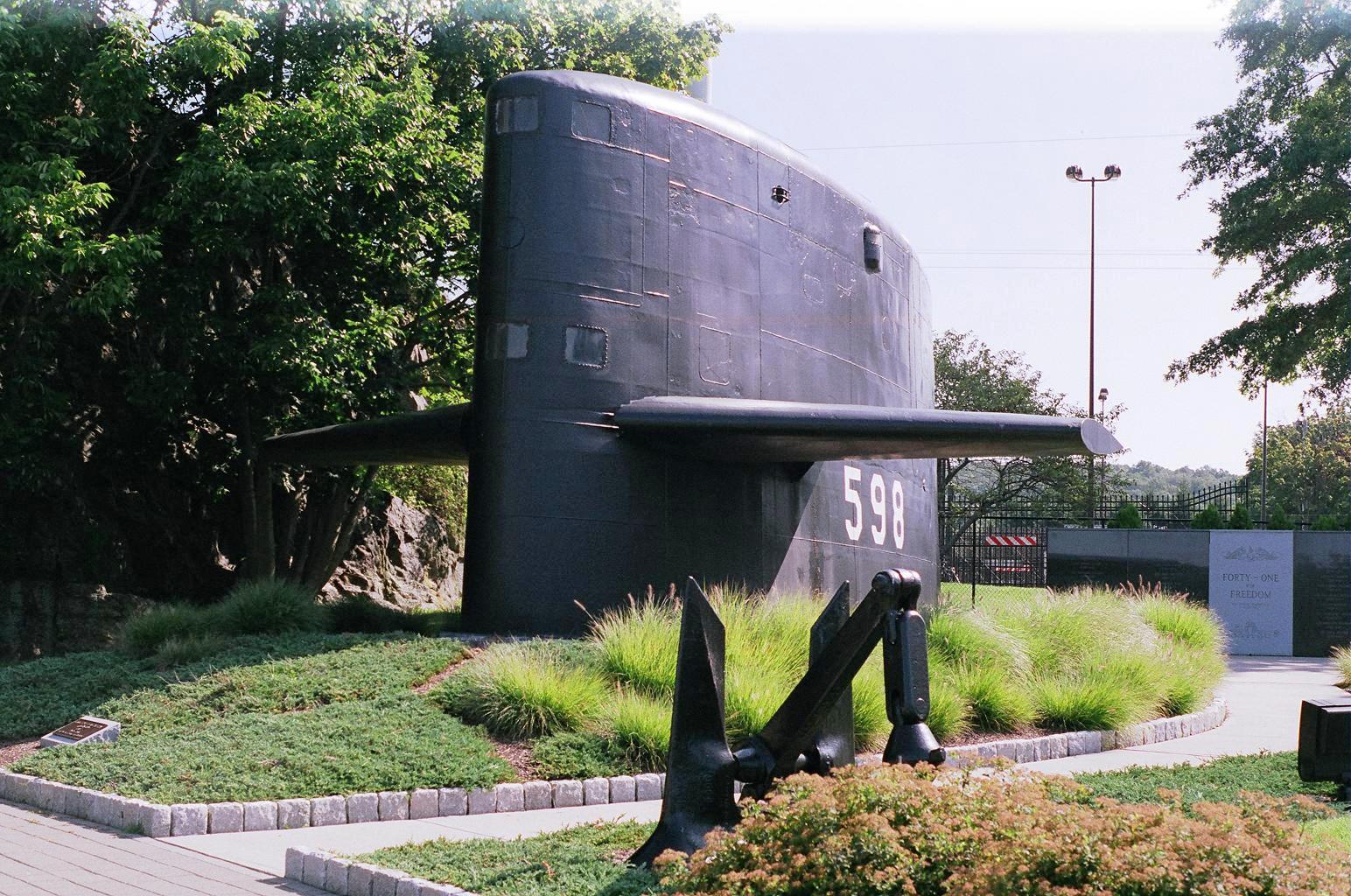
During the period from 1966 through 1968, the Cold War was producing a heightened level of activity on both sides of the global divide. The Soviets were building their submarine fleet with increased attention to both quantity and quality. The west was trying to make sure its qualitative edge would be enough to counter that buildup. But the much of the NATO forces were in a period of decline that resulted from financial and political pressures. France was disengaging their military from NATO while Great Britain was continuing to shrink in size. At one point in 1966, plans were announced that would eliminate the last five aircraft carriers that were in service by the 1970’s. The emergence of high-speed jets with extended ranges was deemed to be the preferred method of power projection.
The United States had begun the conversion of its earliest ballistic missile submarines to the Polaris A3 missile with the completion of the USS George Washington in February of 1966. Our nuclear-powered fast attacks were beginning to do port visits to Japan only to be met with organized resistance from student groups who were being used to send a clear non-nuclear attitude towards the boats. At the same time, non-nuclear protestors in Scotland were also being agitated by the same kind of organizers.
Congress decided to take stock of the current inventory of the forces available and make a serious effort to plan for the coming age. That coming age would be to create submarines that were even quieter, faster and deeper diving. The diesel powered fleet was rapidly aging and the existence of new types of anti-submarine weapons and tactics were challenging the effectiveness of the fleet.
The result was this comprehensive look at what we were doing well and what could be a risk. There were many assumptions being put forward from the Department of Defense and the accuracy of the DOD reports was sometimes questionable. What was not questionable was the appearance of Soviet Submarines in close enough range to our shores to create a threat of a nuclear attack on our mainland.
REPORT ON THE U.S. SUBMARINE PROGRAM
INTRODUCTION
The Preparedness Investigating Subcommittee undertook an investigation of the U.S. submarine program in late 1967 to determine the status of our submarine fleet, both as it exists today and as it is projected into the mid – 1970’s under presently approved programs.
Fundamental to such an inquiry is an evaluation of the present and future capabilities of the Soviet Union in this regard, inasmuch as the nature and extent of the submarine threat in large measure dictates what the United States must do in order to counter that threat successfully.
After an extensive staff investigation, the subcommittee conducted hearings during March 1968. It received valuable testimony from the following: the Office of Naval Intelligence; Vice Adm. H. G. Rickover, Director of the Division of Naval Reactors, AEC, and deputy commander for nuclear propulsion, Naval Ship Systems Command; Paul R. Ignatius, the Secretary of the Navy; Adm. Thomas H. Moorer, Chief of Naval Operations; Dr. Robert A. Frosch, Assistant Secretary of the Navy for Research and Development; and Dr. John S. Foster, Jr., Director of Defense Research and Engineering. This report provides the subcommittee’s main findings and recommendations, based on the evidence developed in the course of the investigation and hearings of the subcommittee. The requirements for and current status of our strategic submarine weapons system, i.e., the POLARIS, will be discussed in a separate report to be issued by the subcommittee.
II. THE SOVIET SUBMARINE PROGRAM
The key role of the submarine in naval warfare was convincingly demonstrated in both World War I and World War II. In more recent years, nuclear power and ballistic missiles have dramatically enhanced the capabilities of the submarine and given it a uniquely important stature in our naval force structure. Nuclear power has released the submarine from its dependence upon the earth’s atmosphere and has increased tremendously both its speed and its endurance. The ballistic missile, launched while the submarine is submerged, has made the submarine a key strategic weapons system.
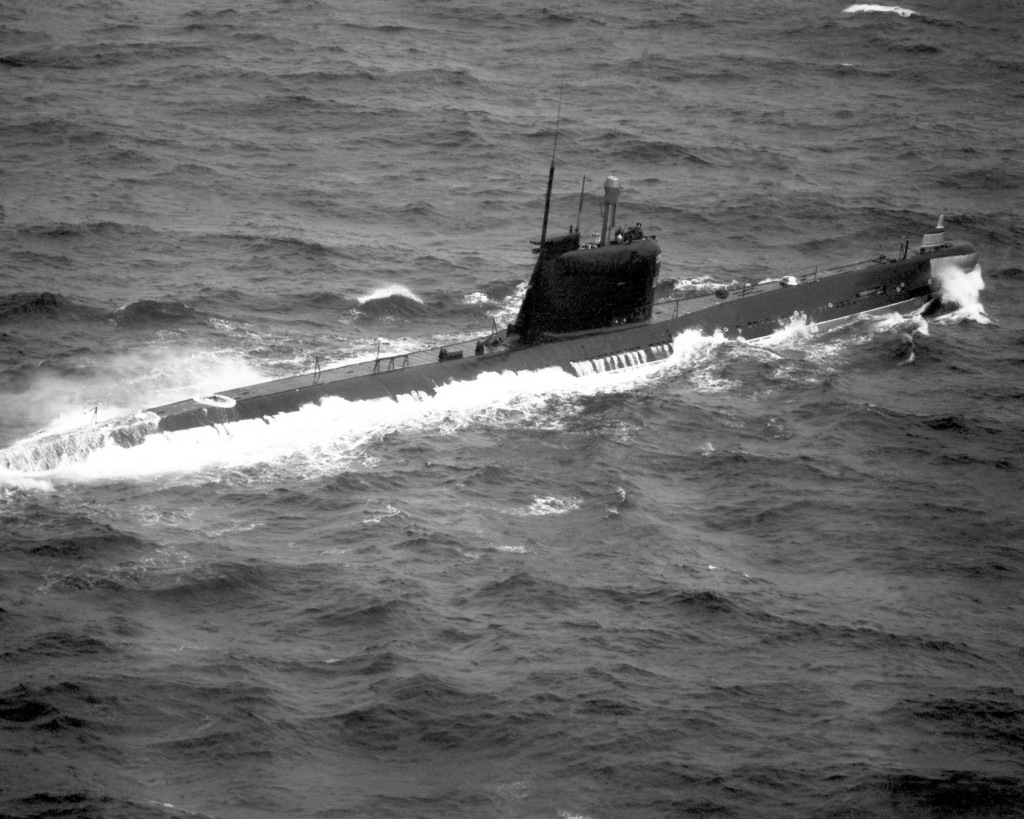
The Soviet Union has clearly demonstrated its interest in the submarine as a weapons system. The first postwar Soviet submarine design made its appearance in 1950, a relatively simple diesel sub- marine of medium range. The U.S.S.R. undertook quantity production of this and follow on classes of postwar design submarines to modernize their submarine fleet. By 1958, evidence began to appear that the Soviet Union had begun a qualitative submarine improvement program with emphasis on the more sophisticated diesels of long range and on the development of its first classes of nuclear – powered submarines. This qualitative improvement program resulted in the following types of submarines ultimately included in the present Soviet submarine fleet:
- Long – range torpedo attack submarines of both nuclear and improved diesel design capable of operating off the coasts of the United States from bases in the Soviet Union;
- Diesel and nuclear – powered cruise, missile – launching submarines of long range; and
- Long – range, ballistic missile firing submarines, both diesel and nuclear powered.
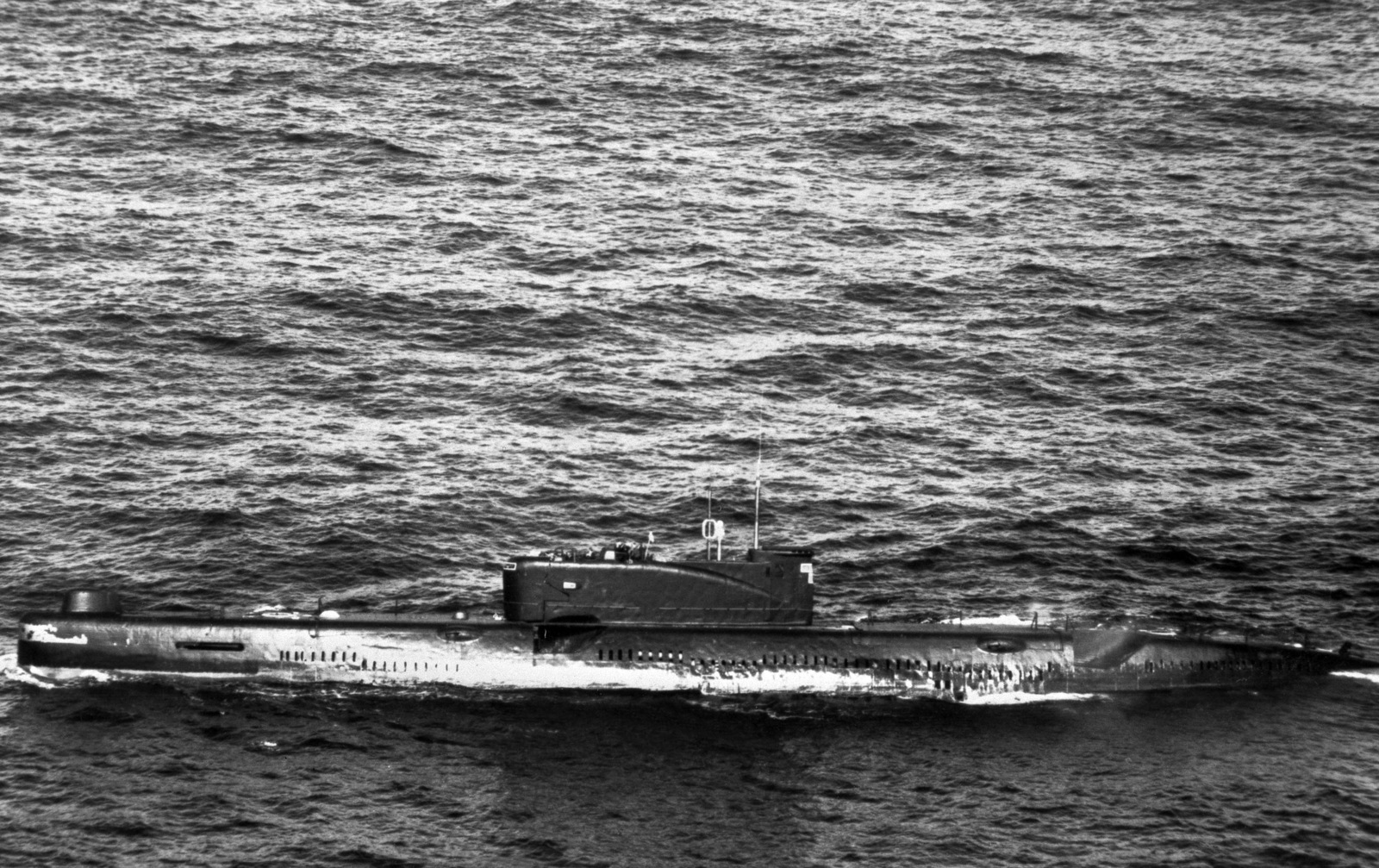
There is reason to believe that the early classes of Soviet nuclear submarines may have experienced some technical difficulties in their nuclear power plants. By the mid-1960’s, however, the technical difficulties with nuclear propulsion had apparently been overcome.
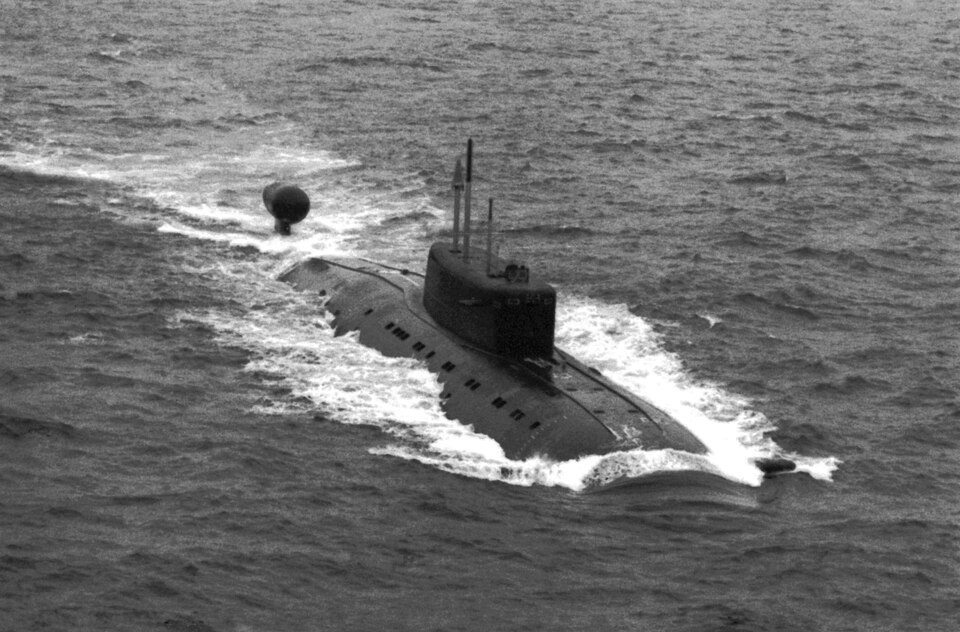
In this same time period, the Soviets began a major expansion of their submarine shipyards and repair and shore facilities, so that they now possess by far the largest and most modern shipyards in the world. Moreover, they appear to be continuing the expansion of these facilities. Admittedly the information available to the free world from the closed society of the Soviet Union is somewhat meager. But it seems abundantly clear that the Russians, as a matter of national policy, have accorded to the design, construction, and operation of their submarine fleet a priority intended to assure that it shall be second to none.
III. FACTORS THAT WARRANT NEW LOOK AT U.S. SUBMARINE PROGRAM
The subcommittee believes that there are trends both in the general Soviet strategic posture and in the specific Soviet submarine program that raise questions as to the adequacy of U.S. efforts in the submarine field. The Soviet strategic posture today reflects both a rapidly growing capacity to produce military hardware and a shift away from a strategy tied to defense of the homeland.
With its current large command economy, the U.S.S.R. no longer needs to be so selective in allocating money, materials, and manpower. Instead of concentrating on a few weapons systems, it can now afford to build a fairly complete arsenal of sophisticated weapons. Today, for example, the Soviets are producing both ICBM’s and nuclear submarines at a rapid rate.
Today, too, it is increasingly evident that the U.S.S.R. is developing a significant capability to project military power substantial distances outside Russia’s borders.
Recently the Chief of the Soviet Navy had this to say:
In the past our ships and naval aviation units have operated primarily near our coast, concerned mainly with operations and tactical coordination with ground troops. Now we must be prepared for broad offensive operations against sea and ground troops of the imperialists on any point of the world’s oceans and adjacent territories.
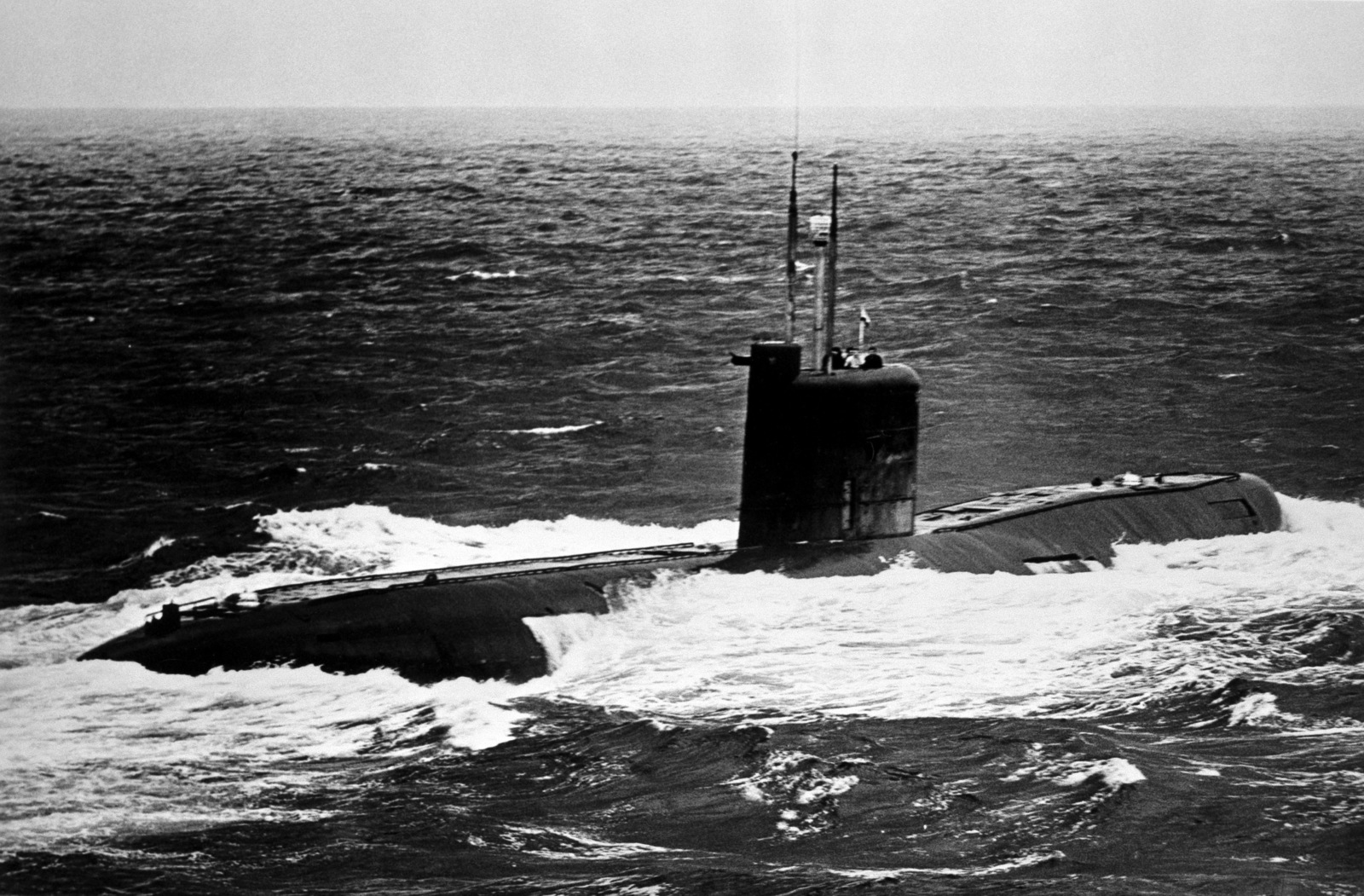
Even when the U.S.S.R. has been markedly inferior to the West in strategic forces and in long – range mobility capability, the Soviets have periodically pursued policies designed to undermine the security of the West and to separate the United States from its allies. The repeated threats to the freedom of Berlin and the Cuban missile adventure are examples. More recently, we have seen the bold extension of Soviet naval strength and political activity into the Mediterranean and Red Sea basins.
In past Soviet probing’s, the strategic inferiority of Soviet power has presumably set limits on the risks that Moscow was willing to run. A Soviet posture that approaches equality with the West in strategic strength and that could provide superiority in local forces in the area of involvement – would present a seriously disquieting prospect.
IV . COMPARATIVE FORCE LEVELS
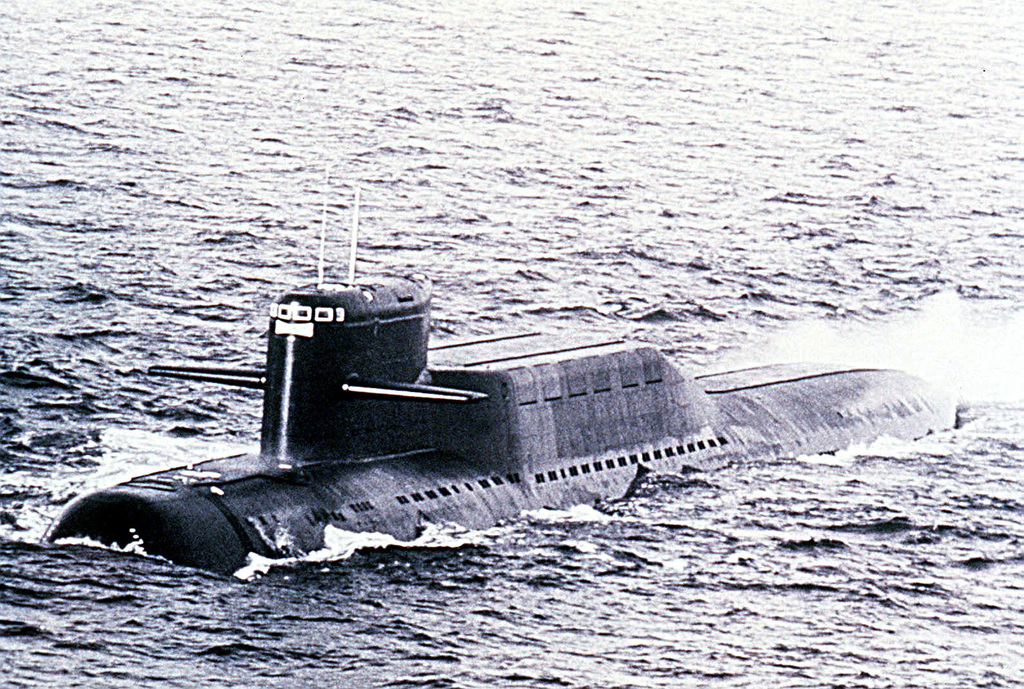
The testimony presented to this subcommittee conclusively shows that, numerically, the Soviet submarine fleet is substantially larger than that of the United States. The Soviets have over 350 submarines of which at least 250 are attack submarines. The remainder being either cruise or ballistic -missile firing types and being either diesel or nuclear powered. Moreover, its entire submarine fleet consists of boats which have been both designed and constructed subsequent to World War II.
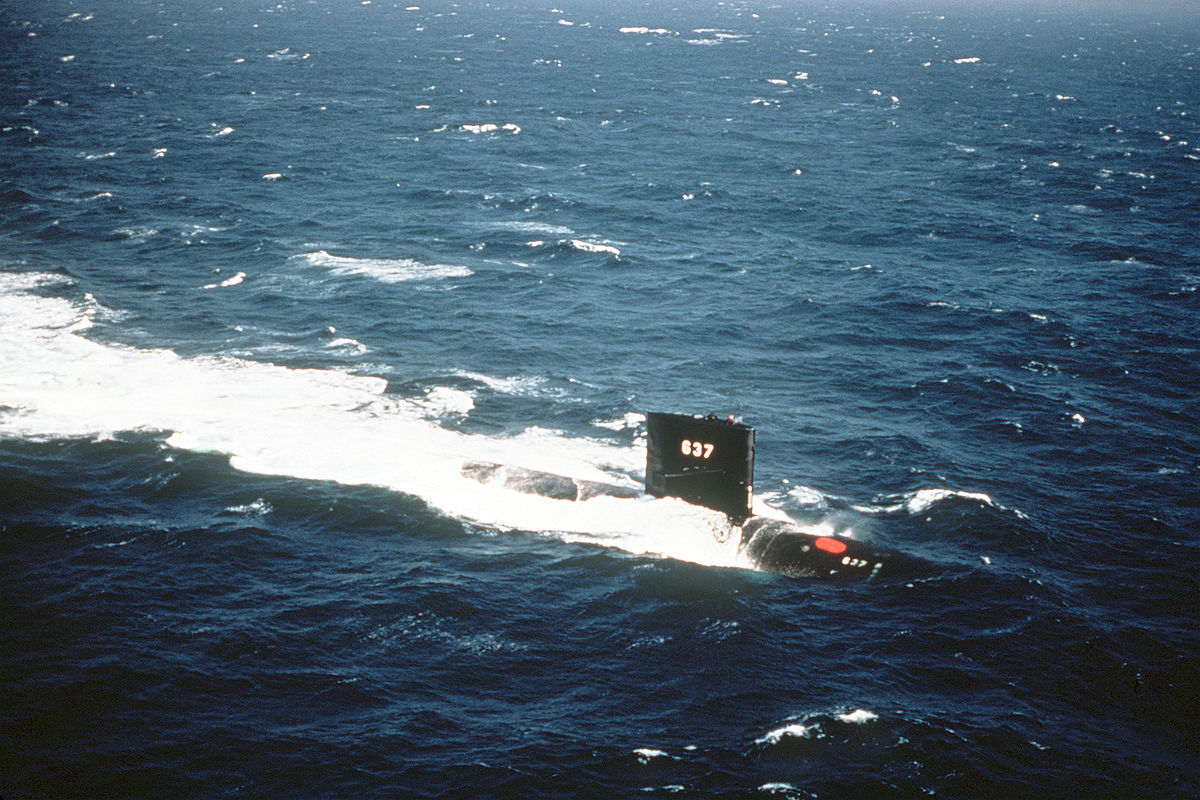
In contrast, the United States has a total of 146 submarines in its entire fleet of which 105 are torpedo attack boats with the remaining 41 being the POLARIS ballistic – missile – firing submarine. In the torpedo attack submarine category, 33 of the 105 are nuclear powered and 72 are diesels. Only 12 of these 72 diesels powered attack submarines were constructed after World War II. Consequently, 60, or more than half of the submarines in our present attack submarine force, are diesel powered and of World War II vintage, the capabilities of which cannot begin to compare with those of the nuclear – powered submarine.
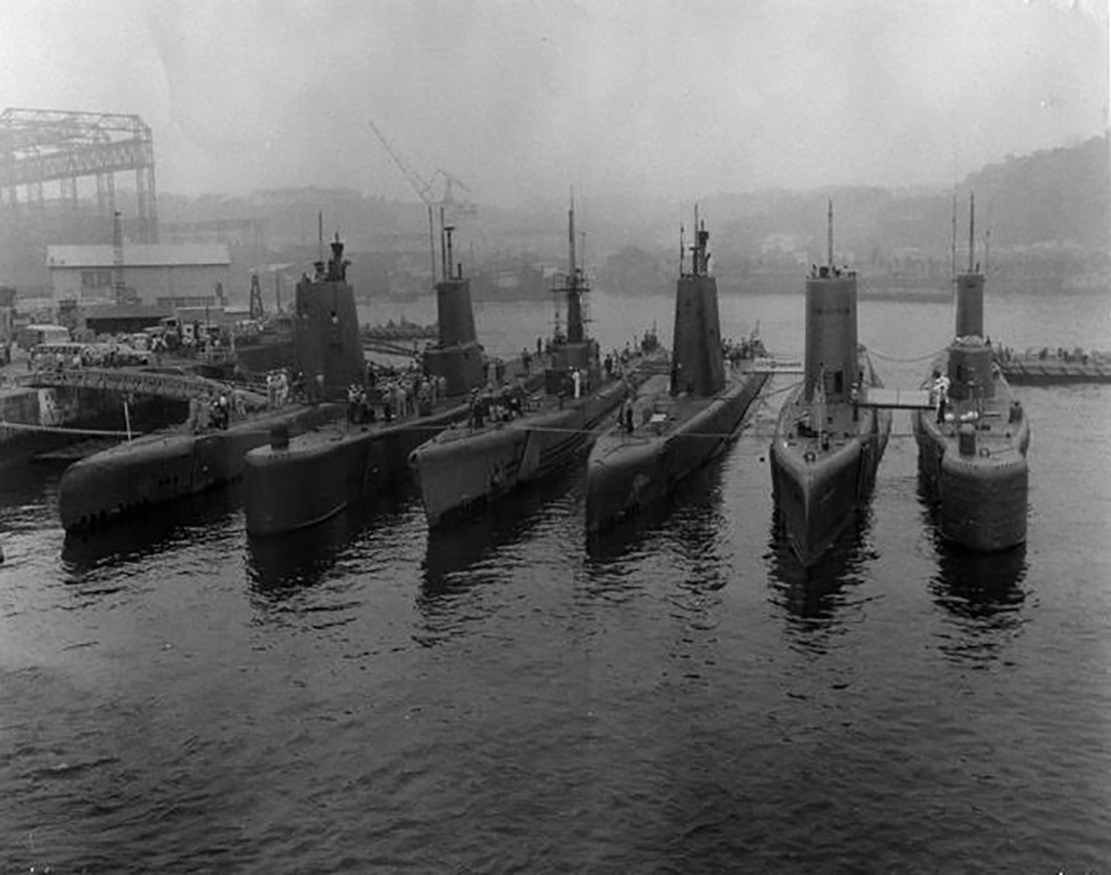
Under the Defense program presented by Secretary McNamara in the fiscal year 1969 budget, all further construction of nuclear-attack submarines will cease once we have achieved a total of 69 nuclear submarines in the torpedo attack submarine force unless new conditions should warrant a change. The last four submarines were to be authorized, two in fiscal year 1969 and two in fiscal year 1970 budgets. Under such planning, 24 of the 36 diesel submarines in the U.S. Fleet will be 30 years old by 1975.
In establishing the approved U.S. force level of 105 attack submarines (69 nuclear and 36 diesel), a judgment was made on the part of the Defense Department planners and analysts that the quality of a force so constituted will adequately offset the numerical advantage the U.S.S.R. derives from its much larger submarine fleet.
It is recognized that in determining the level of submarine forces required, the Secretary of Defense must also factor in the contributions made to our antisubmarine warfare capability by other elements of our forces, such as aircraft and surface ships. However, the assumption of qualitative superiority of our force credits the Soviet Union with very little in the way of qualitative improvements to their own attack submarine fleet. The assumption also presumes a kill ratio by U.S. submarines against Soviet submarines that is unrealistically high, a kill ratio which becomes ever more unrealistic with each incremental increase in the size and quality of the Soviet submarine fleet.
https://babel.hathitrust.org/cgi/pt?id=umn.31951d035303927&seq=3
The same period that this report was conducted, the Vietnam war was heating up and both the Soviets and the Americans were making advances in space. While the primary goals were supposed to be for exploration and scientific purpose, it was also assumed that each of the advances in rocket design and use could easily be applied to deadlier weapons in space that could tip the delicate balance that was MAD (Mutual Assured Destruction).


