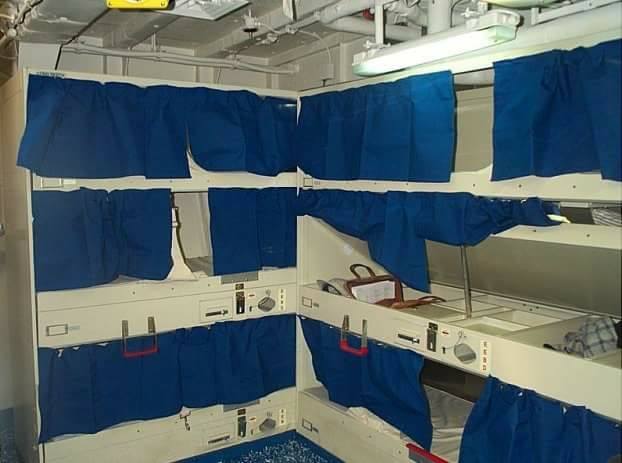
Civilians take sleep for granted.
But anyone who has ever been in the service, whether as an officer or enlisted person knows that sleep is one of the greatest luxuries that has ever existed.
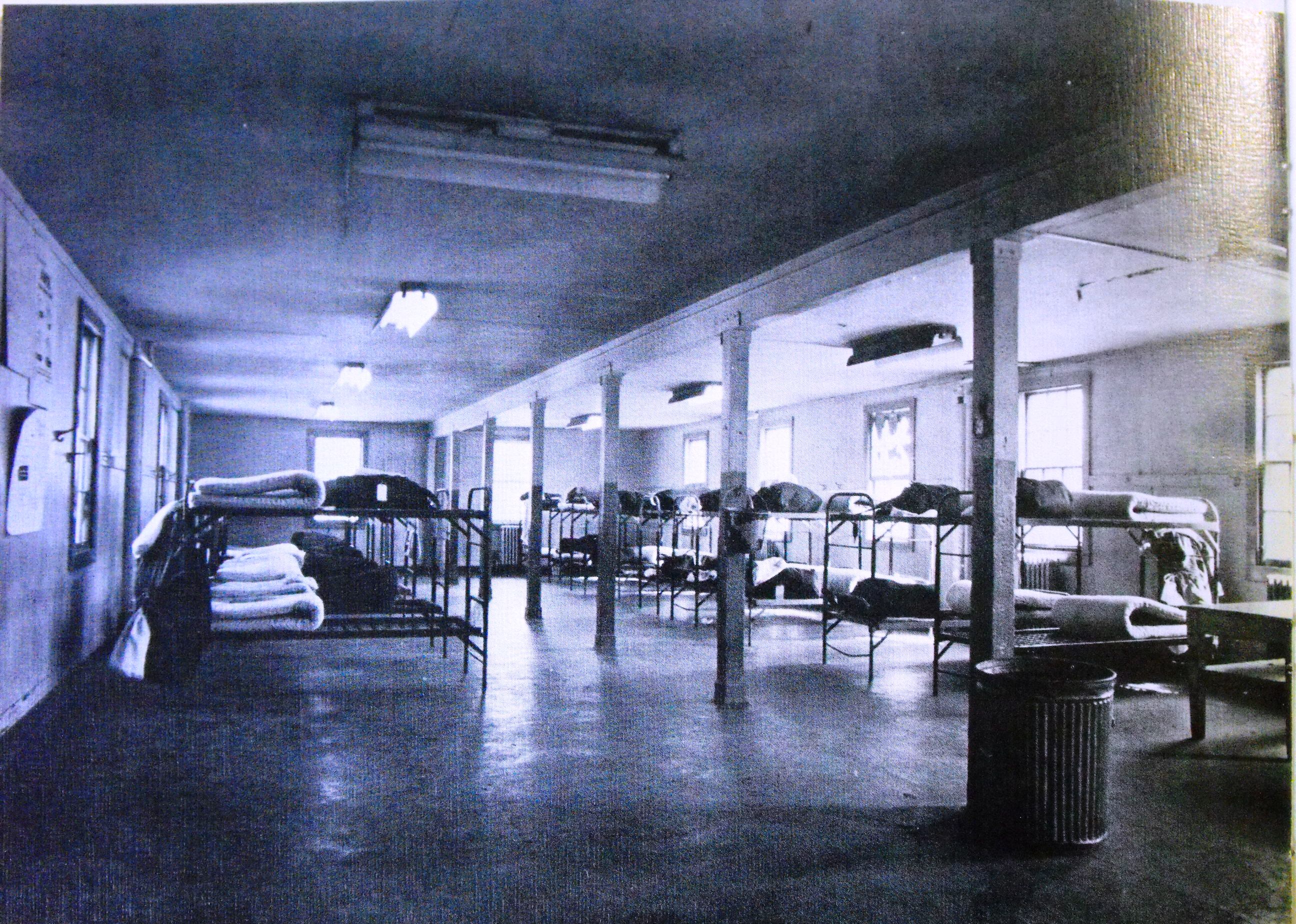
When you leave home and arrive at your basic training, you immediately realize that sleep is regulated by someone who is higher in rank than you and will become a rare gift when you are able to enjoy it. Of course, the first few nights away from home, you don’t get much sleep anyway. Your whole life’s pattern has been purposely disrupted to help the process of converting you into a useful member of the service. Gone are the carefree mornings where mom and dad struggled to wake you from your slumber. Now, seasoned professionals have unique skills and tools to arouse even the sleepiest of souls. For the slow learners, there are methods that reinforce that your time is now government time.
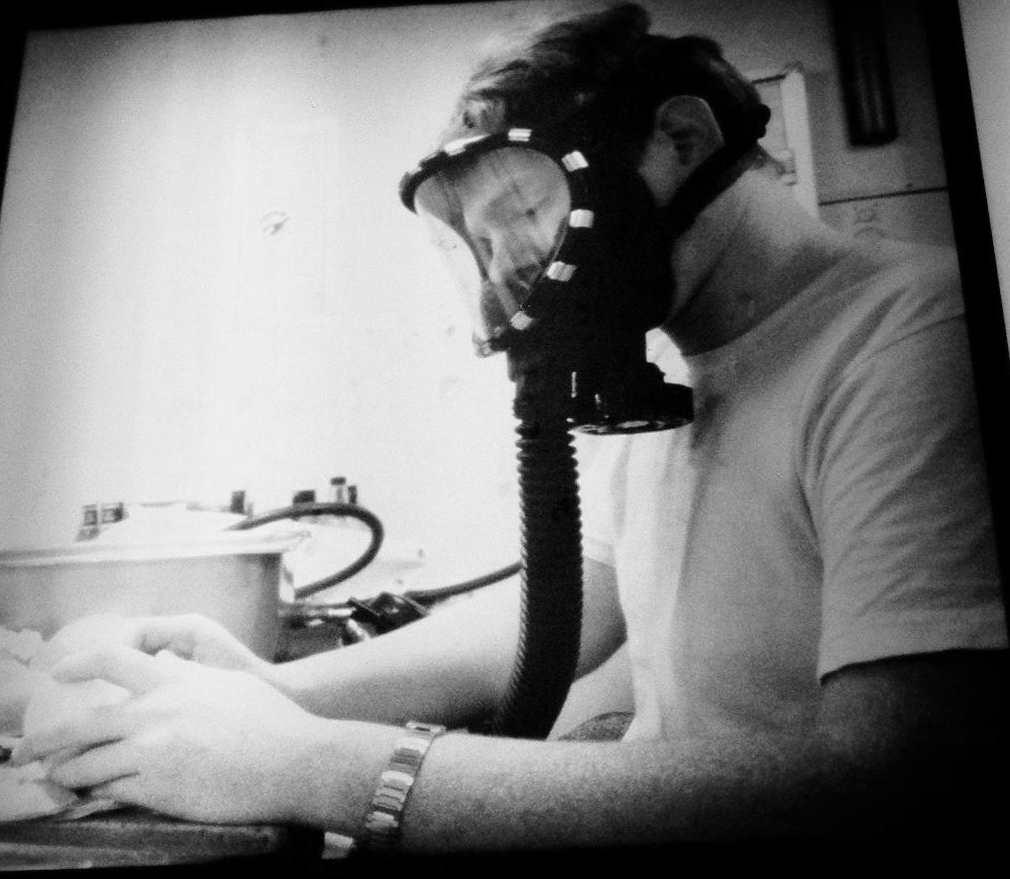
There was a bit of a relaxing period during the training that followed boot camp. Depending on the path you took on your way to your first submarine, the ability to sleep was returned to you. That would come to a screeching halt when you reported to your first command. You were the newby and your task was totally focused on learning your job and earning the precious sleep you might be able to grab. On submarines, often that new assignment might start out as a mess cook. The hours were early, long and hectic. I am pretty sure I only averaged about two hours of sleep a day between work, qualifying and the ever-present drills. The payoff was qualifying submarines in ninety days.
No matter what time you went to bed or what you did the day before, your body must hit the deck and respond to every challenge that awaits. Of course, the underlying reason is that every sailor, soldier, marine or airman will be needed in case of an attack and that attack can happen at any time. Imagine being asleep in your bunk on a Sunday morning at eight o’clock in the morning. The warm breezes coming from the west are blowing the fragrance of the nearby plumeria trees and you are dreaming of that special girl back home.
Suddenly, you hear the roar of planes, bombs start to fall and chaos and alarms fill the morning air. All that training that led up to that point absolutely must automatically kick in. No thoughts of straggling or time for pondering. You automatically let your training take over. It is a matter of life or death. Too many men found that out on the morning of December 7, 1941.
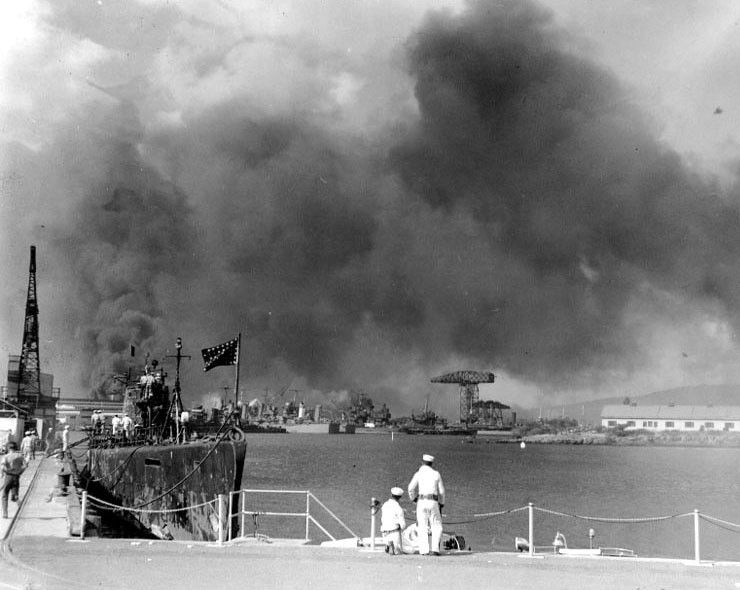
The submarine base at Pearl Harbor was not a primary target on that day. But there were sleeping men on board the boats that were tied up at the piers who immediately jumped into action. They manned the guns they had and immediately started defending the boats as the torpedo planes and fighters streaked towards the battleships. A few passing Japanese fighters returned fire and at least two of the attackers were hit with machine gun fire from submarines.
The rest of the day, everyone in the harbor knew that sleep would indeed be a rare commodity. No one knew at that point id the Japs would return. The smoke from battleship row and the staggering number of casualties from the attacks meant that all hands were needed to tend to the survivors and extinguish the fires still raging. The hospital on Ford Island was overflowing with too many men for the nurses to think about rest. Eventually, they would be forced to rest, but I am sure that few of them slept.
The submarine crews spent the rest of the day taking on additional provisions and fuel. They had received their first orders, which would mean immediate deployment. The orders of “Find Them, Sink Them” had not officially been ordered yet. But every submariner knew that their boats were the only ones leaving the harbor that night on their way to seek vengeance. This devastating and cowardly attack would be avenged.


How well I remember! It wasn’t until I earned my fish AND qualified at my senior in-rate watch station that I had a chance for a four hour sleep (assuming no drills or other such wonders). That came in handy though when I went to school after getting out. I worked two full-time, one part-time job and carried a full load at UNC. I still cherish the time I get mostly undisturbed (but for certain feline invaders) sleep.