There will be wars and rumors of wars
Matthew 24:6-8 (King James Version)
6 And ye shall hear of wars and rumors of wars: see that ye be not troubled: for all these things must come to pass, but the end is not yet.
7 For nation shall rise against nation, and kingdom against kingdom: and there shall be famines, and pestilences, and earthquakes, in divers places.
8 All these are the beginning of sorrows
I have spent a lot of my life thinking and studying about the attack on Pearl Harbor.
I was stationed there three times in my life during my service and have visited those same grounds as a civilian. Even as a young boy, I sought after and absorbed every book and magazine that had to do with the second world war. The classic collections about the navy in World War 2 were my favorites and to this day I can feel the burning heat of the ships that were on fire and see the devastation in my mind. My imagination put me at the scene and I tried to imagine what the chaos would have been like.
Some of those memories have become real again as I read about a significant event that happened last year which marks the passage of another member of the greatest generation.
From the Navy News Page:
“Grass Valley, Calif. – Family, friends, veterans, active-duty service members, and community leaders gathered to memorialize the life of retired Lt. Cmdr. Louis (Lou) Conter April 23, 2024 at Saint Patrick Catholic Cemetery.
Conter, the last living survivor from the USS Arizona (BB-39), which sank during the attack on Pearl Harbor, died peacefully in his home at the age of 102.”
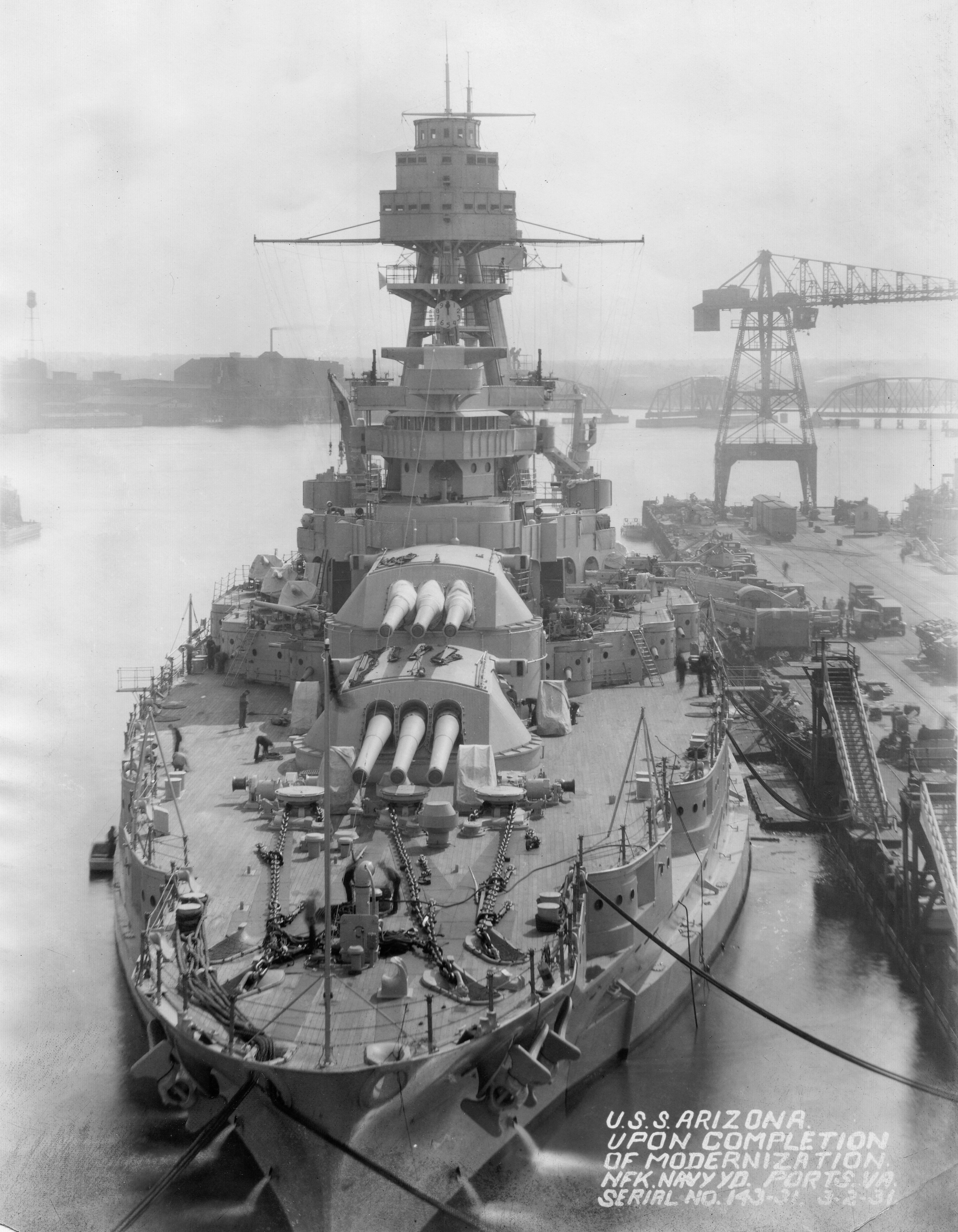
The battleship Arizona of course was the focal point to much that is represented by that “Day that will live in infamy”.
In her prime, she represented some of the most advanced technology related to naval armaments. Her speed and power were emblematic of the best naval engineering and efficiency that would protect America from her most dangerous enemies. Yet she also represented one of man’s most traitorous aspects: we were convinced that she and her sisters would be enough for the war that was surely to come. That same conviction sealed the fate of the estimated 1000 sailors on board. The sudden appearance of hundreds of Japanese airplanes cancelled the decades of war planning and the mightiest navy in the Pacific in one morning. Nothing would be the same ever again.
Of course, all of the reference materials and books I would have access to were written by the people who would ultimately win the war. I’ve heard it said more than once that the victors would have the last say in the years following the defeat of the enemy. Because of the brutal nature of the war, antipathy towards the foe was easy to develop within the allied nations. After all, it was a sneak attack and we lost a lot of boys and men that day. Brothers, cousins, uncles, fathers and just plain American heroes who needed to be avenged. So, writing stories after the war would still carry that fervor and reinforce the belief that the enemy was just pure evil and needed to be crushed beyond recognition. I suspect that there was some need for the justification for the use of the atomic bombs on mainly civilian populations as well.
Living at the base in Pearl Harbor and my naval training would just cement the preconceived notions I had as a boy. Some of the buildings still bear the scars from the explosions and you can see bullet holes in the walls of the clinic on Ford Island. They intentionally never patched them up as a reminder to the generations of sailors that would follow.
Oil still seeps from the sunken hulk that was once a mighty defender of freedom. I spent a few December 7ths in the harbor and the eerie sounds of silence during the minutes leading up to moment the attack is remembered is haunting. No work is conducted on that day at the shops and shipyard so all you hear is the waves brushing up against the monument and piers and the whisper of a breeze. If sadness had a sound, this would be it.
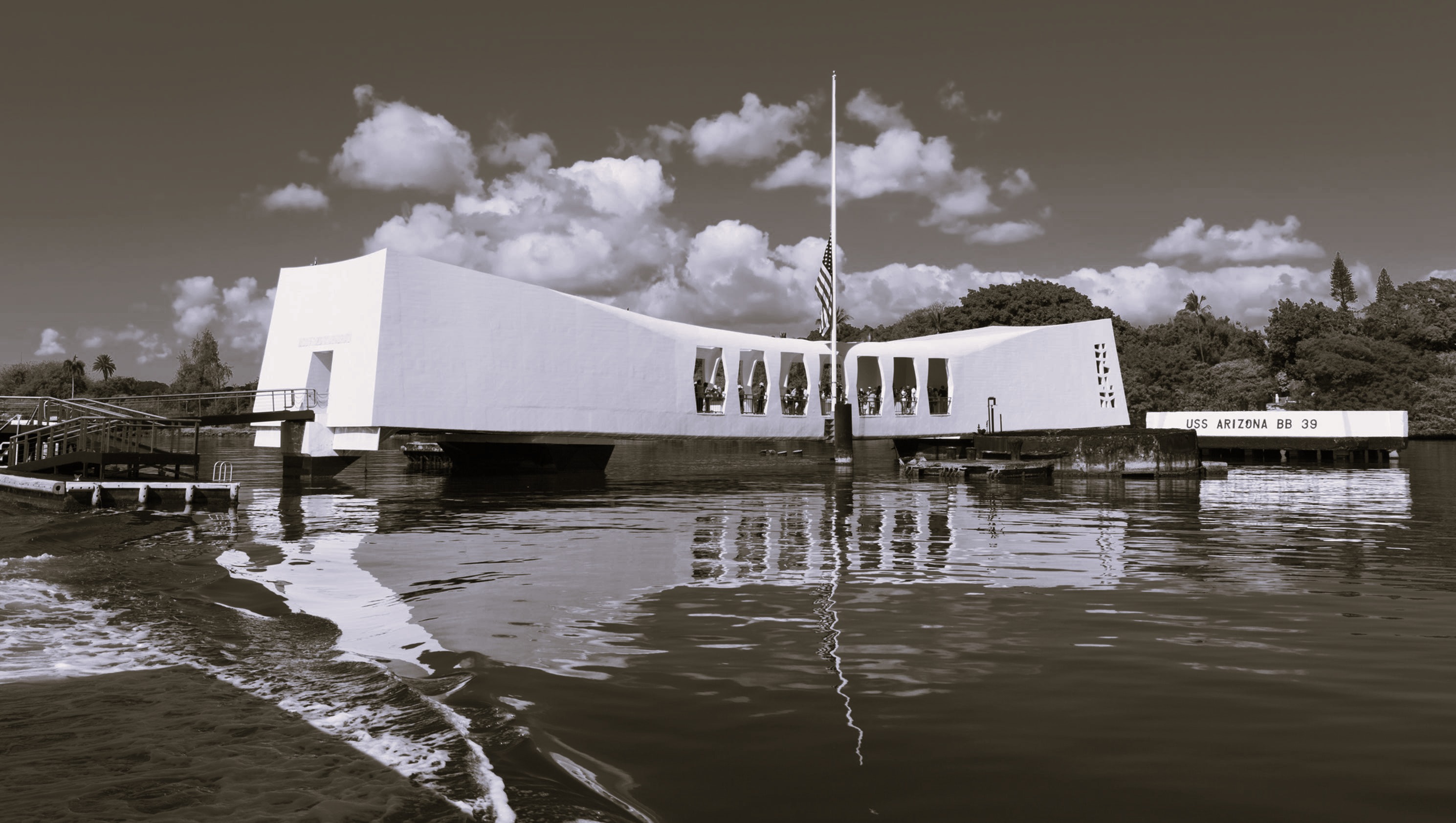
Now we are eighty years past the date of the final surrender. The retired USS Missouri sits abreast from the Arizona memorial. A fitting tribute since the war began on one and ended on the other. The millions of men and women who went off to war or just waited at home are nearly all gone. Their stories are mainly recalled in obituaries as they slowly pass into eternity. But something else has begun to occur. In some corners, a different view on the Road to Pearl Harbor has started to crack through the surface.
To be fair, Pearl Harbor was a devastating blow to the nation. The losses were catastrophic. The four years of all out war would continue to have a sickening toll on families from every corner of the globe. But wars are not static events. Just as a cold begins with a microscopic virus, wars have many contributing factors. Blaming them on evil probably has some justification, but who gets to decide what evil looks like? As I said before, the victors get to write the history books.
If you ask any thinking and knowledgeable person when the war in the pacific began, most will point to December 7. In many ways, they are right. But the “Road to Pearl Harbor” started more than twenty years before that date. The aftermath of the “War to End All Wars” began a slow burning fire that would later consume the magnitude of nations that were engaged.
From the 1800’s on, European nations had been focused on far flung empires. England, Germany, France, Spain and the Netherlands were the principle players as was Russia and to some extent America. The explorers led to conquerors which led to islands and nations being under the yolk of some foreign power. England, of course, required her conquests to feed her people with goods and services. Each of the other countries had their own particular needs whether it was for those resources or for power.
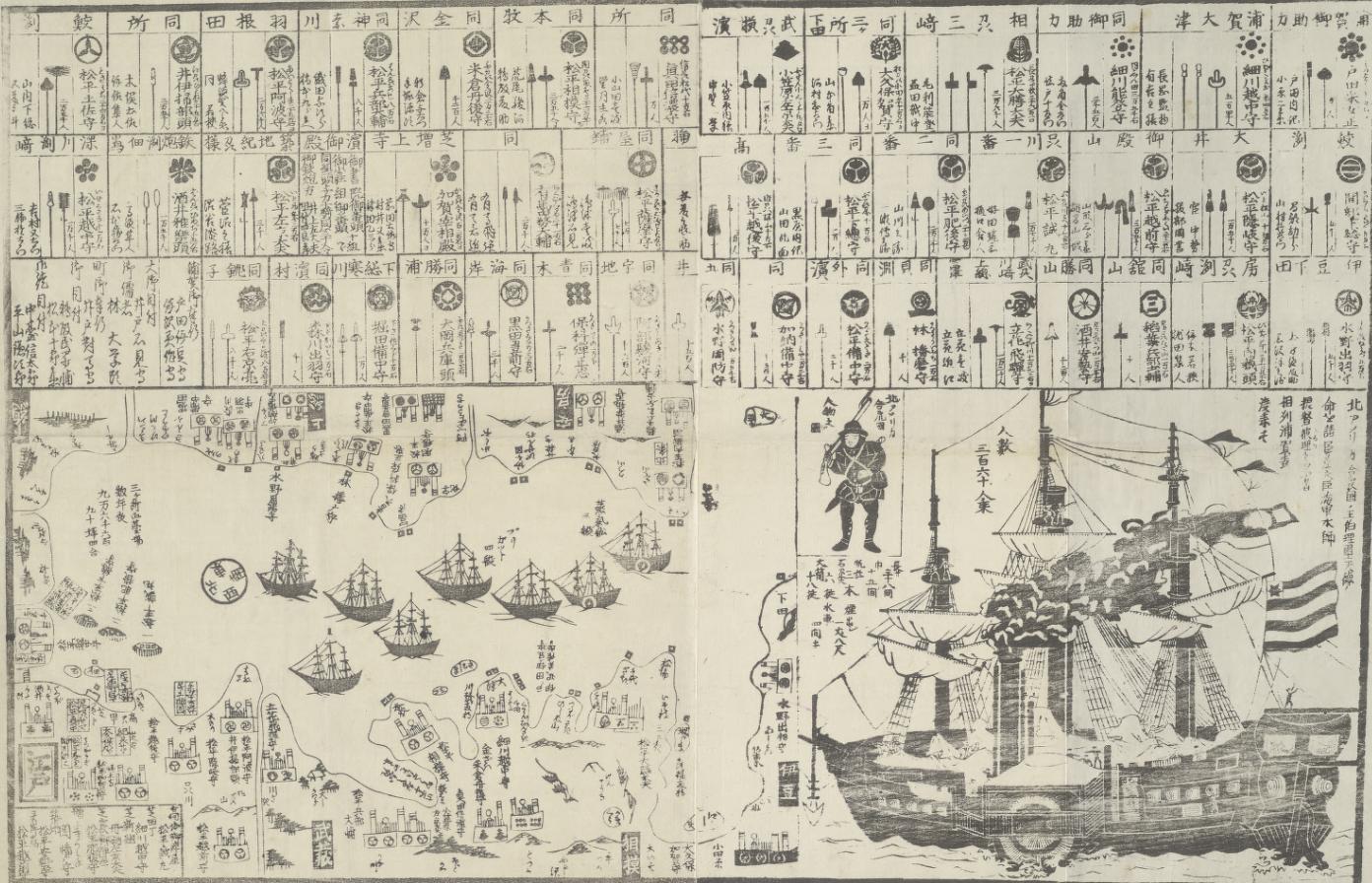
On the far side of the world, Japan had been a feudal nation for generations.
The outside world was largely locked out by the Shoguns who feared and loathed the barbarians from less civilized countries.
But the American fleet that sailed into Tokyo Bay bristling with modern weapons that out matched their primitive swords and arrows opened the door.
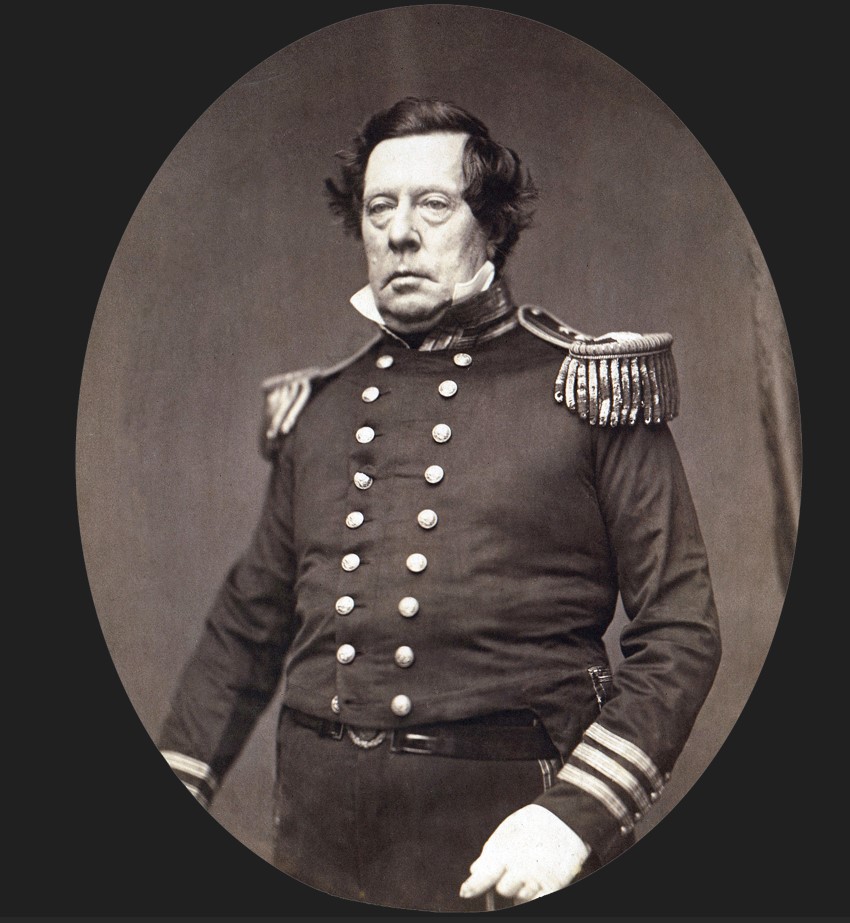
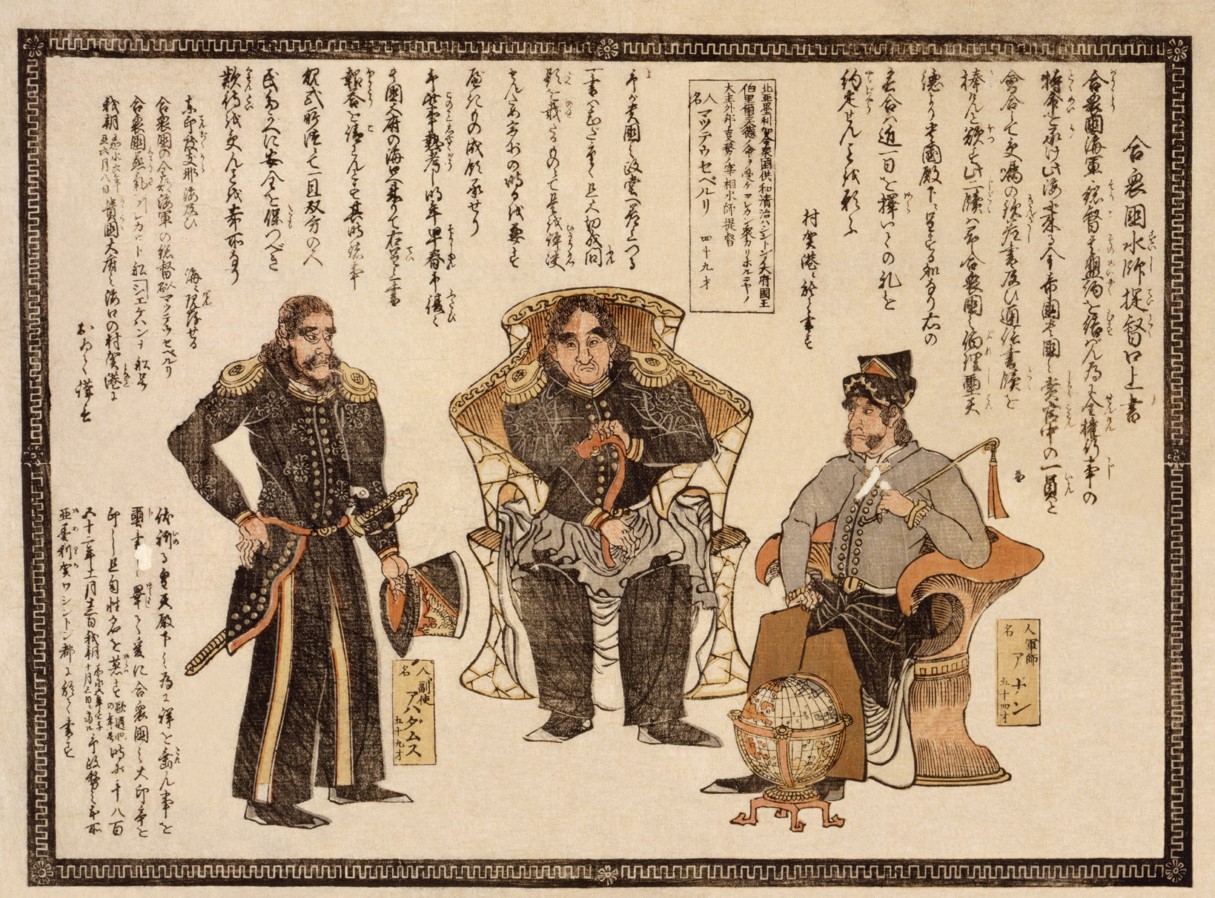
Japan quickly learned that the only way for Japanese values to survive would require controlled assimilation of western ways. Conflicts with neighboring countries was inevitable as the Russians (among others) began to encroach on her territories. Added to this was a growing population that did not have enough arable land to feed itself. Japanese expansion into Korea and China created more conflict as well. And finally, as Japan industrialized, it found that in addition to raw materials that would build its nation, it required the most precious of all commodities: Oil. Japan simply did not have enough oil to keep her machines running.
American intervention ended the Russo-Japanese conflict, but Theodore Roosevelt added some language and restrictions that were incredibly difficult for Japan to swallow. Despite defiant and sometimes violent reactions from the people of Japan, America’s emerging strength made it impossible for Japan to do anything but accept the terms. This humiliation would have long term consequences.

The Monroe Doctrine
I research obscure articles in the Library of Congress and documents in our own national archives. Some of that research includes unclassified intelligence reports from the State Department and the armed forces bureaus. One of those articles contained a column from a leading Japanese paper in the early 1920’s about the Monroe Doctrine.
Briefly put, the Monroe Doctrine was developed when James Monroe was President and he was concerned about European infiltration of the America’s. From the national archives:
“The Monroe Doctrine is the best-known U.S. policy toward the Western Hemisphere. Buried in a routine annual message delivered to Congress by President James Monroe in December 1823, the doctrine warns European nations that the United States would not tolerate further colonization or puppet monarchs. The doctrine was conceived to meet major concerns of the moment, but it soon became a watchword of U.S. policy in the Western Hemisphere.”
The article in the Japanese newspaper was written by an influential Japanese politician and was about the hypocrisy of the west and particularly America for not recognizing that the Japanese were of the belief that the Monroe Doctrine applied to them in regards to the Pacific Ocean and territories found there. There was no small amount of bitterness on their part that the west did not understand that Japan saw itself as the new “America” in dealing with the map that emerged after Germany was defeated. They viewed the American occupation of the Philippines as well as many other islands as a direct threat to their sovereignty and future safety. Even Pearl Harbor was in their sights since the Island chain and emerging military bases could be used to eventually provide a launching point for an attack on the Empire.
Immigration
Added to this was the hostility in California and Hawaii against Japanese immigrants. By 1920, legislation was being enacted at the local and national level that made it difficult for people of Japanese heritage to move to or settle in the United States. This affront traveled from the US all the way back to Japan and created a hostile environment.
The hostility would grow and fester on both sides of the Pacific resulting in crippling sanctions and military maneuvers of consequence. There is much more to the story but the point of today’s story is to just highlight the fact that while Pearl Harbor was the match that lit the fire, a lot of fuel had been stored up on both sides. It was simply a matter of time before the inevitable occurred.
I had a quiet conversation with a woman of Japanese descent last week. We were both working at an event on the naval base and she and I shared some thoughts about my travels to Japan and her family’s heritage. Her grandfather was a sailor in the Japanese navy and my dad was in the American navy. We both recognized that wars rarely start in a vacuum. Her family had many discussions as she was growing up about how useless wars are but how little was understood about that particular war’s root causes. As I have gotten older, it is easier for me to understand how that all happens.

 theleansubmariner