Warning- This article may piss you off if you think the US Navy of today (and its bureaucracy) is on the right course
This is the fourth in a series of stories about naval preparedness in the 1920s, but it could be ripped from today’s headlines
I have previously written about Admiral William Fullam and his attempts to shake the navy out of a deep sleep when it came to looking at future conflicts.
His real concerns were an outgrowth of the naval disarmament’s conferences of the 1920’s. As the reality of naval constriction came to fruition, he saw that the reliance on old technology was going to have severe impacts in a world where technology was leapfrogging existing capability. From the ships the navy sought to protect to the influence of airplanes and submarines, Fullam had a unique vision on what would come to pass if the navy stayed on its existing course.
1921 Warnings (The first of three articles about Admiral Fullam)
1923 warnings about all ships (This was actually the third article with links to the first two)
https://theleansubmariner.com/2022/04/26/1924-america-is-8-years-behind-in-submarine-development/
1924 warning about submarine development
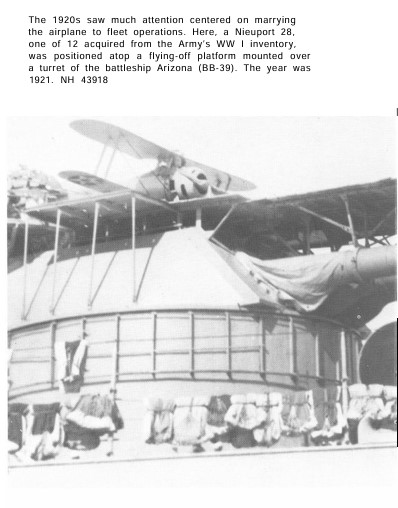
January 1925 – A new Focus on Aviation. But would it be enough and in time?
By the end of 1924, the growing capabilities of airplanes in naval warfare were being too large for the old school leaders to ignore. A special board had been convened by the then CNO to try and determine the best path forward.

17 January 1925 – A special board, headed by the Chief of Naval Operations, Admiral Edward W. Eberle, submitted its report to the Secretary of the Navy. Appointed on 23 September 1924 to consider recent developments in aviation and to recommend a policy for the development of the Navy in its various branches, the board devoted most of its discussion to the importance of the battleship, but in its recommendations gave prominence to aviation. For this branch, it recommended that carriers be built up to treaty limits, that Lexington and Saratoga be completed expeditiously, that a new 23,000-ton carrier be laid down, and that a progressive aircraft building program be established to insure a complete complement of modern planes for the fleet. In regard to personnel, the board recommended expansion of aviation offerings at the Naval Academy, assignment of all qualified academy graduates to aviator or observer training after two years of sea duty, and the establishment of a definite policy governing assignment of officers to aviation. (Eberle had been the Superintendent at the Naval Academy beginning in 1915 and through 1919)
It should be noted that most of the Admirals on the Board were still focused on Battleships as the backbone of the fleet.
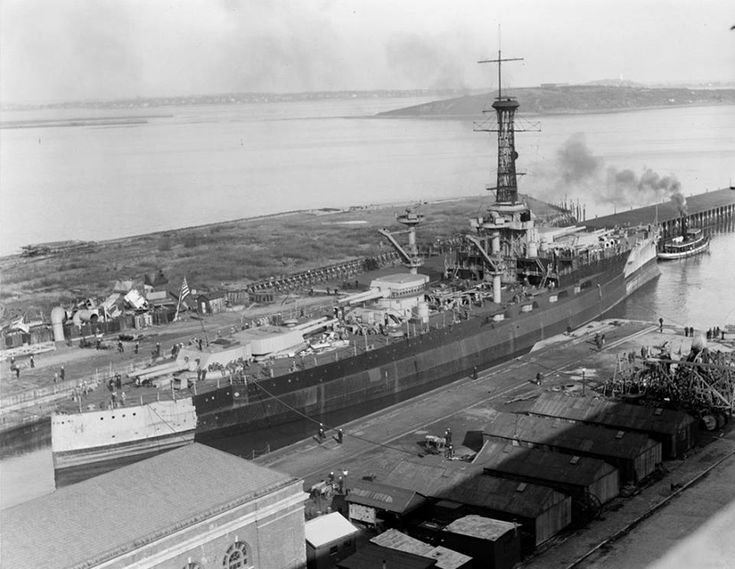
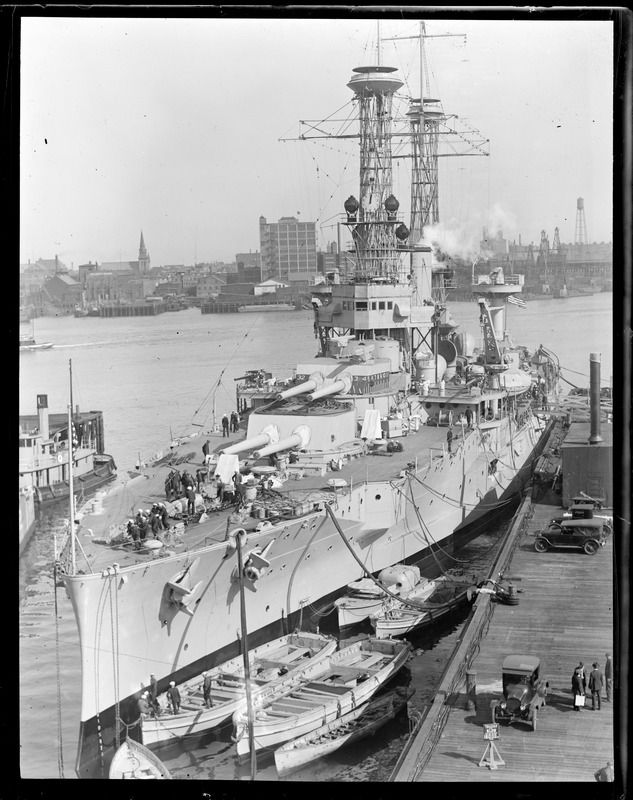
Begrudgingly, they were beginning to admit that airpower was important but only as an outgrowth of the needs of the surface fleet.
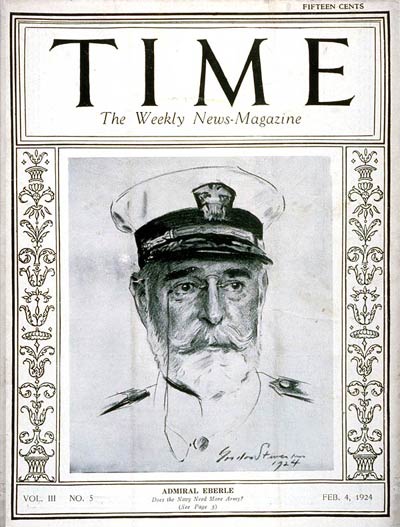
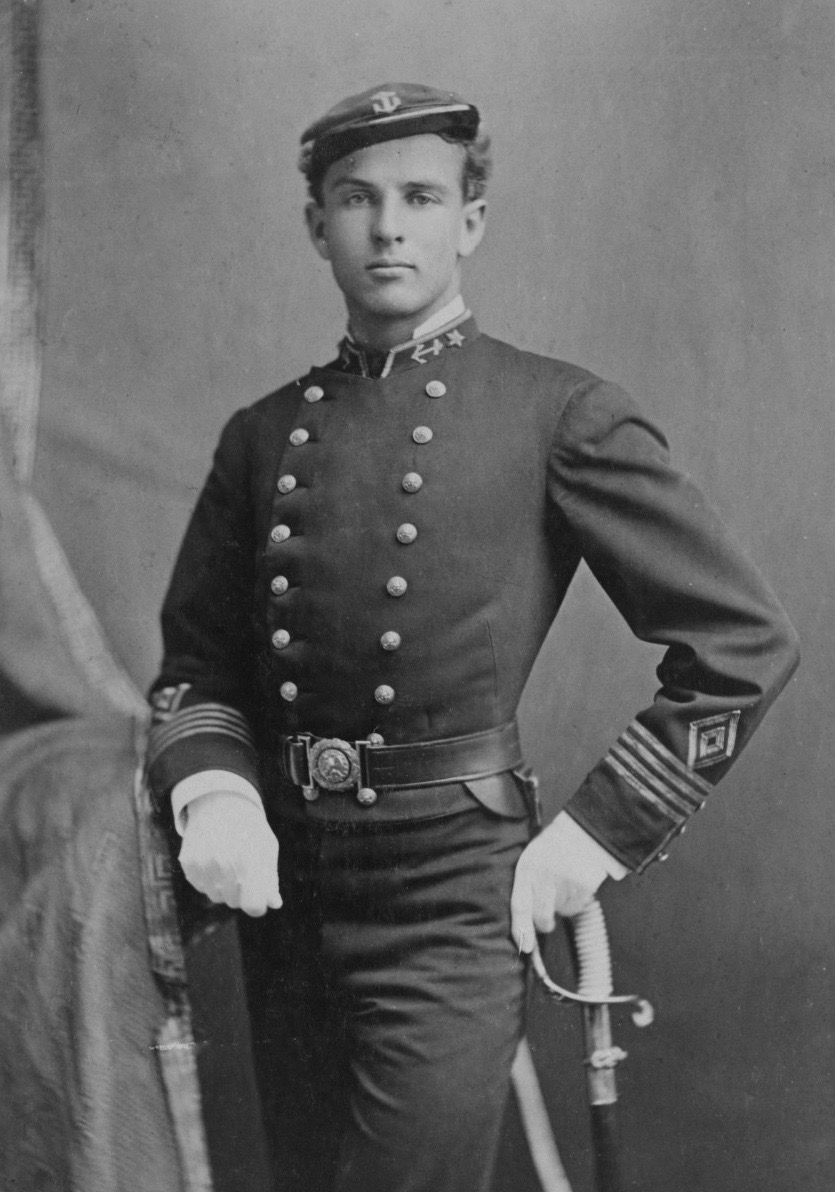
Who was Edward Eberle?
In 1923, Admiral Eberle was selected as the Navy’s third Chief of Naval Operations. His four years in this position war marked by struggles to maintain the Navy’s strength in the face of arms limitation treaties, financial stringency and political attacks on naval aviation. He was successful in obtaining funds to modernize battleships, begin construction of a force of heavy cruisers, and complete the aircraft carriers Lexington (CV-2) and Saratoga (CV-3). Admiral Eberle was relieved as Chief of Naval Operations in November 1927 and served on the General Board until his retirement in August 1928. He died on 6 July 1929.
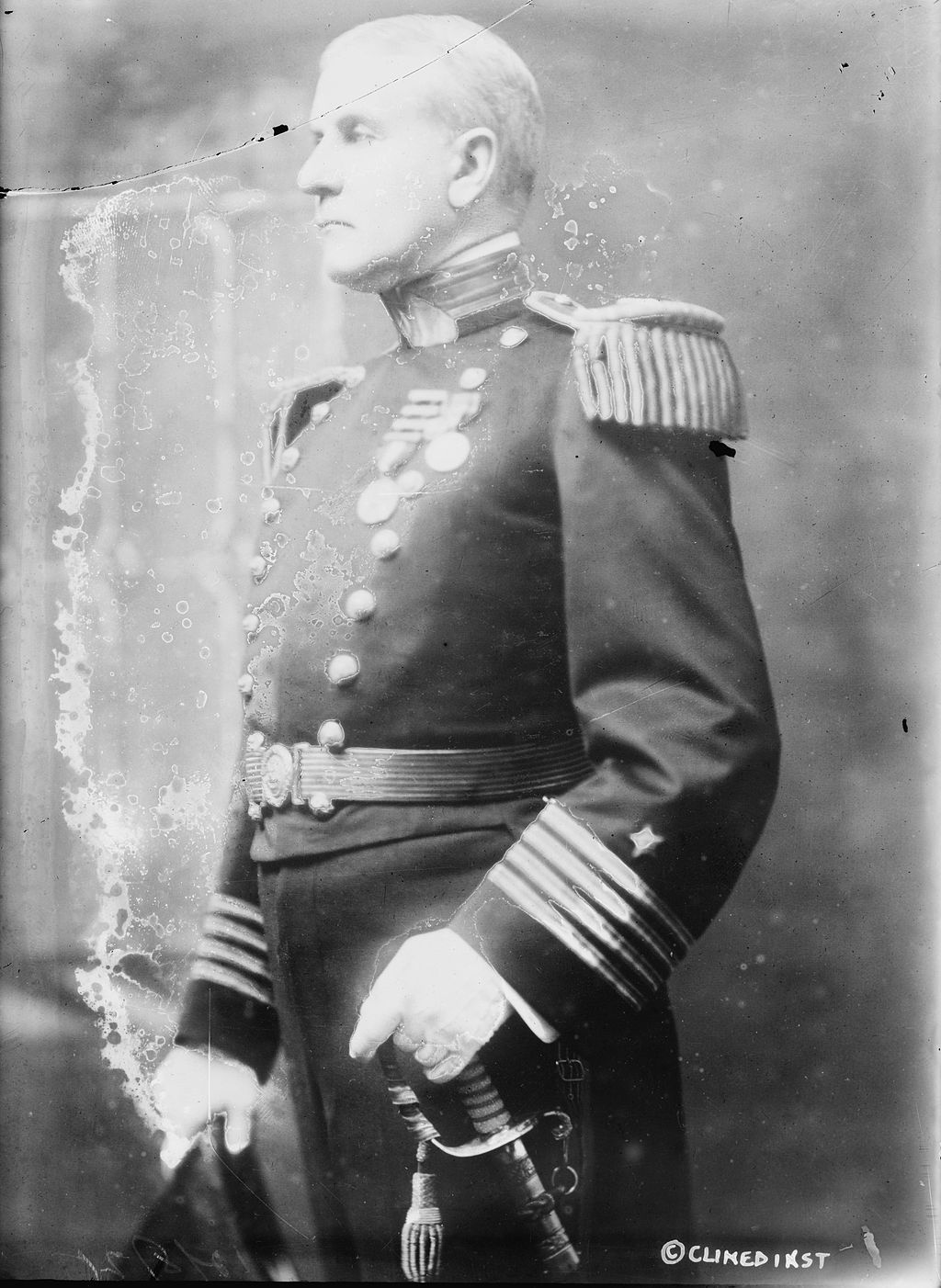
From Naval Academy Savior to Scapegoat – William Fullam
Admiral Fullam was Superintendent of the Naval Academy from 1914-1915. He was inserted into the Academy at a time of great conflict and controversy. In the end, he was unceremoniously ousted by the naval bureaucracy even though he had set the academy back on sound footing and cleaned up much of the chaos that he inherited.
Admiral Eberle was the officer that replaced Fullam at the academy. He was much more of a battleship purist and it is interesting that Fullam’s next actions in March of 1925 would go in direct contrast to the immediate recommendations of Eberle’s board.
Fullam accurately predicted once again the dangers of following outdated ideologies and technologies. His continuous reminders of the navy’s perceived failures must have been a painful thorn in Eberle’s side.

https://chroniclingamerica.loc.gov/lccn/sn84026749/1925-03-03/ed-1/seq-1/
U.S. In Danger of Losing Next War, Says Fullam
ADMIRAL SAYS NAVY LIVES IN PAST
He Flays General Board for Neglecting Aircraft, Saying Nation Is Defenseless
By International News Service.
A double-barreled attack on the American air services, and the navy’s preparedness for war was made here today. Congressman Roy O. Woodruff (Rep.) of Michigan, declared in a statement that the army air service has been “grossly negligent” in the purchase of planes.
Rear. Admiral William F. Fullam, U. S. N. retired, declared in testimony before the House Aircraft Committee that the navy is prepared to lose the next war by its short-sighted policy of ignoring aircraft in favor of battleships.
Rejected Better Plane.
As an example of how the army has erred in purchasing airplanes, it rejected a bombing plane which is far superior to the ones now in use.
“In 1921 the army purchased the Barling bomber which will carry a 2,000-ton bomb 500 miles without refueling. In 1919 J. V. Martin, New York airplane inventor, offered a plane which would carry 8,000 pounds of bombs 2.700 miles without refueling. This plane was rejected.
“If, for instance. England had one of Martin’s bombers, it could fly across the ocean from London, bomb New York, and then escape Into Canada without refueling.”
Woodruff also charged the navy had been “wasteful” in purchasing planes, citing the example of the purchase of the seventy-two MO-1 type planes “which have had to be practically remodeled to make serviceable.
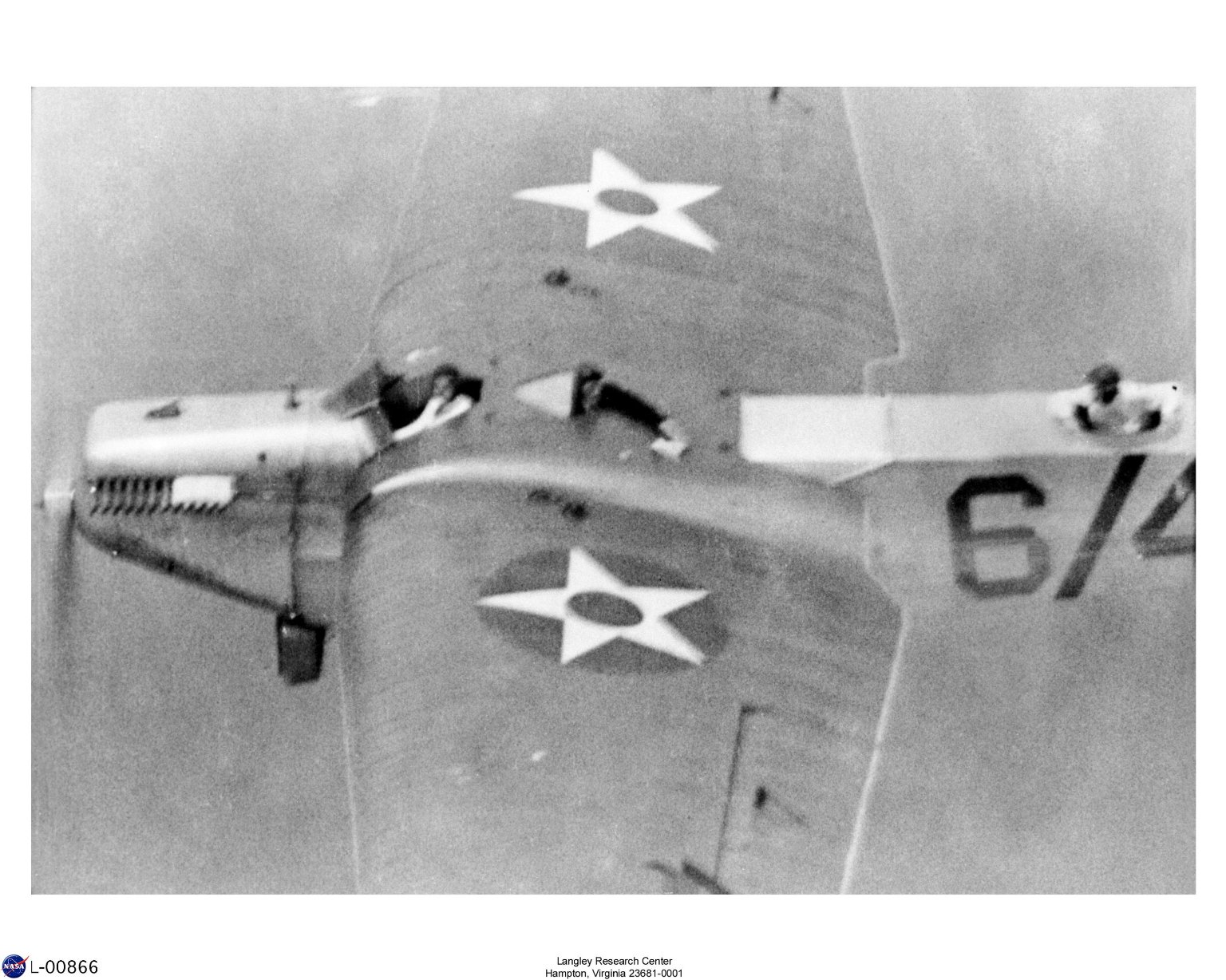
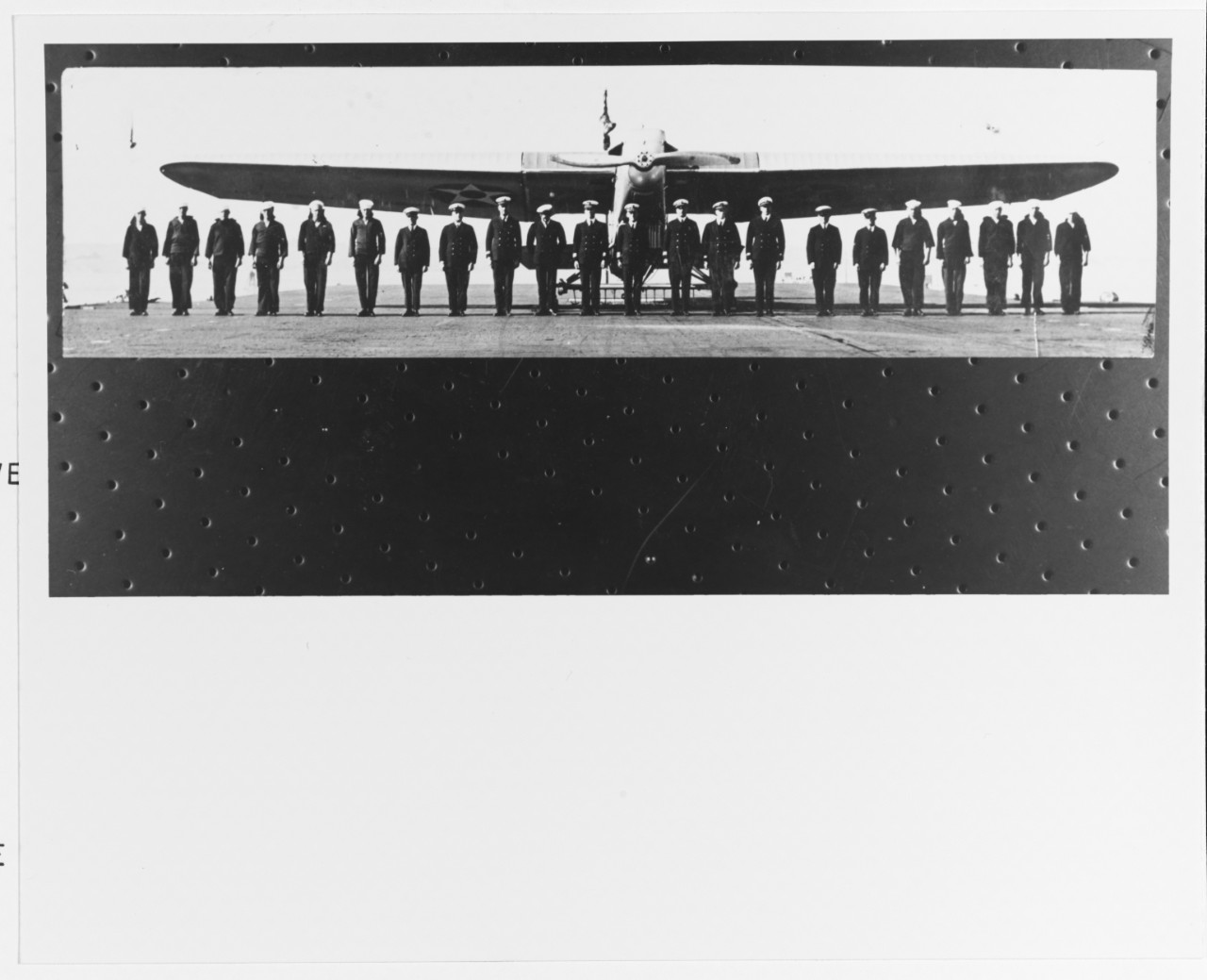
(The Martin MO was an American observation monoplane built by the Glenn L. Martin Company of Cleveland, Ohio for the United States Navy.
(In the early 1920s the United States Navy became interested in a thick airfoil section, cantilever wing, United States military observation aircraft, developed by the Dutch company Fokker. The Navy’s Bureau of Aeronautics designed a three-seat observation monoplane to use a similar wing. Production of the aircraft, designated the MO-1, was contracted to the Glenn L. Martin Company with an order for 36 aircraft. The MO-1 was a shoulder-wing cantilever monoplane with a slab-sided fuselage and a fixed tailwheel landing gear. It had an all-metal structure with a fabric covering, and was powered by a Curtiss D-12 engine.)
(14 December 1924. A powder catapult was successfully demonstrated in the launching of a Martin MO-1 observation plane from the forward turret of the battleship Mississippi (BB 41) at Bremerton, Wash. The aircraft was piloted by Lieutenant L. C. Hayden with Lieutenant William M. Fellers as passenger. Following this demonstration, the powder catapult was widely used on battleships and cruisers)
Fleet Useless, Says Fullam.
The nation which fails to recognize the dominance of airpower over surface ships will lose the
next war, Admiral Fullam said. Because of illness, Fullam’s testimony was taken at his bedside by Congressman Perkins (Rep.) of New Jersey.
“Our fleet as it now exists is quite useless for the exigencies of modern war,” Fullam declared.
“It cannot defend itself against modern naval forces. Still less can it leave the home coast to take the aggressive. It must, therefore, to avoid the humiliation of disastrous defeat, remain at home under the protection of our coast defenses and of the air force of the army and the navy, which alone can protect it from the airpower of the enemy.
“I do not assert that we should scrap the battleships we now have, but I do claim that their doom as a type is sealed, that a new type must soon appear, and that it is wasteful and futile to spend money in patching and attempting to keep them afloat in modem war.
Surface Ships Powerless.
“The advent of submarines in the world war and of air power subsequent to the war have brought about a complete revolution in naval warfare. Surface ships are dangerously threatened from above and below.
Sea power expressed in surface ships is completely dependent today and will be still more in the future upon air and submarine power.
“The sun of a past naval era is setting. The sun of a new naval era is rising. The nation that fails to see the rising sun will inevitably lose the next war.” Fullam vigorously assailed the “conservatives” of the navy, charging that they alone were responsible for “our mistaken naval policy.”
Attacks General Board.
He also attacked the report of the general board which held that the battleship is the backbone of the fleet.
“It is believed that this report, coming as it does with the weight of approval by officers of such high rank, with its failure to fully recognize either submarine or air power as the two dominating forces that limit the operations of navies in offense and defense, fails to remove the menace to our naval progress and fails to guard the safety of the United States as a nation.”
Fullam warmly praised Brigadier General Mitchell, assistant chief of the Army Air Service.
“I have no brief for General Mitchell,” Fullam said. “He needs none. He can take care of himself. But there is an obligation to give credit to those who deserve it. Had it not been for Mitchell’s persistence there might have been no proper demonstration of the power that will be inevitably wielded by airplanes in modern war on the sea.”
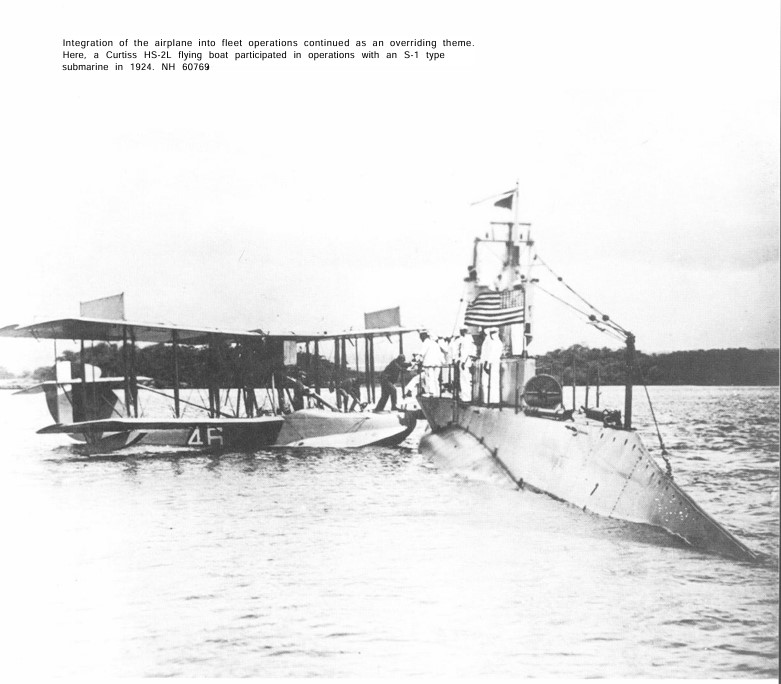
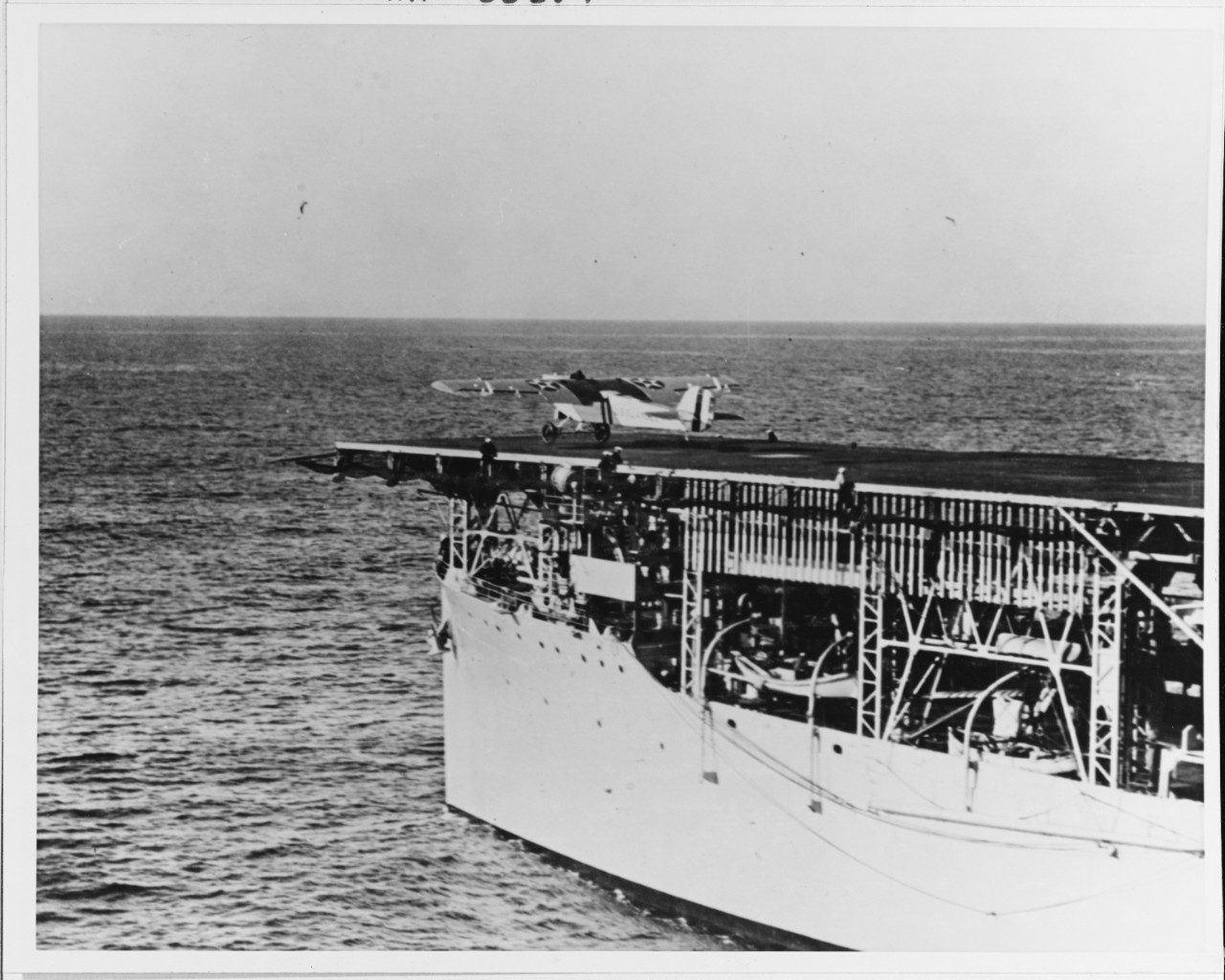
In March of 1925, real life experiences seemed to reinforce what Fullam was trying to warn the navy about.
2–11 March Fleet Problem V, the first to incorporate aircraft carrier operations, was conducted off the coast of Lower California. Although the air activity of Langley was limited to scouting in advance of the Black Fleet movement to Guadalupe Island, the performance was convincing enough for the Commander in Chief, Admiral Robert E. Coontz, to recommend that completion of Lexington and Saratoga be speeded up as much as possible. The Admiral also recommended that steps be taken to ensure development of planes of greater durability, dependability and radius, and that catapult and recovery gear be further improved. He also reported that experience now permitted catapulting of planes from battleships and cruisers as routine.
Later fleet exercises would continue to show the failure of the grand strategy. Most infamous of all was an air attack at Pearl Harbor that indicated a complete loss of the battleship fleet in a pre-dawn attack. That exercise would later be played out with devastating results on the morning of December 7, 1941.
Same song, new year
I have been writing about this subject for about four years. Regardless of political parties, the nation’s defense has continued to be misaligned with the new realities. Like Fullam (who was a much smarter and more experience visionary than I could ever be) I continue to wonder why planners continue to miss the mark on preparing for the next war. Anyone who thinks there will not be a war are fooling themselves. It has always been in man’s nature to go to war over issues both great and small. The Chinese in particular have been preparing for a war no one wants and just recently drastically increased their “defense” spending. Our spending has been frivolously wasted on non-value added activities for way too long. We will be playing catch up for decades to come.
Bloat and Waste
I received an email the other day from an organization I have belonged to for over three decades. I played an active role in local leadership so I was included in an email blast from on high. It bemoaned the changes that are going on now with the new administration and the pentagon. In those three decades, I do not recall ever receiving a similar email after the change of an administration. This one had a sense of foreboding to the uncertainties that were coming about with the new administration. It was really quite defensive in some ways. The author was dancing between being openly combative and trying to project the loyalty we had come to expect from a group of people who have all taken an oath to the constitution.
But this is my personal view.
The bureaucracy has become too bloated, and the pentagon has been a resting place for too many people wanting to plump up their pensions before pivoting to a new role in the defense industrial complex that Eisenhour tried to warn us against. People who are long served have a loyalty to their platforms of interest and are blinded to the reality of war in a new era and using new machines. Like the battleship sailors of old, systems are geared toward self-preservation without regards to the emerging threats. If course adjustments are not made with lightning speed, we face another Pearl Harbor. But this time, we will not have the same shields of geographic distance which allowed the country to rebuild in relative safety. The ability of the enemy to reign terror down from space is not outside of the realms of possibility.
The Chinses are, as a society, are moving forward as a cohesive society. Their education system produces intelligent and capable warriors. Their children study advanced math and science while ours are studying pronouns and gender fluidity. Madness.
If Fullam were alive today, he would be shouting from the top of his lungs for us to wake up from our stupor. He would demand nothing but the finest machines and the soundest warriors we could muster. He was not a war monger by any means. But he saw that there would be war, it would come unexpectedly to the unprepared and he understood that looking to yesterday for tomorrow’s answers was the greatest foolishness that a nation could exhibit.
I have been writing the blog for over a decade now. It has been disappointing to see the country continue on a downwards slide. But I have hope that maybe the changes that are happening now can help right the course. I think leaving our battleship mentality in the museum is just the right beginning.
I think Fullam would agree.
Mister Mac

 theleansubmariner
Our Navy is old, in need of repair and below the quota we should have. I can’t imagine what D.C. has been thinking.
We have heavily invested in technology for the last war and have over-invested in weapons systems that probably will be put down in the first few frantic moments of the next war. I am praying that we have also heavily invested in weapons systems that are not currently visible to the public. That may be our only actual method of survival once the war begins.
Agreed.
“Those who cannot remember the past are condemned to repeat it.” – George Santayana, The Life of Reason, 1905.
Looking back over the past century, I believe we have become masters at the art of ignoring the obvious
Thanks for the feedback, Tom
Mac
Mac,
thank you for another article featuring my great grandfather WF Fullam. I have done extensive research on his career, writings and place in history during a critical time. Recently sent his handwritten correspondence with Mahan to USNA. “What would Fullam do” indeed. I pray for another breakthrough before it’s too late.
Go Navy!
Ed
Ed,
I am honored that you took the time to give me feedback on your Great Grandfather. I first started researching him when I was writing my book about one of the men who attended the academy when he was in charge. The more I looked at what transpired at his time in the academy, they more I realized that he was the right man for the right times. The Naval Academy was in trouble in those days as the navy was attempting to modernize the curriculum and the culture. He led them through some shark infested waters. Too many politicians were attempting to unduly influence leadership, and your Great Grandfather did his best to keep them at bay. I write based on records I can access at the library of congress, but I would be greatly honored if you could share anything about his life that would add color to his story. In case you haven’t guessed, I am a huge admirer of his life and works. Theleansubmariner has a pretty wide reading audience, and I am sure others would like to hear more from you as well.
Mac
Mac,
thank you for the reply and kind words. I found your blog and previous articles when I was doing some research a few years back. I am the family historian and lover of all things Navy. My Dad was a young child and lived at USNA during Fullam’s tenure along with Mariana Fullam Sands following her divorce. Dad later because an LTC and served under Halsey and McCain in the Marianas campaign. My Grandmother was very active during WW2 and I have her personally signed Halsey, Nimitz and King photos
I have extensive archives of articles and writings including the very humorous chronicle of a his cadet cruise and social interactions with the Queen, Churchill, etc.. in August 1914. Despite being a renowned hardass, he had a great sense of humor! That along with his written correspondence was recently sent in it’s original format to the USNA Nimitz library.
His Navy Cross, Rising Sun and Order of the Chrysanthemum medals are my treasures.
cheers!
Ed