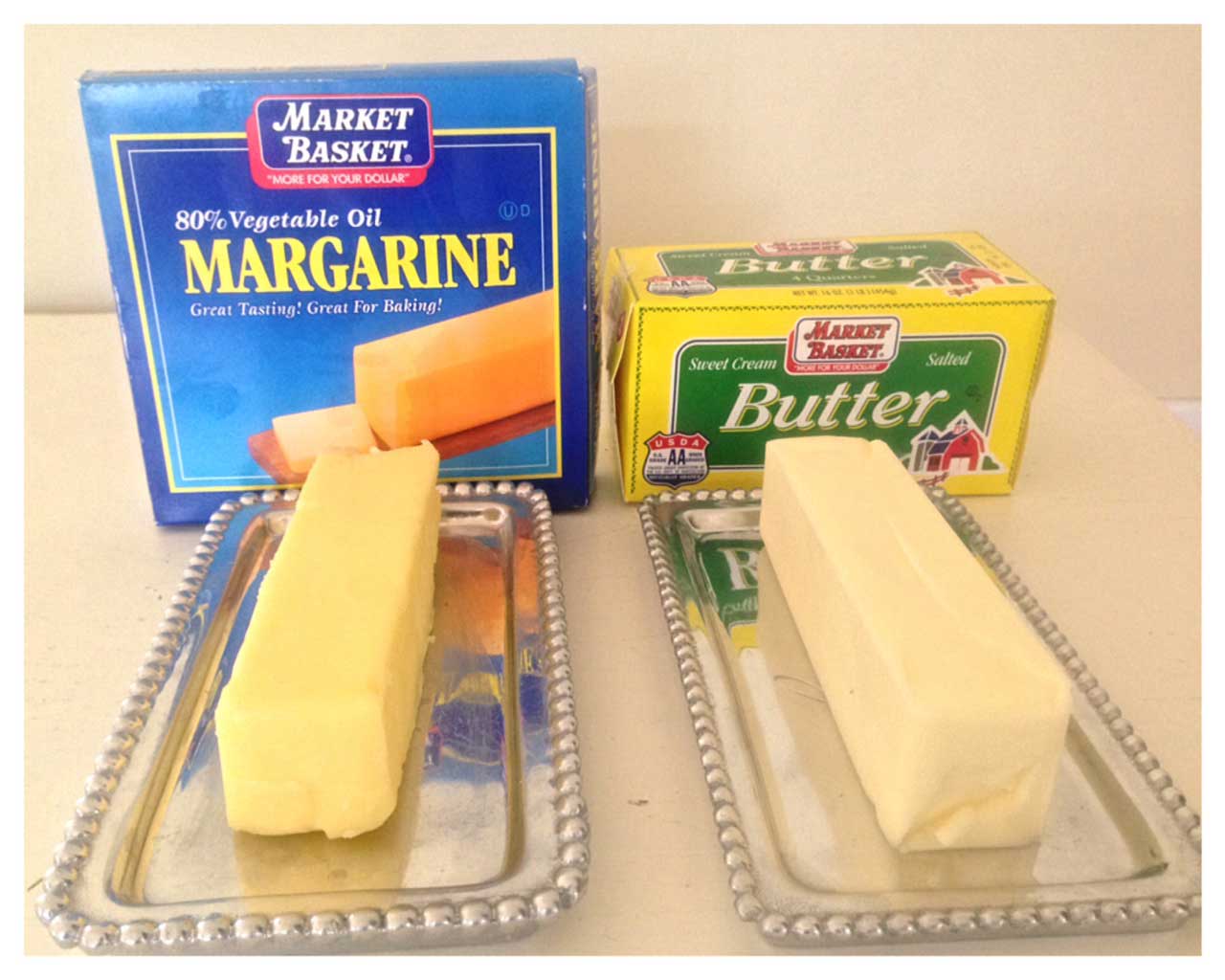
Butter Versus Margarine – An Epic Struggle for Dominance at Dinner for 155 Years
Growing up in a typical middle-class home in the sixties, I was used to margarine (AKA Oleo) being the main source of spread on my bread. On the rare occasions when we had pancakes, the yellowish spread was the only choice. I never really questioned why we used margarine over butter, but I remember clearly how much of a treat it was to go to my grandparent’s house and having access to unlimited supplies of real creamery butter.
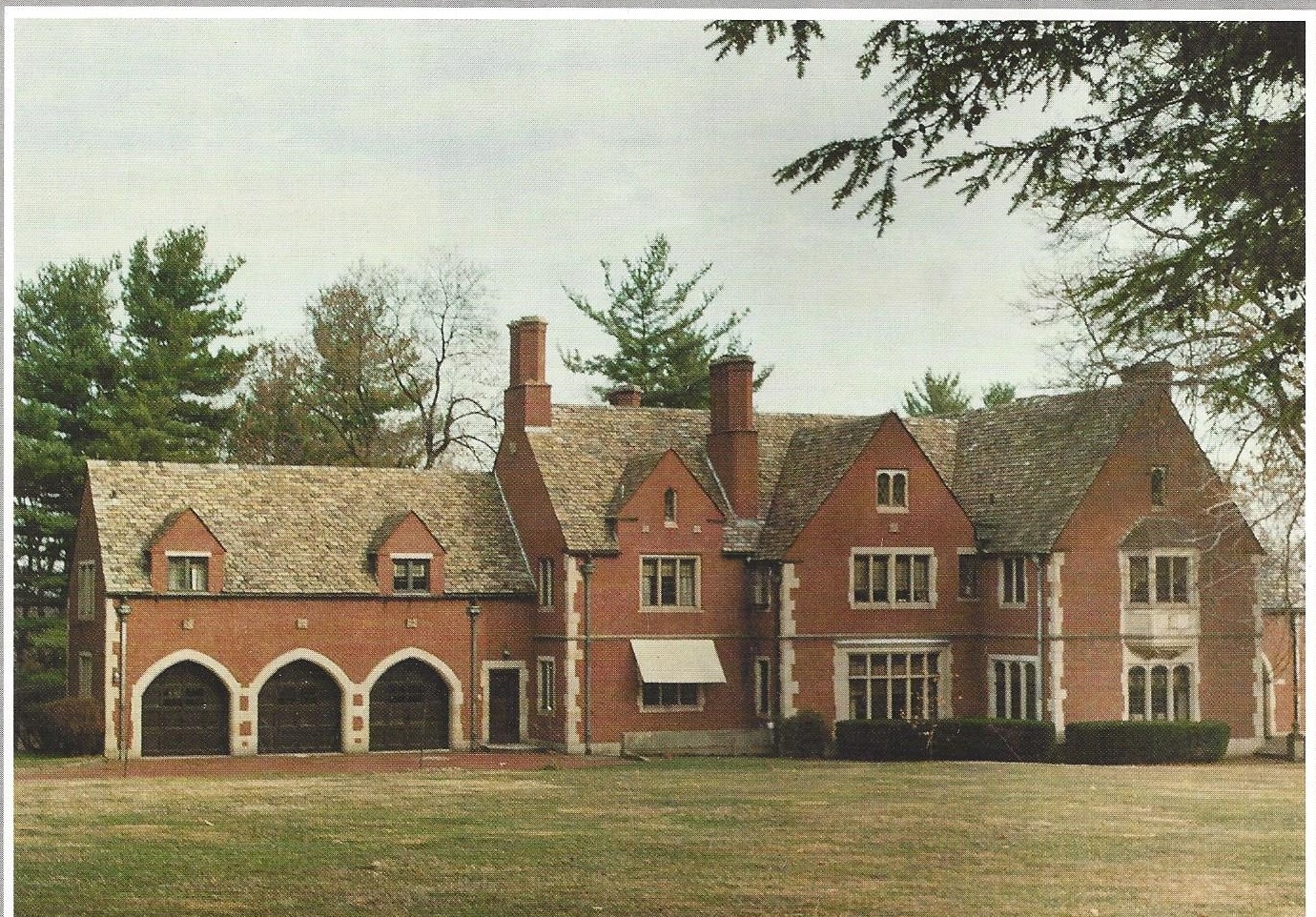
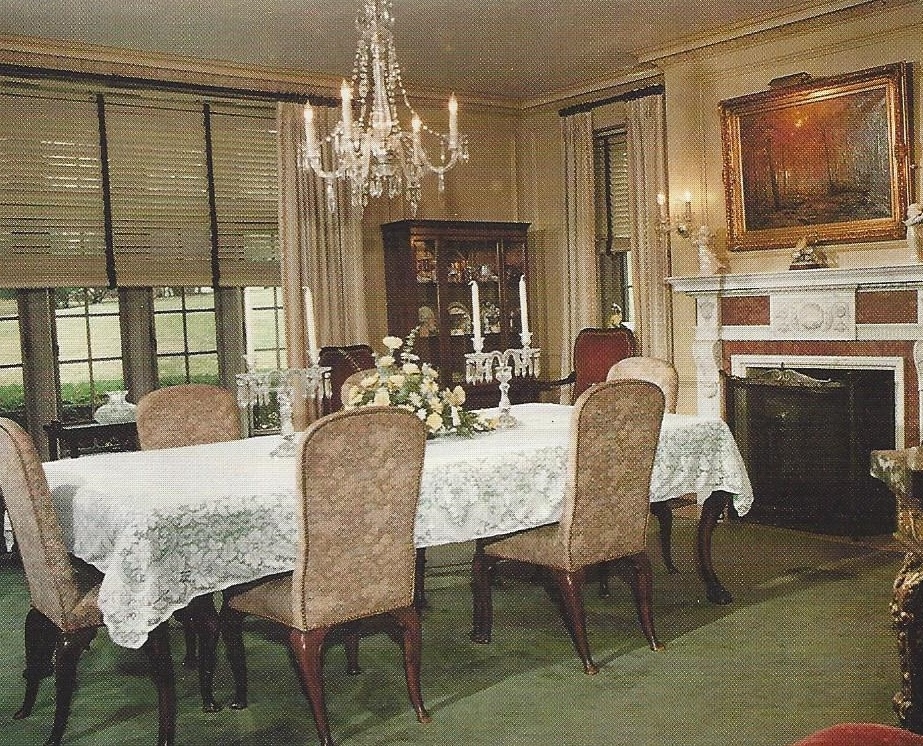
Holiday times were especially blessed with those crescent rolls lathered with butter and grandma Peeps famous Hollandaise sauce. If there was ever a sauce that beat hers, I have yet to find it in my travels around the world eating in five-star restaurants in Paris, London, Stockholm and all around the USA. No, there was nothing like it.
But at home, it was always some kind of margarine. And where did margarine come from anyway?
Margarine was created by Hippolyte Mège-Mouriès in 1869 in response to a challenge by Emperor Napoleon III to create a butter substitute from beef tallow for the armed forces and lower classes. Mège-Mouriès patented the product, which he named oleomargarine, and expanded his initial manufacturing operation from France, but had little commercial success. In 1871, he sold the patent to the Dutch company Jurgens, now part of Unilever. In the same year a German pharmacist, Benedict Klein from Cologne, founded the first margarine factory in Germany, producing the brands Overstolz and Botteram.
Wait a minute! The lower classes? The armed forces??? Well, that explained a lot.
In 1871 the product of margarine came to the United States and a series of events over the next hundred years led to an abundance of margarine products. And the most important thing apparently was the lower cost. Even though Dad was doing pretty well by the 1970’s our family budget for five hungry kids needed some help and margarine was cheaper than butter.
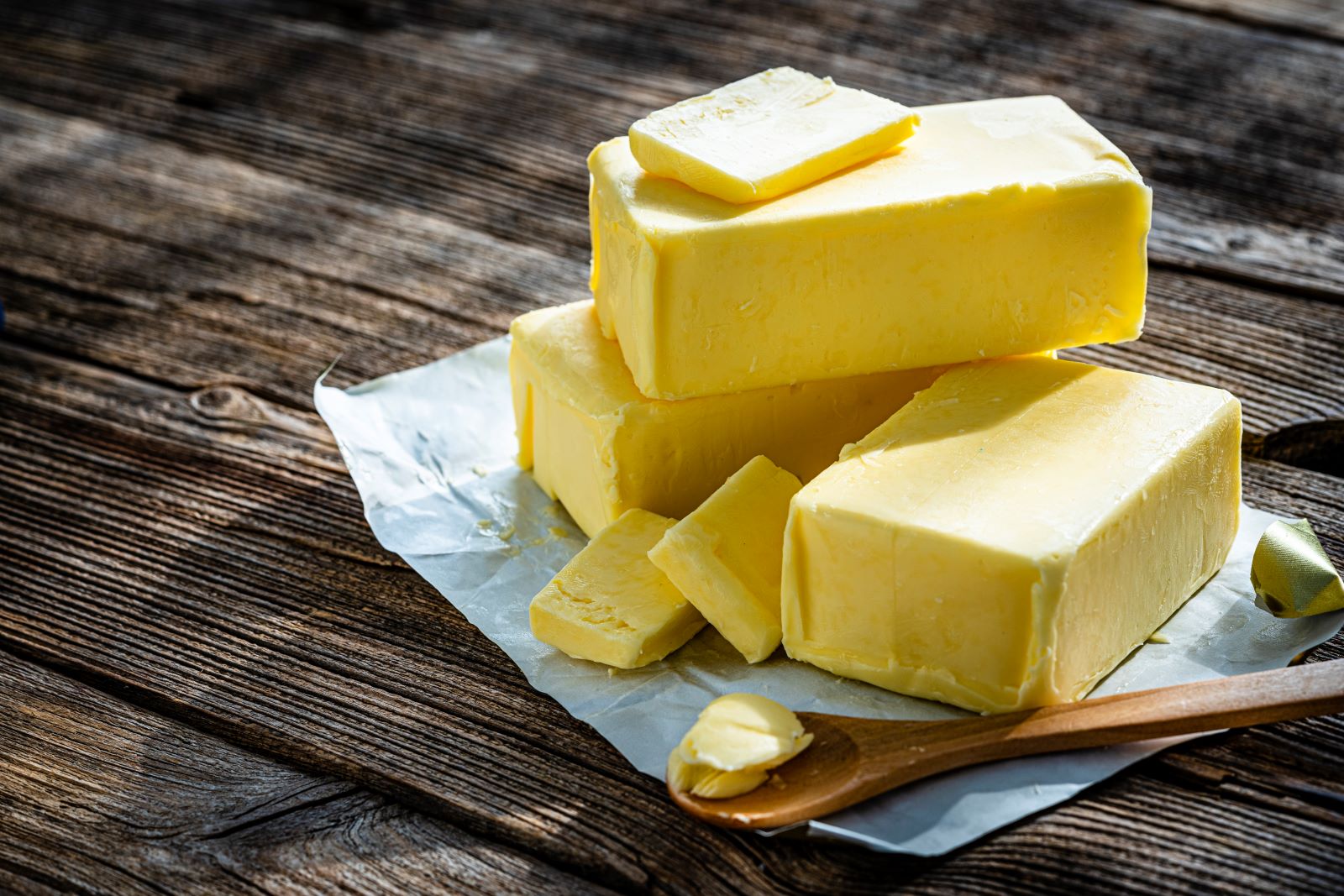
The endless debate
Margarine is better than butter. Butter is better than margarine. Even though certain products wanted you to believe the margarine of the day tasted exactly like butter, I knew the difference. Working at my grandmother’s house in three seasons cutting the brush in the outer fields, mowing grass and raking leaves gave me more than enough opportunity to indulge in her seemingly endless supply of butter on everything from cinnamon rolls to sour dough bread at lunch. It was pure heaven.
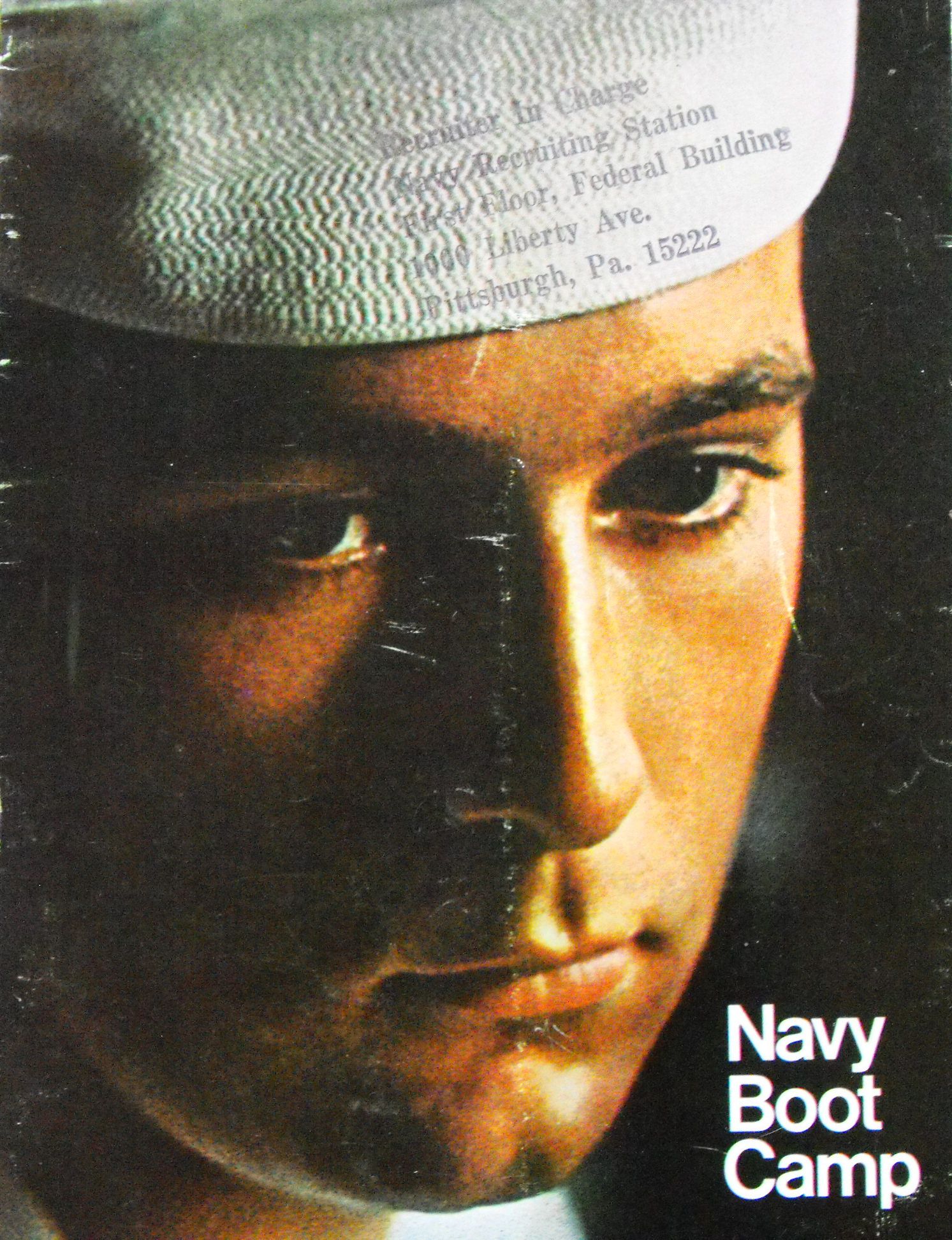
When I decided to join the navy, one of my first trips to begin the process was the processing center in Pittsburgh. It was an all-day affair, and I got my very first government meal. In the box of carefully prepared food (government inspected of course) were several pads of butter sandwiched between wax and paper pads. I used them both on the roll provided. I can remember the taste, salty and sweet, just like at Grandma’s house. I was convinced that this navy journey was going to be great. No more margarine for me.
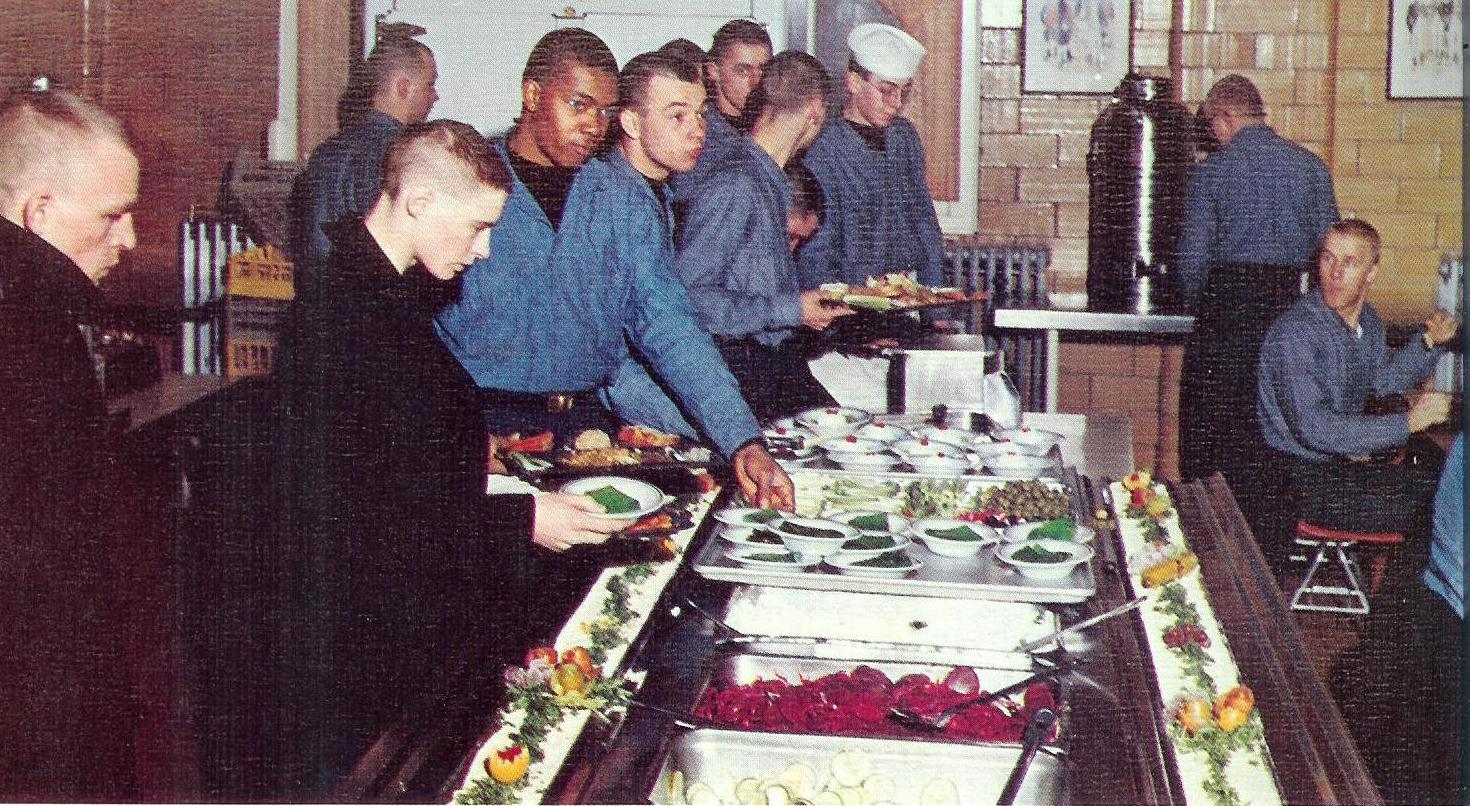
Boot camp reinforced the fact that I had hit the jackpot. Even though there was a small tray of margarine, the butter tray was overflowing. At 18, I wasn’t worried about eating a lot of high fat food. They were good at making sure we ran it off every morning and afternoon. I am pretty sure I kept the dairy industry afloat for most of my first tour. I was not aware at the time that that was the entire point.
Butter Versus Margarine has always been about politics
In the late 19th century, some 37 companies were manufacturing margarine in the US, in opposition to the butter industry, which protested and lobbied for government intervention, eventually leading to the 1886 Margarine Act imposing punitive fees against margarine manufacturers.
The long-running battle between the margarine and dairy lobbies continued: in the United States, the Great Depression brought a renewed wave of pro-dairy legislation; the Second World War, a swing back to margarine. Post-war, the margarine lobby gained power and, little by little, the main margarine restrictions were lifted, the most recent states to do so being Minnesota in 1963 and Wisconsin in 1967. Lois Dowdle Cobb (1889–1987) of Atlanta, wife of the agricultural publisher Cully Cobb, led the move in the United States to lift the restrictions on margarine. Some unenforced laws remain on the books.
But which is truly better?
From the Harvard Medical Review (Assuming it wasn’t plagiarized)
Butter vs. Margarine
January 29, 2020
If you enjoy butter on your baked potato, toast, or pasta, you’ve probably felt a pang of guilt when putting that golden pat on your plate. Or worse, you may feel conflicted and confused as to whether you should stick with butter or switch to margarine or another spread.
Although a staple of the American diet, butter came under a great deal of scrutiny when its high levels of saturated fat were associated with increased heart disease risk. Many people accepted the demise of butter in stride, ruing the loss of its savory flavor but agreeing that its effect on the heart might be too high a price to pay. They dutifully switched to margarine, as researchers and nutritionists suggested. Then the hazards of margarine came to light. The older margarines had high levels of trans fats that packed a double whammy for heart disease by raising levels of LDL (bad cholesterol) and lowering levels of HDL (good cholesterol). Many people felt betrayed or duped.
The truth is, there never was any good evidence that using margarine instead of butter cut the chances of having a heart attack or developing heart disease. Making the switch was a well-intentioned guess, given that margarine had less saturated fat than butter, but it overlooked the dangers of trans fats.
Today the butter-versus-margarine issue is really a false one. From the standpoint of heart disease, butter remains on the list of foods to use sparingly mostly because it is high in saturated fat. Margarines, though, aren’t so easy to classify. The older stick margarines turned out to be clearly worse for you than butter. Some of the newer margarines that are low in saturated fat, high in unsaturated fat, and free of trans fats are fine as long as you don’t use too much (they are still rich in calories).
You can quickly compare the health value of spreads (including butter and margarine) simply by looking at the nutrition labels on these products. The FDA now requires nutrition labels to include information about both saturated fats and trans fats. Your goal is to limit intake of saturated fats and to avoid trans fats altogether.
Healthier alternatives to butter or margarine include olive oil and other vegetable oil–based spreads, which contain beneficial mono- and polyunsaturated fats. Next time you tear into a warm loaf of bread or roll, consider dipping it in olive oil rather than coating it in butter. If you’re trying to lower your cholesterol, stanol-based spreads (for example, Benecol and Take Control) are even better, since regular use can help lower LDL cholesterol levels.”
Submarines and Butter
I am sure some submariners will chime in and say they had easy access to margarine. I do not remember that being the case on my five boats. Or perhaps my memory from so long ago has just blanked out the margarine in the memory of so much butter. Cases and cases of government issue butte that was lovingly passed down through the hatch on stores load days. Then fur the rest of the underway time it held an honored place on the mess deck tables along with the hot sauce and ketchup. Even though submarine food was pretty good overall, it was nice to have a familiar friend to spread over the freshly baked bread and cinnamon rolls that were stapes of the submarine diet.
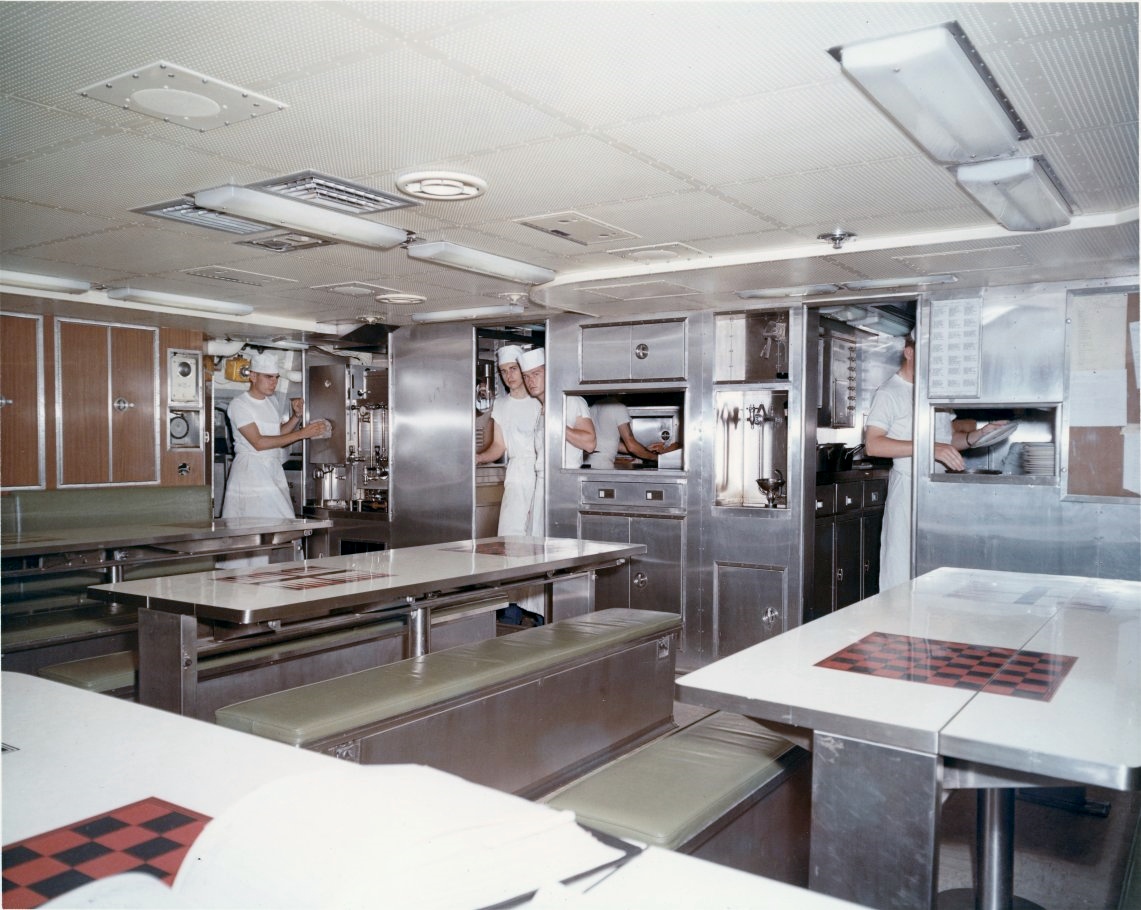
The best part though was having melted butter for the lobster tails that used to appear like magic when we were about to find out we were extended again. To this day, I love lobster but dread the fact that it could be a harbinger of bad news. Yet I do not hesitate to order it when we have special occasions.
The Best in the West(ern Pennsylvania)
There is a restaurant in Jeannette Pennsylvania that specializes in seafood called The Nest. They have the very best seafood in Western Pennsylvania and their lobster never disappoints. I can’t help thinking though that lobster is nothing more than a tasty butter delivery device.
https://www.nestrestaurant.com/
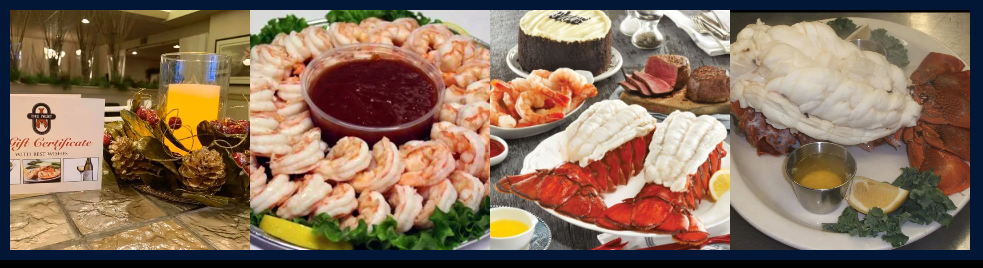
We learn from our parents.
My dad struggled with heart disease until he passed at the young age of 66. I remember coming home from the navy and found that mom had him on a strict diet of margarine. I’m pretty sure he had consumed a lot of it in the Philippines as a young sailor since that was probably the only thing available to him. I’m also pretty sure he ate a lot of butter when we went to grandma’s house for Thanksgiving and Easter.
We no longer debate the margarine thing in our house. We limit the amount of butter and when we do cook its always the salt free kind. My one exception is the semi soft Kerry Gold Irish butter but again that is done in moderation. I attribute my desire for it to the small part of me that is Irish according to my DNA report.
But on the rare occasions when we eat at a fancy restaurant these days, I look forward to that basket of warm bread and that ball of creamy butter that always comes with it. I try not to drool too much as I use my knife to slice it off and watch the cold butter melt against the warm bread. A lifetime of memories fills my head as I bite into that first slice.

 theleansubmariner
Hey shipmate, when you were on the Ohio was there a storekeeper named Jon Jaques on your crew?
I only did four runs from 84-85. I do not remember the name. sorry. I am glad I made the patrols because it set me up for Trident Training Facility. Taught technical and non-technical classes and gained my Master Training Specialist as well as most of my degree in education. That helped me have a very successful second career and part of a third. My time on Ohio was pretty humbling in many ways. I had qualified as COW on my previous boat, but the Ohio was too top heavy for me to even think about going forward. Plus, I had been a successful Command Career Counselor but refused to do that on Ohio. My punishment was exile to the back of the boat. I ended up fooling them though, I made Chief first time up and CWO first time up. Life was good
Mac
I taught Missile Techs at Dam Neck from 1774-76. I enjoyed it, in fact, I went to work for the Tennessee Valley Authority right out of the Navy and worked in two nuke plants. My last job was as an Instrumentation instructor for 18 years. It was a lot of work satisfying the NRC, but it was a great job.
Thanks for checking in Alan.
Mac
On Vallejo Gold (SSBN-658) it was a real treat to go to Mid-Rats. Our cook at that meal worked off-crew at the Ilikai Hotel in Waikiki and tested his recipes on us at midnight. Great stuff like Chicken Teriyaki and Bouillabaisse, some of which was cooked with butter, I’m sure. We didn’t know it was night, just that the movie followed this meal.
Now comes the real butter story, Dickie, the baker created intermission in the movie by bringing out the bread he had just got out of the oven and put it on the mess deck tables to cool. He learned to also bring a pound of butter, because somehow one of the loaves always broke, so we ate it, slathered in butter of course. Then went back to finish the movie. And by then Dickie finished the sticky buns for breakfast, and they came out to cool, with guess what, more butter. In my four years on that boat, through new construction and 5 patrols, I gained 50 pounds. A good deal of it was bread and butter, I’m sure. Today, I’m back to the weight I have on my medical records when I entered the Navy, but that took a lots of work and some medical issues.
That is a great memory. I put on and dropped more pounds than I care to remember. I went from a fast boat to the Ohio and was definitely stretching the measuring tape. They had an actual doctor on that run and he was having none of my excuses. So I basically forced myself into a near starvation diet. When we got back from patrol, I had lost nearly forty pounds. My wife was on the pier waiting for us and she almost walked right by me. But to say that we had a very exciting homecoming would be an understatement.
Mac