It seems a lifetime ago when I last sailed on a submarine.
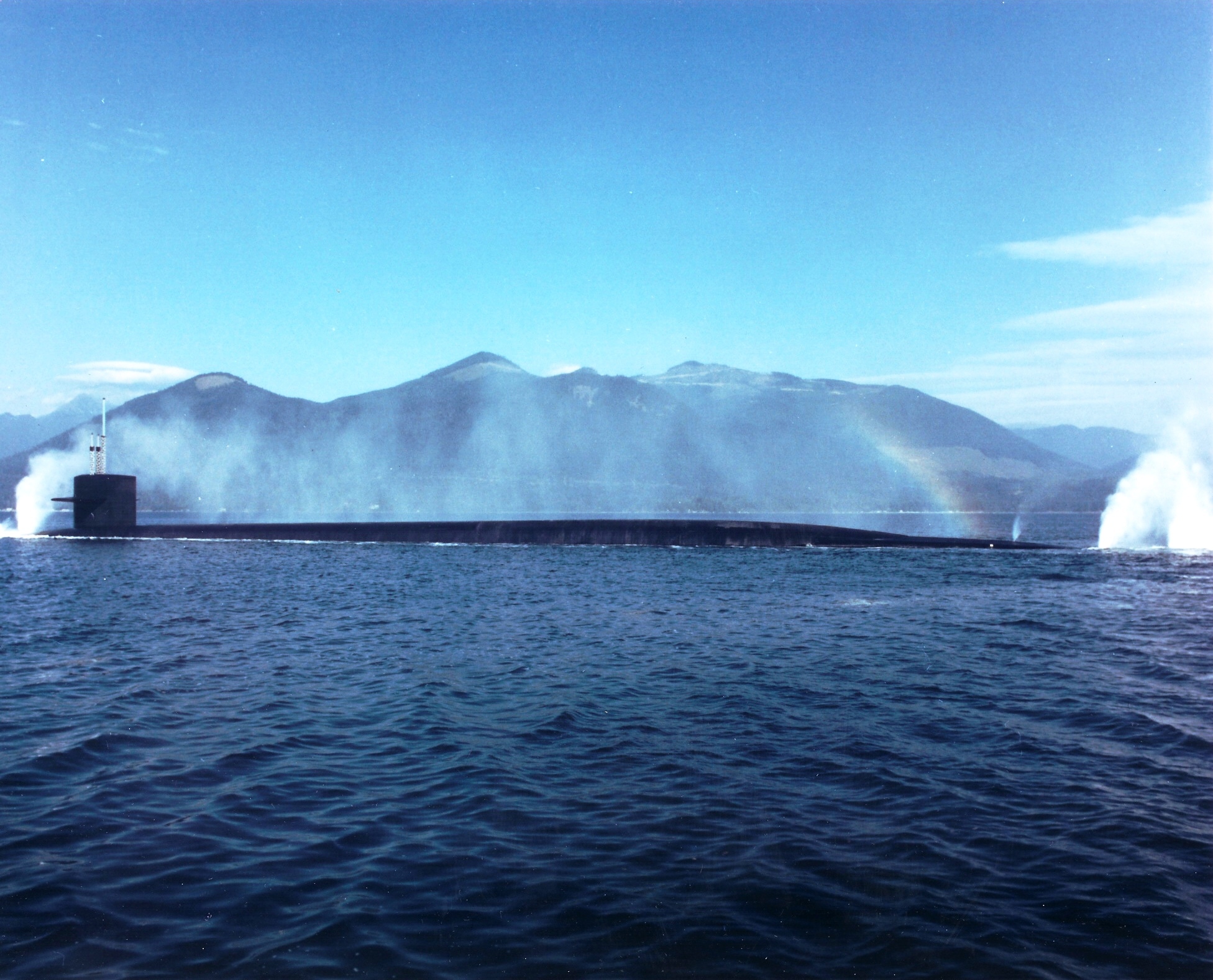
I left the USS Ohio in December of 1984 after making my fourth patrol. It was a routine patrol with nothing special to report. Considering that we were conducting a strategic deterrent patrol, that is a very good thing. After having served on three other submarines, I was ready to come home from the sea for a while and get fully reacquainted with my bride. Frankly, the last patrol seemed like it lasted way longer than it actually did in real time. I can remember being very happy to climb up the ladder for the very last time thinking that I wasn’t sure I could ever climb back down another one.
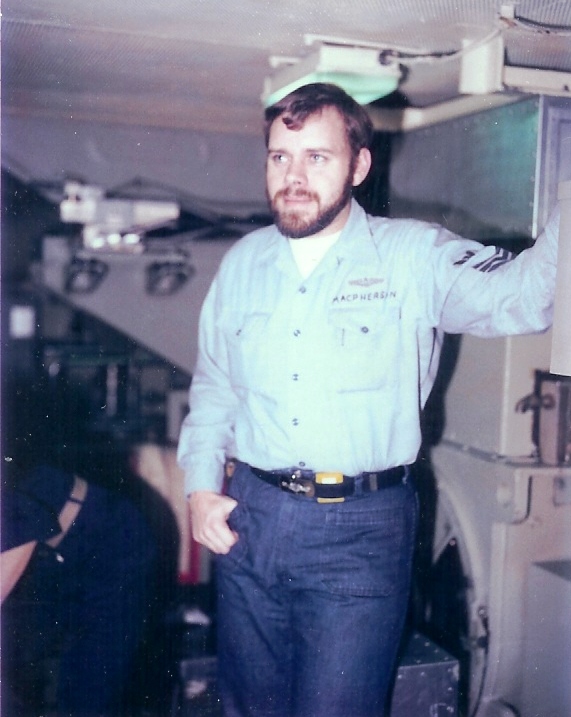
Patrols gave you a lot of free time to think about life in general. I wrote most of my thoughts down and would keep them in a box which we carried around with our household goods every time we moved. All told, we moved about twenty-one times as a couple. Last year as we prepared for the move down to South Carolina, I finally opened the box for the last time and destroyed all of the notebooks I had written in. Shredded and burned. To be honest, most of the notes were really personal and I did not want my nieces and nephews to see that part of our life.
But the memories remain.
Most of the time, they come unwanted in the middle of the night. Often times they are so realistic, it scares me awake. Life on board a submarine underway is unique in itself because of the crazy schedules, interrupted sleep (drills and sometimes casualties). I’m sure some medical team has done studies on the short- and long-term effects of all those anomalies, but I often wonder if anyone did a longer-term study of people who later in life experience the roller coaster of dreams that return unwanted.
It was just a job
I was interviewed for an article at a place I volunteer at now (Patriot’s Point in Mount Pleasant SC). The very nice woman who was interviewing me about my life seemed a bit unsure when I tried to explain what our mission was on the ballistic missile submarines. I teach a class most Mondays called Steel Boats and Iron Men – Submarines During the Cold War. Part of the class talks about MAD which is the program of Mutual Assured Destruction that was the framework of what we did. Having a nuclear threat capability that would assure utter and complete destruction of any opponent if they fired first was the heart and soul of the program. It is ironic that you could say heart and soul when it came to nuclear destruction of most of the world as we know it. Having sailed on a Trident that may or may not have had 24 trident missiles that may or may not have had unbelievably destructive weapons on board left a long-term impression on me. Having been on board when we took four practice shots was pretty memorable as well.
But thankfully, the patrols were pretty routine.
I started my career on the oldest boomer (USS George Washington) and ended on what was the newest at the time. The difference was like night and day when it came to technology. I can only imagine how far they have gone now. I served before the advent of the first Personal Computer and the one sitting in front of me probably has more capabilities then all five boats I served on. Nowadays, the technology inside the submarine is shared by many countries that might be considered foes. Some have outwardly threatened our country with consequences if we do this thing or the other. With the fall of the Soviet Union, fragments of the former enemy still pose a credible threat. Add China and other nuclear powers to the mix and the old days of a somewhat balanced threat actually seem desirable.
What does destruction look like?
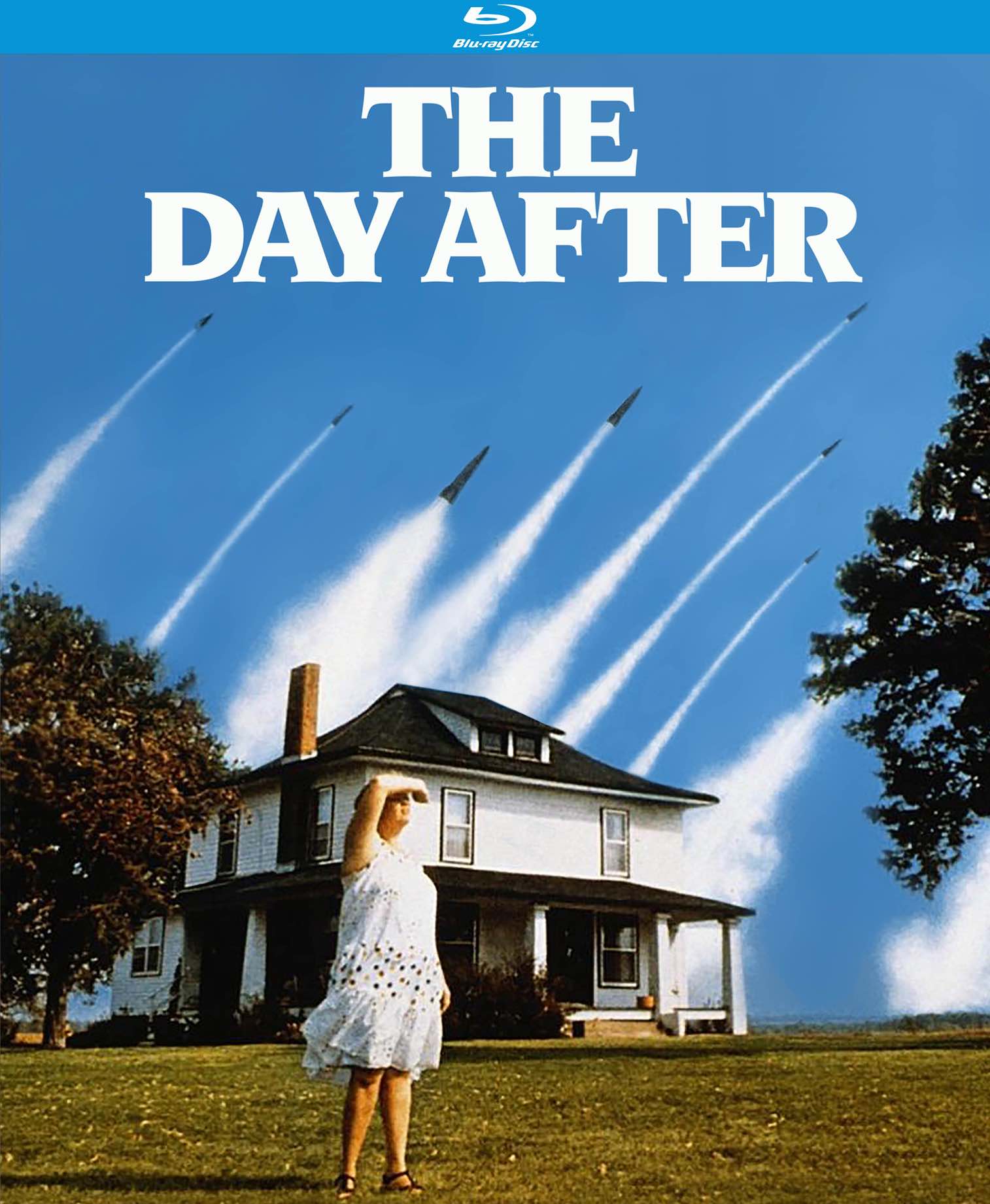
There was a movie on television back in the eighties called “The Day After” that was startling in its resemblance to what I always imagined would happen in a large-scale attack. I remember at the time thinking, how did we get here? The answer of course was that many nations during World War 2 were seeking stronger and more powerful weapons to bring that conflict to a close. America had its Manhattan project where scientists came together to harness the power of the nuclear elements that were mostly theoretical up to that point. The project was compartmentalized but it always struck me as interesting that the Vice President (Harry Truman) was not read into the efforts. All that would change when Franklin D. Roosevelt suddenly died in April of 1945.
All of the archived and previously classified documents related to the decision are available here: https://www.trumanlibrary.gov/library/online-collections/decision-to-drop-atomic-bomb
There are probably more documents, but this was a collection that was deemed safe to show the public. If the public chooses to seek them out.
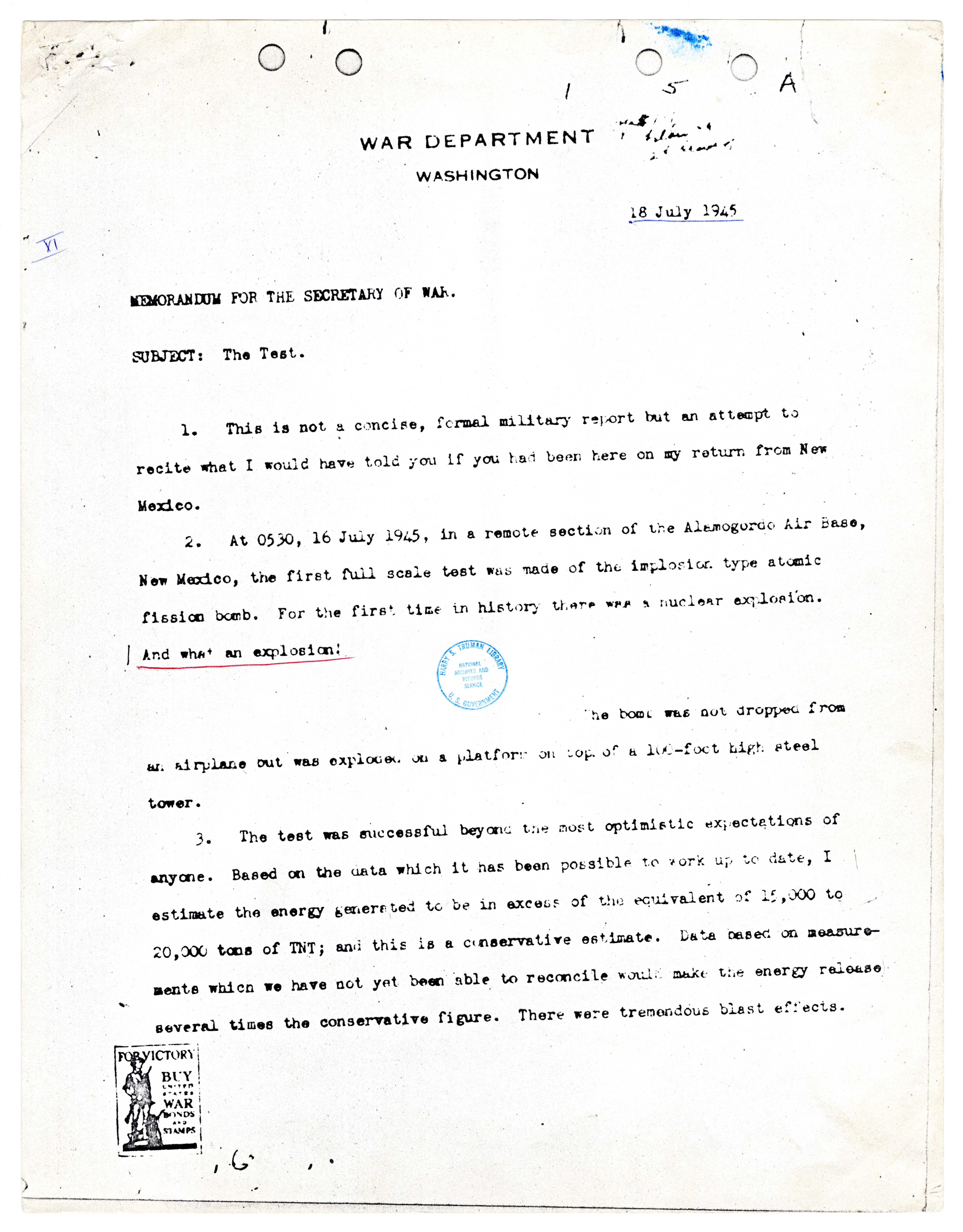
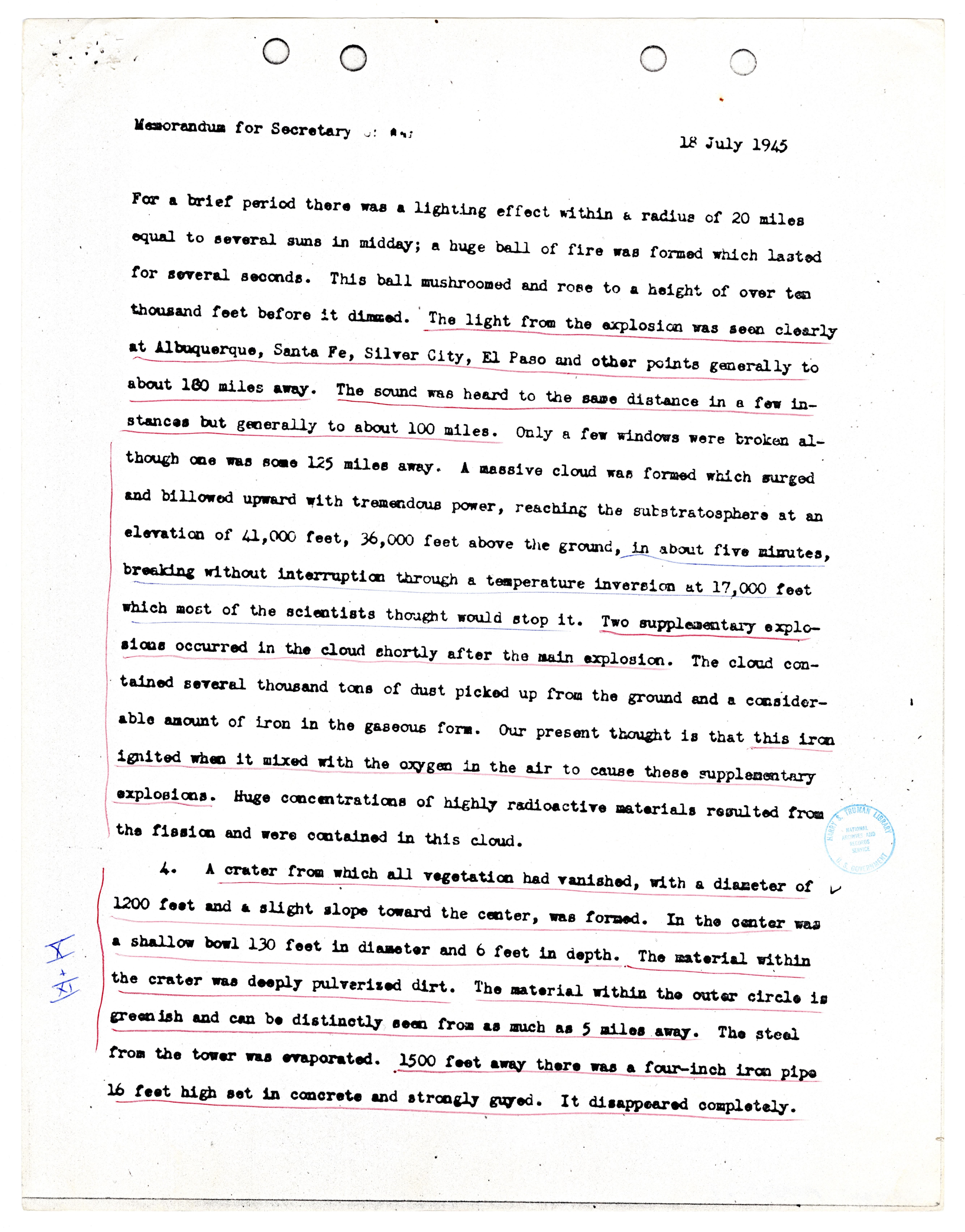
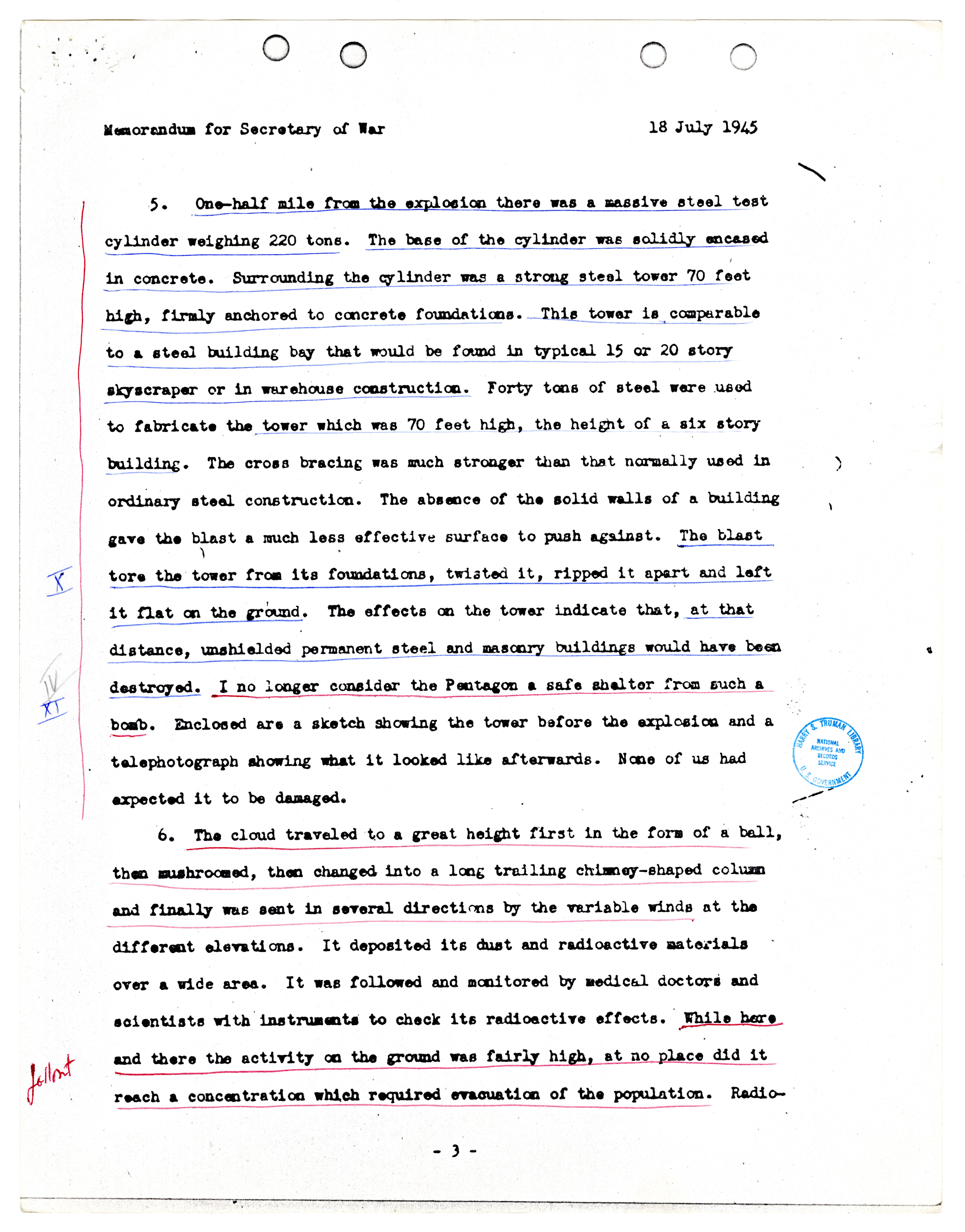
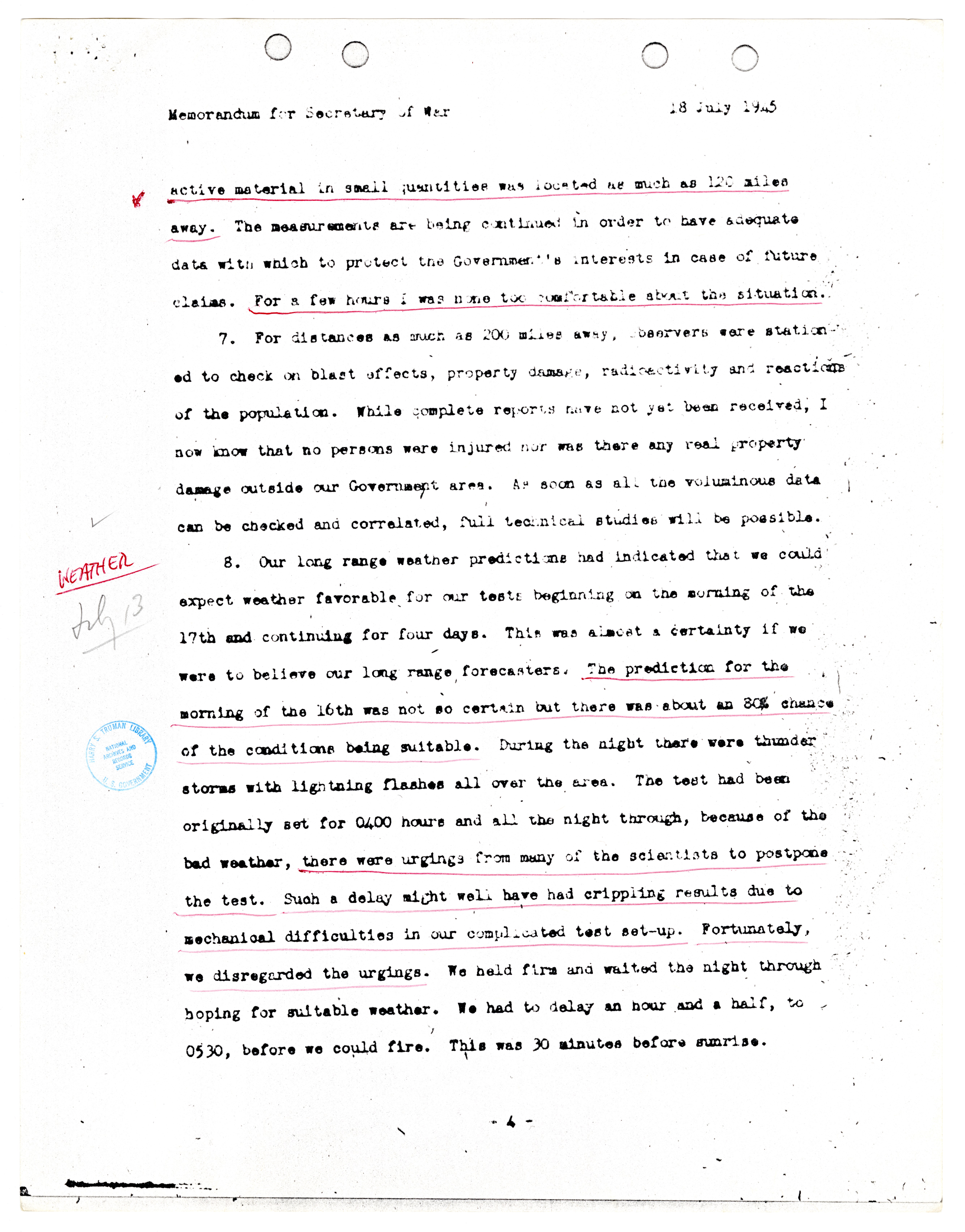
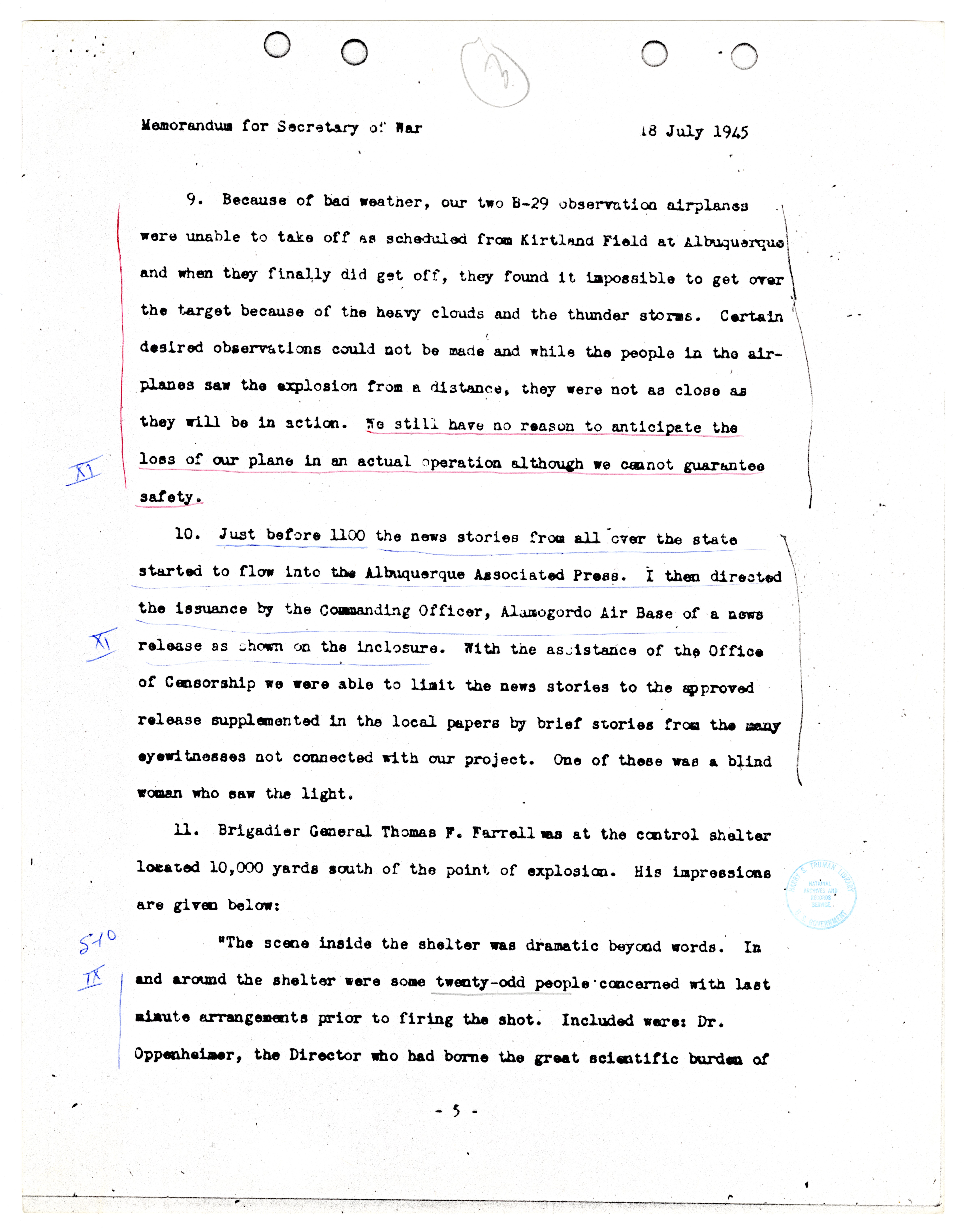
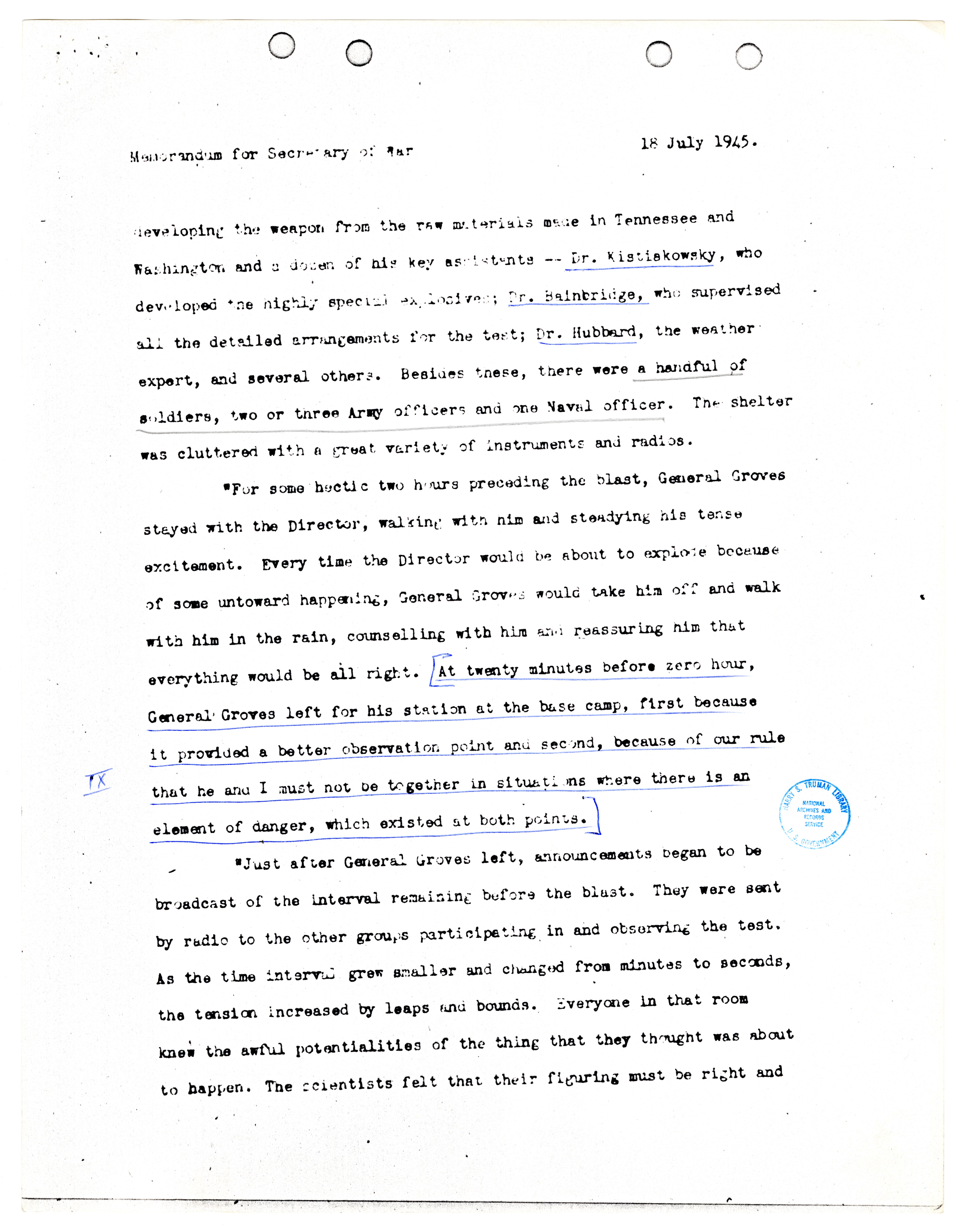
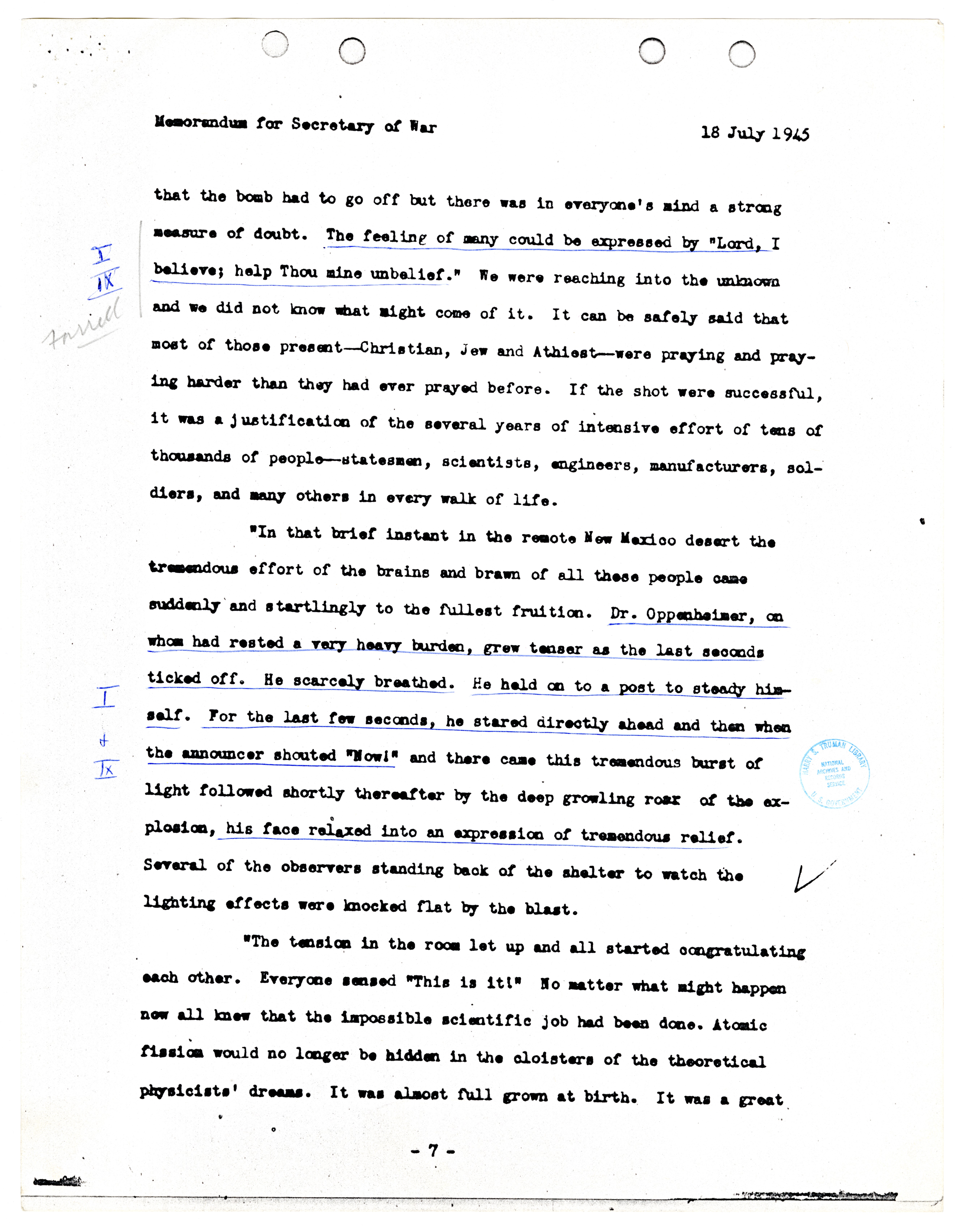
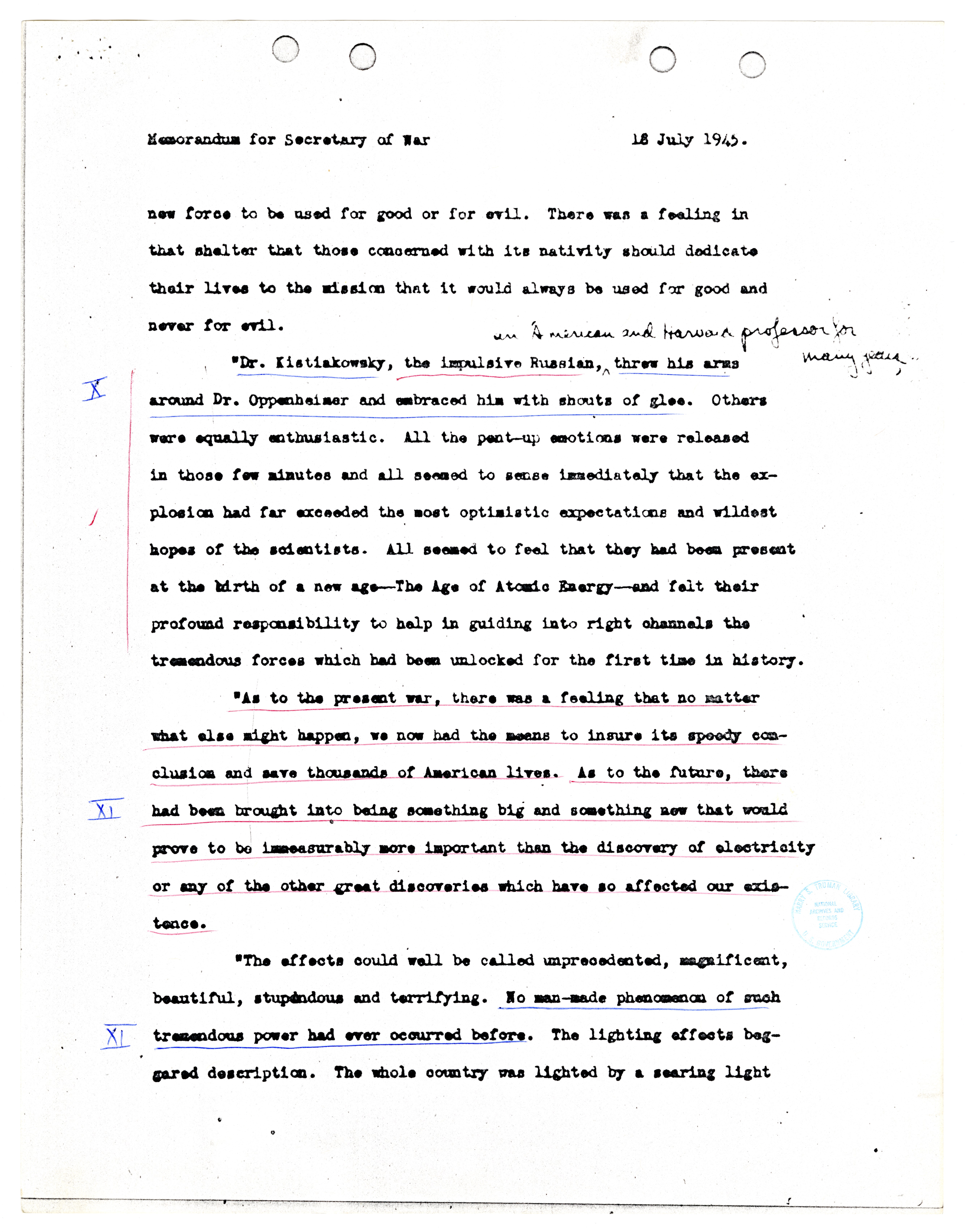
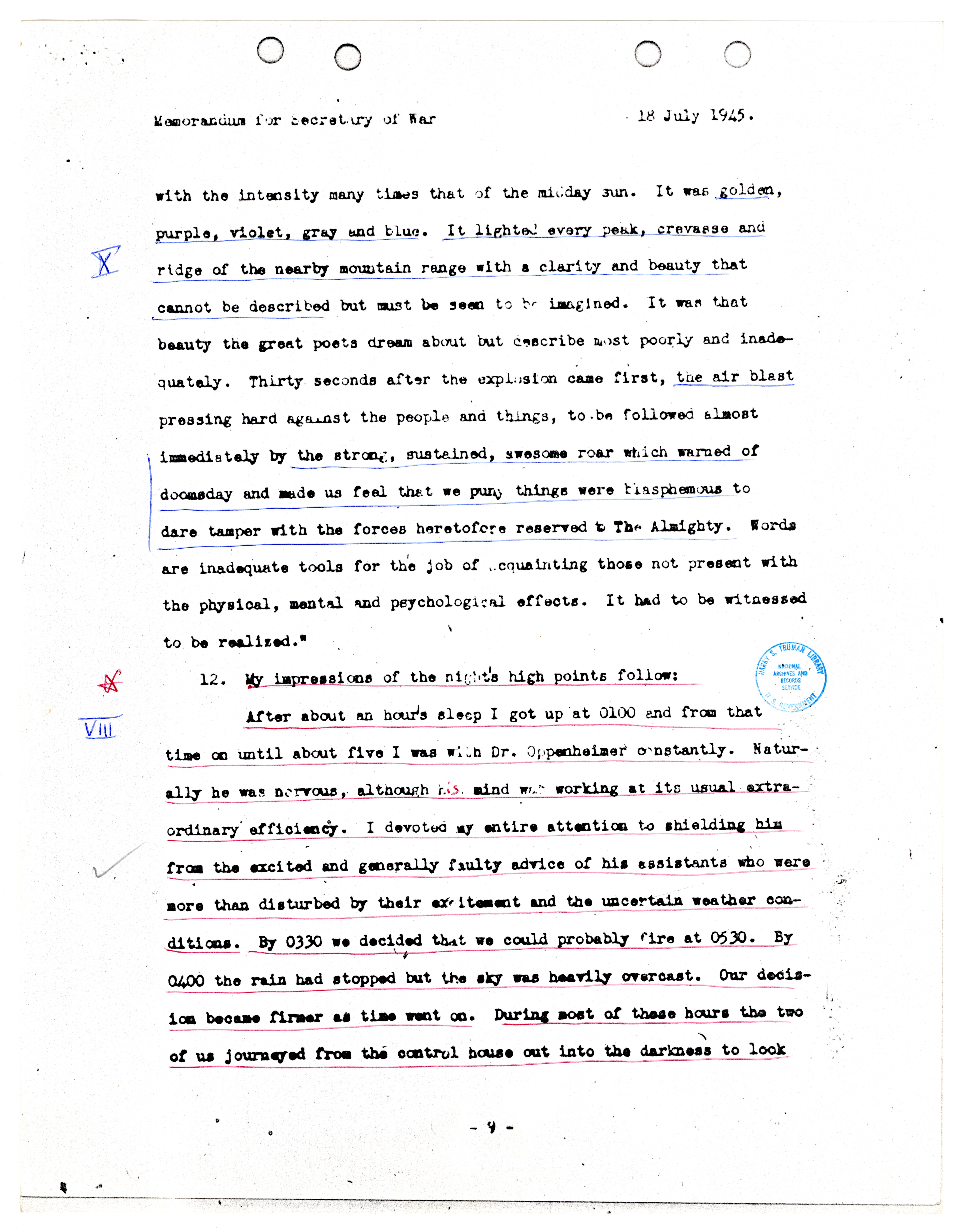
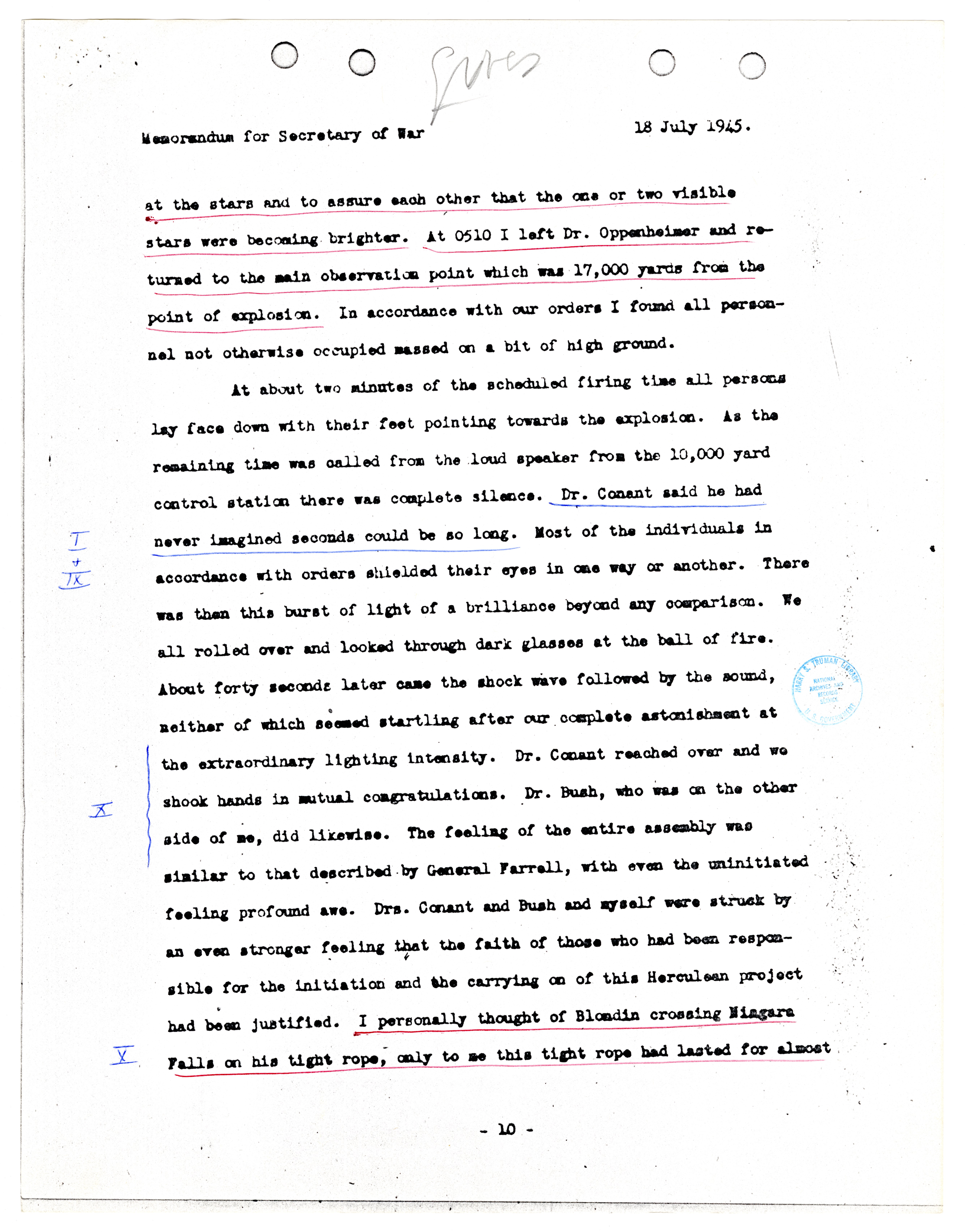
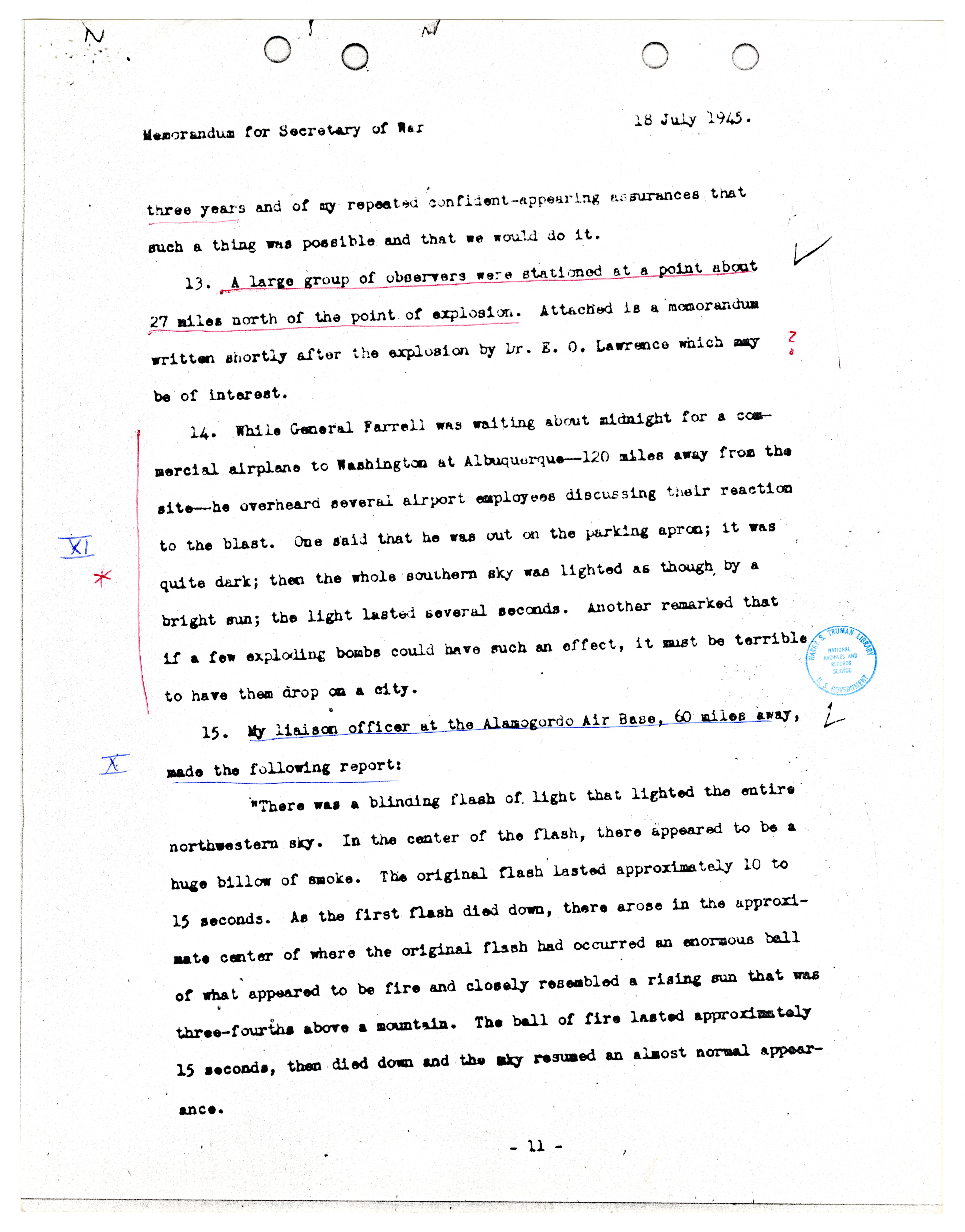
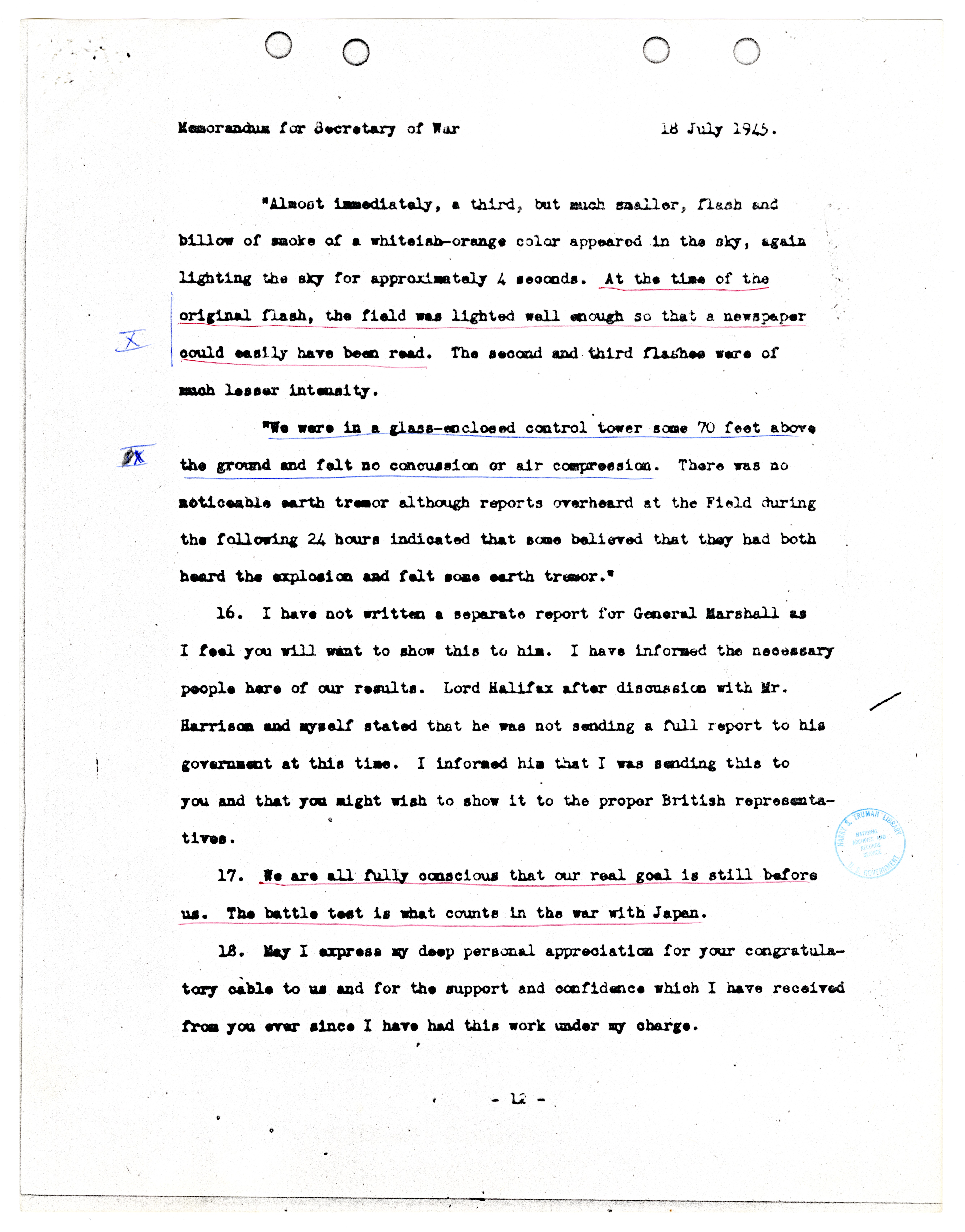
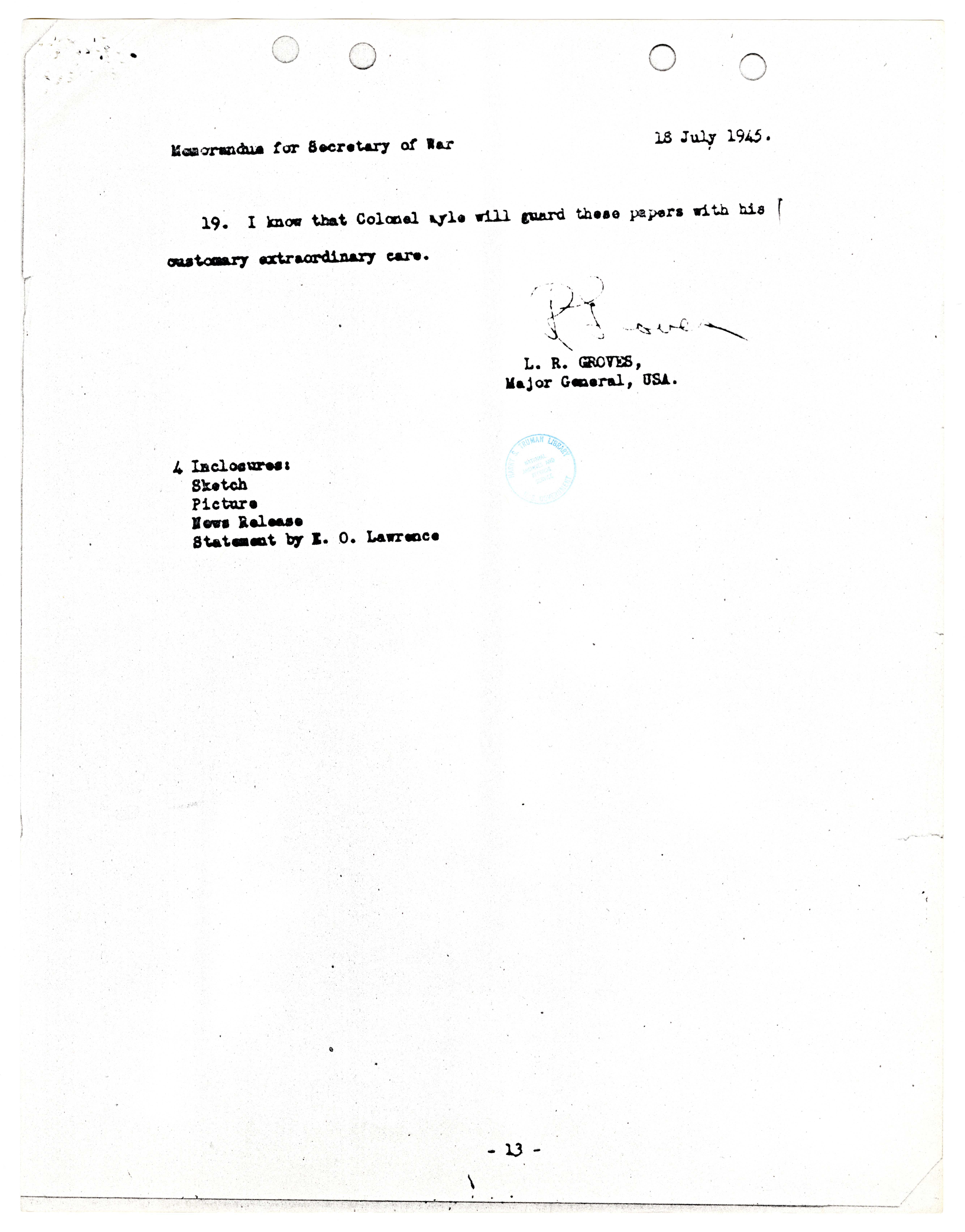
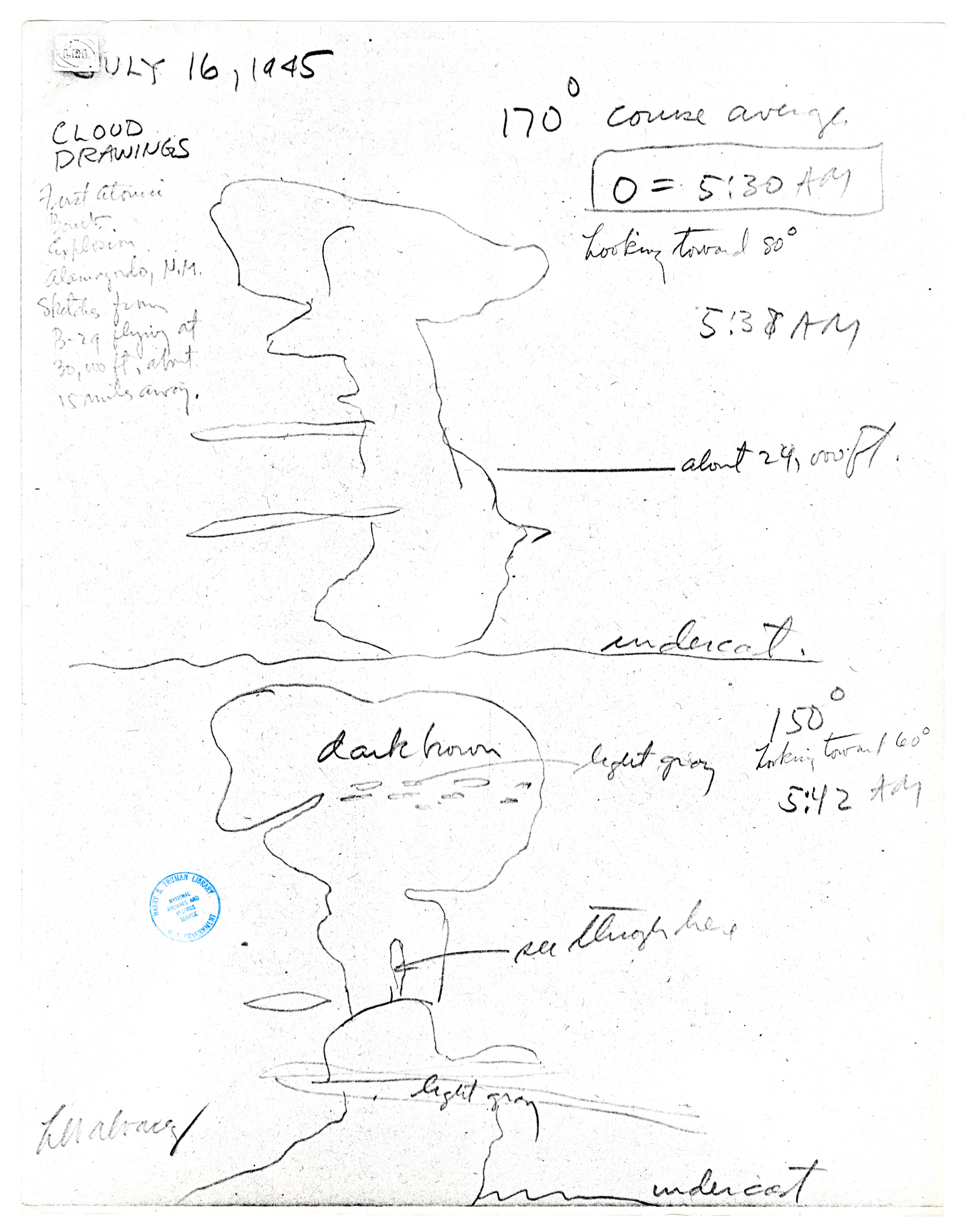
I am including the original note that details Truman’s entry into the chain of command and then General Groves report about the test that changed the world.
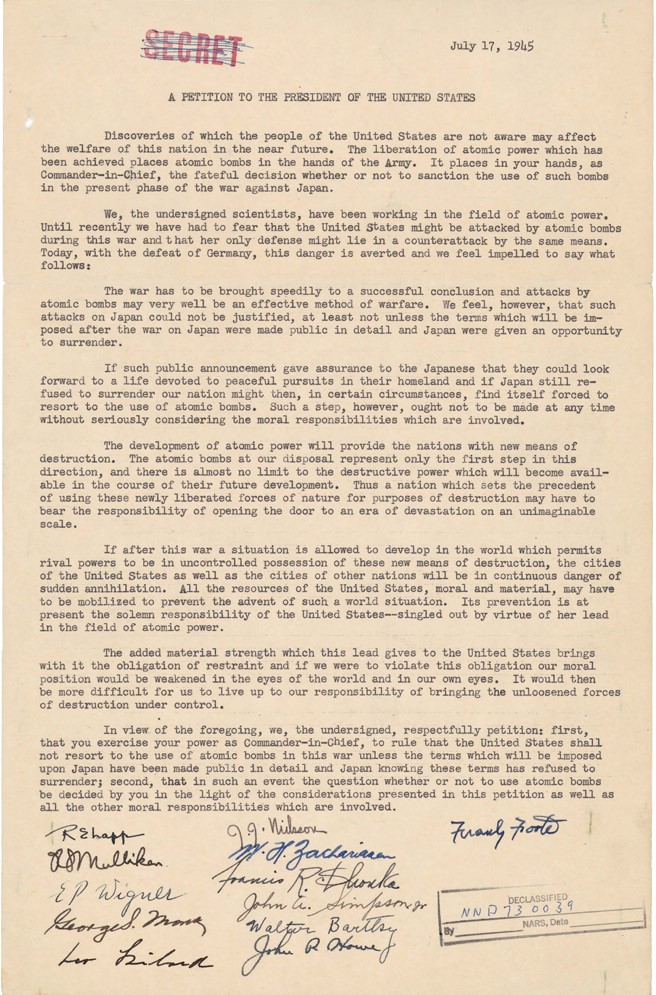
The second document was written by a number of the scientists urging that the President use the bomb only under certain circumstances.
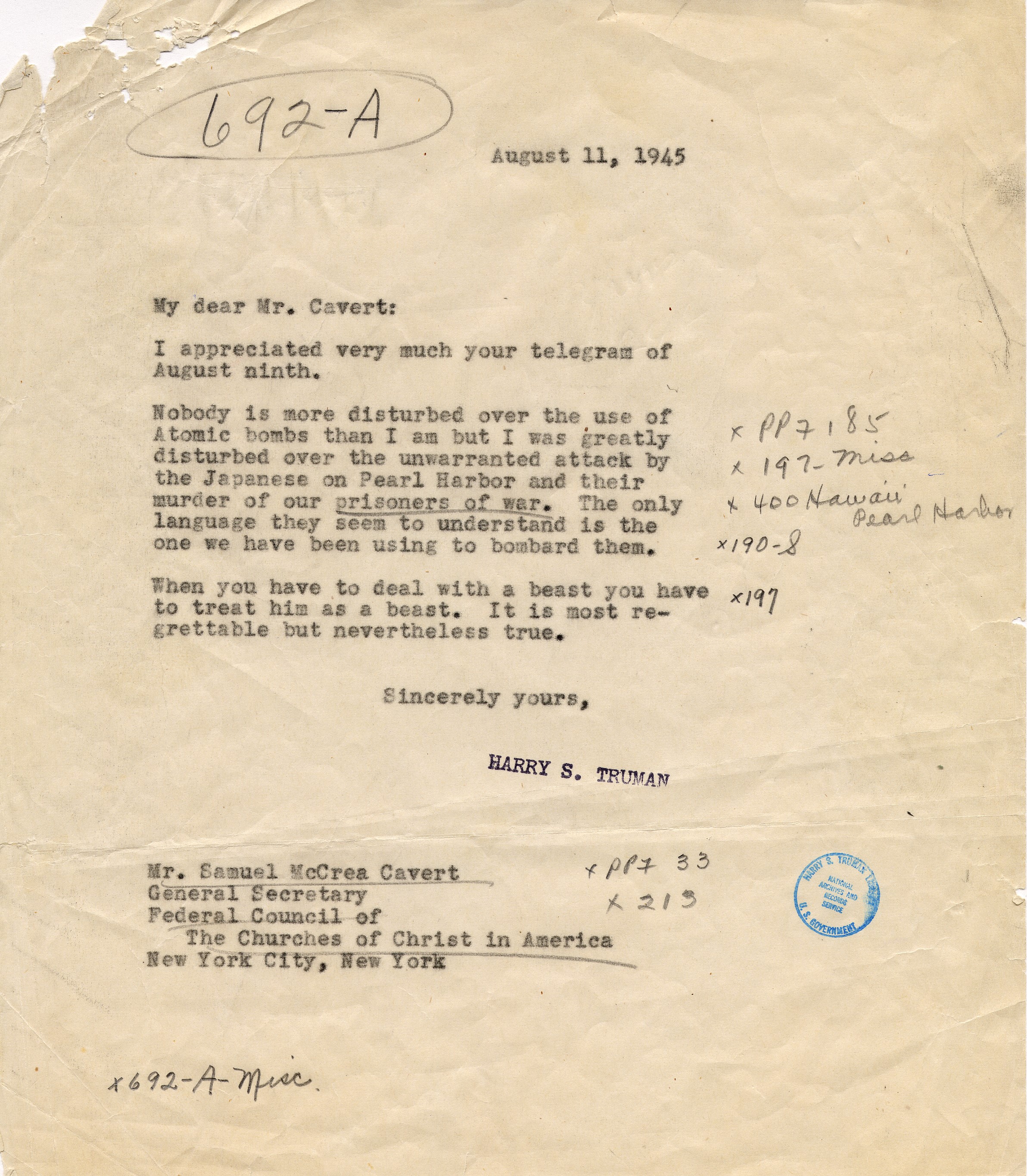
The last note was indicative of Truman’s state of mind when pressed about his decision to use the bomb to force the Japanese to submit to the allies.
I am only certain of one thing. My dad was in the Philippines preparing with his fellow servicemen for the invasion of Japan.
Many estimates (based on previous invasions) put the potential casualty rates above a million.
The use of the weapons certainly must have played a heavy role in the decision to accept the unacceptable.
But my dad got to come home and start a family.
Mister Mac
Update: My wife reminded me after I posted this that Harry S. Truman passed away on December 26, 1972.
I was on my way to submarine school just a few days later.
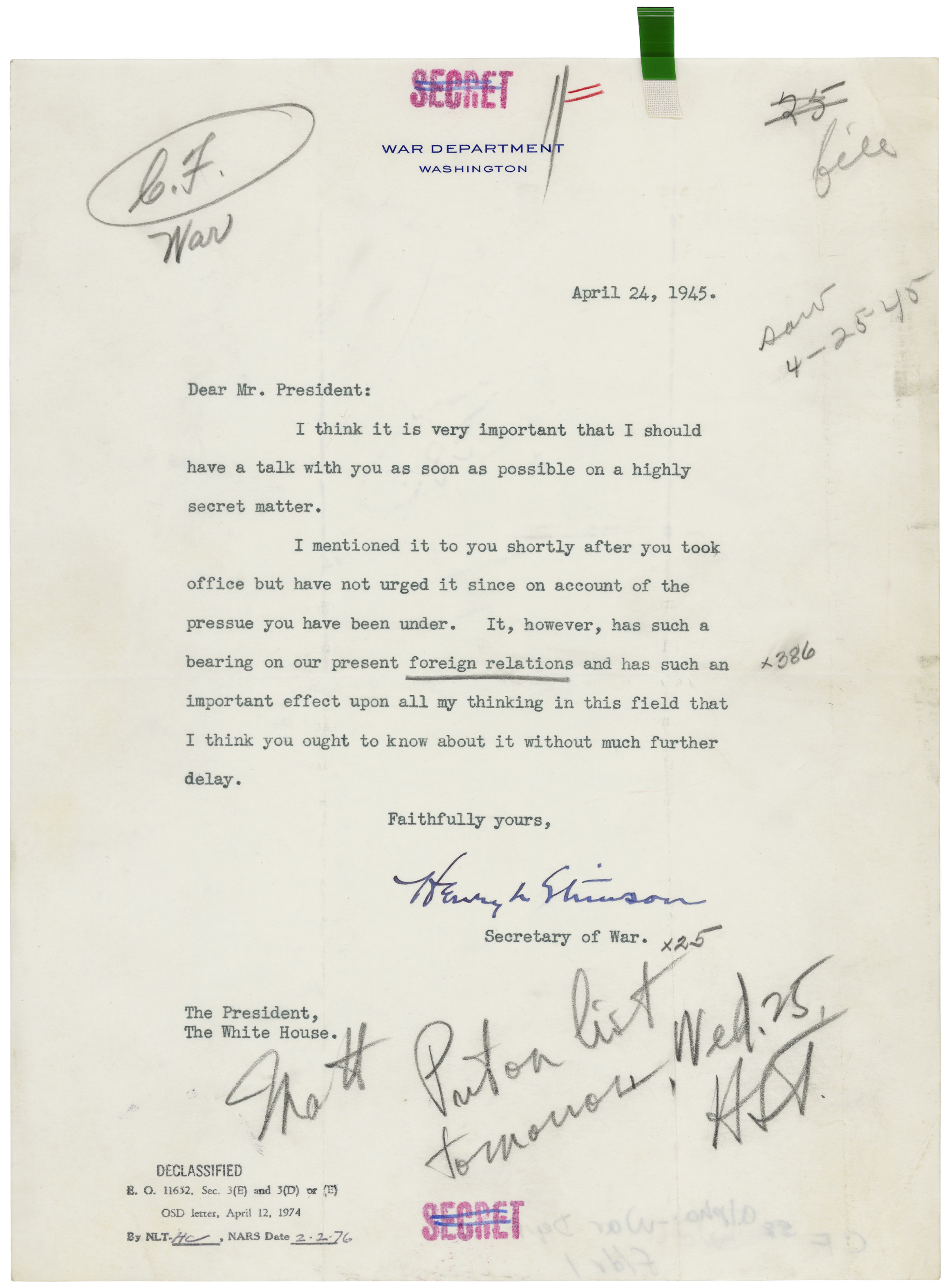
04/24/1945
11439_2005_001
July Test Report
Scientist Petition to the President
Truman’s Response to The Churches of Christ

 theleansubmariner
Something I read some time ago is that they produced such a quantity of Purple Hearts in anticipation of the casualties of the invasion of mainland Japan that we are still using those same medals. Casualties estimated at over one million, not to mention the almost total annihilation of the populace of Japan compared with the immediate and long-term effects of the two atomic bombs seem at least less egregious.
When I remember my first patrol in the Mediterranean with the 1SQ during the Yom Kippur War it makes me come awake at night with horror at how close we did come to “The Day After.” Since that time I have realized that there is a Hand guiding us that kept us from immolating ourselves. God is good!
I was also on patrol during Yom Kippur. My very first patrol. God is good indeed
Good artic
Good story, I was a MT for 4 1/2 years on the 610 1976-81. Much older now, submarine life made me grow up. I’d go back for one more run if i could.
Truman was right on every level.