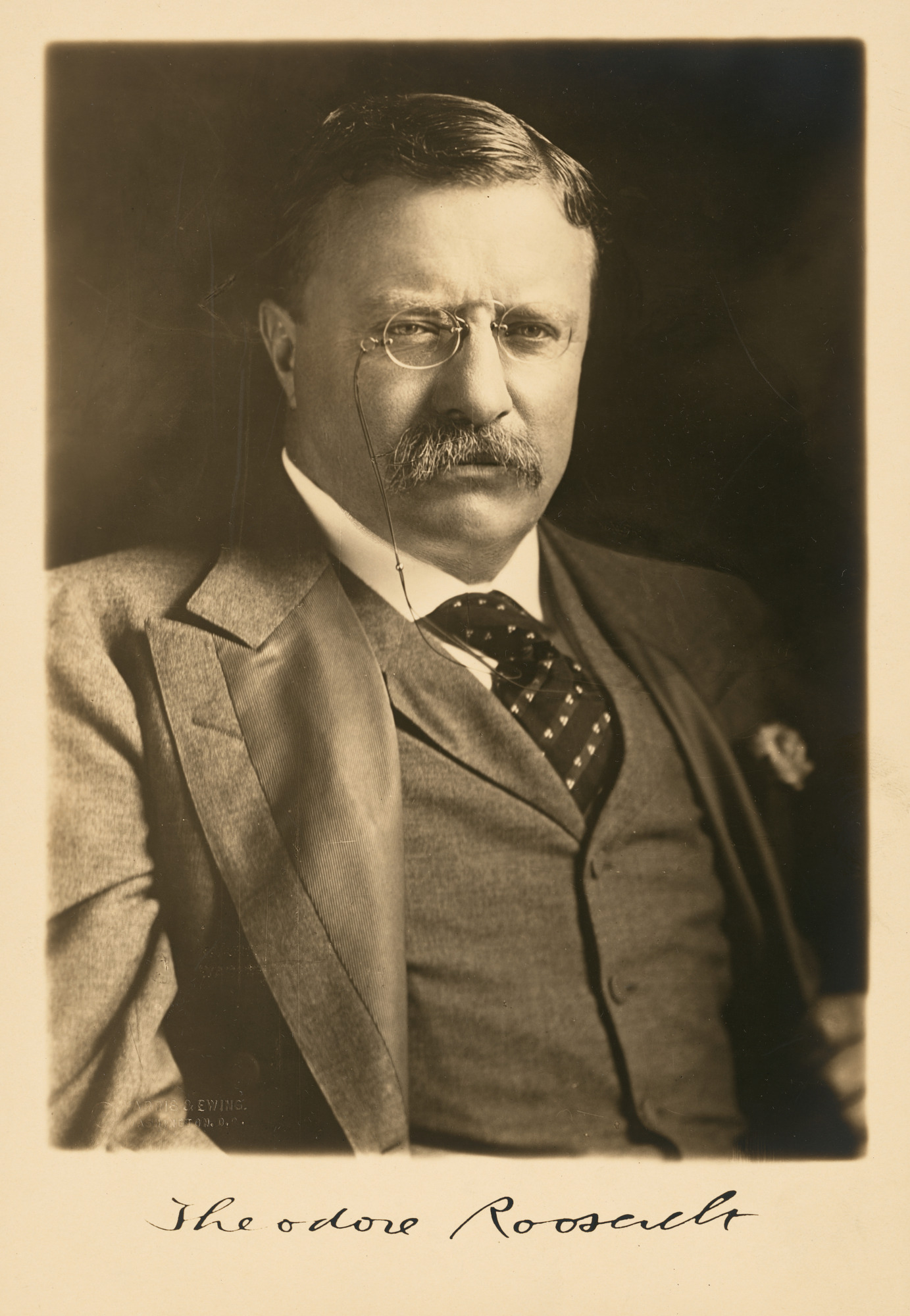
I see there is another book out about Theodore Roosvelt.
One of my favorite books from recent times is “Theodore Rex” by Edmund Morris which is an amazing record of his life as one of the greatest leaders America has ever known. I have also been reading a lot lately about the lead up to Pearl Harbor. The complexity of the relationship between the United States and Japan has long been one of my favorite study areas. From Perry’s forcible entry into the closed society of Japan until the morning of December 7th, 1941, many activities occurred that nudged the two countries towards war as well as outright shoving us down that rabbit hole.
One of the books I found in the archives was by a gentleman who had personal knowledge of the racial prejudices of the early 1900’s which helped to form the attitudes of both nations.
The book is titled “Japanese in America” by E. Manchester Boddy. Boddy was formerly the Manager for Pacific Coast Branch Midweek Pictorial, and later for the History Magazine and War Volume Department of the New York Times. In World War I, Boddy was a second lieutenant in the infantry. He was gassed in the Argonne and sent home disabled. He spent months in a hospital. He was said to have resembled the actor Adolphe Menjou, and Time said much later that he was “High-voiced, quick-moving, affable, … an efficient horseman, pistol shot and fisherman.” He would later go on to have a successful career in the newspaper field among other achievements.
His book can be found here: https://archive.org/details/japaneseinamer00boddrich/page/n9/mode/2up
The book was written in an attempt to counter the many sources of anti-Japanese voices that were prevalent in that time period.
This is from the Chapter titled: The Attitude of Representative Americans Toward the Japanese in America.
“It is unfortunate that the enemies of the Japanese control such an immense volume of press space, and their friends so little. These people have been the subject of a campaign of press propaganda that has never been equaled in American history.
The Views of Distinguished Americans.
Irrespective of this propaganda, the Japanese people, and particularly those who have settled in in this country, have some genuine friends. Mr. Elihu Root some time ago publicly paid a very high tribute to Japanese diplomacy. Colonel Theodore Roosevelt, some six months prior to his death, wrote a short pamphlet covering his views on the entire Japanese problem.
(Theodore Roosevelt died on January 6, 1919at the age of sixty)
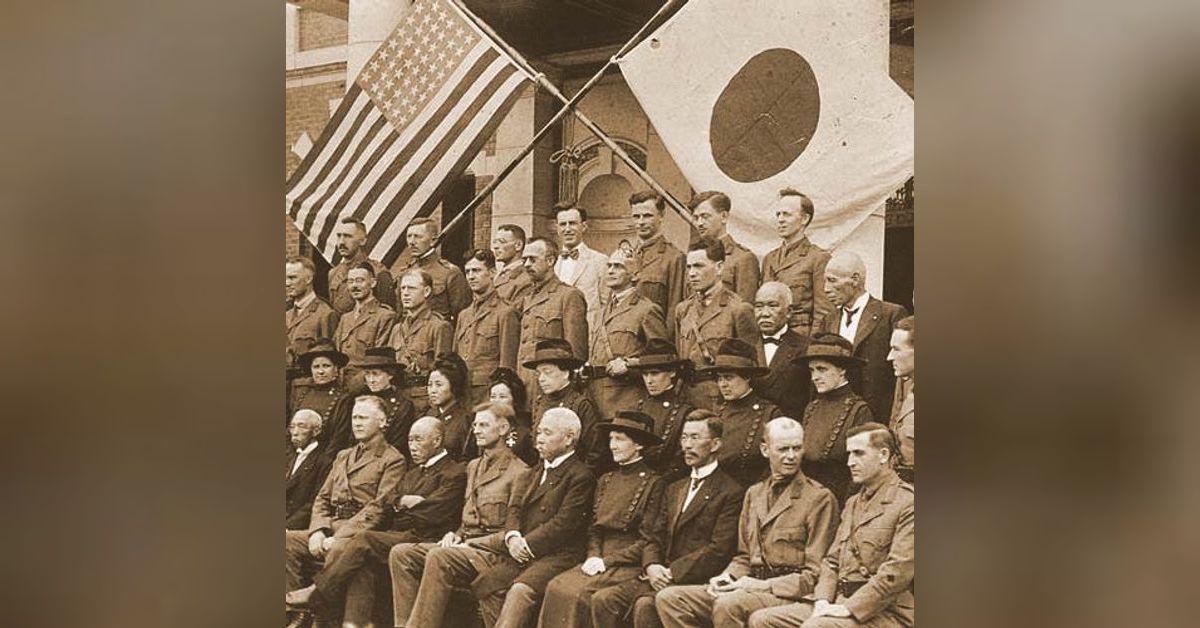
Throughout Mr. Roosevelt’s political career, he was a sincere admirer of the qualities that have carried these people so far as a nation.
It was his firm stand that solved the California School difficulty, and upon many occasions he voiced his admiration for those Japanese characteristics which have brought Japan to her present eminence. Mr. Roosevelt was particularly incensed by the propaganda carried on against Japan when she was fighting as an ally against the Germans. Upon several occasions he paid his respects to these propagandists in no uncertain terms. His paper was written with this war – time thought as its dominant note. It is reprinted in full.
Mr. Roosevelt’s Views.
” Japan’s career during the past fifty years has been without parallel in world history. Japan has played a part of extraordinary usefulness to the allied cause in this war for civilization. Japan’s friendship should be peculiarly dear to the United States, and every farsighted public man in the United States should do his utmost to keep a cordial working agreement of sympathy between the two nations. These three facts should be continually in the minds of every good American, and especially at this precise moment. Japan’s sudden rise into a foremost position among the Occidental civilized powers has been an extraordinary phenomenon. There has been nothing in the past in any way approaching it. No other nation in history has ever so quickly entered the circle of civilized powers.
” It took the yellow – haired barbarians of the north, who over- threw Rome, six or eight centuries before the civilization they built up even began to approach the civilization they had torn down; whereas, Japan tore down nothing and yet reached the level of her western neighbors in half a century. Moreover, she entered the circle of the higher civilization, bearing gifts in both hands. Her appreciation of art and nature, her refinement of life, and many of her social conventions, together with her extraordinary and ennobling patriotism, convey lessons to us of America and Europe which we shall do well to learn. Every thoughtful American who dwells on the relations between Japan and the United States must realize that each has something to learn from the other.
” In this war Japan has played a great and useful part. That she had her special and peculiar grievances against Germany goes without saying. So had we. She took these grievances into account precisely as we took our grievances into account. But she ranged herself on the side of humanity and freedom and justice exactly as we did. Her duty has been, first of all, to drive Germany from the Pacific and to police and protect the Orient. If she had not done this it is probable that at the present moment a British and American force would be besieging Kiao Chau and that our commerce would be suffering from German raids in the Pacific. Great Britain and the United States are able to keep their fleets out of the Pacific at this moment because the Japanese fleet is there.
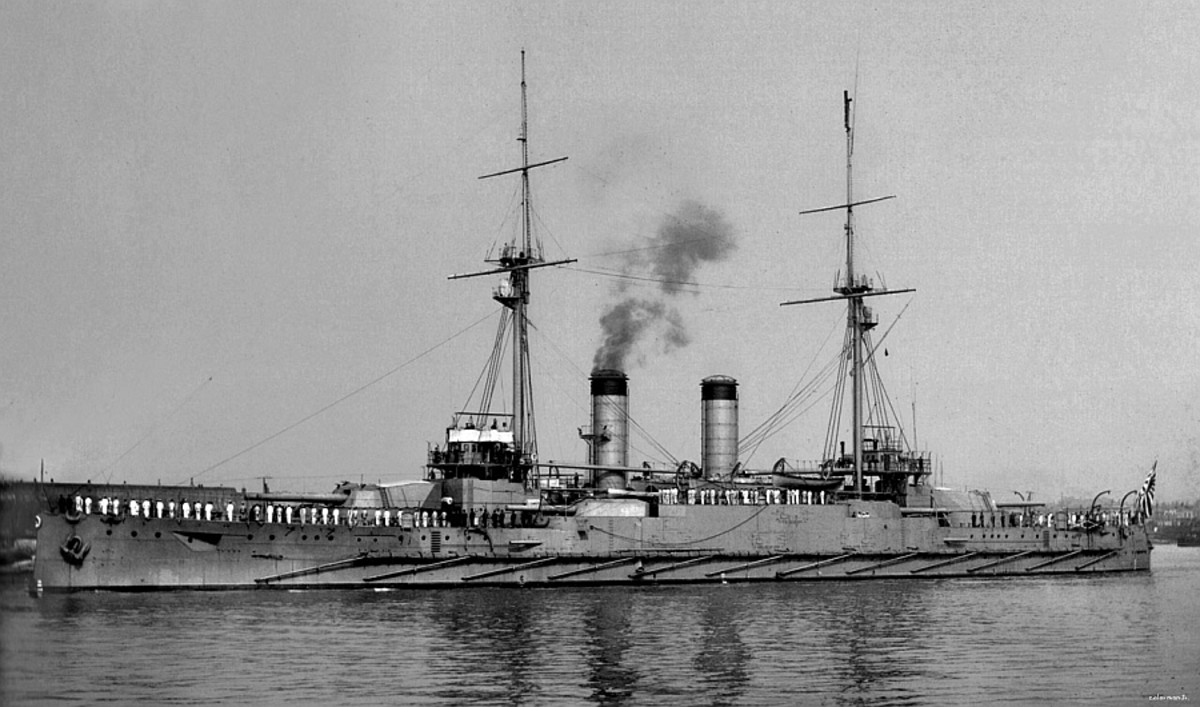
” But she has done much more than this. Gradually, as the war has grown, she has extended her assistance all over the globe. Her volunteers have appeared in that most hazardous of all military branches, the air service, at the extreme fighting front. She has sent her destroyers to protect English and American troop ships and cargo ships in the Atlantic Ocean, the North Sea and the Mediterranean. Japan’s part has been great; far greater than anything that she was called upon to do by her alliance with Great Britain. She first captured Kiao Chau and sank all the Austrian and German ships there. She then drove the German ships out of the Pacific. Soon thereafter she lent three of her cruisers to Russia to strengthen her fleet in the Baltic. At present her destroyers are working together with the British and American destroyers in the Mediterranean Sea and off the coasts of England, Spain and France. Her submarines have been working in company with the Italians.
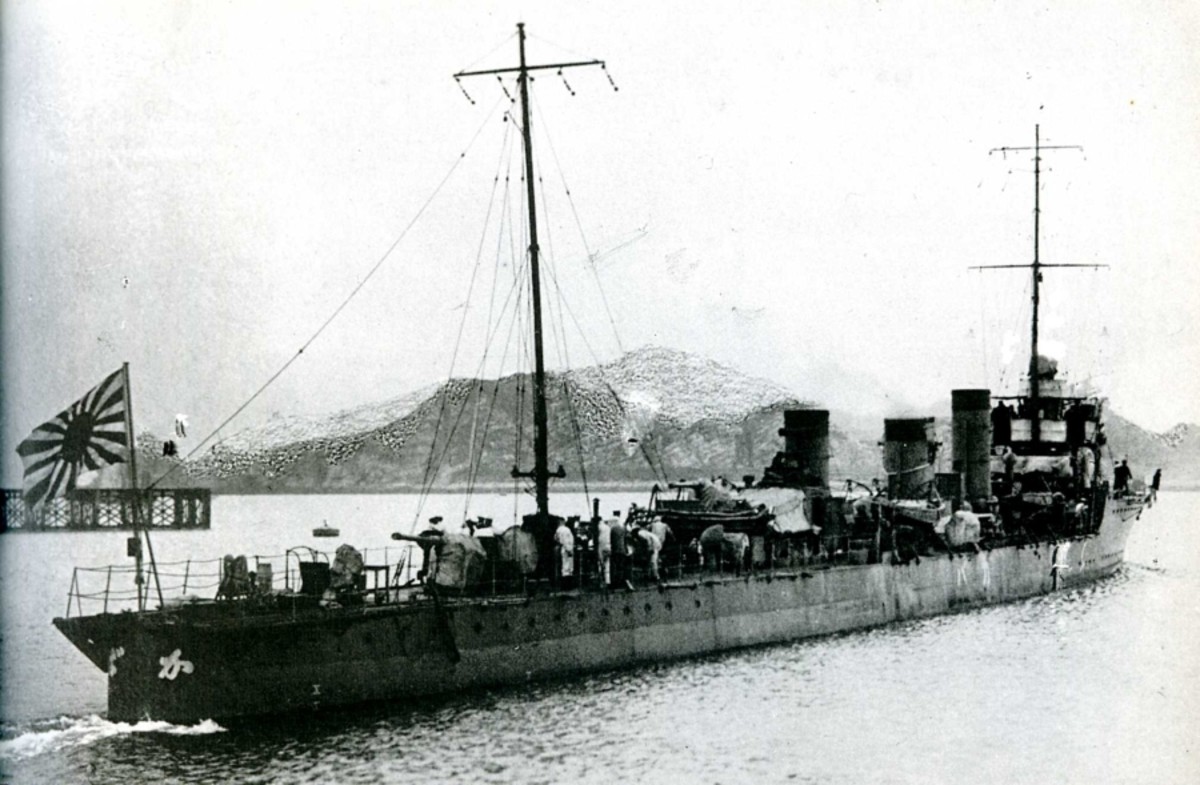
” The transports from Australia and New Zealand have been convoyed safely by Japanese warships. Our own war vessels are free for convoying our troops across the Atlantic largely because of what Japan has done in the Pacific. She supplied enormous quantities of arms and ammunition to Russia. She lent Russia heavy guns and loaned her millions of dollars. She has given to the Allies quantities of copper. She has sent medical units to England, France, Russia, Serbia and Rumania. She has offset the German intrigue in India. One in twenty – eight of the people of Japan belong to the Japanese Red Cross; one in four of the Japanese in this country are in the American Red Cross. Two thousand Japanese are fighting in the Canadian army. Japan has done everything she has been asked to do or permitted to do in this war, and this statement will be questioned by no human being who is both honest and acquainted with the actual facts.
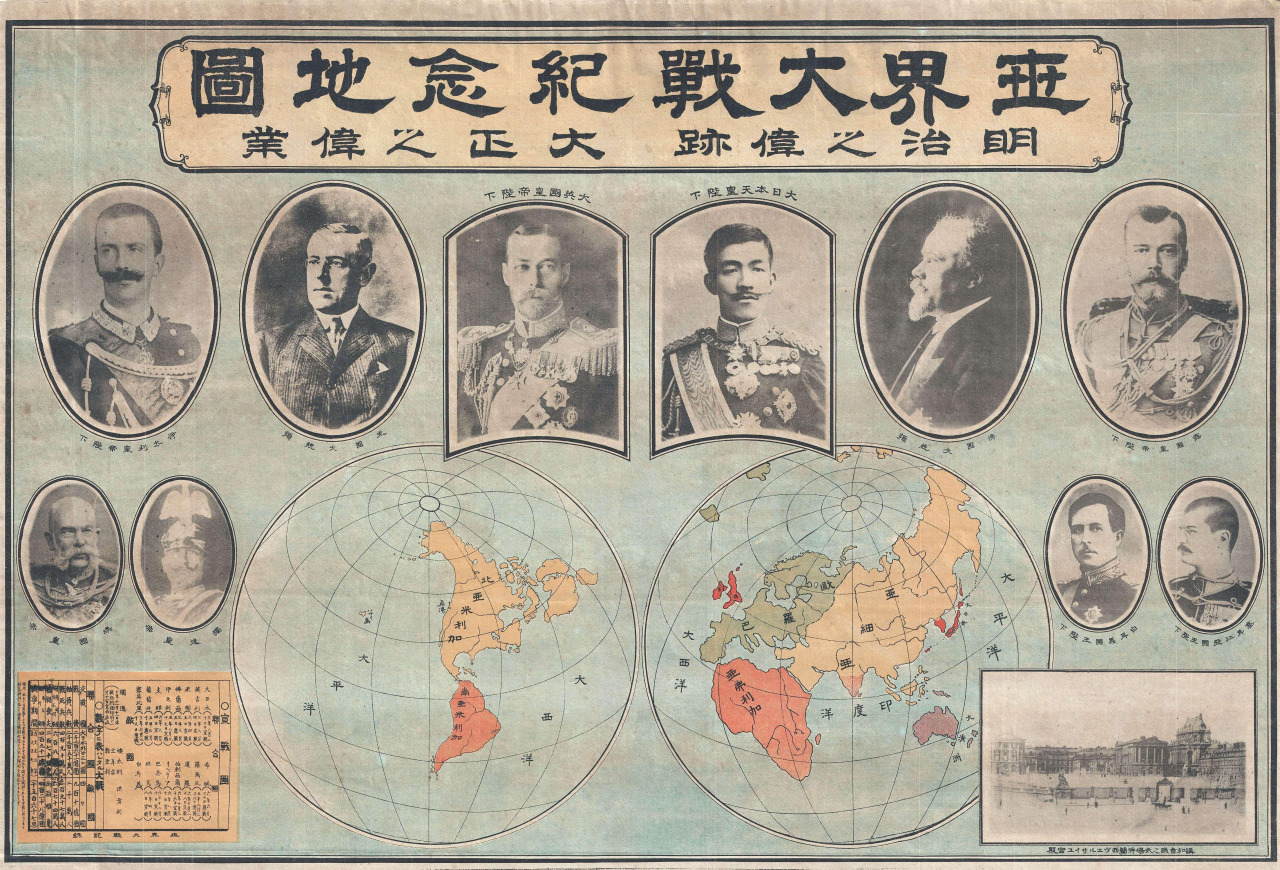
” Yet, at this very time, when Japan’s sons are fighting beside ours in the waters of the Mediterranean and the Bay of Biscay and the North Sea and in the air over the western front , there are blatant Americans who have served Germany against America , who have played the German game to the limit , by striving to make trouble between Japan and the United States ; by seeking every way to rouse suspicion and distrust of Japan in the United States ; and by doing all that malevolent and unscrupulous baseness can do to taunt Japan into hostility to our country. There are in this country certain demagogic politicians, certain agitators seeking notoriety, and certain conscienceless and sensation – mongering news-paper owners and writers who are willing to make money or obtain preferment for themselves by any appeal to distrust and suspicion, no matter what infinite harm it does to this country. These sordid creatures have worked hand in glove with the scarcely more sordid creatures who are paid by Germany in downright cash to advance Germany’s aims, whether by striving to provoke an ill – will that might eventually produce war between the United States and Japan or in any other fashion. They have been guilty of conduct so shameful that it cannot be too strongly condemned.
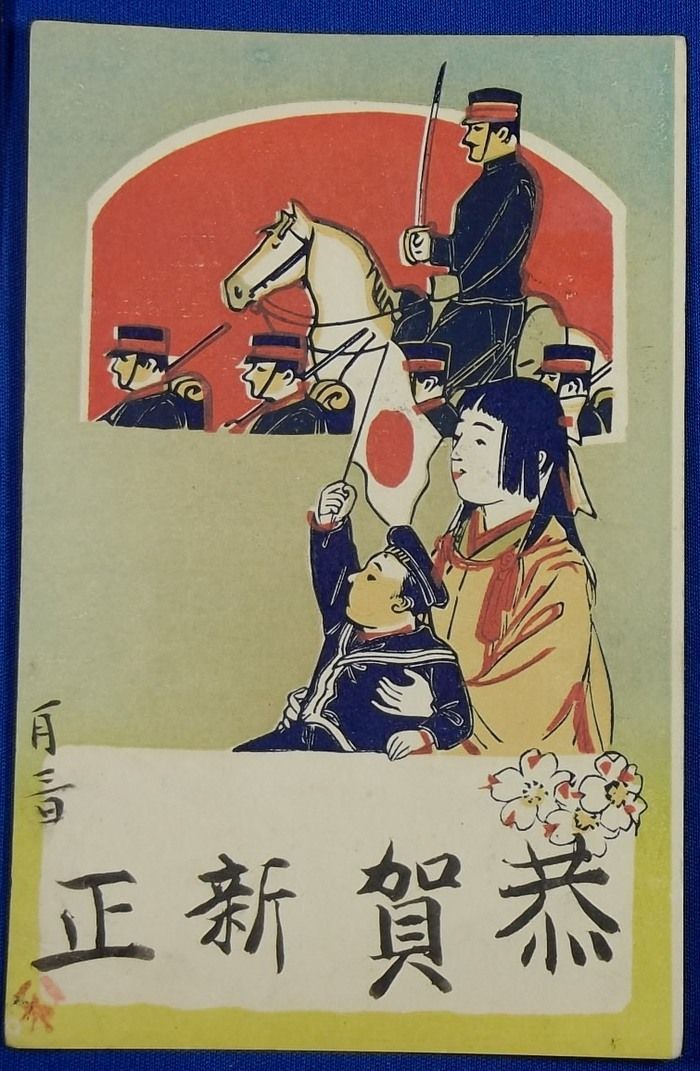
“Japan has a real admiration for America, dating back for sixty years to the time of Perry. The two nations have been in relations of close friendship. The Japanese have patiently borne misrepresentation, insults and false accusations from various authors, writers and public speakers of this country. They are a proud nation. They have suffered under this vilification. They have believed that our people would themselves realize the injustice of these attacks. Their belief is justified. Our people are beginning to understand that of recent years the most flagrant of these attacks have been made by German agents who worked diligently and secretly with ample government money to create distrust between the two countries. The time has come for us Americans to show our trust and confidence in Japan as a great, loyal, modern people, whose seat at the table of the family of nations is next to ours, and who sit there on a full equality with all other civilized peoples. The rights and duties of the United States and Japan toward each other must be treated on a basis of exact reciprocal equality. Each must have full control of all things vitally affecting its own well – being; each must treat the other with frank and loyal courtesy and consideration.
” The origin and persistence of German propaganda for the purpose of embroiling Japan and the United States is now fairly well recognized. Yet until Viscount Ishii openly and publicly accused Germany of being the agent of this nefarious work, the people of our country knew practically nothing about it. At a reception given by the National Press Club in Washington to Viscount Ishii as the head of the commission from Japan, September, 1917, he made an address which was for the most part devoted to exposing these insidious efforts of Germany. He said, in part:
” For more than ten years a propaganda has been carried on in this country, in Japan , and , in fact , throughout the world , for the one and sole purpose of keeping nations of the Far East and Far West as far apart as possible ; to break up existing treaties and understandings ; to create distrust , suspicion and unkindly feeling between neighbors in the Far East and in the West , and all in order that Germany might secure advantages in the confusion . I do not think that you, gentlemen, in your busy lives here during the last ten years have given more than passing attention to developments in the Far East. The well – equipped agent of your enemy and mine has taken advantage of your preoccupation or of your kindly credulity. For many years his work was easy. The world was flooded with talks of Japan’s military aspirations and Japan’s duplicity. Have these been borne out by history? Even now the German publicity agent whispers first in your ear and then in mine. His story is specious, and is told in dim light which falls upon sympathetic pictures cleverly painted by himself and presented to you and to me in the past. To the accompaniment of appeals to the human heart he tells to me other stories of your duplicity and to you of mine.
‘ For twelve years, gentlemen, up to the present time, these agents have worked among us and elsewhere persistently and cleverly. They have been supplied with unlimited resources. No wonder we have been deceived. A short time ago a bad blunder gave us a clue. The Zimmerman note to Mexico involving Japan was a blunder. It made such a noise that we were disturbed in our slumbers, and so were you. This gave a check for a time, but since, the agents have been hard at work. They were at work yesterday, and they are at work today. Every prejudice, every sympathy, every available argument has been appealed to and used to show to your people and to ours what a low, cunning enemy we have each in the other, and how much dependent we are upon the future friendship, support and good – will of Germany. ‘
” The Zimmerman note was an official invitation from Germany to Japan and Mexico to join in dismembering the United States; for Germany has with cynically impartial bad faith striven to draw her own profit from the ill – will she has endeavored to excite in each of the two nations, Japan and America. Every American public man, newspaper editor, speaker or writer who since the publication of the Zimmerman note has striven to excite America against Japan has been deliberately playing Germany’s game against this country. Such action amounts to moral treason to the United States.
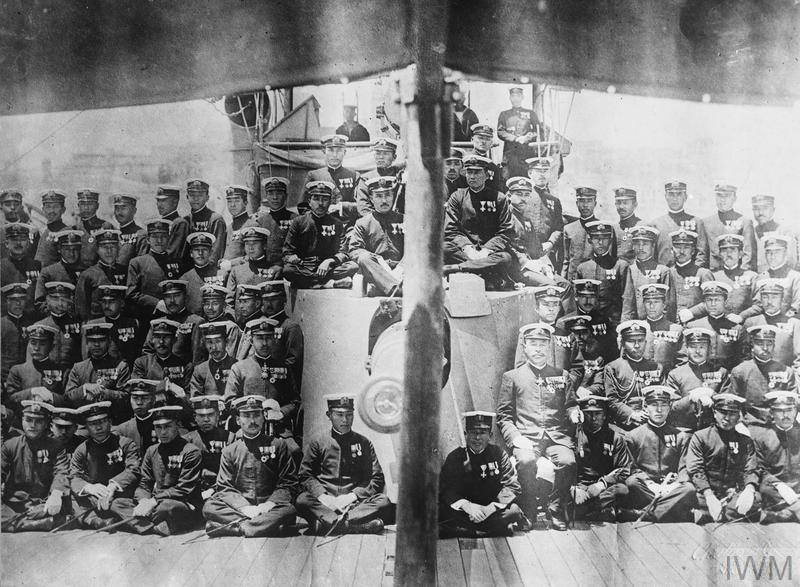
” If anyone thinks this too strong a statement, let him read what Mr. Gerard, our Ambassador to Germany during the war period, has to say:
” All during the winter of 1914 in Berlin, Germans from the highest down tried to impress me with the great danger which they said threatened America from Japan. The military and naval attaches of the United States Embassy and I were told that the German information system sent news that Mexico was full of Japanese colonies and America of Japanese spies. Possibly much of the prejudice in America against the Japanese was cooked up by German propagandists, which we later learned to know so well.’
” Japan’s friendliness and good faith were strikingly shown in the early days of the war, when the question arose whether, in case of war between the United States and Japan , Great Britain would be obliged to assist Japan. This was excitedly discussed here and in England. The proposed treaty of arbitration between Great Britain and the United States came up about this time, and it was found that such a treaty was precluded by the terms of the alliance between Great Britain and Japan. It was at Japan’s request that the terms of her treaty with Great Britain be revised, so as to remove the obstacle to the arbitration treaty, to which Great Britain consented. This was Japan’s contribution to universal peace.
” Regarding this, Viscount Ishii said in his address in the National Press Club in Washington: ‘Now if Japan had the remotest intention of appealing to arms against America, how could she thus voluntarily have renounced the all – important co-operation of Great Britain? It would have been wildly quixotic. Treaties are not ‘scraps of paper’ to Great Britain. Japan knew she could rely on Great Britain religiously to carry out her promise. It was my good fortune to be in the foreign office at Tokio at the time of the revision of the treaty of alliance with Great Britain, and modest as was the part I took therein, I can give you the personal and emphatic assurance that there was at that time no one in the government or among the public of Japan opposed to the terms of that revision. There is, one may surely be safe in saying, only one way to interpret this attitude of Japan. It is the most signal proof- if, indeed, any proofs are needed – that to the Japanese Government and nation anything like armed conflict with America is simply unthinkable.’
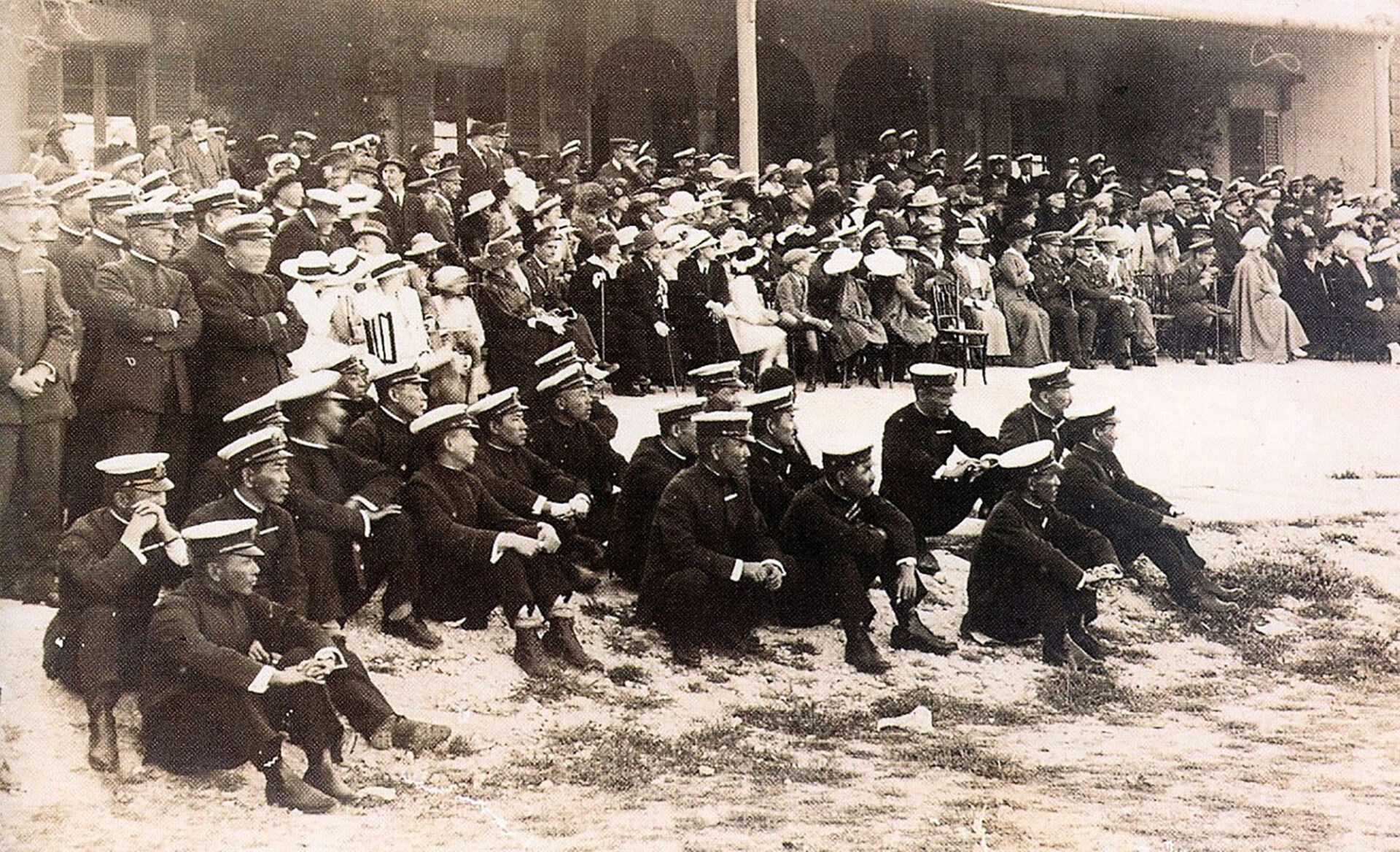
“Japan, alone among the Allies, has borrowed no money from the United States; and she has lent hundreds of millions to the other allied nations. The Japanese have made a record in war charities during the last four years which is of really extraordinary fineness and disinterestedness. The women of Japan used the same methods for raising money to be sent to Belgium and Serbia and elsewhere that our own women did. They had their ‘Japan – Belgian Relief Society,’ their ‘Japan – Serbian Relief Society,’ etc. They sent $ 150,000 to the Italian refugees who lost their homes when the Teutonic armies invaded Italy. Stimulated by these smaller but very active organizations, a movement was started which spread from end to end of the empire and then across to Korea. Its title is ‘The Japanese Association for Aiding the Sick and Wounded Soldiers and Others Suffering from the War with Allied Countries.’ Its president is Prince Iyesato Tokugawa , president of the house of peers. The vice – president is Baron Shibusawa, the financier so well known in this country. The fund collected amounted to $1,000,000.
” Ordinarily, funds of this size and character are distributed by a committee, but this association adopted a less expensive and much more modern method. The money was sent to the Japanese official representatives in the various countries. A pamphlet was published in Japanese and in English under the title ‘ Japan to Her Allies , ‘ which stated the purpose of the association and also included articles written by leading men of the country , in which they set forth their sympathy with all the sufferers , their opinion of Germany’s responsibility for the war , and her abominable methods of conducting it , and their belief in the ultimate victory of the Allies . It is a remarkable publication; nothing quite equal to it has originated in any of the Occidental countries. The quality of the pamphlet is shown by the following quotation from the dignified and impressive statement of Count Terauchi, the prime minister and official spokesman of the Japanese people:
” Far removed as the empire of Japan is from the center of action, and little as the people of Japan have suffered in comparison with their European allies, Japan and her people, none the less, know the meaning of war, and are able, therefore, to appreciate the sufferings and sacrifices of their allies as their own. The people of Japan feel themselves one with the people of the invaded countries, just as the people of the allies do. They are one in sympathy and in the fight for international justice and stand ready to share the hardships of the struggle to the fullest extent… As the prime minister of Japan, it is my privilege and pleasure hereby to express the sympathy and good – will of the people of Japan for the allied armies and peoples in this day of trial . . . Though the amount contributed may seem no more than a mere trifle in comparison with the need of the suffering nations, the heartfelt sympathy and admiration of a whole nation go with it. Those who receive the gift from Japan may well look upon it as the widow’s mite that means more than all the offerings of the rich. ‘
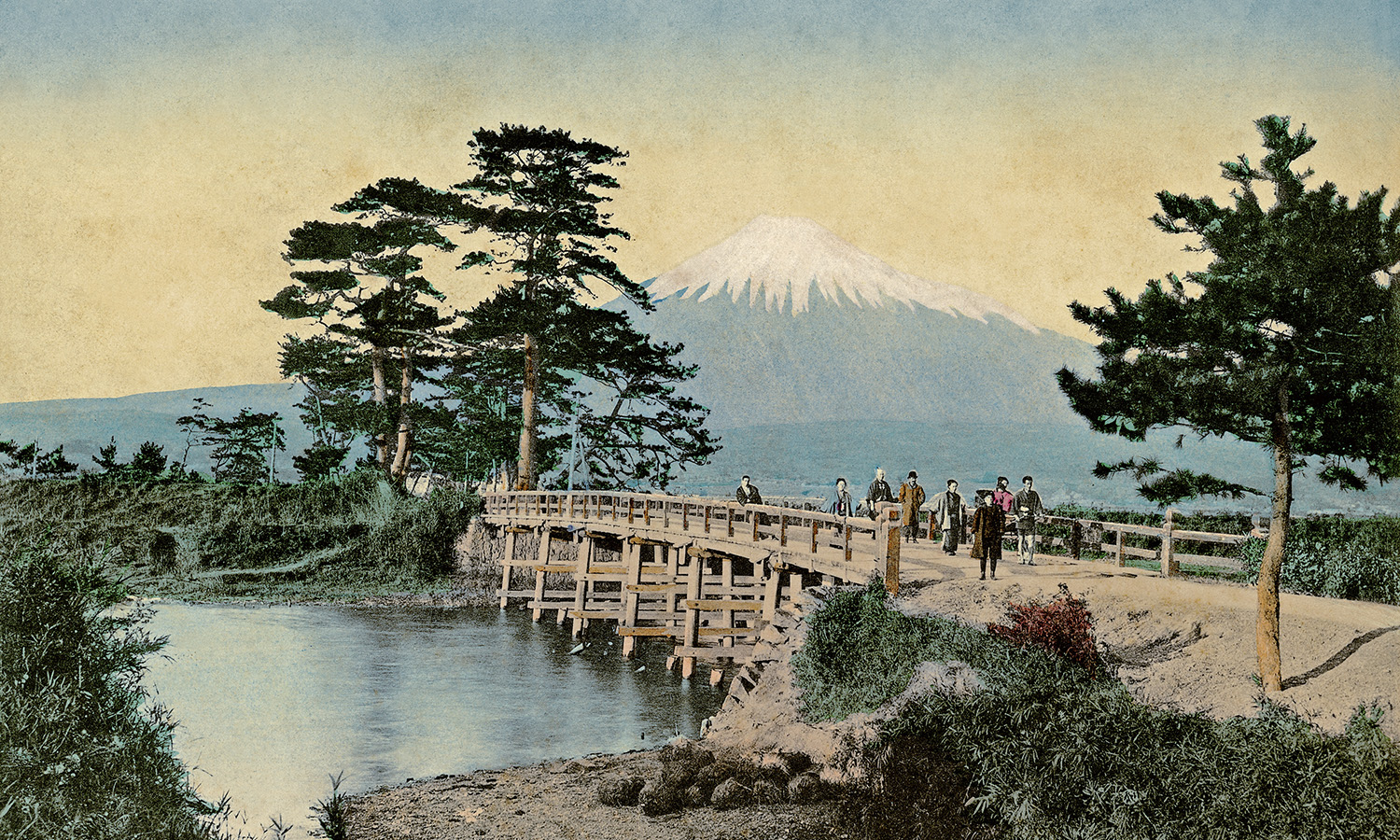
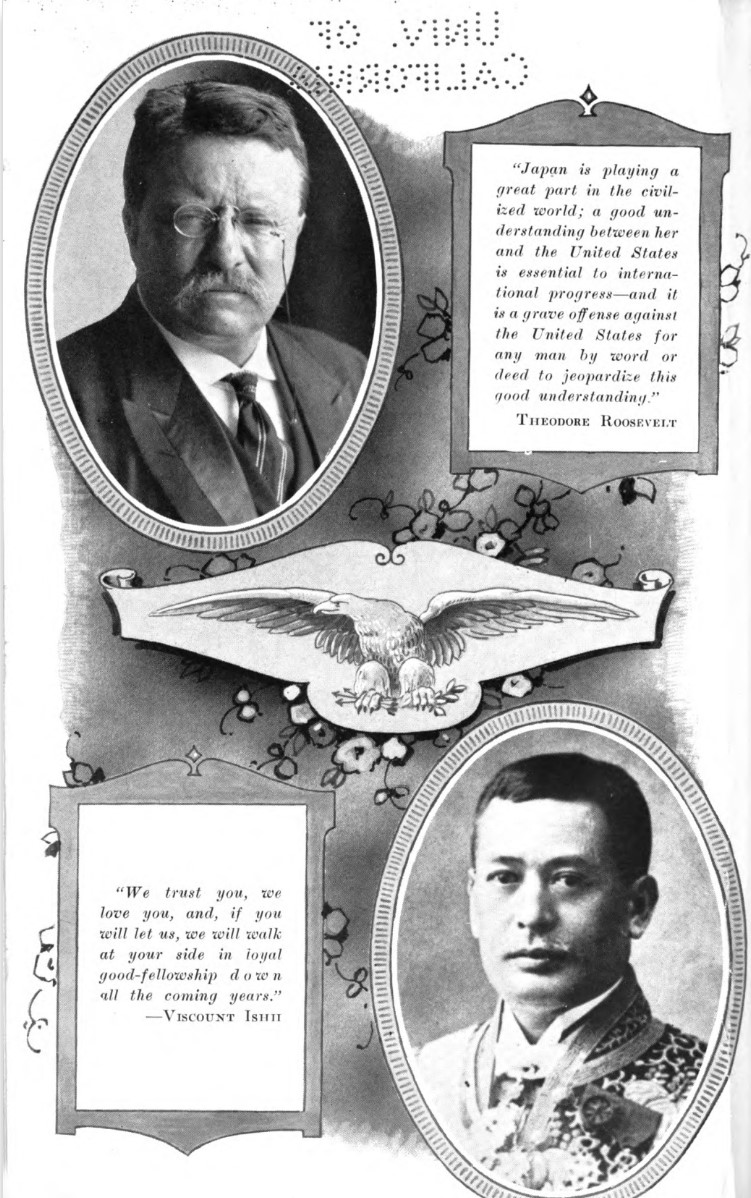
” There is not time in this message to discuss fully our proper relations to Japan; -but there is always time to point out the elemental fact that this country should feel for Japan a peculiar admiration and respect, and that one of the cardinal principles of our foreign policy should be to secure and retain her friendship, respect, and goodwill. There is not the slightest real or necessary conflict of interest between the United States and Japan in the Pacific; her interest is in Asia, ours in America; neither has any desire or excuse for acquiring territory in the other continent. Japan is playing a great part in the civilized world; a good understanding between her and the United States is essential to international progress, and it is a grave offense against the United States for any man by word or deed to jeopardize this good understanding.
” The case has been put in a nutshell in Viscount Ishii’s eloquent and appealing address at Fair Haven, Mass., on July 4, which he closed with these words:
‘We trust you, we love you, and, if you will let us, we will walk at your side in loyal good-fellowship down all the coming years.’
” All good Americans should act toward Japan in precisely the spirit shown toward America by this able and eloquent Japanese statesman. “
(These would be among the last of Theodore Roosevelt’s public pronunciations before his death.)
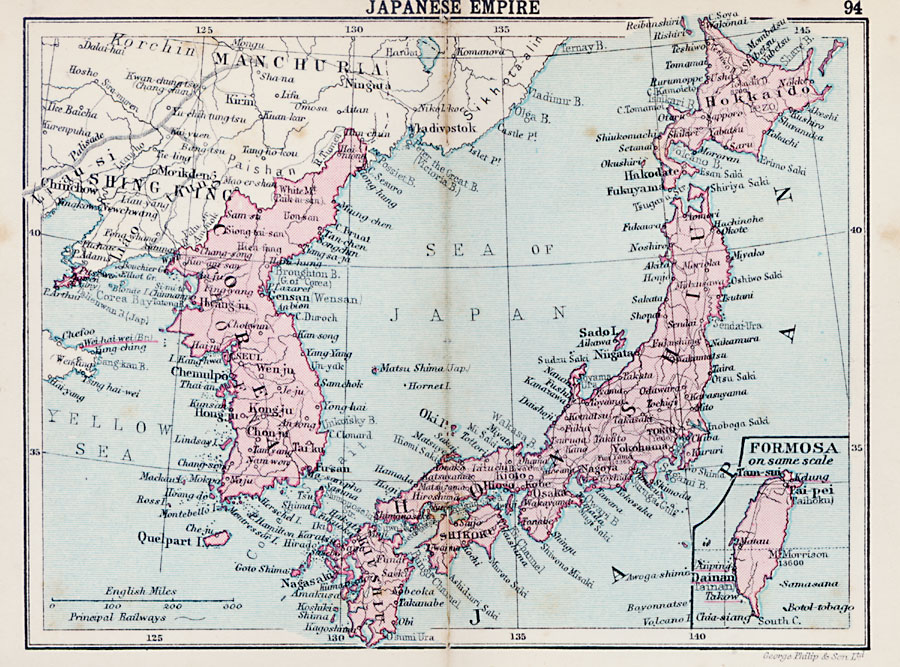
From another source: The Special Issue: Race and Empire in Meiji Japan
(Tarik Merida received his PhD degree in Japanese Studies from Heidelberg University. He is currently a postdoctoral researcher at Freie Universität, Berlin)
“In 1913, only four years after Roosevelt ended his presidency, the Alien Land Law, which banned Japanese subjects from owning land in the United States, was promulgated under Woodrow Wilson (1856–1924). Where Roosevelt had been willing to compromise for the sake of diplomatic relations, Wilson was not, and the negotiation zone collapsed. Developments that followed this legislation further undermined Japanese American relations, including the failed racial equality proposal that Japan submitted at the Paris Peace Conference in 1919, as well as the Immigration Act of 1924 that effectively banned Japanese from entering the United States. The Washington Naval Treaty of 1922, which limited Japan’s naval power, and was seen as demoting the country to the rank of second-rate nation, added insult to injury. This overall sentiment of not being accepted as a full-fledged member of the “club of civilized nations” would eventually lead Japan to leave the League of Nations and take the path to war. The Showa Emperor himself blamed the disastrous war against the United States on these acts of discrimination. Attributing Japan’s going to war solely to these anti-Japanese sentiments is surely farfetched. However, one is left to wonder what would have happened had Japan been able to preserve its elusive honorary status as a Western nation.”
As I wrote recently, history is something that is often influenced by those who win the wars. But contributing factors are difficult to erase and often lead to more questions than answers.
Mister Mac

 theleansubmariner