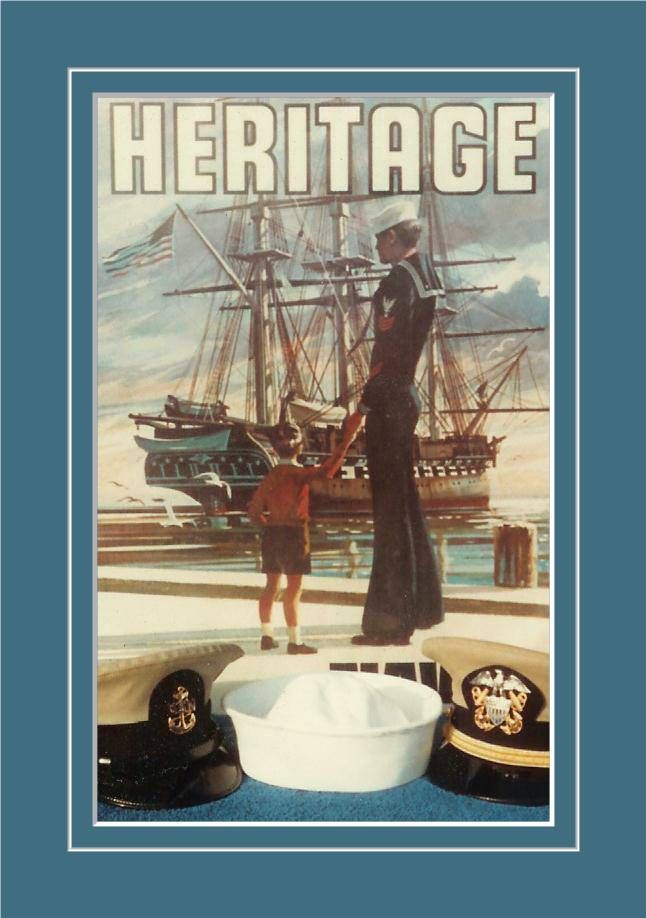
A Navy Man at Heart
I have to begin this story with a blunt acknowledgement: There has never been a day in my life that the Navy wasn’t the center of the universe when it came to a world that was free, and the Navy was an overpowering force for good.
That’s kind of a grand statement but if you know anything about me, you know I came from a family rich in naval history. None of me antecedents were graduates of the naval academy and none of them stood on the deck of a fighting warship facing a fierce seagoing enemy. But Dad and Grandpa Mac both served during their generation’s wars and did so with honor. Even as a kid, I knew that a powerful navy was at the heart of freedom.
I was born during one of the years that the navy was reinventing itself. The first nuclear submarine was built in 1954, and the fleet had just proven its worth in a place called Korea. Of course, the navy’s role in defeating both the Germans and the Japanese was the stuff of legends. In the Pacific, the navy dredged itself up from the muddy waters of Pearl Harbor and fought legendary battles across the vast expanses of the Pacific to lead the country into Tokyo Harbor to exact the surrender that was both hard fought and successful.
The overshadowing influence of the use of two atomic bombs changed the way many would look at that accomplishment.
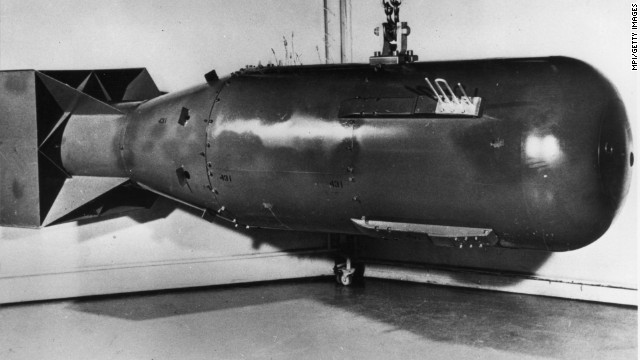
My dad was in the Philippines helping build up the supply bases that would support a planned invasion of Japan. Two blinding flashes of light over the Japanese islands slowly spread across the landscape of the entire world. In every nation, people would start to reexamine how future conflicts would be waged. The hope for peace was coupled with the realization that mankind just can’t find a way to achieve lasting peace. The world was weary of war but the east and west had different visions of how to achieve an elusive goal.
The Soviet Union under Stalin had just fought a massive land war where millions died at the hands of the Germans. The Soviets “liberated” their own territories and took some extras just for good measure. Ostensibly, the goal was to create a buffer zone between their core country and the dangers of a reunified Germany. But the other translation was that having all of the newfound partners under their sphere of influence would help achieve the goal of world domination. This regional vision quickly grew into a global vision in far flung regions. The Cold War was well underway long before the rest of the former allies were aware of it.
In the United States, there was a different kind of Cold War brewing.
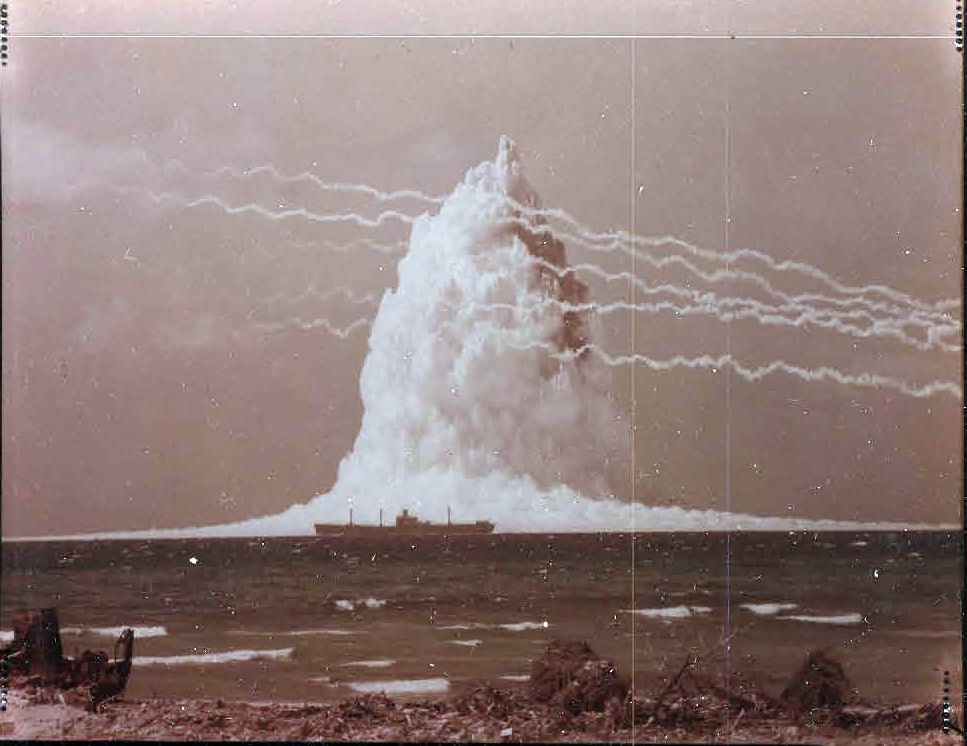
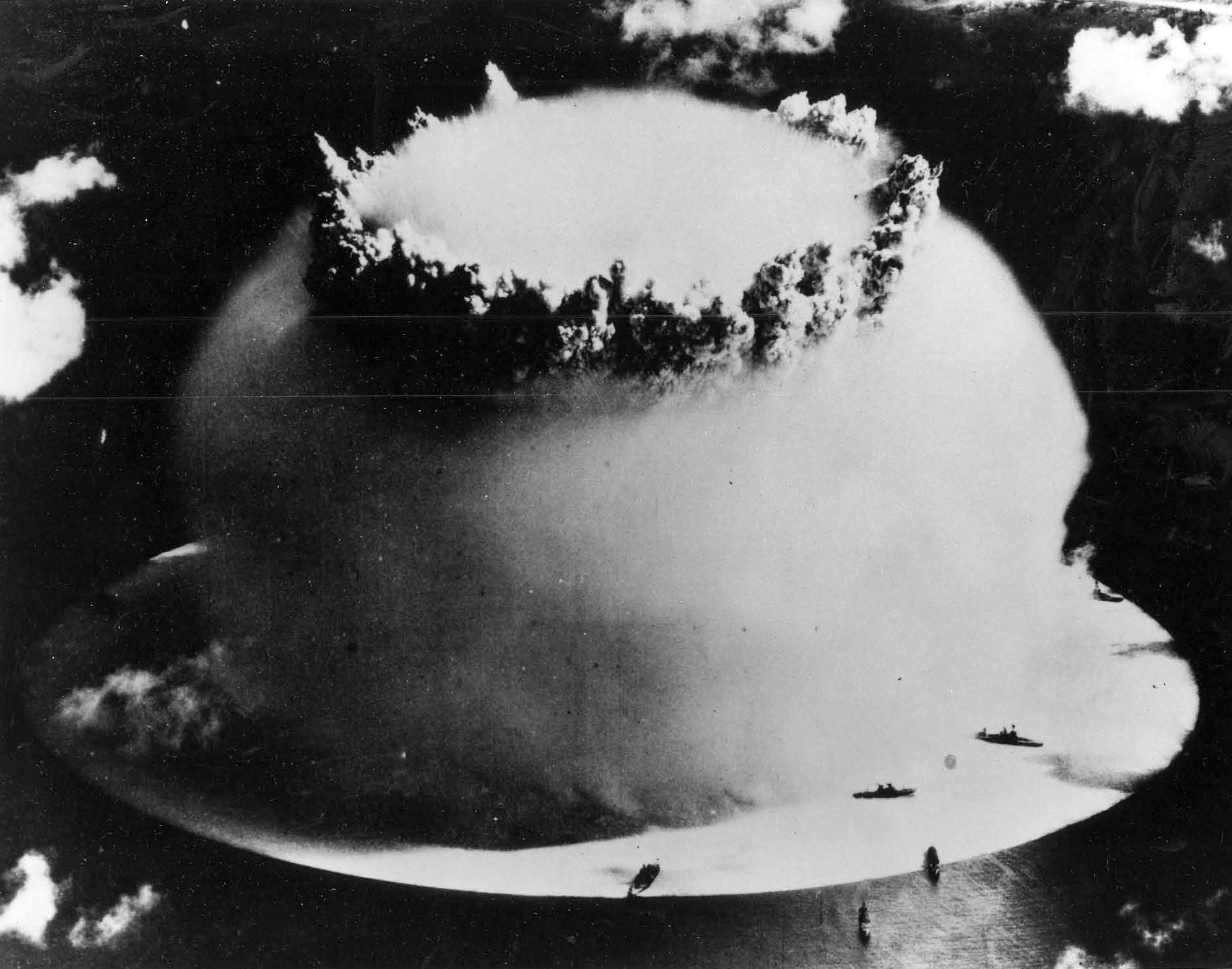
After the last surrender was achieved, there was a national urge to bring the boys home. It had been a long four years and many families yearned to see their sons and daughters come home. The other side of that effort was a realization that with no major national enemy at sea, there would be a substantial savings on shrinking the navy and marines. Plus, the supersized aircraft would deliver this new atomic bomb if a future conflict ever required it. Just the fear of fleets of air machines delivering those monstrous weapons should be enough to crush any thoughts of global warfare. And for a time, we were the only ones with the bomb.
Truman’s Goals
It’s an oversimplification to say that Harry S. Truman saw the need to stop the flow of money and materials into a standing military force. The beginning of the United Nations organization was supposed to solve the little conflicts that might crop up from time to time and the participation of all the victorious powers would ensure a forum where we could just talk things out. All of that discounted the regional struggles like the Middle East where Israel had just been given land for a new country. The far-flung empires of the European nations would also spiral out of control in places like Vietnam leaving decades of war and destruction. But on the opening day of the United Nations, everything seemed so hopeful.
At home, the unification of the armed forces into one Department of Defense would supposedly bring massive economic benefits. Bringing the army and navy together would solve so many problems and rid the nation of duplicated effort. Even the creation of a separate branch called the Air Force had a purpose. This new force would create the technologies that could deliver the atomic bomb with supreme efficiency.
It didn’t take long for the trouble to begin.
The navy was finding itself on the short end of the stick.
The second world war saw the evolution from powerful battleships to massive new aircraft carriers.
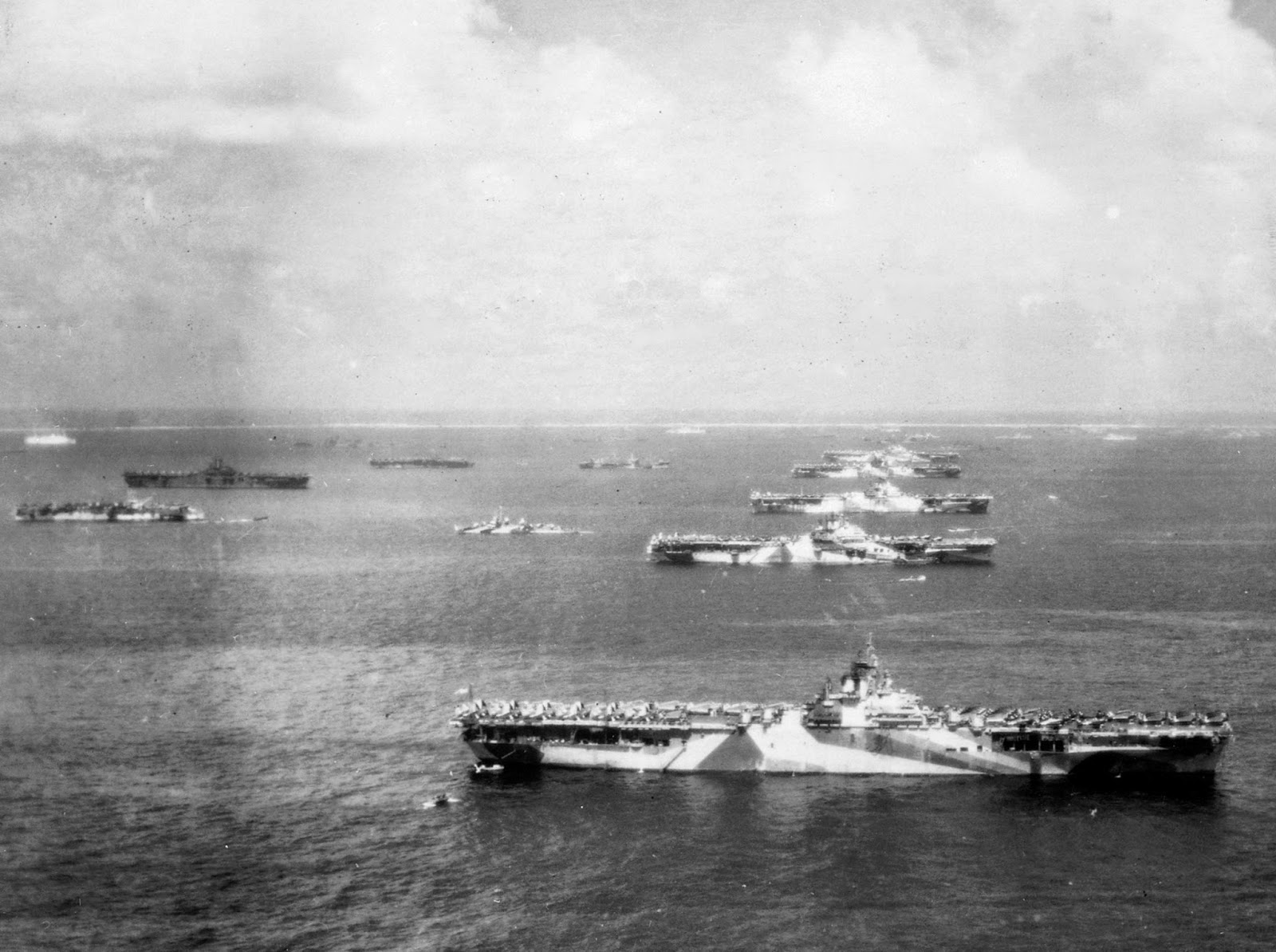
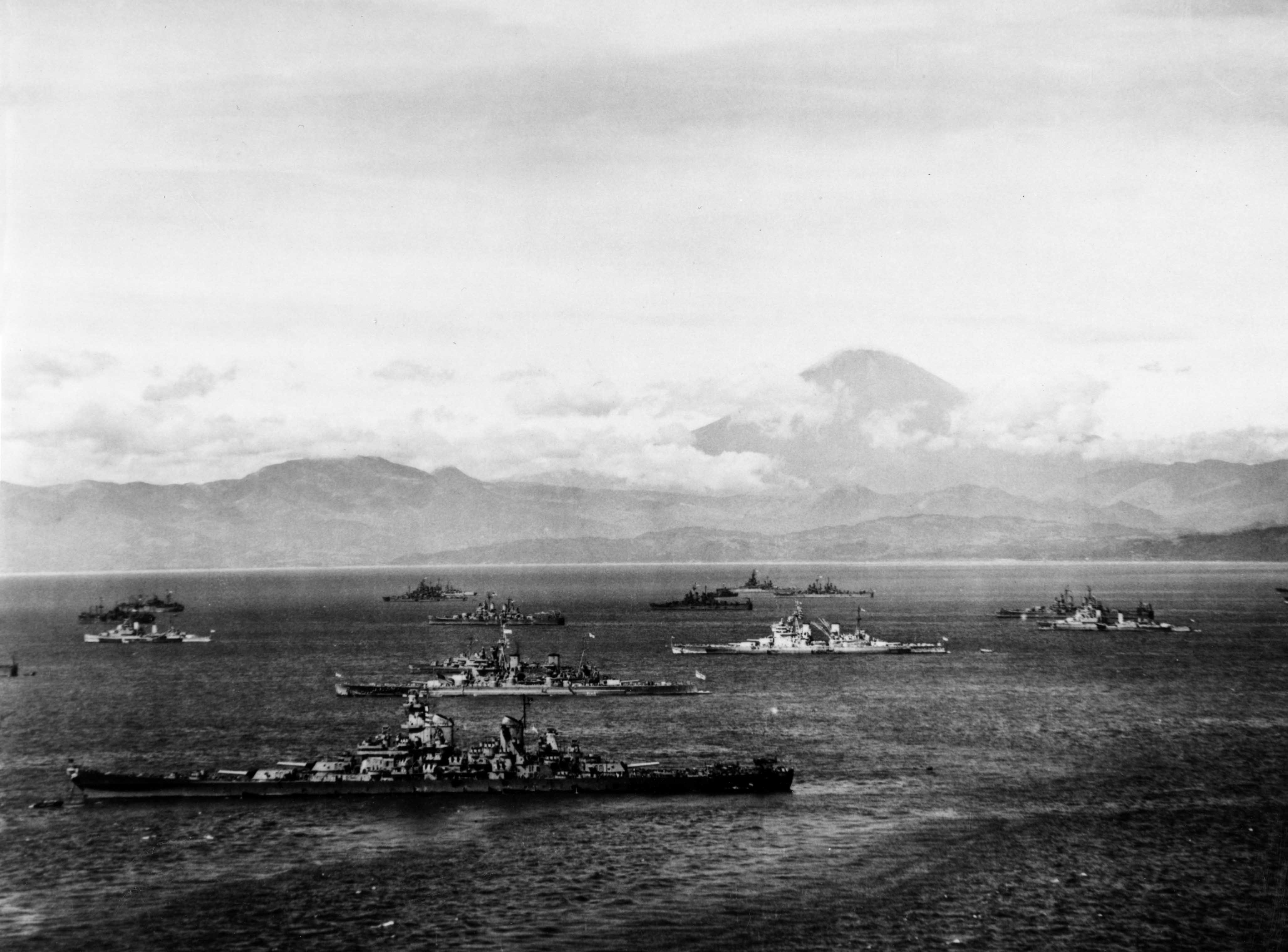
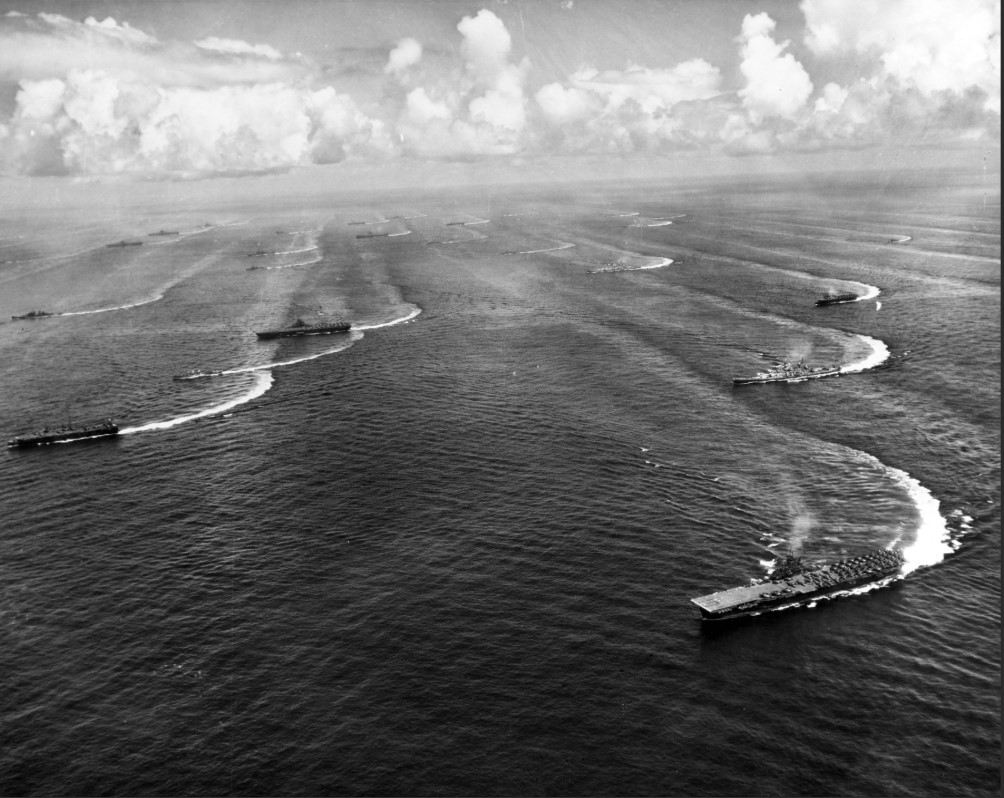
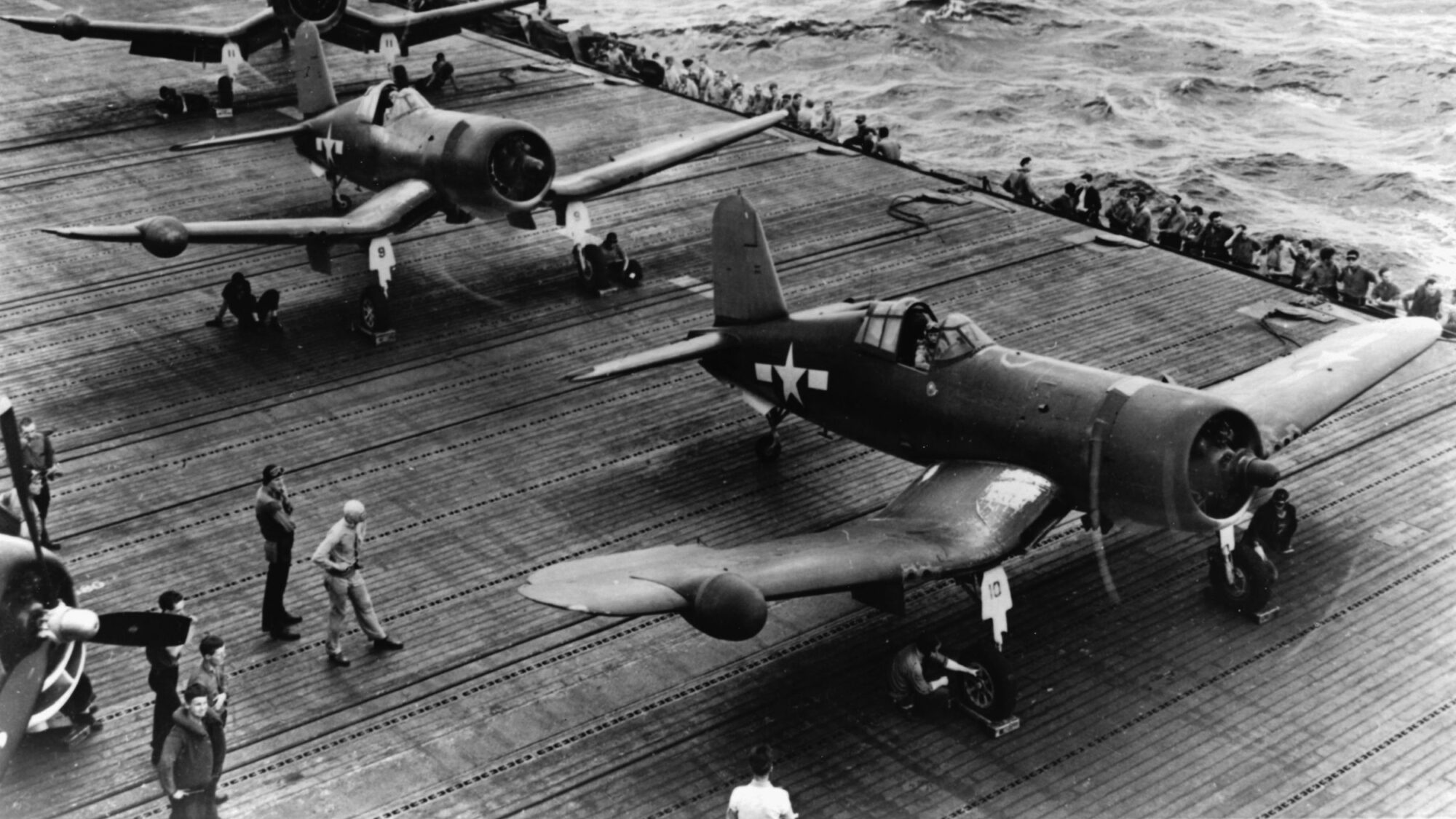
While the submarine force played a critical role in stemming the flow of goods and services to the Japanese homeland, the advances in aircraft carriers tipped the scales in the later years of the war. Between subs and carriers, the seas were swept of any credible Imperial Japanese Navy ships. Island after island fell to the advancing American amphibious fleet covered by the airpower of large and small carriers. This was a war fought like no others, and the winning formula was cemented in the public’s minds.
Until the bombs changed all of that.
The truth was that the cost in men and material to win all of those battles was horrendous.

The returning wounded were stark reminders that the war was not won in isolated war rooms or remote shelters. War was brutal and demanded a fearsome sacrifice. Estimates of the high number of casualties to invade Japan were millions of souls lost or at least badly damaged. The fact that the Japanese finally surrendered after seeing the absolute and total damage of just two of these devices gave weight to the claims of the newly formed Air Force that the old way of slogging across long ocean distances, was a way of the past.
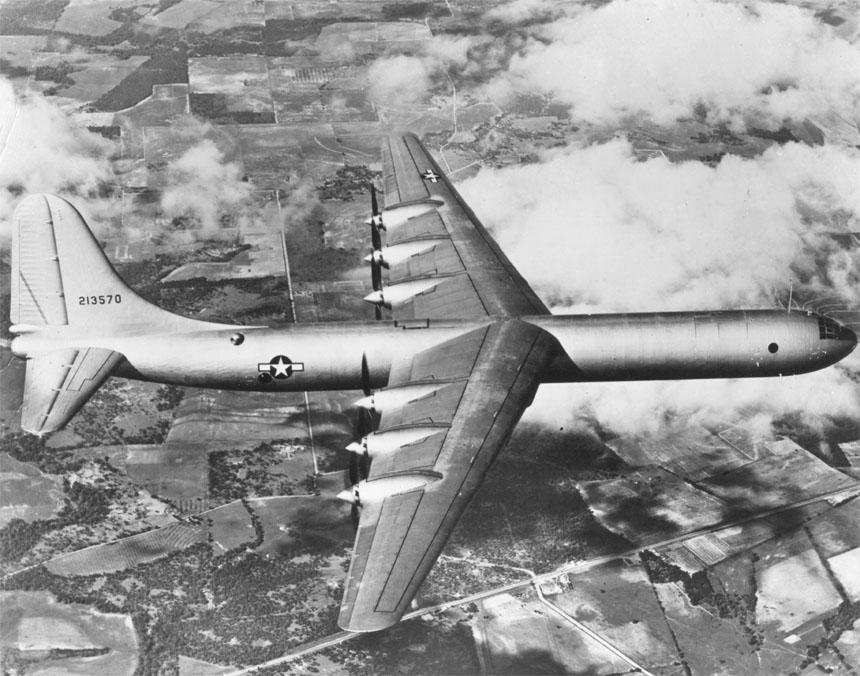

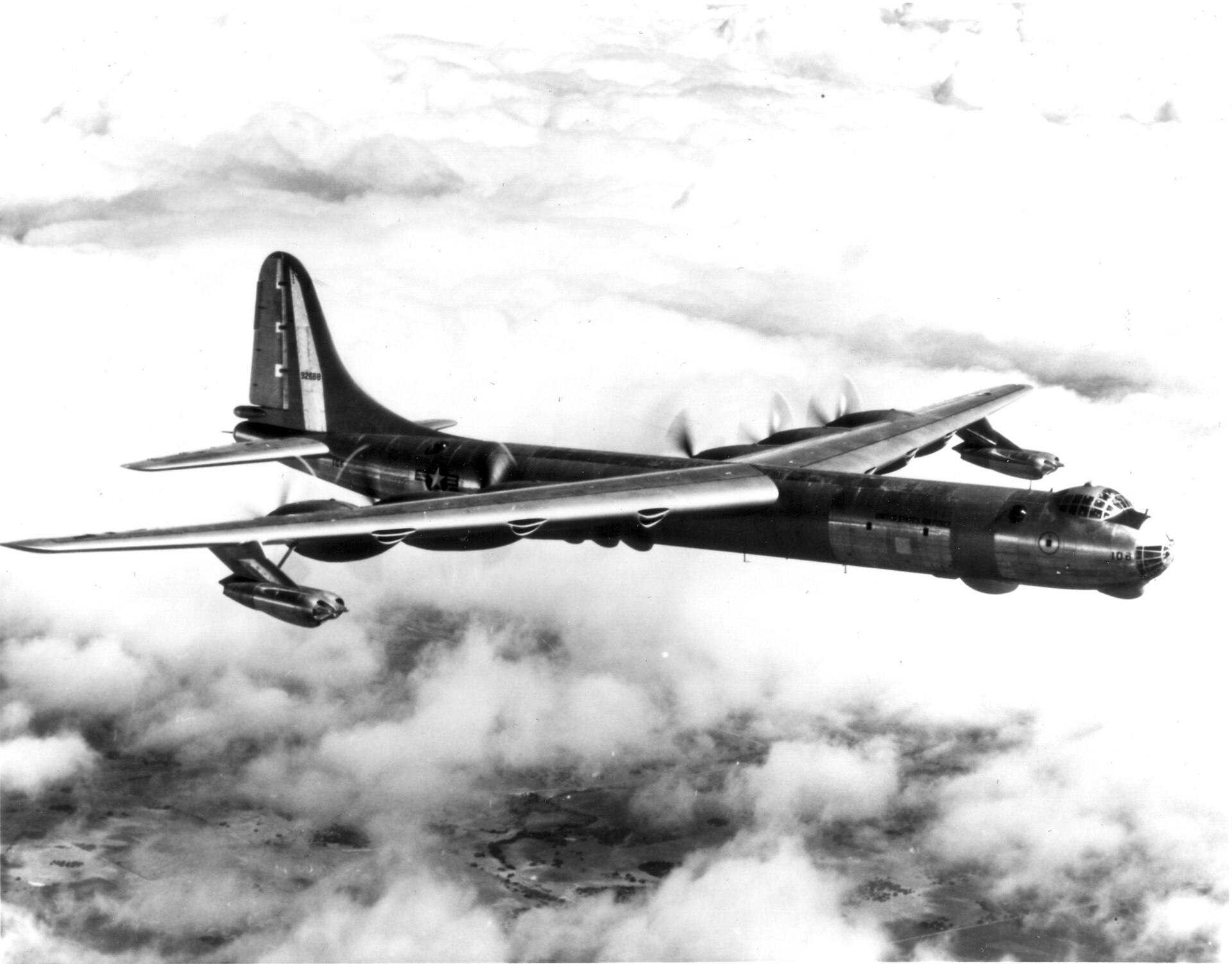
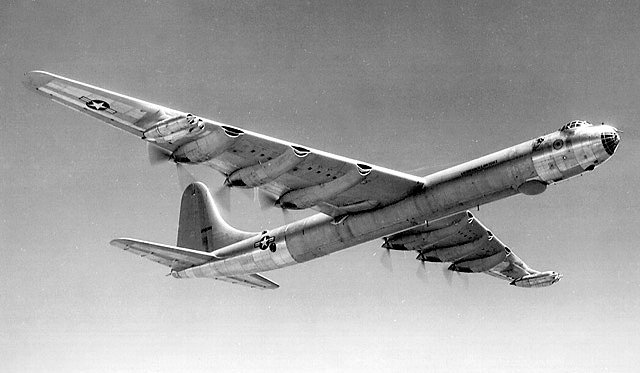
The Air Force had a friend in the new Secretary of Defense Louis Johnson
In the 1948 presidential campaign, Johnson was chief fundraiser for President Harry S. Truman’s election campaign; the money raised by Johnson proved crucial to Truman’s come-from-behind victory in the November elections. As a regular visitor to the White House, Johnson not only continued to express an interest in defense matters, but actively campaigned for the post of secretary of defense. He was also a staunch supporter of Truman’s desire to ‘hold the line’ on defense spending. After a series of conflicts with Defense Secretary James V. Forrestal over defense budget cutbacks, Truman asked for Forrestal’s resignation, replacing him with Johnson early in 1949.
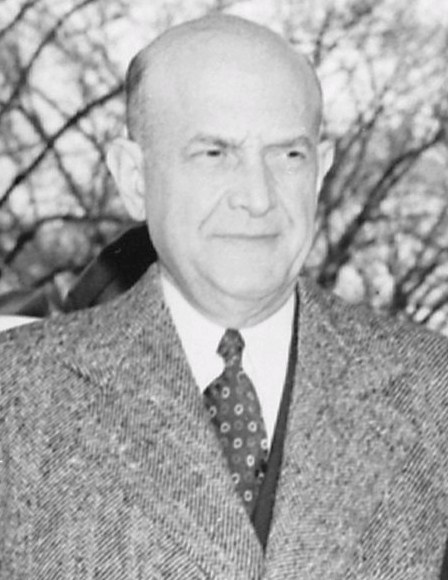
From the beginning of his term, Johnson showed his dismissiveness towards the Navy and Marines. Whether that influence was from a personal bias or from a newly minted belief in the power of the strategic air forces, he worked steadily to erode the navy in both support and numbers. The most infamous act he struck without consulting the navy leadership was the cancellation of the very first flush deck super carrier.
Navy and Marines… who needs them?
Johnson promptly began proposing mothballing or scrapping much of the Navy’s conventional surface fleet and amphibious forces. Shortly after his appointment, Johnson had a conversation with Admiral Richard L. Conolly that revealed his attitudes towards the US Navy and US Marine Corps and any need for non-nuclear forces:
“Admiral, the Navy is on its way out. There’s no reason for having a Navy and a Marine Corps. General Bradley tells me amphibious operations are a thing of the past. We’ll never have any more amphibious operations. That does away with the Marine Corps. And the Air Force can do anything the Navy can do, so that does away with the Navy.”
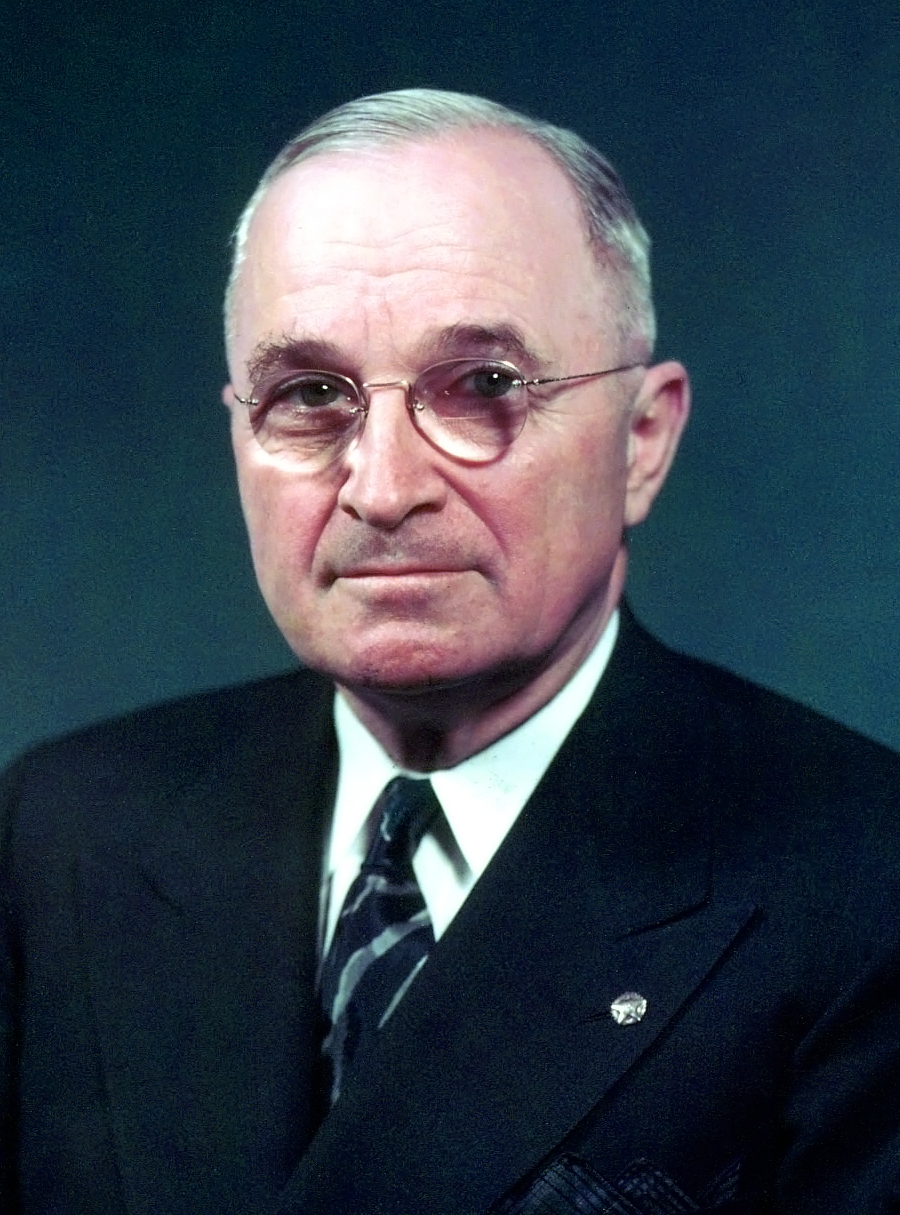
Truman was also not a fan of the Marine Corps based on his personal experiences with them during the first world war. He once infamously said:
“The Marine Corps is the Navy’s police force and as long as I am President that is what it will remain. They have a propaganda machine that is almost equal to Stalin’s”
Everything came to a head in 1949
Johnson’s defense cuts, which began on April 23, 1949, were accelerated after he announced the cancellation of the 65,000-ton flush deck aircraft carrier USS United States.

The Navy had been planning the ship for several years and construction had already begun. Johnson, supported by a slim majority of the JCS and by Truman, stressed the need to cut costs. At least by implication, Johnson had scuttled the Navy’s hope to participate in strategic nuclear air operations through use of the carrier. Neither the Department of the Navy nor Congress had been consulted in the termination of United States. Abruptly resigning, Secretary of the Navy John L. Sullivan expressed concern about the future of the US Marine Corps and both Marine and Navy aviation and Johnson’s determination to eliminate those services through progressive program cuts.


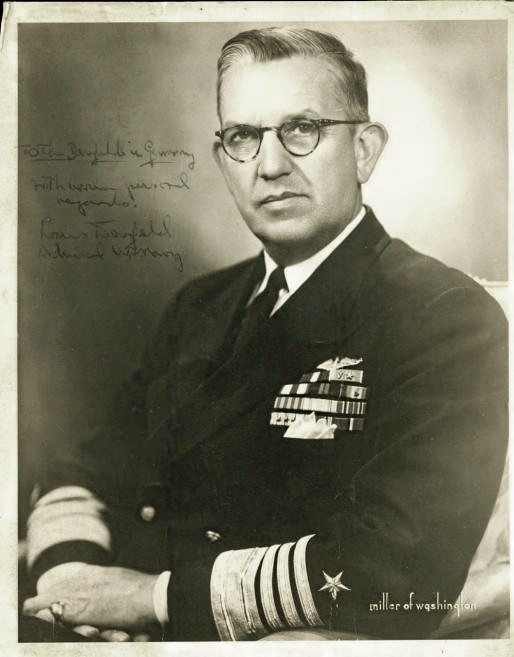
After the Navy publicly questioned the effectiveness of the newest Air Force bombers, congressional hearings were held. After the navy publicly testified, General Omar Bradley, Chief of staff for the Joint Chiefs in the newly minted Department of Defense testified.
From the book Revolt of the Admirals:
General Bradley delivered his statement to the House Armed Services Committee on the afternoon of 19 October 1949. The first part (less than a quarter of the text) was a fairly measured discussion of national objectives, the need for long – range military policy and the requirement for balanced military forces. The second part, however, was a highly critical examination of the Navy’s principal charges and an almost vitriolic denunciation of the Navy’s leadership and strategic thinking.
In countering charges that strategic bombing was militarily wrong, Bradley commented, “From a military standpoint, any damage you can inflict on the war – making potential of a nation, and any great injury you can inflict upon the morale of that nation contributes to the victory. ” 65 He defended strategic (mass) bombing from the charge that it was morally wrong by arguing that war itself was immoral and, in any case, such bombing would be carried out “with minimum harm to the non- participating populace.
Bradley’s harshest criticisms came when he discussed the Navy’s charge that its offensive power was being destroyed by the actions of the Secretary of Defense and the Joint Chiefs of Staff. He saw this charge as a castigation of the Chiefs ‘ knowledge of warfare. Bradley completely dismissed the Navy’s concern that, by cutting its offensive air power, the Defense Secretary was harming the country’s ability to fight and win a war with the Soviet Union. “Considering again the only possible enemy we have in sight, ” he said, “we are faced with the real fact that the Soviet Union and her satellites have tremendous land forces and tactical aviation, but their surface navy is negligible. ” Bradley stated that he believed in naval aviation as part of hunter – killer task forces used to fight Soviet submarines and assure control over enemy navies but that he did not believe in using carrier aviation assets to attack land targets. Such a capability might be ” nice to have, ” but it would not make a particularly important contribution in the initial stages of a war.
Bradley then launched into an assault on the competence of the Navy’s leadership:
The truth of the matter is that very few Navy men on the staff of the Chief of Naval Operations have had any experience in large – scale land operations. Uppermost in their minds are island – hopping campaigns of the Pacific, and the battles at sea. While listening to presentations by some Navy officers before the Joint Chiefs of Staff, I have heard high – ranking Navy men arrive at conclusions that showed they had no concept whatsoever of land operations.
Stunning results
October 21, 1949 Washington Evening Star
Nub of the Controversy
One least expected to hear from General Bradley words that left a sting. In this respect he was out of character. For our ranking military man to use such terms as “self-appointed,” “aspiring martyrs” and “fancy Dans” toward his contemporaries in the Navy was injudicious, to say the least.
The so-called B-36 hearings have opened wounds which in any circumstance are going to be hard to heal. It was not necessary to add salt. And one fears that General Bradley, in departing from the calmly objective manner of speech that is one of his compelling attributes, has made his own task more difficult. As chairman of the Joint Chiefs of Staff he is largely responsible for building that teamwork to which he correctly referred in his testimony as the essential ingredient of unification. It has been badly shattered.
Aside from his unfortunate lapses into name-calling, however, one of the merits of General Bradley’s testimony was to bring into sharper focus the substance of disagreement that splits the National Defense Establishment. Taking the Brad- ley testimony and that of Admiral Louis E. Denfeld, one is able almost to reduce the essence of controversy between them to this exchange:
ADMIRAL DENFELD—Naval officers, who know the importance of the use and command of the seas to this country, can- not understand reductions in the fleet and its functions which are being imposed by arbitrary decision. Limitations are im- posed without consultation, and without understanding of the Navy’s responsibilities in defense of our maritime Nation. Reductions in the fleet under this process cannot be explained and the first word the fleets get is orders to deactivate units.
GENERAL BRADLEY—The truth of the matter is that very few Navy men, bn the staff of the Chief of Naval Operations, have had any experience in large-scale land operations. This may account for the fact that in joint planning, where knowledge of the larger continental operations which we must ultimately face if we ever go to war is a “must,” Navy men frequently find their suggestions “out- voted” two-to-one.
The B-36, as a weapon of warfare, is not the nub of the controversy. It- is merely a symbol of the controversy. The nub of the controversy lies in mutual distrust—with the Army and Air Force attributing Navy recalcitrance to the Navy’s lack of understanding of how a land war must be fought; and the Navy feeling, likewise’, that it is being voted down arbitrarily by men without understanding of the Navy’s part in warfare on land or sea.
How Secretary Johnson is going to reconcile these opposing convictions, deeply and sincerely held by able men, is his great problem. He may have acted precipitately in some decisions. The Navy makes out a strong case that he did. But his predecessor, on the other hand, was hounded to a tragic death with the criticism that he would not make up his mind. Decisions, wise or unwise, must be made. There is little time to make them and they cannot be delayed for a popular vote preceded by a public debate between the admirals and the generals.
The only things that Secretary Johnson and the country have to depend upon new in quickly healing this dangerous breach are the character and the patriotism of the ranking men in the services. That Is a note that General Eisenhower, in his restrained and conciliatory statement yesterday, seemed to strike. Only time can prove the wisdom or unwisdom of decisions made. But procedure in reaching decisions evidently needs revision. For it is procedure in reaching decisions, rather than the decisions themselves, that has brought revolt from the Navy.
The results of the revolt
The best book I have read that captures the event that became known as the Revolt of the Admirals is here: https://babel.hathitrust.org/cgi/pt?id=nyp.33433050669823&seq=1
The Secretary of the Navy and the Chief of Naval Operations would be fired from their posts. But the men who replaced them would not have long to enjoy their pyrrhic victories.
I have been reading the book about the revolt on line and many newspaper articles about the results. The courage of the Admirals and their staffs to stand up for a powerful Navy and Marine Corps is a testament to their vision and understanding of what future warfighting would look like.
The mythical power of strategic bombing and the empty threat of nuclear destruction were both laid bare in Korea and Vietnam.
I remember standing at the end of the runway in Guam watching the lumber behemoths called B-52s came screaming down the runways on their way to their targets in the north. I respect the men that flew them and mourn the loss of too many crews. But in the end, the North Vietnamese were not conquered from the air. In fact, they were not conquered in any fashion.
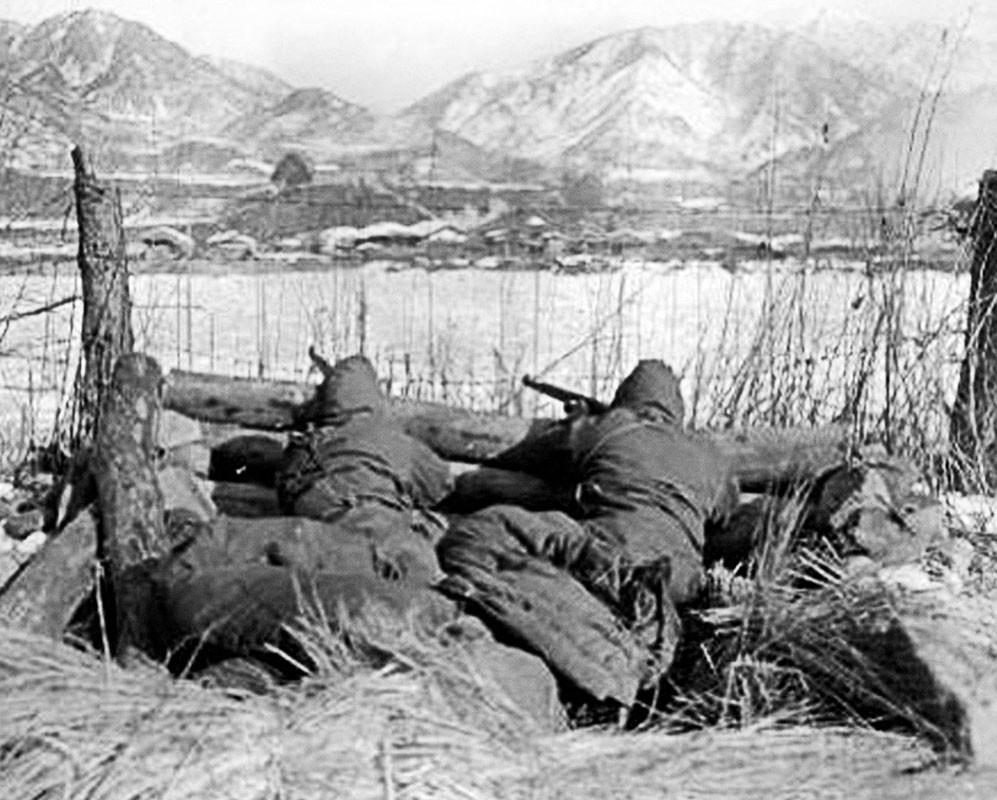
Johnson would eventually be fired when Korea needed a scapegoat. His wholesale destruction of the navy fleet (including amphibious forces) would soon be revealed to the public as we struggled to prevent Korea from becoming a massive disaster. When the North Koreans overran the airfields that were part of the Air Forces plans, it was the navy that provided the needed close air support for the struggling forces. The atomic bomb proved itself to be an impotent threat. Marines, along with the stripped-down army, would be thrust into the gap and stop the invading hordes that were supplemented by the Chinese.
Truman and his ill-advised policies would also be fired in the next election. The navy would find its footing and large aircraft carriers and new aircraft would emerge. Nuclear power would find a new use in submarines and some surface ships. Those same nuclear submarines would emerge as the most survivable leg of the nuclear triad.

 theleansubmariner