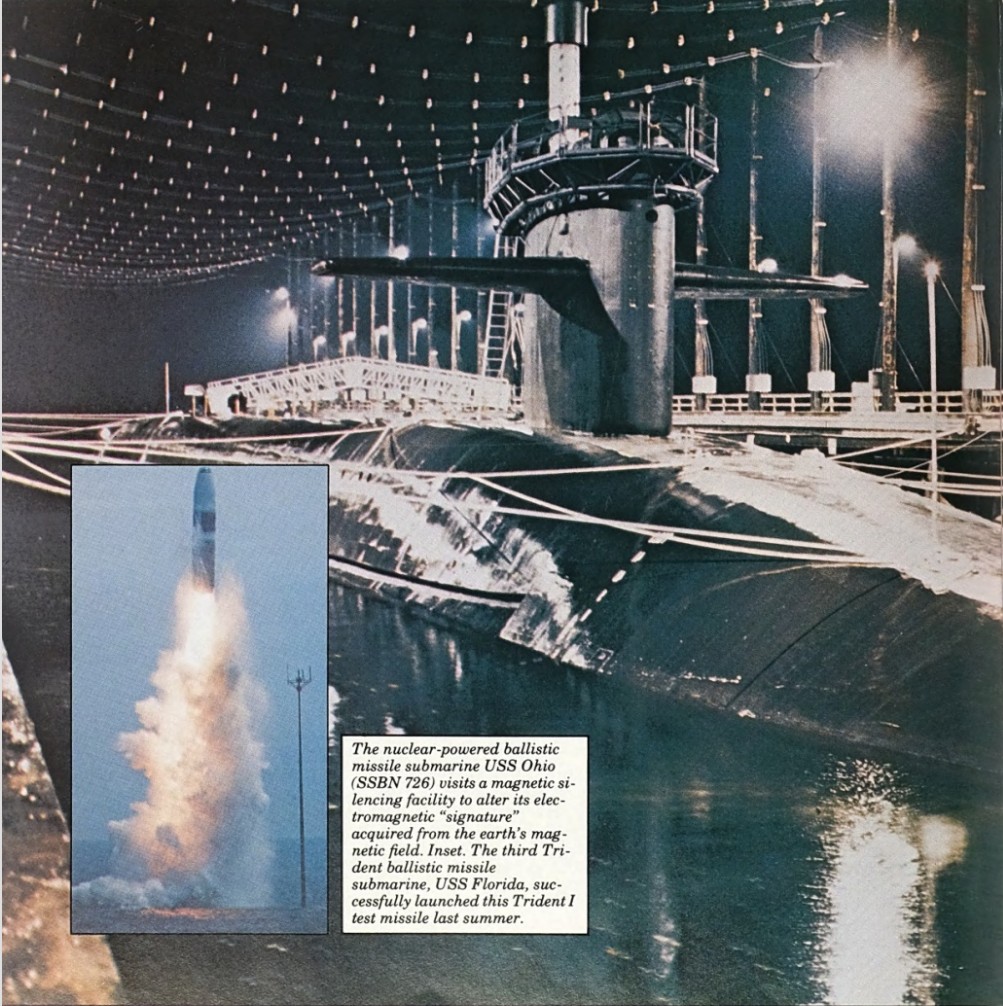
I don’t think most people realized how much the year 1985 changed the course of naval history.
In April of 1985, I was a First-Class Machinist Mate petty officer stationed on board the mighty warship USS Ohio SSBN 726. It was the height of the Cold War, and we were engaged in Strategic Deterrent Patrols in locations unknown. If memory serves me correctly, we had just completed a test of the missile systems in the Pacific range, and our test was completely successful. I had done similar tests on board the USS George Washington with an earlier generation of missiles more than a decade earlier and the difference was phenomenal. What was most impressive to me was the technology changes in that short span of time.
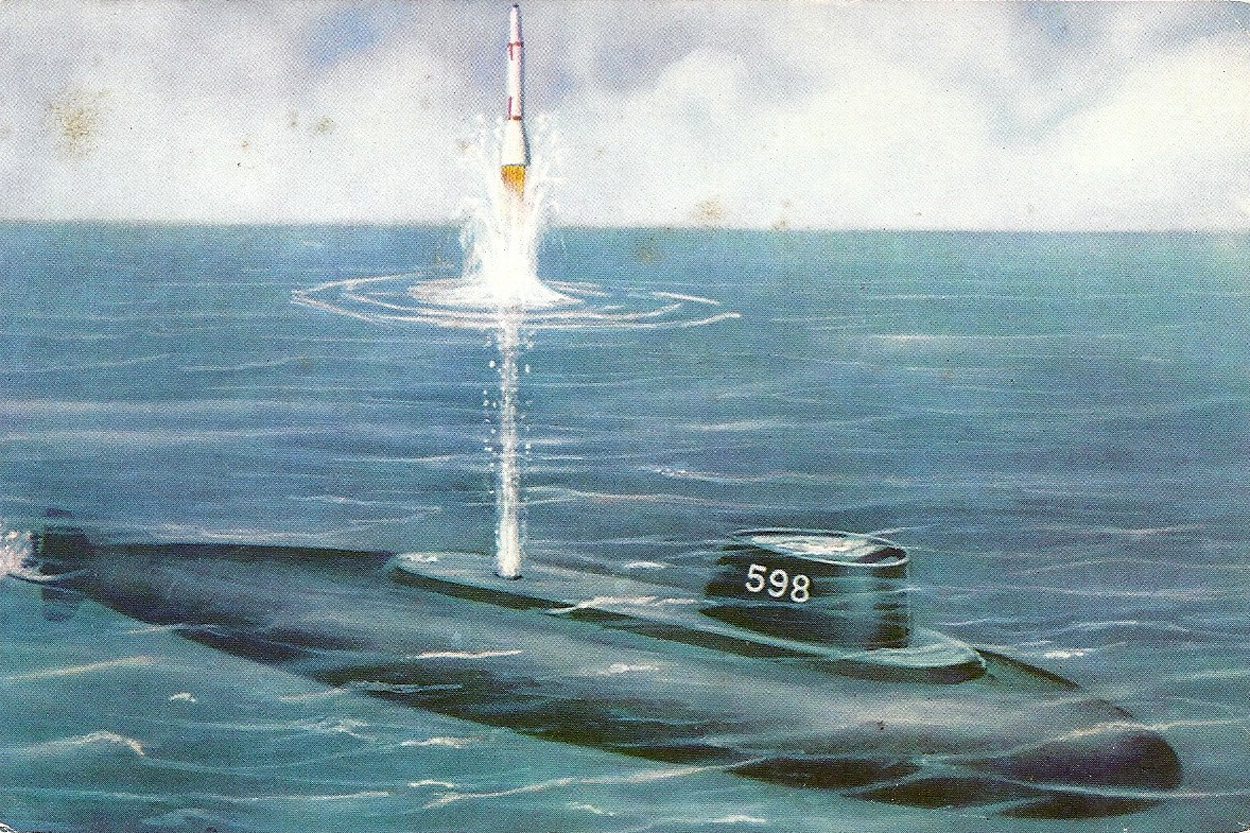
The world in 1985 was very unsettled.
In 1983, President Ronald Reagan made a calculated decision to alter what we had been practicing since the dawn of the MAD (Mutual Assured Destruction) philosophy. Simply put, if the other guy was foolish enough to launch a catastrophic nuclear attack, he would be met with an assured destruction of his homeland. Frankly, with the number of missiles and warheads that were in existence, man’s survival would have been in question. Once the missiles started flying, old scores would probably be settled in all of the armed countries.
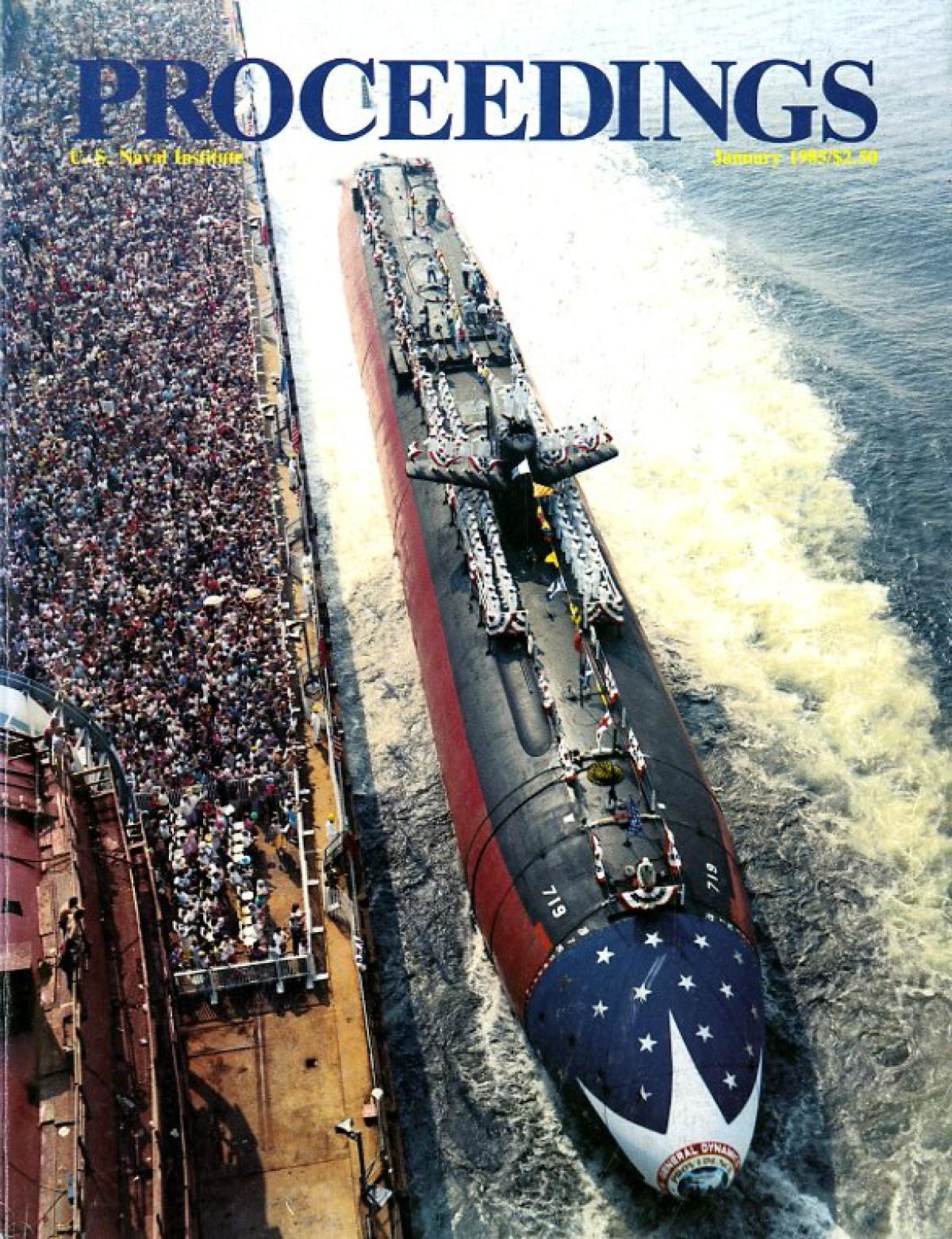
In March of 1983, Reagan addressed the nation. Part of his speech was this:
“The defense policy of the United States is based on a simple premise: The United States does not start fights. We will never be an aggressor. We maintain our strength in order to deter and defend against aggression — to preserve freedom and peace.
“Since the dawn of the atomic age, we’ve sought to reduce the risk of war by maintaining a strong deterrent and by seeking genuine arms control. “Deterrence” means simply this: making sure any adversary who thinks about attacking the United States, or our allies, or our vital interests, concludes that the risks to him outweigh any potential gains. Once he understands that, he won’t attack. We maintain the peace through our strength; weakness only invites aggression.
“This strategy of deterrence has not changed. It still works. But what it takes to maintain deterrence has changed. It took one kind of military force to deter an attack when we had far more nuclear weapons than any other power; it takes another kind now that the Soviets, for example, have enough accurate and powerful nuclear weapons to destroy virtually all of our missiles on the ground. Now, this is not to say that the Soviet Union is planning to make war on us. Nor do I believe a war is inevitable — quite the contrary. But what must be recognized is that our security is based on being prepared to meet all threats.
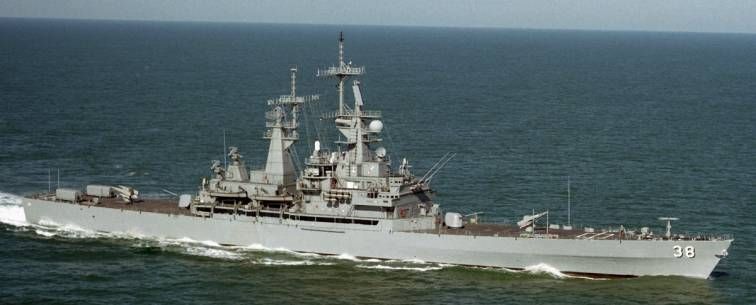
You can find the rest of his speech here:
https://www.americanrhetoric.com/speeches/ronaldreagansdi.htm
The conclusions at that time were that we needed something to defend ourselves against a growing Soviet threat. That something was the SDI or Strategic Defense Initiative. Reagan’s Vision would put the world on a collision course with the unthinkable if it went wrong.
“After careful consultation with my advisers, including the Joint Chiefs of Staff, I believe there is a way. Let me share with you a vision of the future which offers hope. It is that we embark on a program to counter the awesome Soviet missile threat with measures that are defensive. Let us turn to the very strengths in technology that spawned our great industrial base and that have given us the quality of life we enjoy today.
“What if free people could live secure in the knowledge that their security did not rest upon the threat of instant U.S. retaliation to deter a Soviet attack, that we could intercept and destroy strategic ballistic missiles before they reached our own soil or that of our allies?”
Alarm bells went off all around the world.
This was not the first time that an anti-missile defense system had been looked at.
The Anti-Ballistic Missile Treaty, also known as the ABM Treaty or ABMT, was a 1972 arms control treaty between the United States and the Soviet Union on the limitation of the anti-ballistic missile (ABM) systems used in defending areas against strategic ballistic missiles, which are used to deliver nuclear weapons. It was intended to reduce pressures to build more nuclear weapons to maintain deterrence. Signed in 1972, it was in force for the next 30 years.
Citing purported risks of nuclear blackmail from a rogue state, the United States under the George W. Bush administration unilaterally withdrew from the treaty in June 2002, leading to its termination. In ICBM defense, the US has subsequently operated the Ground-Based Midcourse Defense ABM system based in Alaska and California, as well as the sea-based Aegis Ballistic Missile Defense System. Russia maintains the A-135 ABM system around Moscow and has developed the S-500 missile system.
Under the terms of the original 1972 treaty, each party was limited to two ABM complexes, one for the nation’s capital and one for an intercontinental ballistic missile silo field. Each ABM complex was limited to 100 anti-ballistic missiles and their launchers, two phased-array radars, and 18 smaller radars for early-warning. 115 ABM missiles that were not static and ground-based were prohibited. In 1974, the limit was reduced to just a single ABM complex. The USSR chose to deploy the A-35 system around its capital Moscow, the US elected to deploy the Safeguard Complex around its ICBM fields of the Twentieth Air Force, although this was only operational for a year from 1974 to 1975.
https://en.wikipedia.org/wiki/Anti-Ballistic_Missile_Treaty
But in 1985, the reality of a growing Soviet Navy was a clear and present danger.
“The decisions of the Central Committee of the Communist Party aimed at further development of the Navy were based on a careful consideration of the characteristics of the scientific – technical revolution that opened up the possibility of developing fundamentally new warships and weapons systems. Over two decades have passed since that time, and in this relatively short historical period the Soviet Navy has been transformed into an important strategic factor. into a force capable of opposing aggression from the sea and of accomplishing major operational and strategic missions on the world oceans.
Admiral of the Fleet of the Soviet Union and Full Member of the Central Committee of the Communist Party of the Soviet Union (CPSU)
S.G. GORSHKOV
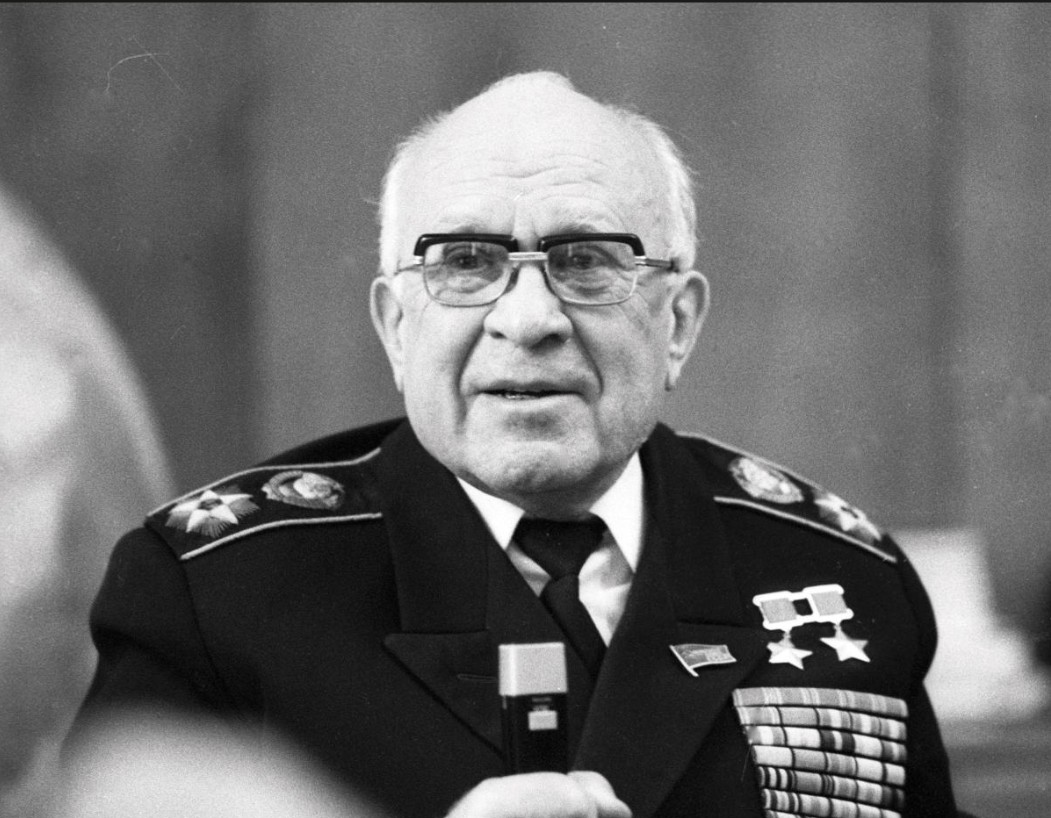
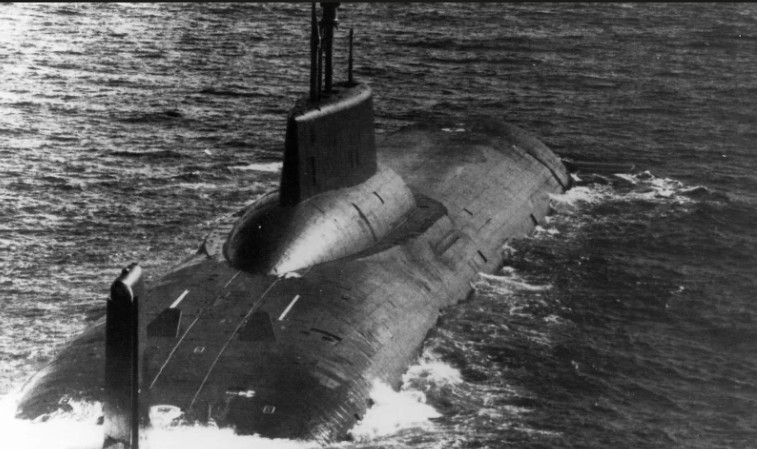
In 1985, the Soviet Union continued to build an even more balanced, technologically sophisticated fleet increasingly capable of accomplishing the full range of naval tasks – whether it be preparedness for a nuclear or conventional war, or the support of state interests at sea in peacetime. The past ten years had witnessed a massive maritime building program that had produced a significant Soviet naval capability to project sea power.
As a member of the Soviet Academy of Sciences wrote in 1981:
The Communist Party and Soviet government are giving unremitting attention to the technical equipping and improvement of the organizational form of the Navy. This service is now an oceanic one, equipped with atomic rocket- carrying submarines, naval aviation and new types of rocket and antisubmarine vessels. These forces can deliver strikes from great distances both on naval targets and also on land objectives located on the coast and in the enemy’s interior.”
Recognizing the threat
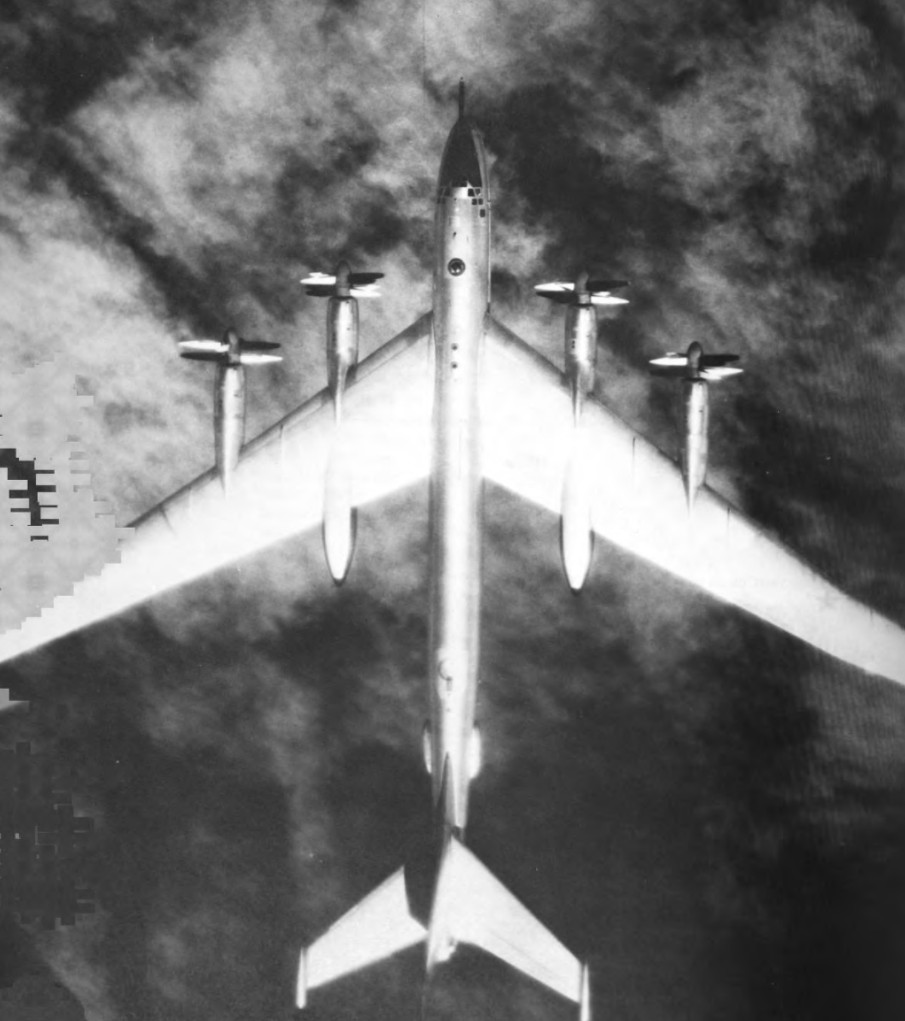
The American response for the naval threat came in the form of an annual assessment by the Chief of Naval Operations. Admiral Watkins in February had already identified a new class of quieter Soviet submarine, the AKULA. Admiral Watkins also quoted as recognizing the Soviet deployment of a cruise missile, the SS-N-21, like Tomahawk useable from standard torpedo tubes — along with the planned introduction of a supersonic version of this missile next year.
This was his report to congress:
DEPARTMENT OF DEFENSE
UNITED STATES OF AMERICA
DEPARTMENT OF THE NAVY
OFFICE OF THE CHIEF OF NAVAL OPERATIONS WASHINGTON, DC 20350
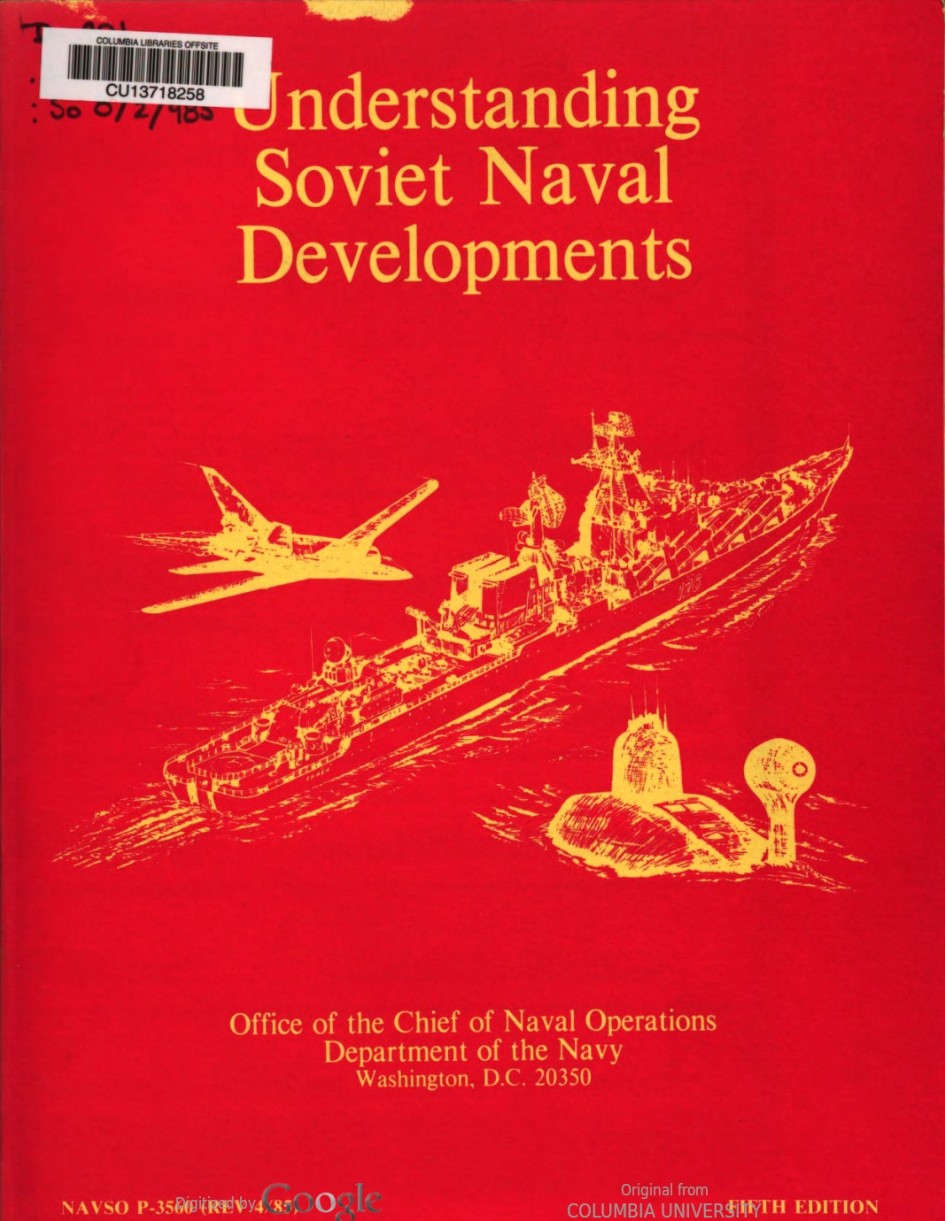
Understanding Soviet Naval Developments
April 1985
In July of 1984, Admiral Sergei Gorshkov wrote in Red Star that “the Soviet Navy, the dependable shield of the battle – gained fruits of socialism, is a factor of security and world peace. Its ships do not pursue any aggressive goals, do not interfere with international ship navigation, do not constrain anyone’s interests, do not serve as arms of influence on littoral countries and have never used or threatened to use their armament against them.”
Whether or not Admiral Gorshkov’s statements are true is not as important as one salient fact the Soviet Union now, for the first time in its history, possesses a Navy capable of conducting hostile and aggressive operations if it should desire. The dream of the Tsars, to build a strong and capable Navy, has been realized.
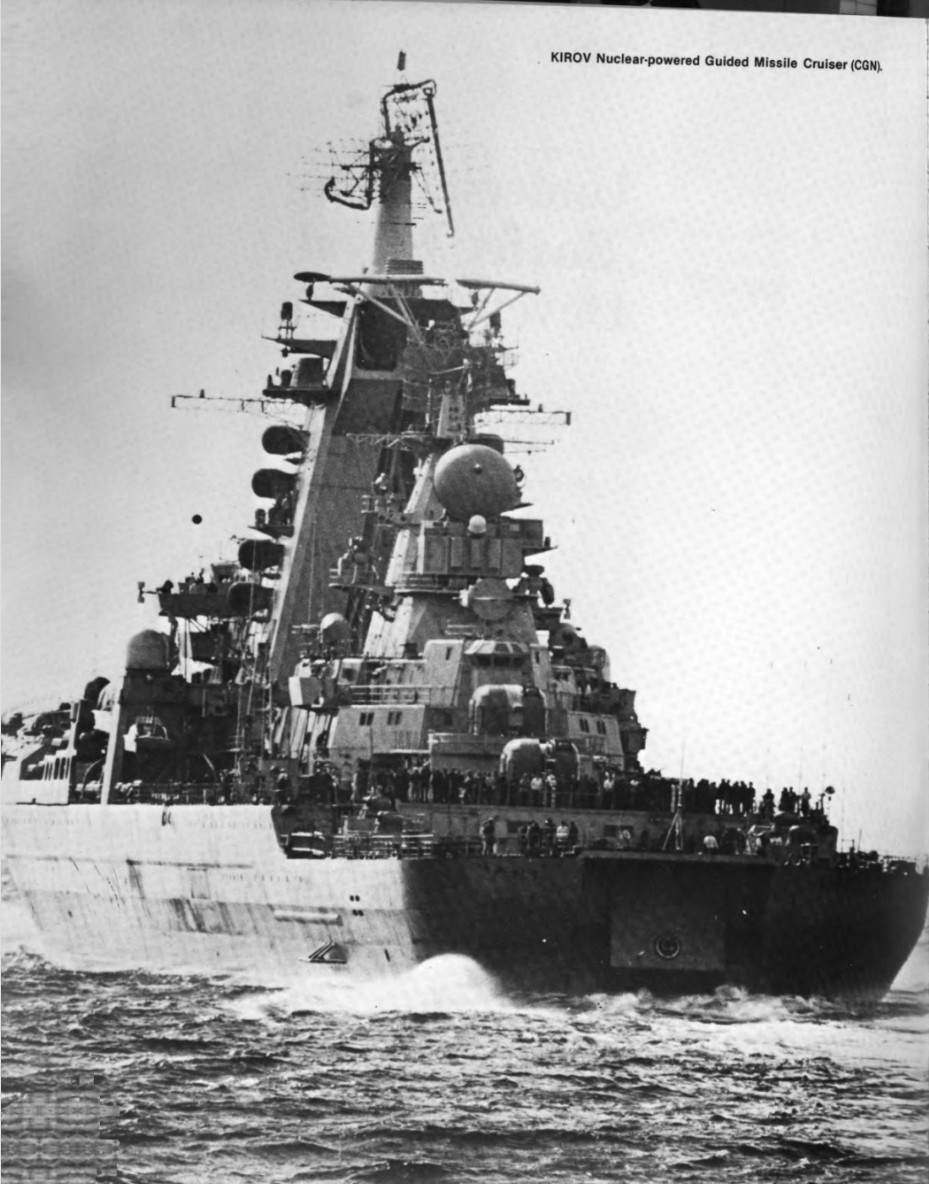
For more than a decade, the Soviet Navy has continued to develop its naval and maritime strength. This trend shows no sign of abatement. In the last 10 years, 13 classes of Soviet submarines have made their appearance, capable ” Kirov ” class battle – cruisers have put to sea and a nuclear – powered, conventional take – off – and – landing, mid – sized aircraft carrier is being built. The Soviet Navy is large, capable and growing. In fact, their Pacific fleet, their largest of four fleets, is larger than our entire Navy.
Equally as important as this impressive naval growth in numbers and capabilities is how the Soviet Union intends to use its sea power. Today, the Soviet Navy has the capability to threaten our allies and trading partners while serving as an instrument of Soviet foreign policy around the world. Because of naval strength, the Soviet Union can assert itself in areas far removed from its shores. This was exemplified in 1984 during a naval exercise series conducted in the Norwegian and Baltic Seas. This exercise, the largest we have seen and displaying greater Soviet naval capability than the famous global OKEAN ’75 exercise of 10 years ago, reflects a Soviet trend toward increasingly large – scale naval maneuvers and massive shows of force.
The Soviet Navy’s warfighting capabilities today are much improved over the coastal defense force of three decades ago. momentum they show in building a Navy with greater flexibility, endurance and range provides Moscow with more effective means for pursuing its hegemonical interests worldwide.
This 1985 update contains the latest unclassified information available. It tells a story that should concern anyone who is interested in ensuring the free world’s unfettered use of the seas. I hope you find it useful as you evaluate the need for improving our own naval forces.
JAMES D. WATKINS Admiral, U. S. Navy
https://babel.hathitrust.org/cgi/pt?id=nnc1.cu13718258&seq=1
The Soviet View in 1985
“The flag of the Soviet Navy flies over the oceans of the world. Sooner or later the United States will have to understand it no longer has mastery of the seas.”
Admiral of the Fleet of the Soviet Union S.G. GORSHKOV
1985 was also pivotal in the threats that had not been seen by leadership but certainly changed the threat factor.
First, was the emergence of the John Walker Spy ring.

There is evidence that his betrayal gave great comfort to the Soviet planners and more can be read about the year of the spies here:
https://www.usni.org/magazines/naval-history-magazine/2010/june/navys-biggest-betrayal
The second great betrayal came from foreign sources that provide the USST with sound altering technology. The Toshiba–Kongsberg scandal was about corporate greed that delivered game changing technology to Soviet hands at a crucial time. The quieting of the Soviet fleet was a challenge to the American and Nato allies that resulted in a severe degradation to our defense posture.
https://www.globalsecurity.org/intell/world/russia/toshiba.htm
The Cold War did not end in the way that many thought it would end.
On Christmas Day 1991, at 7:35 p.m., the Soviet flag flying over the Kremlin was lowered and replaced by the new Russian banner.
The USSR officially ceased to exist on 31 December. The Cold War was over.
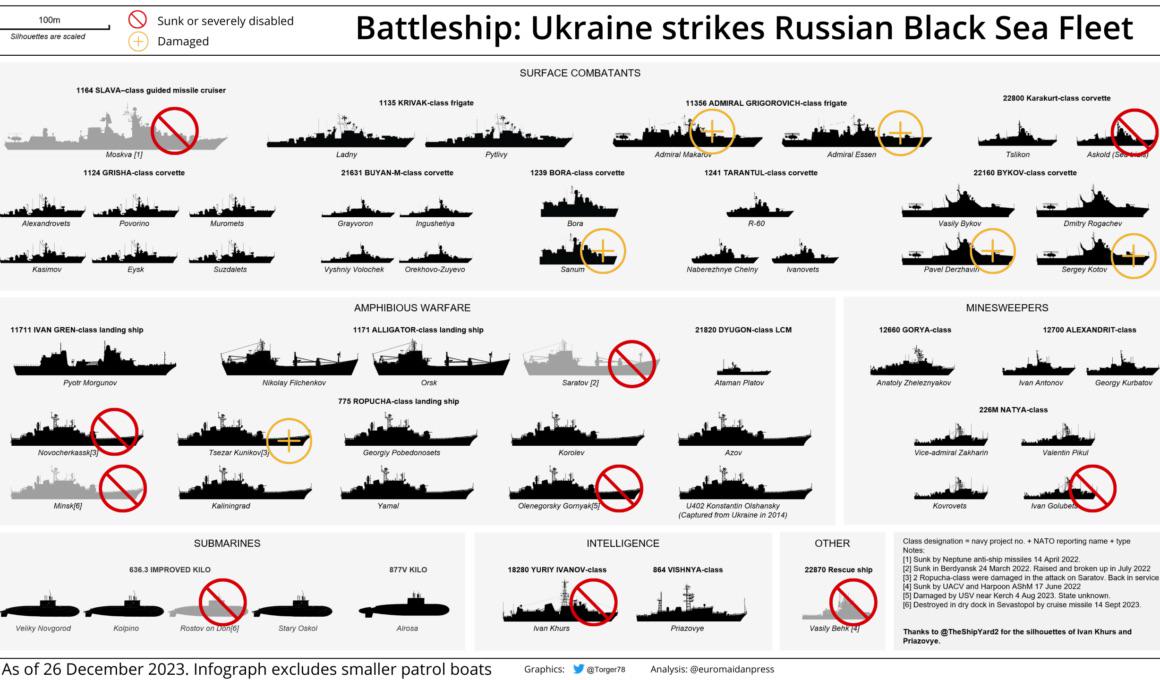
Many people will argue that SDI or the threat of SDI ended the conflict. Many will point out that the ability to sustain the Soviet Union was impossible due to economic constraints. No matter what the reasons, the Soviet Navy was no longer capable of the threats it once was feared for. The current situation with the war in Ukraine and new technology has shown that the remnants of that once proud navy are facing destruction in ways that planners of that earlier era could never have imagined.
The whole world is watching that conflict and the war in Iran.
The textbooks are being overturned faster than they can be written.
It will be interesting to see how we adapt to the ever-changing face of warfare.
Final note. USS Ohio was commissioned on November 11, 1981.
45 Years is a long time for a ship no matter what type she is.
I am hoping that the powers that be light a fire under someone’s backside pretty soon and finish her replacement class.
Mister Mac


How are you doing my friend. Is your book published yet? Hope all is well with you. All the Best, Duane
Sent from Yahoo Mail for iPhone – Please excuse any typos.