I’ve written before about the rush of the nation to disarm after the second world war.
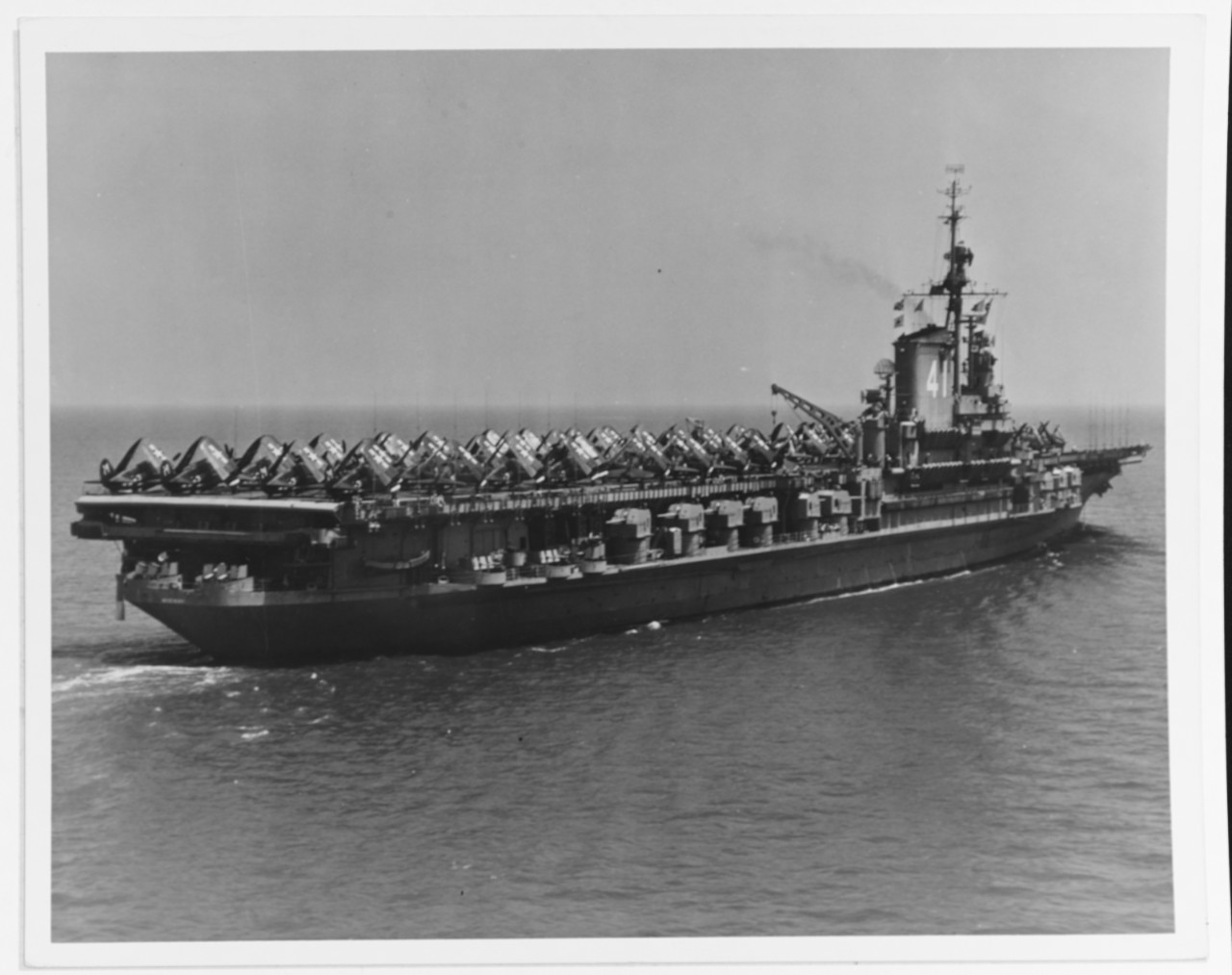
The navy in particular was hard hit based on the emergence of the atomic bomb and the lack of a major sea going threat. The Soviets exited the war with a small blue water navy. That would not change until the growth of their ambitions around the globe later in the 1950’s and 60’s. So, a shrinking fleet was not exactly a place one would look to create an entirely new type of technology. The U.S. Navy experienced dramatic reductions in its force structure in the five years following the conclusion of the Second World War. The drawdown of forces after the demobilization was
influenced by inter-service rivalries, the lack of a clear naval threat, and difficulties in developing a national military strategy.
From Hewlett and Duncan’s Nuclear Navy:
In the months after V-J Day the Bureau of Ships canceled the construction of more than 9,800 combat vessels and small craft, amounting to a reduction of more than $1 billion in expenditures. More than two thousand vessels were assigned to the reserve Sixteenth and Nineteenth Fleets for in activation and almost seven thousand ships were declared surplus to the needs of the post-war Navy.
From the Naval Heritage and History Command Site:
(1946–1949)
The problems of demobilization, organizational readjustment, and the tense beginning of the Cold War highlighted the years following World War II. Six years of war had exhausted the warring powers and brought the wartime alliance system to collapse. Two superpowers emerged into the ensuing void, the United States – led Western alliance and the Soviet-dominated Eastern Bloc, and their struggle for world mastery overshadowed the second half of the century.
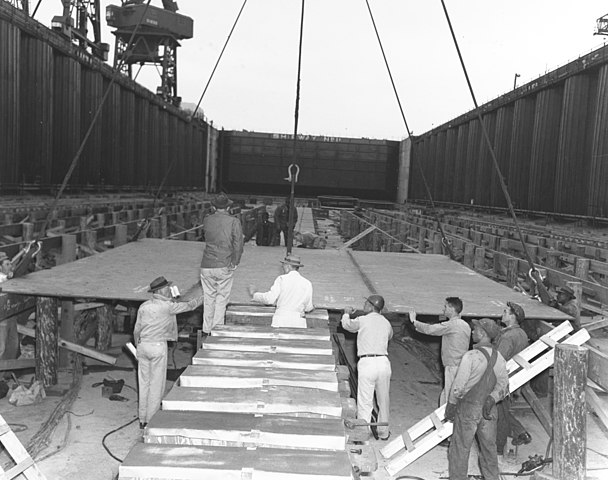
American demobilization proceeded rapidly. Within a year after the end of hostilities, the on-board figures for the men and women who comprised naval aviation fell to a quarter of the wartime peak. Only a skeleton of the force remained to carry out the new operational demands. A task force built around one or two carriers sailed into the Mediterranean, and as the years passed, it became a fixture there. A similar force in the western Pacific provided the same tangible symbol of U.S. might and determination to support the free peoples of the world.
The introduction of jet aircraft posed special problems for carrier operations, and their employment renewed the dilemma that as navies developed increased-capability aircraft, they encountered the additional challenge of finding the means of taking them to sea. Technological and scientific advances built rapidly upon each other. New concepts included guided missiles, which had been introduced during World War II but were still in their embryonic development.
A constant readjustment in planning, the continual adaptation of force organization, and the repeated revision of tactical doctrine characterized this period. Some leaders clamored for a separate air force and for a merger of the services, which occurred by unifying them first, in 1947, and then, in 1949, under the Department of Defense. The armed forces also disputed their respective roles as they sought shares of a decreasing budget, and their chiefs raised old charges of duplication.
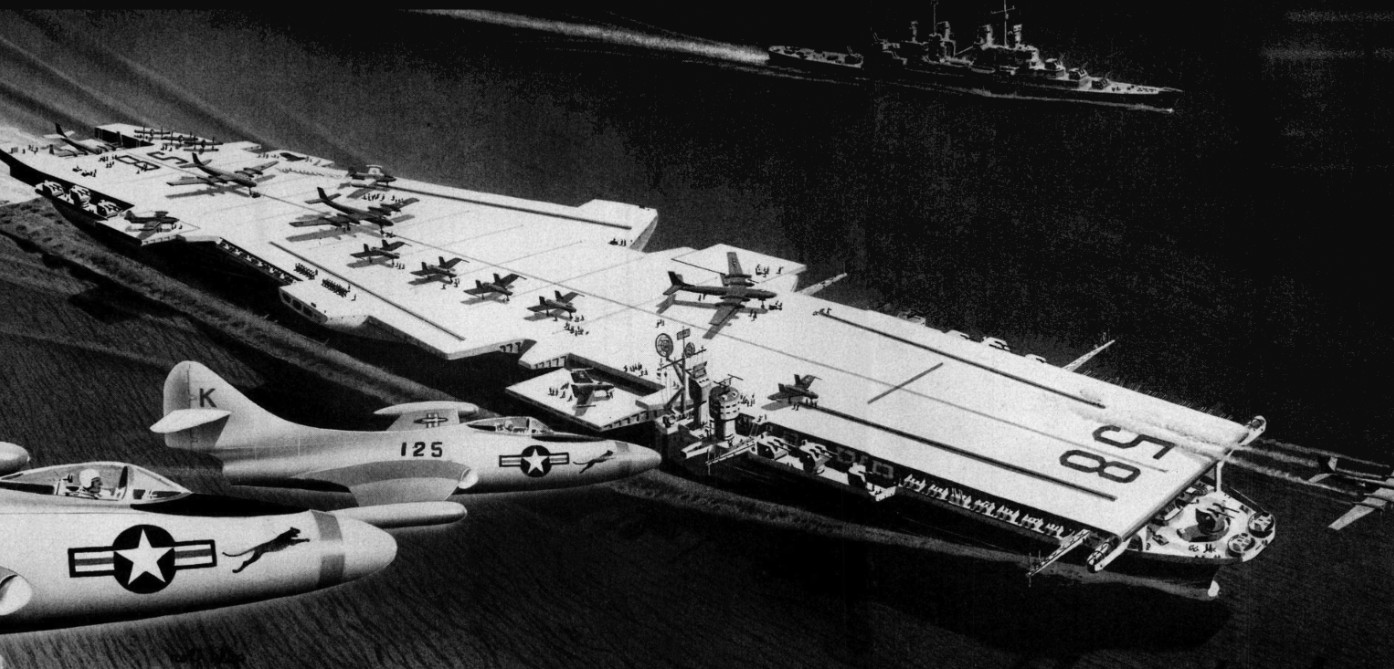
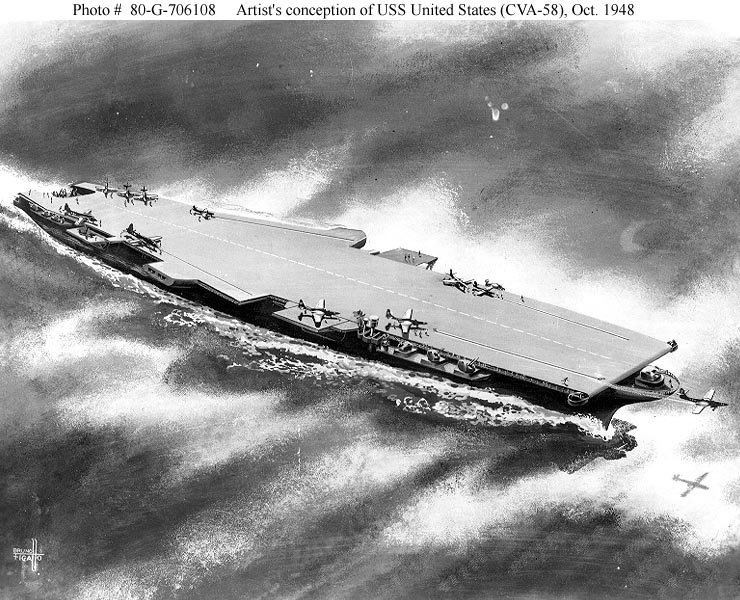
Critics of naval power renewed their declaration of navies as obsolete in the atomic era and shifted their derision from battleships to aircraft carriers by citing the ships’ expense and vulnerabilities. During the height of this controversy, the carrier United States (CVA-58), designed to carry Navy long-range attack planes, was canceled while under construction and the Secretary of the Navy resigned in protest, dubbed “the Revolt of the Admirals.” The Air Force publicly attempted to tell the Navy how to carry out its mission and what tools the sea service needed to accomplish its tasks. Congressional hearings ended the dispute. The outbreak of the Korean War in June 1950 generated more immediate problems but provided a greater national appreciation of the necessity for adequate military forces in face of the communist threat.
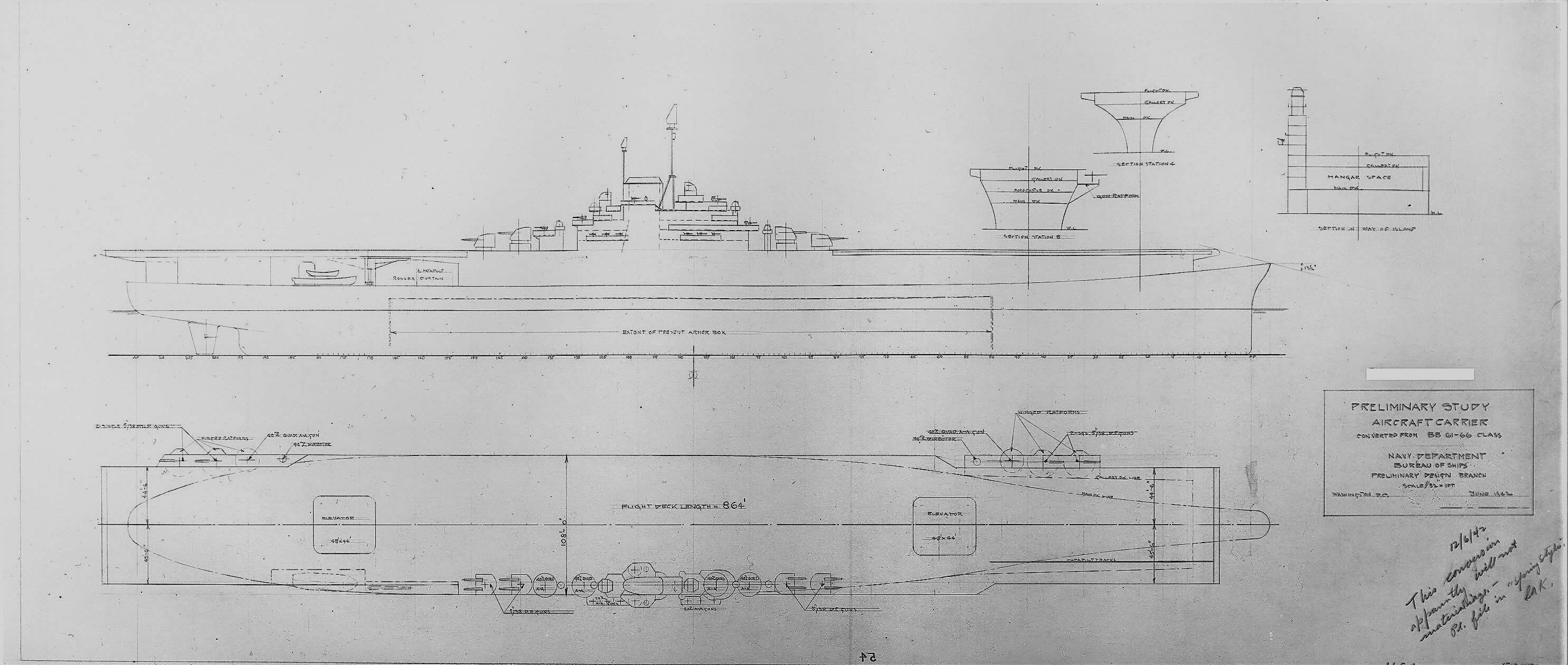
So what role was the Navy going to play in the future? How could atomic energy be incorporated?
But even in 1946, the idea of converting the newly mastered atomic energy into a propulsion mode was something being imagined at the highest levels of the nav. Nimitz was a submariner and had previously been at the front of adapting an earlier method of propulsion in the earliest days of submarines. His work with diesel engines was crucial in helping the US submarine fleet eventually mature enough to be a pivotal part of the war in the Pacific. Now, the future of submarine warfare was calling him to lead a new innovation. If it was somehow possible to harness that nuclear power into a smaller package, a true submarine could be developed.
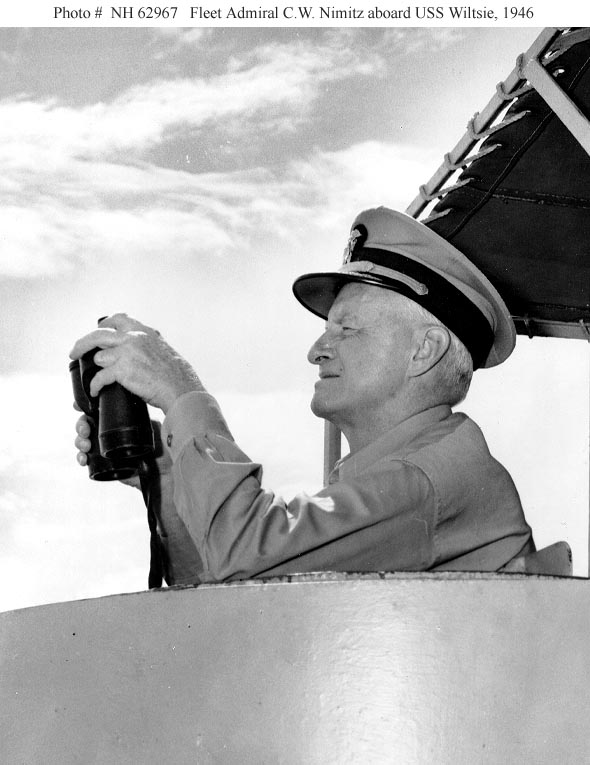
Most important, Nimitz had led the war in the Pacific understanding the strengths and limits of his fleet submarine force.
Evening star (Washington, D.C.), April 8, 1946
Submarines Faring Best in Navy Plans For Atomic Era Fleet
Submarines are faring best, big surface ships worst in the cutbacks in Navy shipbuilding mandated by budget reductions, general postwar economy and plans for an atomic era fleet.
There is an apparently direct relationship between that trend and recent Navy suggestions that the new superpower may help hoist the submersibles to top rank among sea weapons.
Only one battleship, the 45,000-ton Kentucky, is on the building ways and construction on her has stopped until a decision on possible changes in design or in use of the big hull. The completion schedule for a big battle cruiser, the Hawaii, also on the ways, is doubtful.
If the budget cut of $2,000,000,000 is followed, the Navy expects to scrap construction work on 3 of 13 cruisers building and leave “as is” the work on two others. Work also will be suspended indefinitely on one carrier.
Work will be suspended on only 1 of 8 submarines on the ways.
High-ranking naval figures have been placing increasing emphasis on the role of the submarine in public discussions recently.
One of the latest pronouncements was from Admiral Chester Nimitz, chief of naval operations and commander of the sea war in the Pacific, who said, “It may be that the capital war ship of the future will be the submarine.” able to remain submerged for weeks, approach an enemy coast, “and from a safe depth bombard cities with effects not even Hiroshima suffered. Another Navy chief, Vice Admiral Arthur W. Radford, in charge of air operations, refers to the launching of guided missiles and rockets without surfacing.
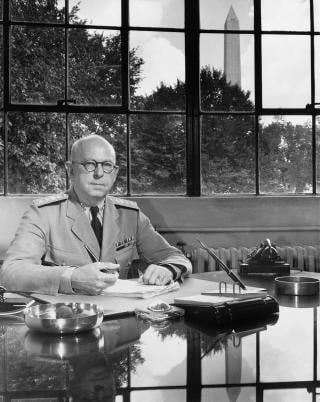
Rear Admiral Harold G. Bowen, director of research, mused yesterday over the possible forms atomic era ships might take, pointing out that his ideas are not necessarily those already in detailed blueprint stage. Of all ships, he indicated to a reporter, submarines may be the greatest beneficiaries of atomic power.
Admiral Bowen suggests that tomorrow’s submarine may be propelled by steam turbines, with an atomic firebox. He points out that since heat from nuclear fission sources develops no exhaust gasses, there would be no problem of expelling the gas from a submerged submarine. None of the precious oxygen in the submarine would be used by the propulsion machinery.
Should development of a compact atomic energy plant come swiftly, Admiral Bowen thinks submarine cruising range would be virtually unlimited, speed far beyond any
present possibilities. The weight saved also would make feasible more armament or the carrying of aircraft if desired.
The firing of rockets or guided missiles with atomic warheads from a submerged submarine should present no insurmountable obstacle. Admiral Bowen says, suggesting that torpedo tube launching, with the rocket going into operation on reaching the surface, would be one method Aiming might be more of a problem, he added.
Access to atomic power, says Admiral Bowen, will encourage naval architects to examine the possibilities of super speeds for ships—“perhaps we’ll have an aircraft carrier with the underwater body of a speedboat.”
From Hewlett and Duncan’s Nuclear Navy
During the war, the Navy benefited greatly from its close contacts with scientists. Determined that this experience should not be lost, Forrestal established on May 19, 1945, the Office of Research and Inventions, which was to report to him rather than to one of the bureaus. Under the new office came the Naval Research Laboratory. The function of the larger organization was two-fold: to continue some of the wartime research of interest to the Navy and to encourage and coordinate new efforts in areas not being covered by any of the bureaus.
Forrestal had chosen Rear Admiral Harold G. Bowen to head the new office. Bowen was an aggressive officer who as chief of the Bureau of Engineering in the 1930s had fought for the use of high-temperature and high-pressure steam in the Navy. When the Bureau of Engineering became a part of the Bureau of Ships, Bowen lost out in the struggle to head the new organization. Instead, he became director of the Naval Research Laboratory in 1939 and supported preliminary research in atomic energy. Under his leadership, the laboratory expanded rapidly. Bowen also had the confidence of Forrestal, a factor of no mean importance in the shifting organization of the postwar Navy.
Bowen faced a more uncertain future than Nimitz or Cochrane. The Chief of Naval Operations was perhaps the most powerful individual in the Navy, rivaling even the Secretary. Cochrane had in the Bureau of Ships a cumber some structure, but it had built ships during the war and would continue to do so. Bowen, on the other hand, headed an office that had as its bailiwick research, an amorphous term at best, but never more so than in 1945 when political leaders and scientists were debating the relations of science and the federal government. In his new office, Bowen had the advantage of being in dependent of the bureaus, but he also lacked the protection of a time-honored organization. It was by no means clear in the autumn of 1945 whether Bowen could realize his hopes for a consolidated research organization in the Navy.
As a veteran submariner, Nimitz was aware of the submarine’s dilemma. The ultimate solution was nuclear power, which would make possible both surface and submerged operation on a single propulsion system. The goal was a true submarine, one capable of operating at high speeds for extended periods below the surface. The idea was a fascinating one, but in the fall of 1945, it seemed to Nimitz and others to be far in the future.
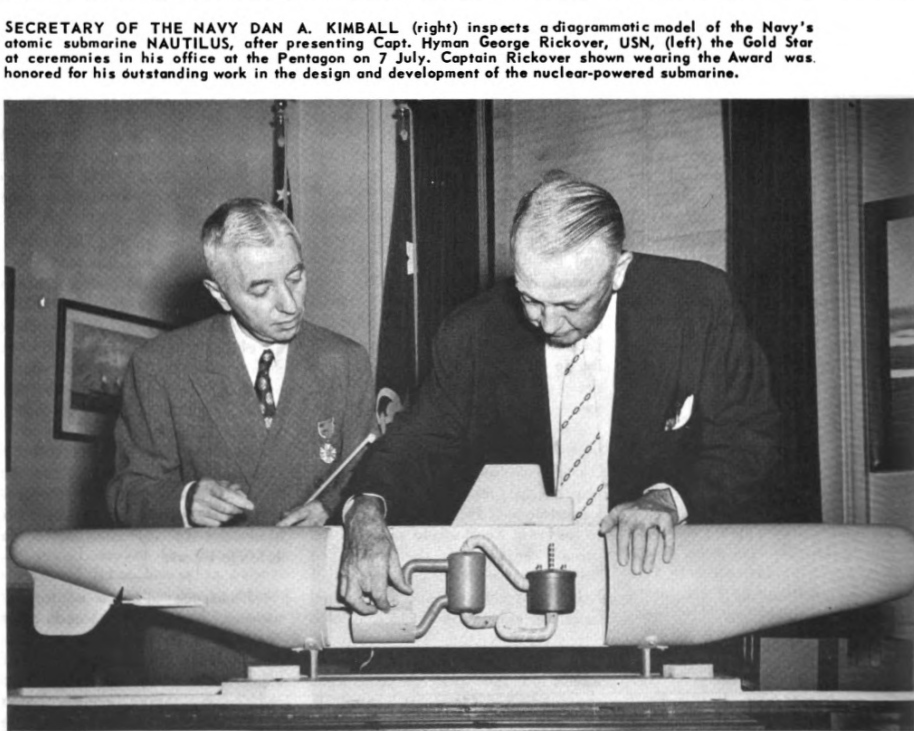
In March 1946, the laboratory distributed a report by the Naval Research Laboratory proposed construction of a nuclear-powered submarine to be in operation within two years. Because such a ship would operate underwater at high speed, it was suggested that the Navy use the most advanced hull which the Germans had developed for a closed-cycle system. The proposal was admittedly nothing more than an effort to operate a reactor in a submarine hull. The report also suggested that the use of nuclear power constituted only a modification of existing submarine propulsion equipment and did not require a completely new technology. The proposal, in short, did not advance the cause of the independent Navy project.
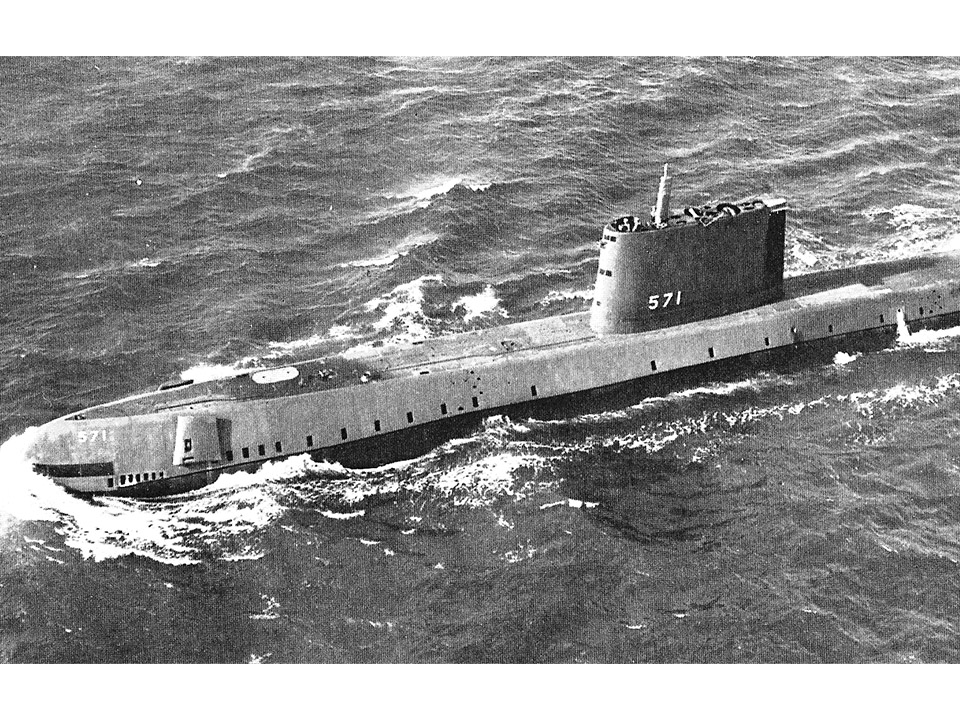
Over the years since 1939, Admiral Bowen had waged a hard-fought and courageous battle for a nuclear Navy. As an engineer he had the kind of practical approach necessary to produce results, but his strong convictions and tenacity bred an inflexibility that misled him. The idea of an independent Navy project was a chimera. The Naval Research Laboratory possessed neither the personnel nor the facilities for such an effort.
Bowen had the drive and the intelligence needed to establish a nuclear project, but without a solid base in nuclear technology all his energy and enthusiasm were in vain.
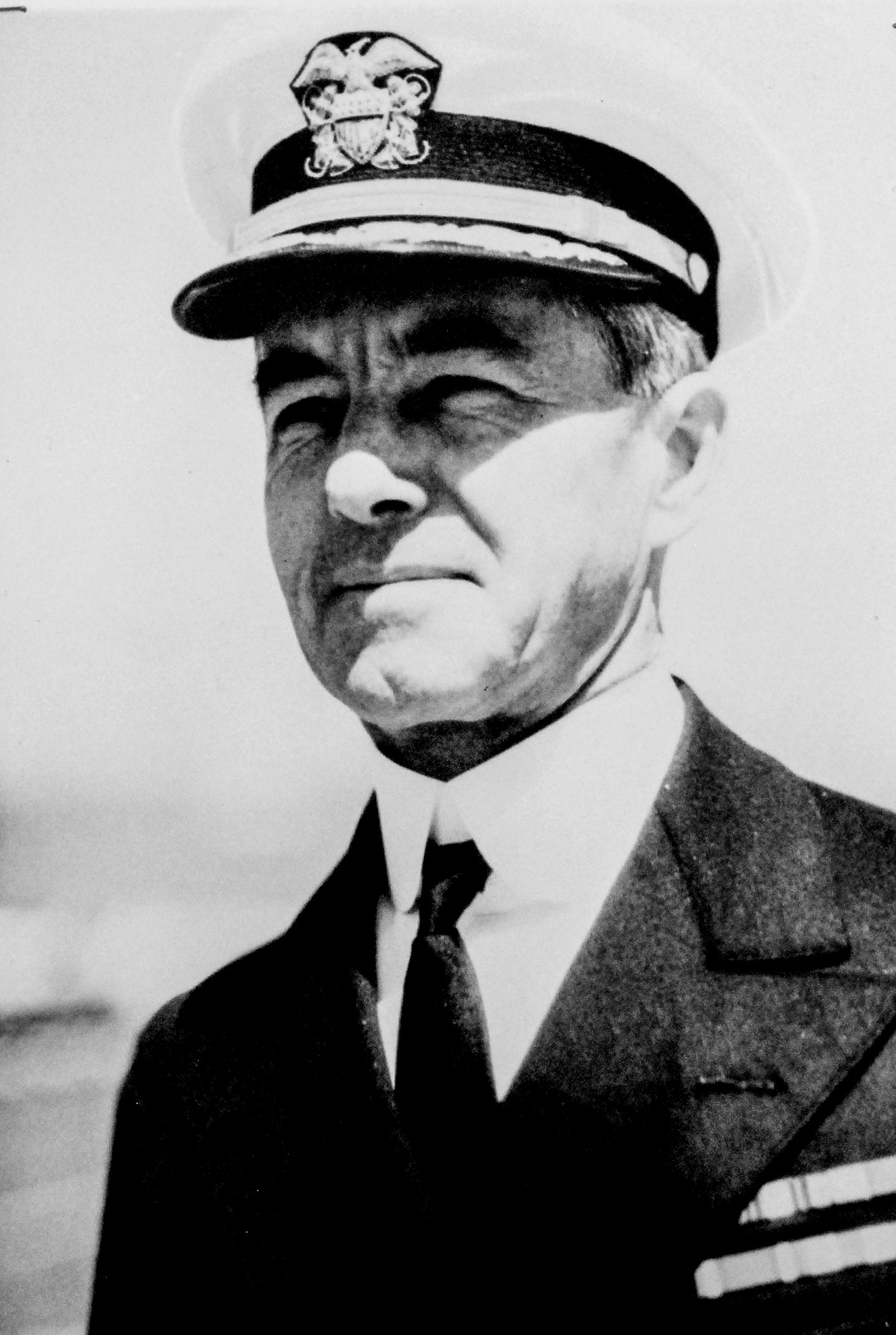
Despite many senior officers’ vision of a submarine resurgence in the atomic age, not everyone was on board in 1946.
Admiral Hart Hails Submarine
Senator Thomas C. Hart of Connecticut, who is also Admiral Hart, retired, and who very skillfully commanded our fleet in Far Eastern waters at the outbreak of World War 11, is quoted as predicting that the submarines will be the most important ships in any future war. This prediction is by no means original with the senator-admiral, but he is quoted further, in a statement open to challenge, as saying: “The undersea boat can take over any of the functions of our present surface ships.”
Senator Hart obviously speaks with professional authority. But it seems easily demonstrable that in the latter statement he is taking in too much territory and is letting his enthusiasm for the submarine, or something else, betray him into in accuracy. Since the matter has an intimate relation to the character of future wars and of limitations which may be placed on certain of the operations involved in them, it has a present interest for the general public and not merely for professional naval circles.
A function discharged by surface ships in World War 11, with aid from planes, which submarines would definitely not be able to “take over” would be the covering and protection of landing operations by heavy fire. The reason why submarines could not discharge this function is that the submarine, having comparatively little reserve buoyancy or usefully disposable weight, could not carry, even in rocket form, the great amount of ammunition needed in maintaining such a heavy fire through any prolonged period. The point is simple. One suspects that Senator
Hart, having overlooked it for the moment only, will agree.
If, according to the theory of Senator Hart and many others, the development of the atomic bomb is to make the submarine the warship of the future and render other war ships obsolete, this inherent limitation on the service the submarine would be able to perform would gravely interfere with such landings as those on the Normandy coast, on Iwo Jima and on Okinawa.
All these famous operations of World War II were made with the aid of the concentrated fire of surface warships standing offshore.
There are, as yet, too many other new factors as the result of the introduction of the atomic bomb to encourage most military experts to be explicit in describing future wars, if atomic bombs must figure in them. But in this specific detail the assumption of the leading naval role by submarines would seem inevitably to militate against invasion from the sea. This consequence would be added to the increased hazard of invading troops aboard surface transports, while the same factor which would limit the firepower of a submarine would even more severely limit the number of invading troops she might carry in comparative safety under the surface.
Against the atom bomb’s threat of colossal destruction by air attack may apparently be set some decrease of the danger of waterborne invasion.
THE SPRINGFIELD WEEKLY REPUBLICAN: SPRINGFIELD, MASS.: THURSDAY, AUGUST 29, 1946
Despite the naysayers and despite the urge to disarm the navy, global events and the efforts by some highly motivated visionaries would result in the development of the technology that would eventually lead to the use of atomic power in submarines.
The growth of the nuclear navy and the strength of the submarines that would eventually emerge as powerful weapons would forever silence those who seemed to be stuck fighting the last war.
Mister Mac
For more interesting reading: https://www.usni.org/magazines/naval-history-magazine/2024/february/first-atomic-submarine

 theleansubmariner