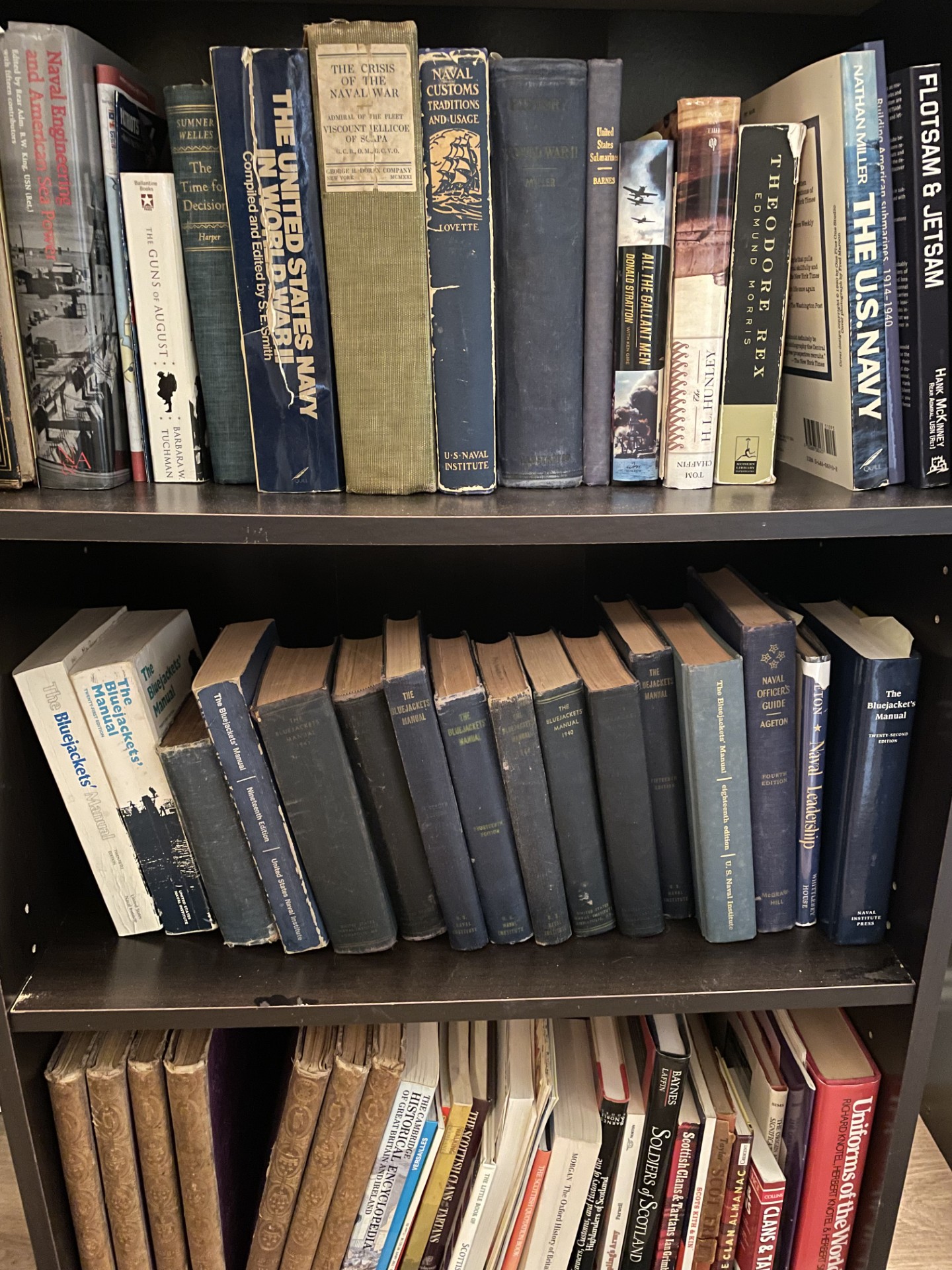
Being a baby boomer, I grew up in a world where books and periodicals were still central to most of our lives.
From the time I was able to read, my world really revolved around printed information. We had one television which was black and white and it was very much subject to rules. Not that it mattered much since we only had four usable stations in Pittsburgh before cable came along. All came in over the air and depending on the day and weather, not very well.
Books did not have that problem.
We had a number of different types of books available including a full encyclopedia and some of the classics. Without having all the mental interference there is today, a book could take you around the world and on any number of adventures. Horatio Hornblower was one of my early favorites and I loved anything by Rudyard Kipling. The encyclopedia was fascinating, and I read it from a-z looking for knowledge and information. I loved history and science and later in life added current events and politics to my fields of interest.
In Junior High School (what they apparently call Middle School now) I discovered another magical place. The library.
Our library was as new as the school that was built to handle the influx of new students. The baby boom created a whole new pool of young people that needed a whole new set of schools to keep up. Our Junior High was as modern as any of the era and had a matching library to match. We learned all about something called the Dewey Decimal system which was an organized way of cataloguing the many books and written materials into searchable patterns. There were absolutely no computers that were available at that time so keeping track of the books was very meticulous.
The other great thing was that we had a lot of access to the library. Study periods would be afforded where you could go to the library and spend hours just looking up the information on any assigned subject. I had already found myself gravitating to books and periodicals related to the military, wars and in particular World War 2. There was an entire section devoted strictly to those fields and there wasn’t enough time in the day as far as I was concerned to read them all.
Unfortunately, my desire to learn all things military probably distracted me from some of my other subject fields. Plus, reading at that time was an entirely singular pursuit. It was not a team sport by any means. In fact, I really spent too much time reading and was not a very athletic young man. Frankly, most of the time, I was finding myself being picked last for nearly every team-based endeavor. And I really didn’t care. More time for books.
So, to say I have an affection for libraries would be kind of an understatement.
In my last two years of work, I helped raise interest in a library system that was related to the county I served, and I helped with a successful grant writing effort that brought a million dollars into my township library for new construction project.
Growing up in Pennsylvania near Pittsburgh, I knew the story of Andrew Carnegie and his charitable giving. After selling his interests in steel, Andrew Carnegie ended up giving away a significant portion of his money. He believed that libraries one of the most significant centers of excellence for any community. In total, there were 1,689 public libraries built. As described in one story, libraries were “temples of learning, ambition, aspiration for towns and cities throughout the United States”.
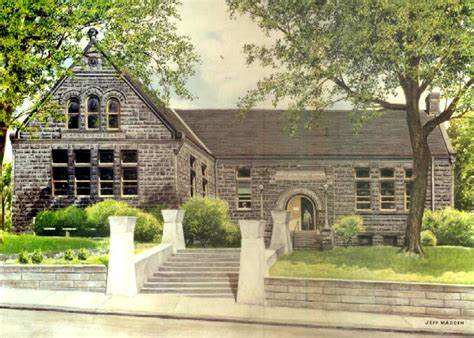
I couldn’t agree with Andrew more.
Even in today’s world of AI, internet and seemingly endless flows of information, a library still serves as the centerpiece of any community. While there are many libraries that have books about the submarine community, there is no particular place that serves as our home library. Attempts have been made but frankly, the ultimate goal has never been achieved.
Throughout history, libraries have played a key role in every type of community. That is probably why USSV CF established a Library Fund.
Up until recently, the goal had been to try and create a sustainable library in Arkansas. Unfortunately, the collection of books was not readily accessible and the desire to take a different path was agreed upon by the USSV board and others. The latest plan now includes a move of all the materials to the St. Mary’s Submarine Museum.
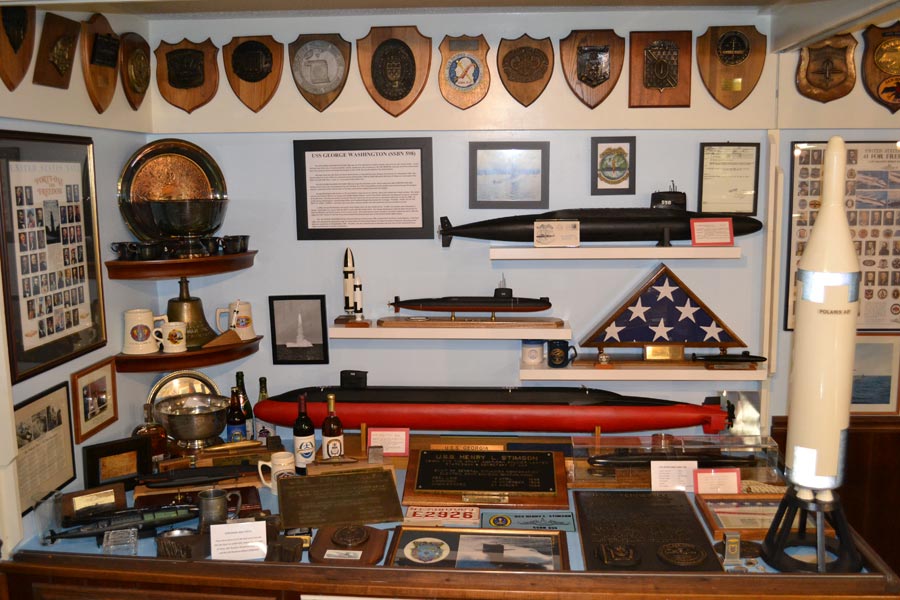
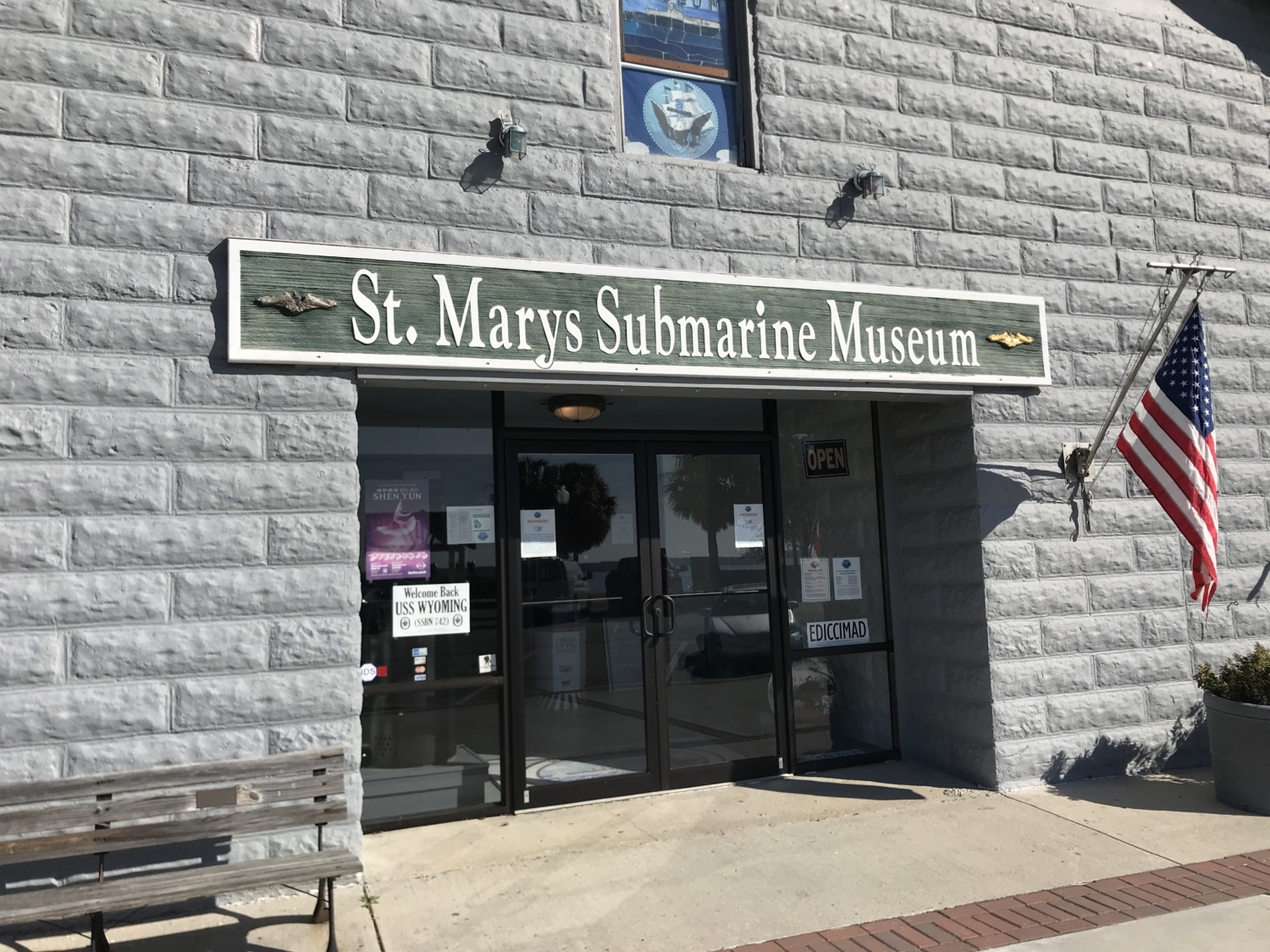
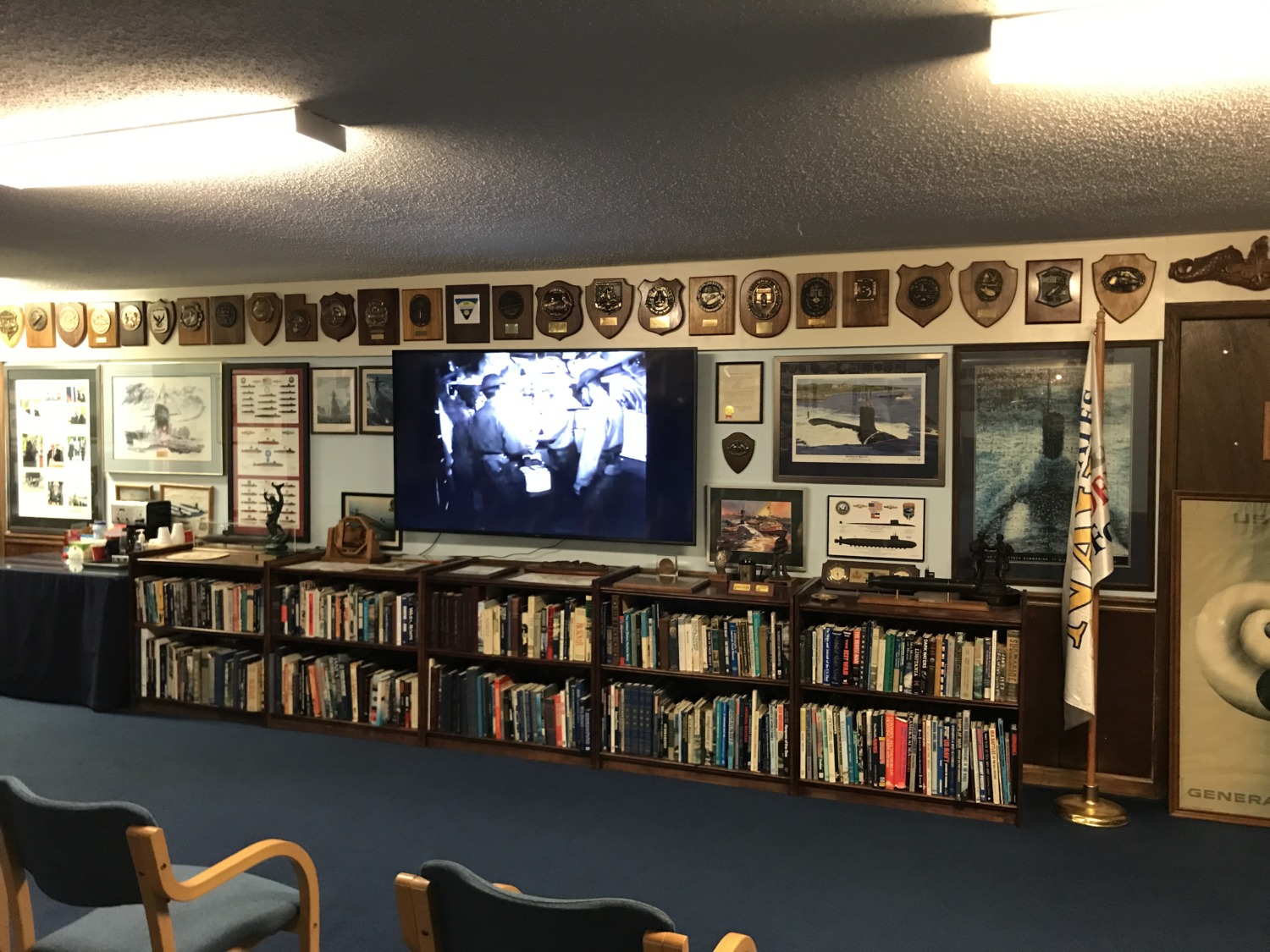
http://www.stmaryssubmuseum.com/index.html
The Museum is spearheading the establishment of an enhanced library asset as part of their future growth. From their website:
The St. Marys Submarine Museum is located in historic St. Marys, Georgia.
It is the largest museum of its kind in the south, and the fifth largest in the country with nearly 5,000 square feet of space “jam-packed” with exhibits and displays on two floors. The museum is a great place to learn about the “silent service”. We are dedicated to educating, preserving and sharing the rich history and legacy of the submarine force and all the men and women who have served and are currently serving our nation.
More than 99% of all WW II submarine combat war patrol reports are housed here, and files on nearly every submarine the United States has or has had in service as part of the collection. This is where history comes alive with a wide variety of pictures, paintings, models, artifacts and rare historical documents, some of which have not been made available to the general public.
A memorandum of understanding has been signed and accepted between USSV CF and the leadership at the museum to begin the process of transferring the materials from Arkansas to St. Marys. From that point, USSV CF will be working on the final vision of what their partnership will look like with the Museum in regard to the Library. Updates will be coming in the near future.
My personal vision is that there would continue to be a permanent place for people to travel to and conduct research about our submarine community and its 125-year history.
Coupling this with a thriving and growing museum seems to be a great answer to that need. Please consider including the USSV CF Library fund in your charitable giving plans.
Ambassador Mac
Charleston USSVI Base


The Golden Corner USSVI Base maintains a large library that ha members donating books and from departed members donating their collection.
We check books out to base members.
Thanks for the note and the information. I am relatively new to South Carolina and still finding my way around. I wish you and your base all the best.
Mac