
The Ultimate Qual Card – Creating a Legacy (The USSV CF Legacy Fund)
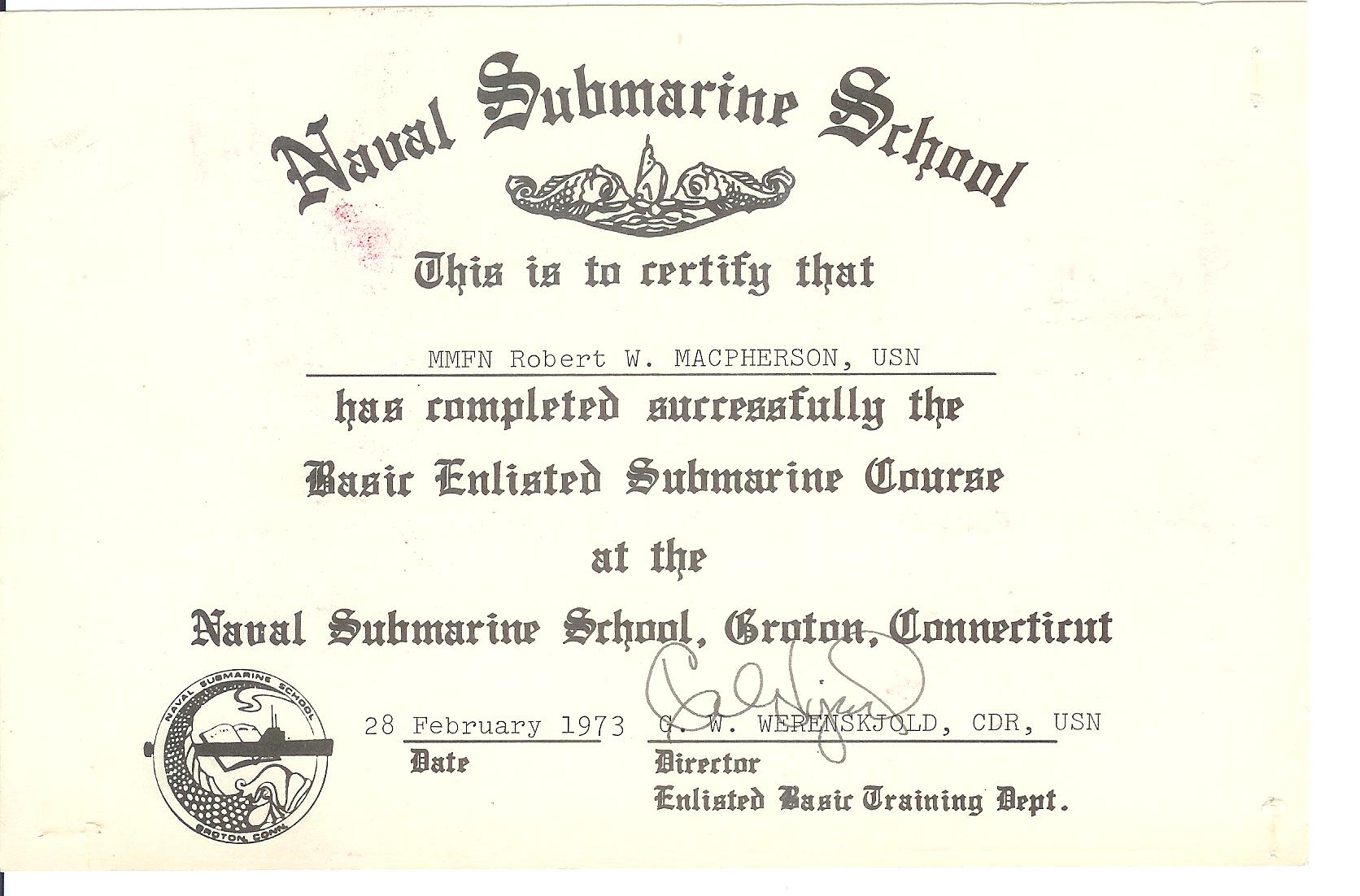
In submarine school, the seasoned petty officers that taught us informed us that once we got on board our first boat, we would be issued bedding, a bunk bag for our dirty clothes and something called a qual card. They emphasized over and over that the qual card was equivalent of a get out of hell card. As a non-qual, you were considered lower than whale dung and an air stealing useless nub. The only thing those instructors did not give you was a strategy on how to complete the card.
The card was a list of all the systems and components that you would have to learn in order to receive the coveted dolphins that all qualified submariners wear. There are few distinctions in the military that match being submarine qualified. The wings that pilots wear are special, but if you think about it, they are only in the air for short bursts. Submariners on the other hand are down for days, weeks and months and it is a whole-body commitment. Even when you aren’t on watch, you are still fully committed to the environment that surrounds you.

When I finally made it to my first boat, we were in refit, and I immediately discovered what organized chaos looked like.
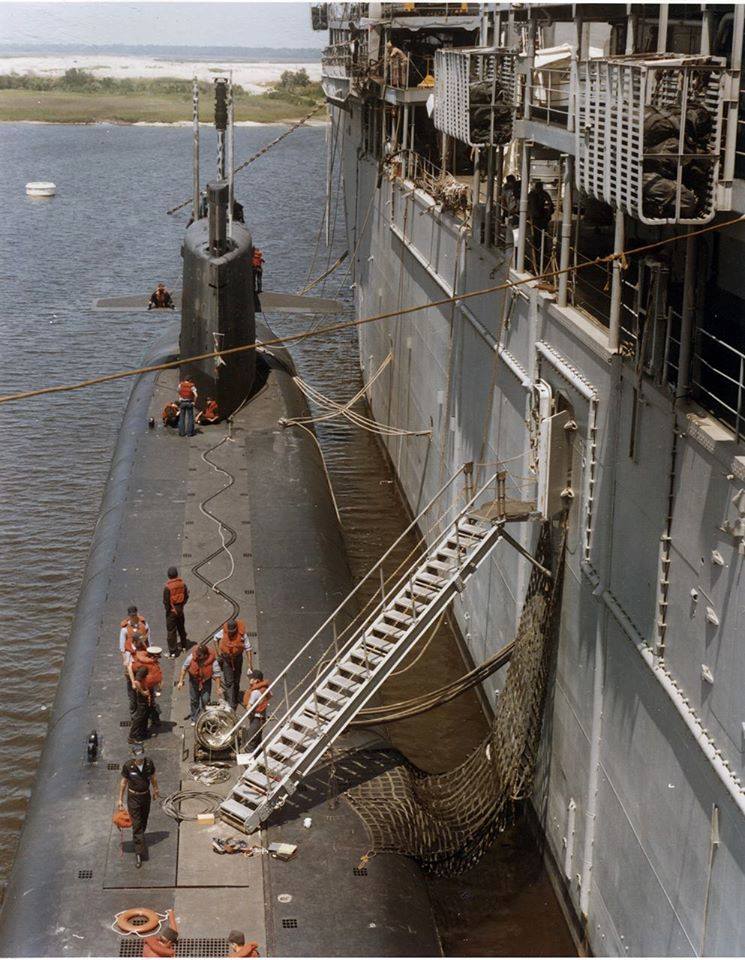
The Gold crew was anxious to board the plane back to their families so turnover of books, tools and materials was occurring at lightning-fast speed. The broken stuff was identified and plans to fix it were put together. Having two crews on board at the same time made the boat incredibly crowded and even more chaotic. Being a non-qual nub, my role was limited to carrying boxes, running hoses for temporary systems and just generally trying to figure out where everything was. There were no moments of rest for anyone and the experienced guys kind of looked at you as a burden.
Once we took over the boat and the Goldies left, the real work began. I did get my qual card but darned if I could find on that card where the signature for stores load was. I learned a host of new curse words during that time as the senior guys found all the broken stuff that the Goldies forgot to tell us about. Mainly smaller stuff, but it did consume a lot of time to get fixed. Later in life I would learn that boomers had three crew. The Gold Crew, the Blue Crew and the Other crew. Everyone seemed to hate the other crew and I vowed to try and never get on that one.
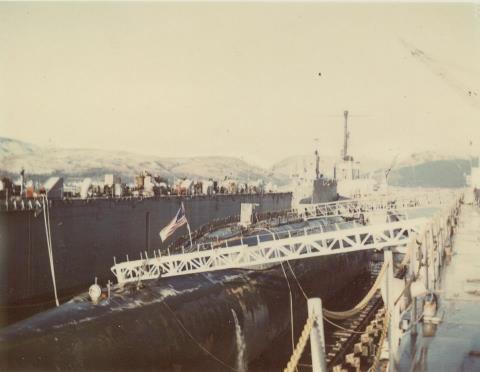
As soon as the hard part of refit was managed, they started counting heads and assigning people to their underway duties. Being junior and not-qualified, I quickly found out that I was going to the mess decks. I would remain there for the next few months. I knew this might be my fate but as I started my first 14-hour day, I realized that my qual card might have to take a back seat. This doom hung over my head since I knew that without being qualified, I was going to be at the bottom of every list for as far ahead in time as I could imagine.
If I was ever going to have a legacy, I needed a plan.
For a few weeks, my plan just included keeping on the good side of my cook and his Chief. That part was not so hard. Don’t bitch about your luck, move as fast and carefully as you are able end master what is in front of you. There are a lot of learning lessons even just mess cooking. We made TDU cans for the dry garbage in our slow times, and I leaned pretty quickly to not take shortcuts. On my right forearm, there is still a small scar from fifty years ago. But only one. And I still have all of my fingers.
My plan was to tackle the systems I could based on the resources available in my short amount of down time. I would systematically work on one section at a time and only divert when I absolutely had no other choice or when an alternative presented itself. I kept imagining what the end game looked like and adjusted as needed.
The mess decks had a copy of the ship’s SSORMs and piping tabs. I learned quickly how to read all of them in my spare time and memorize as much as I could. Then, when my time was over for the day, I would go out hunting down the various valves and components. I practiced drawing all of the systems and finding the electrical panels associated with the major and minor circuits. The weapons weren’t that difficult to master, and I was born in a family of fire fighters, so damage control came second nature to me. Mid way through patrol I had filled nearly half of my qual card, and I was feeling pretty cocky.
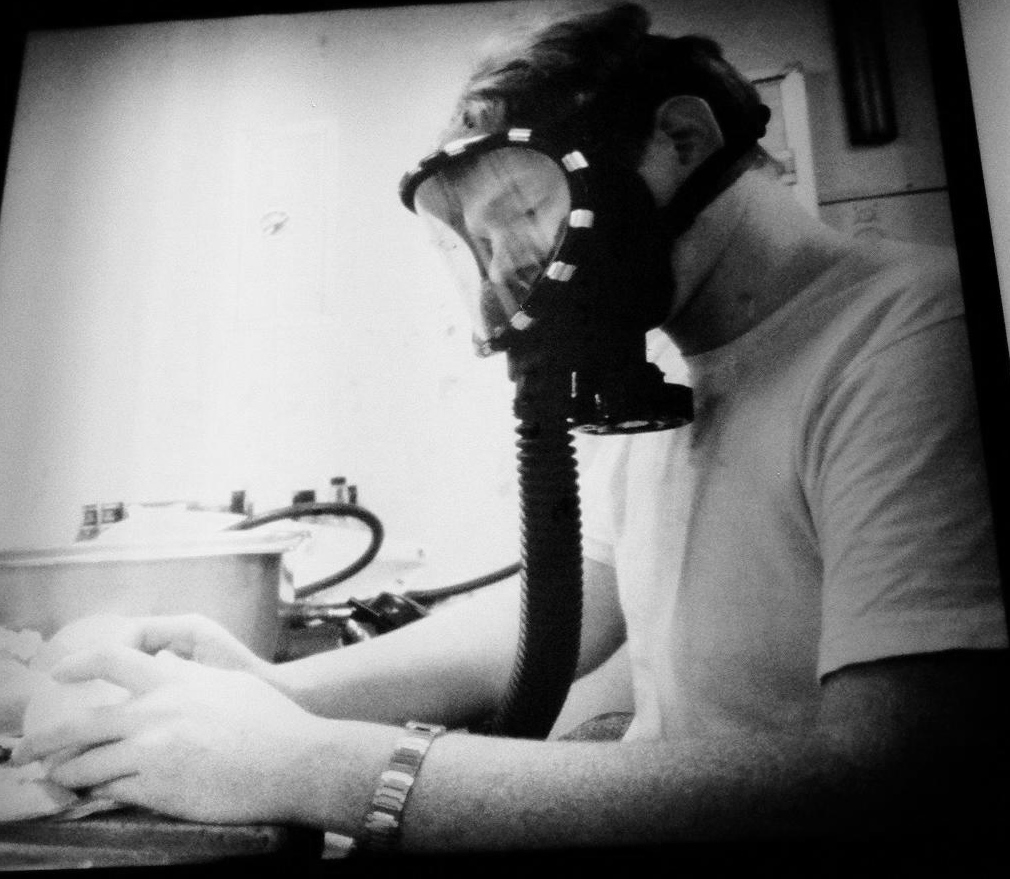
But I still was missing some major blocks. Getting signatures from back aft was nearly impossible since those guys were constantly working on systems that needed a lot of attention. The answer came when I was shifted to nights. I adjusted my plans.
Even though the boat ran on 18-hour rotations, some of the watch standers were in port and starboard. I noticed that the off going guys spent more time on the mess decks. And they loved baked goods which were in abundance since that was when we baked them. I found that bringing a nice warm cinnamon roll to even the crankiest old soul was a sure-fire way to get a lesson on systems as well as a check out. I would later find out that this is called PDCA: Plan DO Check Adjust.
The result of my plan was that after one run, I completed my qual card. Years later, my nephew would replicate my plan and complete his in 89 days. He had told me before he left for the Navy that it was his plan to do me better by one day. The proudest moment of my life was pinning on his dolphins after he achieved that.
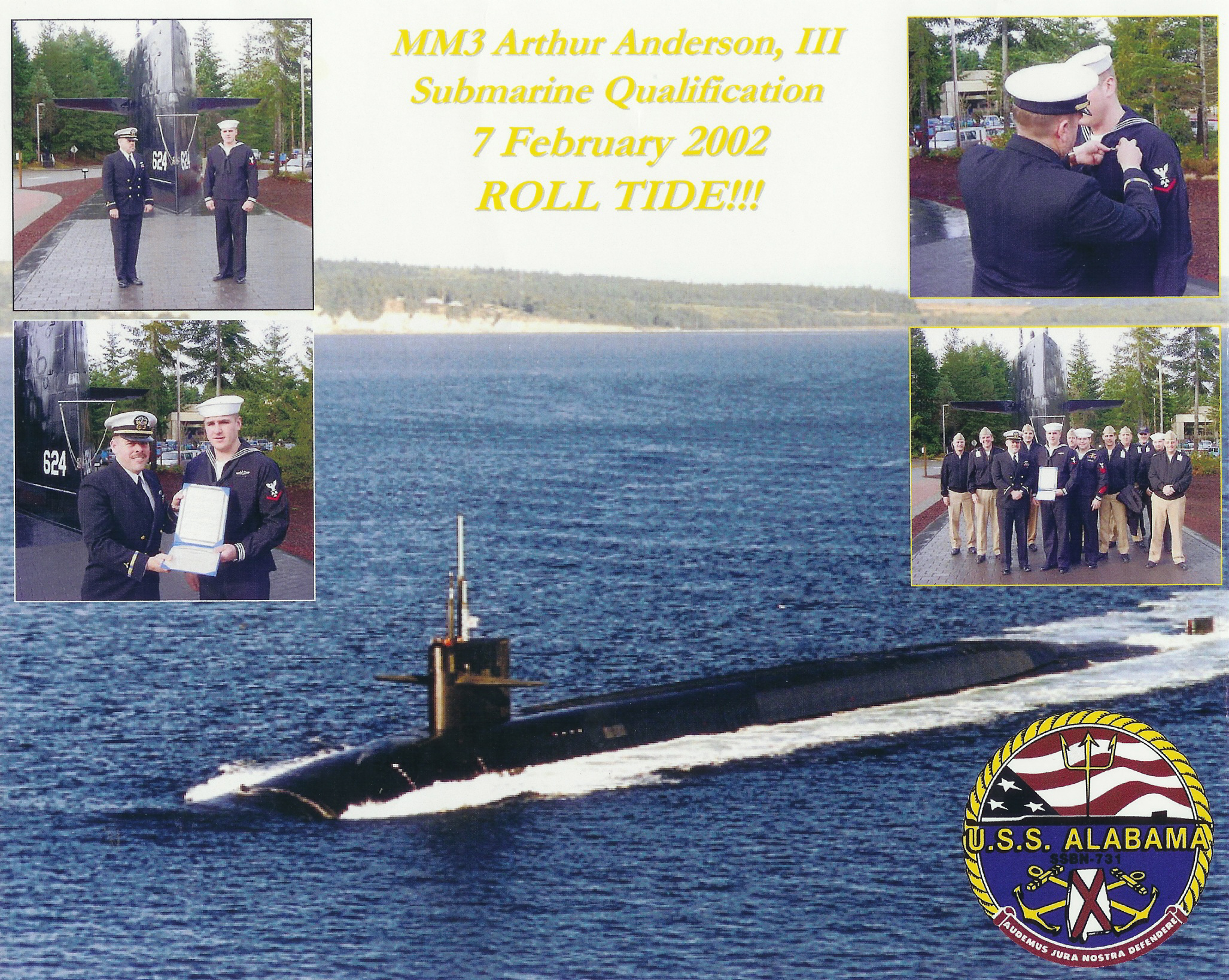
The USSV CF Legacy Fund is managed by Michael Talpai
Why a Legacy Fund?
I had two nephews that joined the navy and qualified on submarines. In a way, they are my proudest legacy. But as I get closer to the end of my run, I am really beginning to want a lasting legacy. The purpose of the USSV CF Legacy Fund is to provide a vehicle for Submarine Veterans to provide a place for Gifting to one of the more important parts of their lives. Serving on submarines and with submariners, for many of us, has proven to be a lifetime highlight and for many of us has been life changing. This significant impact is worthy of remembering by many of us. By making the United States Submarine Veterans Charitable Foundation, Inc a beneficiary of one’s estate, that member can be assured that he will properly reward that one life-changing activity. This gift can be made as a donation to any of the established funds, or if large enough, it can be left to the Legacy Fund as an unencumbered fund or as an endowment fund, wherein the fund earns income via the established investment portfolio. The earnings can be designated to whatever activity that members wished to benefit from their endowment fund. Additionally, again, if large enough, that legacy endowment fund can carry the name designated by the donor.
It is important to point out that an actual endowment fund has specific requirement, including segregation of funds and separate investments. The USSV CF currently and will in the future treat any donated endowment fund as a quasi-endowment fund. This meets all the endowment fund basic elements, apart from the administrative roadblocks an actual endowment fund face.
Legacy donations can be complex and typically a donor will work with an estate planner or other financial advisor on the best way for that member to make their Legacy Gift to the Charitable Foundation.
We advise that donor has prepared instruction in their will or estate documents
So, what is Legacy giving?
Legacy giving, also known as planned giving, is a type of philanthropy where individuals choose to contribute a major gift to a nonprofit organization during their lifetime or as part of their final will or estate plan.
Legacy giving is a powerful and personal way to make a significant financial contribution that extends a donor’s support beyond their lifetime, helping to ensure the continuation of the organization’s mission.
The emotional significance to the donor lies in the knowledge that they are leaving an enduring legacy to a cause they deeply care about. For nonprofits, these gifts often form a substantial part of their funding, providing financial stability and supporting long-term planning.
Legacy gifts are often larger than regular donations, primarily because they are typically given after the donor’s passing. They are a key part of a person’s final will or estate plan, which means that they come from the donor’s accumulated assets over their lifetime and not just from their annual disposable income. These gifts can include valuable assets such as property, stocks, life insurance policies, or retirement funds.
Charitable Bequests
Charitable bequests are a common form of legacy giving where a donor makes a provision in their will to leave a specific amount of money or a particular asset to a nonprofit organization.
Possible assets include stocks and bonds, where the donor leaves the nonprofit organization shares in a company or government bonds that can be sold or held for income. The donor might also choose to leave a portion of their retirement accounts, such as a 401k or IRA, or even valuable items like artwork or jewelry.
These diverse options provide flexibility for donors, allowing them to tailor their legacy gifts in a way that aligns with their financial situations, estate plans, and philanthropic goals.
This type of legacy gift allows donors to support causes they deeply care about beyond their lifetime. Charitable bequests can significantly impact nonprofits, providing them with substantial financial support to carry out their mission. Furthermore, this legacy giving can offer tax benefits to the donor’s estate, reducing the tax liability.
Estate Donations
Estate donations are another form of legacy giving in which donors give part or all of their estate to a nonprofit organization as part of their final will or estate plan. These donations can include assets such as real estate properties, stocks, bonds, and other financial assets.
Similar to charitable bequests, estate donations can offer potential tax benefits, reducing or even eliminating estate taxes, depending on the size and nature of the gift.
Other Forms Related to Planned Giving
Besides charitable bequests and estate donations, there are numerous other forms related to planned giving. These include:
- Gifts of Life Insurance: A donor can name a nonprofit organization as the beneficiary of their life insurance policy or transfer the ownership of the policy to the organization. This allows the donor to make a sizable future gift at a relatively low cost during their lifetime.
- Retirement Assets: Donors can designate a nonprofit organization as a beneficiary of their retirement assets, such as IRAs or 401(k) plans. This can be a tax-efficient way to give, as the organization can receive the full amount of the retirement assets without any tax deductions.
- Charitable Gift Annuities: A charitable gift annuity is a legal contract between a donor and a nonprofit organization. The donor makes a sizable gift to the organization, and in return, they receive a fixed income stream for life.
- Each of these forms offers unique benefits to both the donor and the nonprofit organization, making legacy giving a flexible and impactful way of supporting charitable causes.
Benefits of Legacy Giving
Legacy giving is not a one-way street. It’s a reciprocal arrangement where both the donor and the nonprofit organization derive substantial benefits.
As we delve deeper into this topic, let’s explore this relationship and understand how legacy giving can benefit everyone involved.
For the Donors
- Legacy giving allows donors to extend their philanthropic impact beyond their lifetime, offering unique benefits.
- Tax advantages: Depending on the type of gift and the donor’s circumstances, these can include income tax deductions, reduction of estate taxes, and avoidance of capital gains taxes. This makes legacy giving a financially astute strategy for estate planning.
- Create a lasting impact: Legacy giving empowers donors with the opportunity to create a lasting impact. This creates an enduring legacy, etching their values and commitment into the future.
- Sense of fulfillment: Legacy giving can also offer donors a sense of fulfillment and satisfaction. By planning a significant future gift, donors know they will make a substantial difference in an area they care deeply about, which can provide immense personal satisfaction and peace of mind.
For the Nonprofits
Nonprofits, too, reap significant benefits from legacy gifts.
- Predictable income: One of the primary advantages is a predictable source of future income. Legacy gifts, particularly bequests, are often sizable and can substantially boost a nonprofit’s finances. This financial security can allow organizations to confidently plan long-term projects, knowing they have funding in the pipeline.
- Long-term planning: Legacy gifts also play a critical role in building and sustaining long-term projects or initiatives. Unlike regular donations, which often go toward immediate needs, legacy gifts can be used for strategic, long-term planning, allowing nonprofits to undertake ambitious projects that require substantial funding over time.
https://www.instrumentl.com/blog/legacy-giving
As I have already cautioned in other posts about Charitable Giving, each individual’s circumstances are different. You absolutely need to consult with your personal financial planner before you make any decisions. But including USSV CF in your planning is a sure way to make sure that we do leave a lasting legacy that will impact the submarine community for generations to come.
Thanks for your consideration
Ambassador Mac

 theleansubmariner
I did not have the opportunity to attend Sub school. I went from Nuc School and prototype directly to the boat. There I qualified on both nuclear engineering watch stations and submarine qualification.
Get Outlook for iOShttps://aka.ms/o0ukef