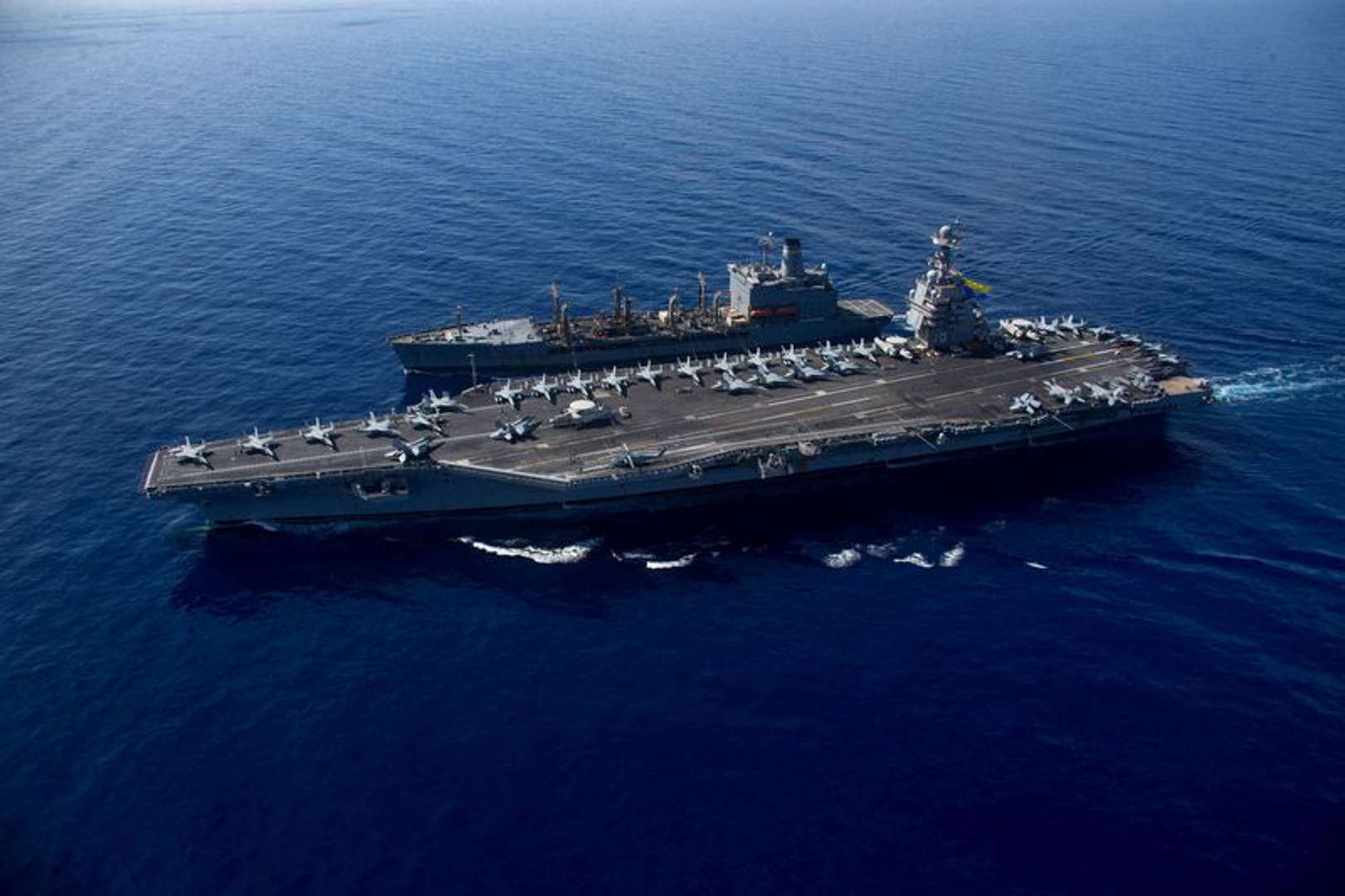
I’ve been watching the news recently and the escalation of naval conflicts. Because I spend more time than I should looking at the nature of naval construction and strength, I have been concerned about the lack of resources to support the people who are sailing in harm’s way.
I’m sure the navy planners have looked at the same situation and have a plan. Or at least I hope they do. Navy planners before WW2 also had a plan. Lots of them. They spent decades from the end of the First World War planning and trying to anticipate what the potential adversaries would do.
Then came Pearl Harbor
The Japanese had planned too. Their rapid advance after Pearl Harbor all across the Pacific resulted in the destruction of many of the American plans and responses. But by 1944, we had adapted and adjusted. Many new strategies resulted and gave the fleet an opportunity to advance relatively quickly across the wide Pacific Ocean.
By 1944, the tide of war had shifted over to the Allied forces in the Pacific Theater.
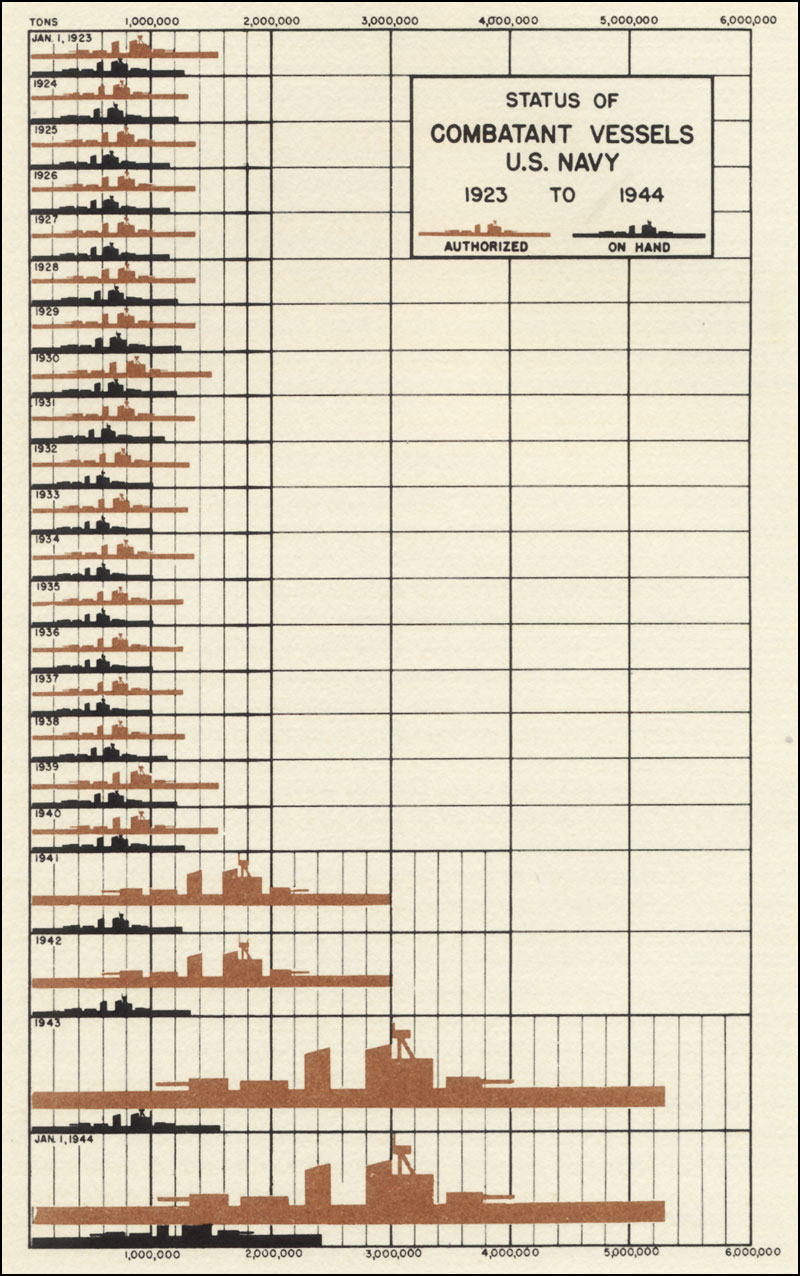
The US Navy had emerged from the stinging events of Pearl Harbor to finally have the resources needed to push the Japanese back in every area they operated in. Ships and men were arriving on a regular timetable and the critical offenses of 1944 were lining up on the horizon. Admiral King created a comprehensive report for the Secretary of the Navy to show the progress the navy had made up to that point.
https://www.ibiblio.org/hyperwar/USN/USNatWar/USN-King-1.html#II
Part of that report showed the importance of logistics and Advanced Base Units. While these units were not the bold combat units that were taking the battle directly to the enemy, each of them played a critical support role that made sure the combat units were well supplied and had a close level of structural support. After all, a damaged ship that had to return to Pearl Harbor or the west coast would be out of action for some time and their loss would be felt by area and fleet commanders.
Headquarters of the Commander in Chief
Navy Department
Washington 25, D.C.
27 March 1944
Dear Mr. Secretary:
In view of the importance and complexity of our naval operations and the tremendous expansion of our naval establishment since we entered the war, I present to you at this time a report of progress.
It is of interest to note that the date of this report happens to be on the 150th anniversary of the passage by Congress of a bill providing for the first major ships of the United States Navy–the 44-gun frigates Constitution, United States, President and Chesapeake, and the 36-gun frigates Constellation and Congress.
This report includes combat operations up to 1 March 1944. I know of no reason why it should not be made public.
Ernest J. King
Admiral, U.S. Navy,
Commander in Chief, United States Fleet
and Chief of Naval Operations
The Honorable Frank Knox
Secretary of the Navy
Washington, D.C.
From the Report:
Advance Base Units
Early in the war the Navy undertook a large expansion of its system of advance bases, many of which represented the consolidation of gains made by combat units. Depending on the circumstances, that is to say, whether they were gained as a result of a raid or as a result of an advance, the permanency of their construction was varied to meet the situation. In the south and central Pacific, the entire campaign thus far has been a battle for advance bases where we can establish supply ports, ship repair facilities and landing fields to act as a backstop for a continuing offensive.
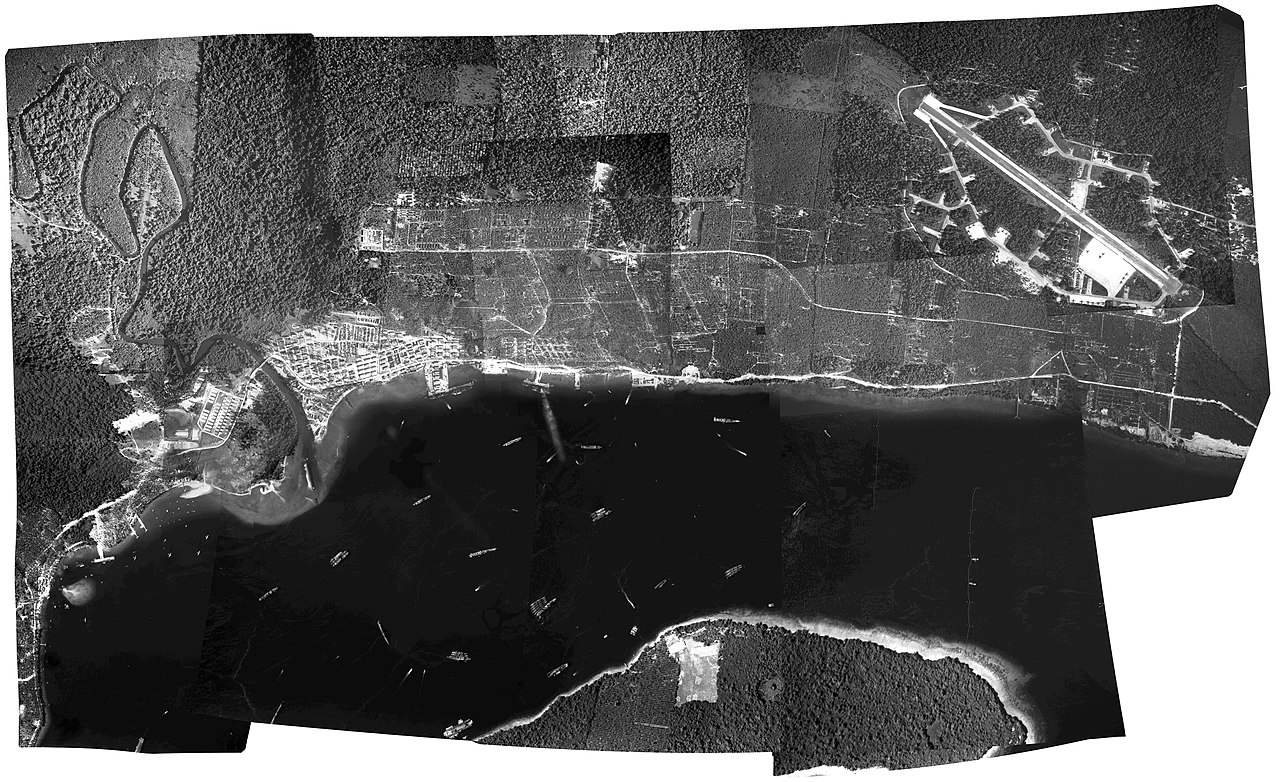
Advance bases range in size from small units for the maintenance and repair of PT boats, manned by a handful of officers and men to major bases comprising floating drydocks, pattern ships, foundries, fully equipped machine shops, and electrical shops, staffed by thousands of specialists. Some of these bases are general purpose bases; others are established for special purposes. Convoy escort bases, located at terminals of the convoy routes, provide fuel, stores, ammunition, and repair facilities for merchant ships and their escort vessels. Rest and recuperation centers afford naval personnel facilities for relaxation and recreation after they return from combat zones. Air stations provide the facilities of an aircraft carrier on an expanded scale.

Once bases are built, they must be maintained. The problem of supplying the Navy’s worldwide system of advance bases is one of great complexity, requiring a high degree of administrative coordination and attention to the most minute detail. Food, clothing, fuel, ammunition, spare parts, tools, and many types of special equipment must be made available in sufficient quantities and at the proper times to maintain the fighting efficiency of the fleet.
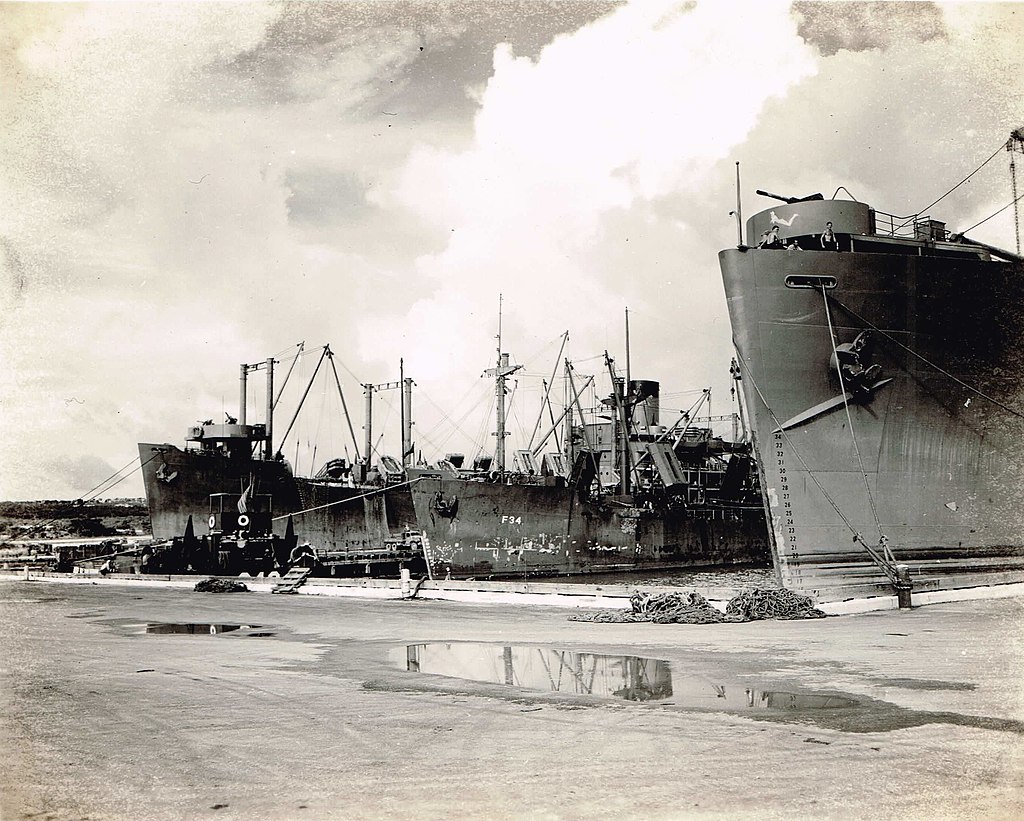
In view of the difficulties involved, the arrangements made for the procurement and distribution of supplies to advance bases have been extremely effective. New methods have been improvised and shortcuts devised to simplify procedures and expedite deliveries. Among other devices adopted is the mail order catalogue system. Through use of the Navy’s “functional component catalogue,” it is possible to order all the parts and equipment needed to set up any type of base from a small weather observation post to a fully equipped airfield or Navy yard.
As our forces advance, new bases must be established, and economy of personnel and material demands that this be accomplished largely by stripping the old bases that have been left behind as the front is extended. This process is known as “rolling up the back areas.”
Fulfilling a need
The need for advance bases during World War II was so great, that in some cases some Pacific Ocean islands were too small for the demand. So in 1943, the US Navy created Service Squadrons. A Service Squadron was a small fleet of ships that acted as an advance base. A service squadron would have: tankers, Fleet oilers, Troopship-barracks ships, refrigerator ships, ammunition ships, supply ships, floating docks, different kinds of barges and repair ships. They provided diesel, ordnance, aviation fuel, food stuffs, and all other supplies.
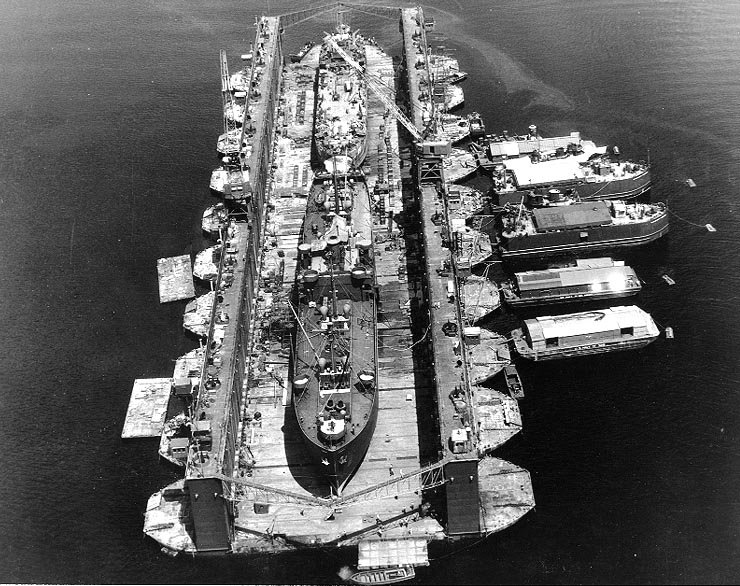
At the end of World War 2, almost all of the bases were closed, many were abandoned.
A vast amount of vehicles, supplies and equipment at the bases was deemed not needed and too costly to ship to the U.S. Bring the gear home also would have hurt home front industries, as there was already a vast amount of military surplus. Much the equipment was destroyed. Some was given to the local governments as a thank you for the land use. Some of the abandoned bases were used for local military, some turned into towns and ports, like Naval Advance Base Espiritu Santo. Some of the abandoned airfields turned into local and international airports, a post-war Seabees legacy.
This idea would be replicated when the Polaris submarine program was instituted.
The range of the weapons of the early Polaris submarines was limited. While the submarines could operate for extended periods based on their new nuclear power plants and atmosphere control equipment, that submerged time on patrol would be limited if the boats had to transit from the east coast of the United States or Hawaii.
The solution would be to establish advanced bases once more in areas closer to the operating ranges. Holy Loch Scotland, Guam and various places in the Mediterranean (Spain and Italy) would prove to be excellent advanced bases. The lessons learned in World War 2 would certainly form the blueprints on how best to support these new warships in every way. Tenders, floating drydocks and necessary support system would form the backbone of this new support effort.
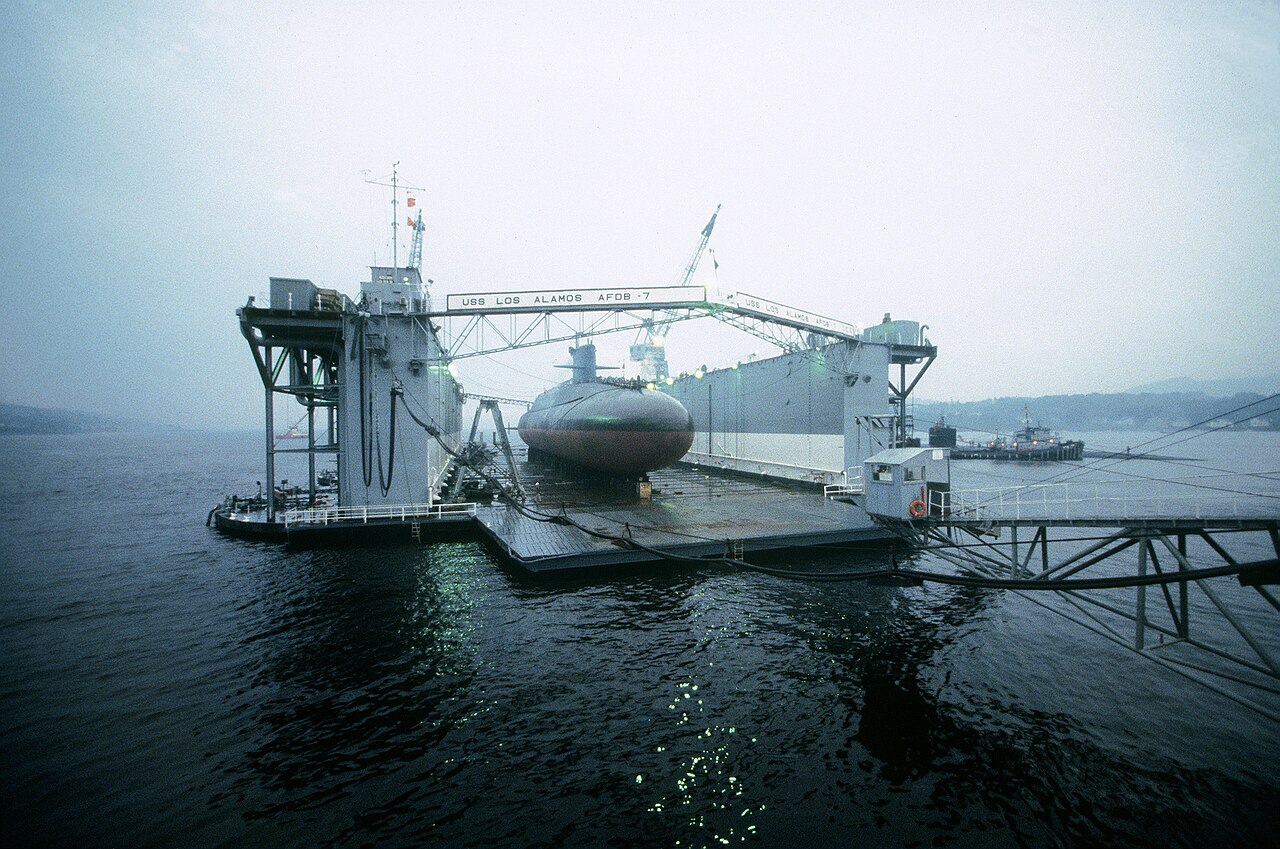
Interestingly enough, some of the resources from WW2 were easily converted to support those needs. I served on board the USS Los Alamos (AFDB7) which originally was built for large ships operating in the Pacific theater. She was built in the forties, mothballed, and resurrected in the sixties. She would serve in Scotland until the early nineties when they finally closed the advanced base in Scotland.
The world situation today
Looking at the Global conflicts we are involved in now, I hope the planners have re-examined the need for a more structural approach to advance bases. While the trend has been to use commercial and naval auxiliary civilian resources for some support, these approaches are filled with threats to continuity and reliability.
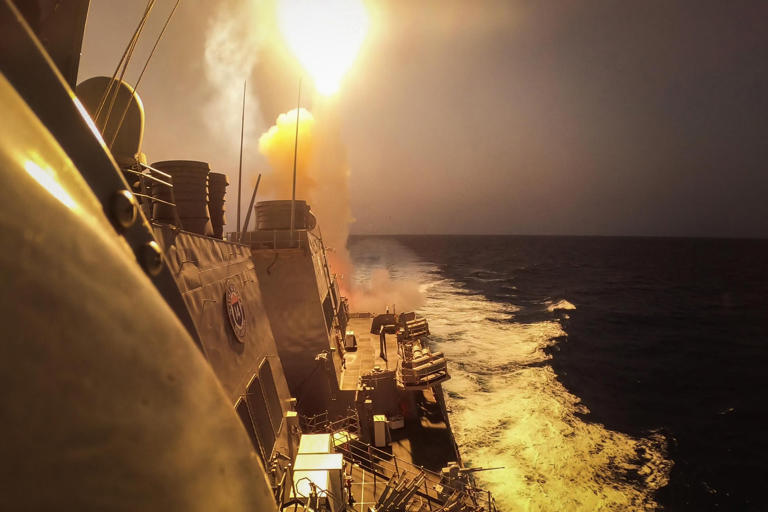
The need for extensively trained sailors and Marines in this unique type of support is critical once the conflict grows.
The best solution that exists was developed during the second world war and proven during the Cold War. I can only imagine how we have come to a state where non-navy is considered to be an acceptable substitute. I’m sure it has nothing at all to do with politics. But in case we do go to war again, which is an inevitability, I hope that naval planners can once more learn from the past and adjust in time. The lack of shipbuilding capability and the challenges of a global field of operations are as great now as they were in January of 1941.

 theleansubmariner
Amen!