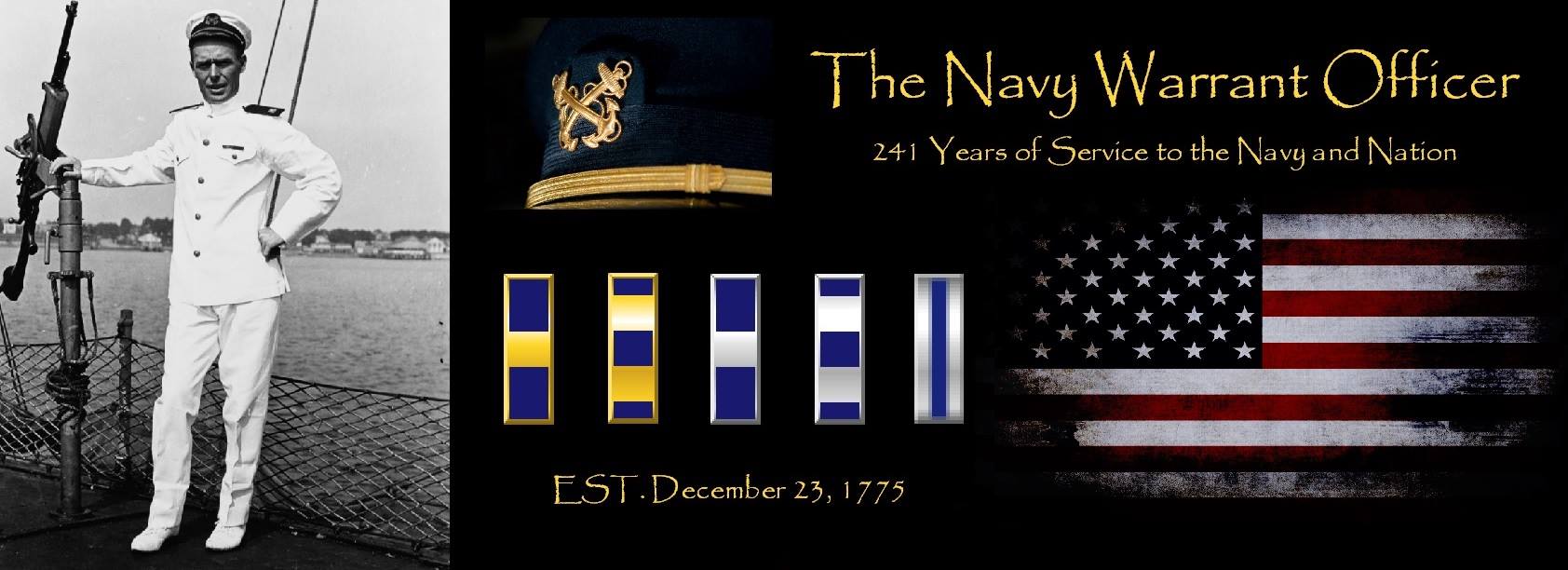
What exactly is a Navy Warrant Officer and what do they do?
To be honest, the definitions are all over the map. Quite often, even long serving officers struggle with what a warrant is, no less a Chief Warrant Officer. The basic thing to understand is a Warrant and a Chief Warrant are not the same. Chief Warrant Officers are commissioned naval officers and belong to one of a number of technical categories. I served as a Submarine Engineering Technician (non-nuclear). The year I was commissioned, only 13 of us were selected (out of over 1300 applicants).
The use of warrants and chief warrant officers has ebbed and flowed over the centuries. To understand what they are, you have to look at the history of how they came to be.
The Evolution of a Warrant
In my collection of Blue Jackets Manuals, I have a 1917 edition. It is smaller than the current version and reflected the navy that was still establishing itself as a global influence. Prior to 1917, the government had finally established the need for a strong and modern navy that would be able to defend America’s interests beyond its shores. The war in Europe had already been raging since its start in 1914 and despite Woodrow Wilson’s pledge to keep us out of that war, the need for a strong navy was becoming evident with each passing year. In the beginning of the book, a series of questions and answers about what the service offered to the men of that time include this question:
Q. Who are eligible for appointment to Warrant Officer?
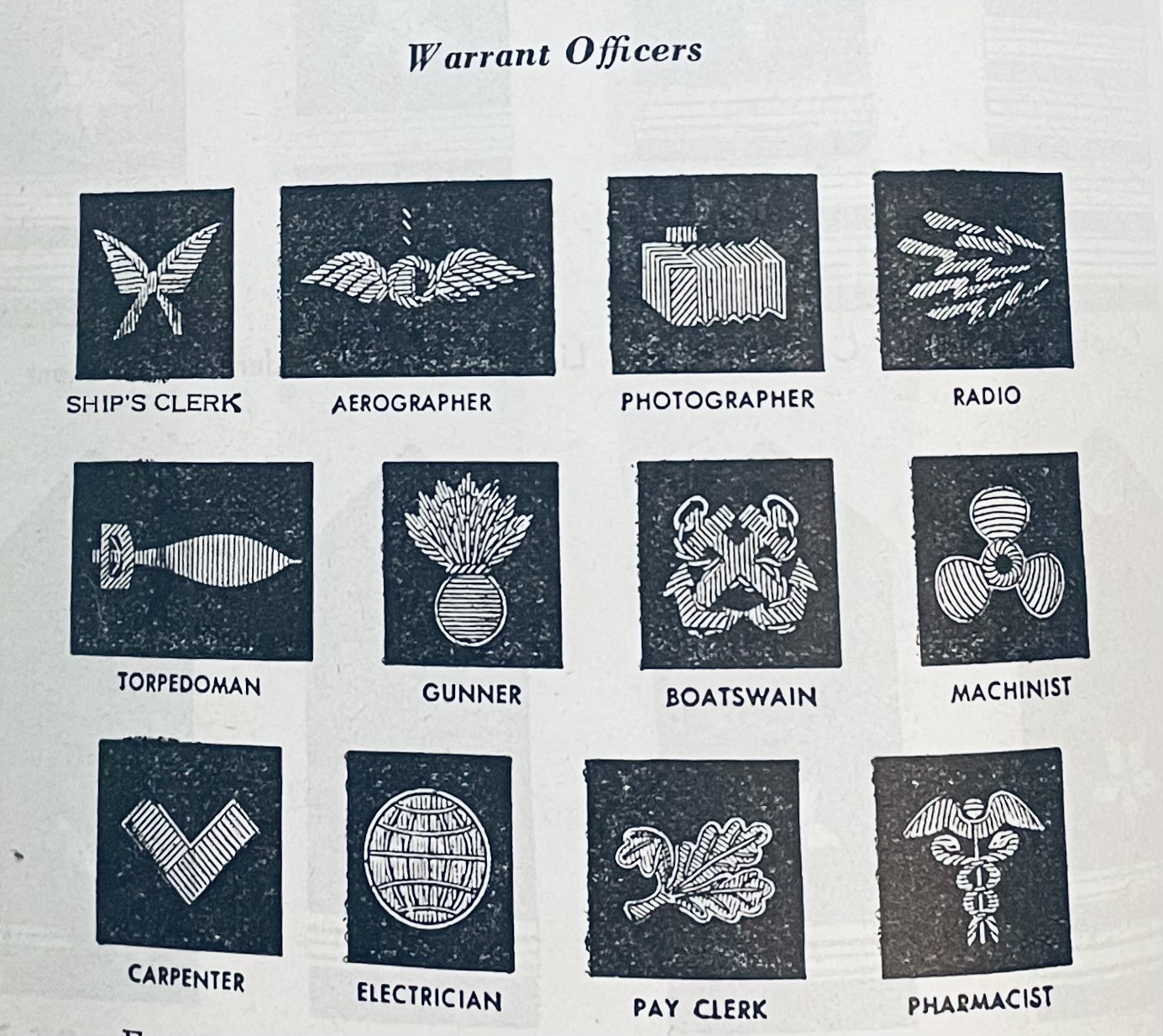
A, Enlisted men who serve continuously the prescribed number of years on board cruising vessels, with good records, and reach the grade of chief petty officer, or first-class petty officer, are eligible for examination for appointment as warrant officers. The warrant officers are boatswains, gunners, carpenters, machinists, pharmacists, and pay clerks. The pay and allowances of warrant officers vary from $1,538 to $2359 a year. Warrant officers, after six years’ service as such, having passed an examination, are commissioned as chief boatswain, chief gunners, chief carpenters, chief machinists, chief pharmacists and chief pay clerks. They rank with but after ensigns.
As old as the navy itself
Warrants have had a role in the US Navy since its inception. The first warrant issued had been in 1775 shortly after the navy was established. The idea seemed to be a way to capitalize on the skills of seasoned sailors of long standing. These experts would have risen above their peers on board the sailing ships that were the backbone of any navy.
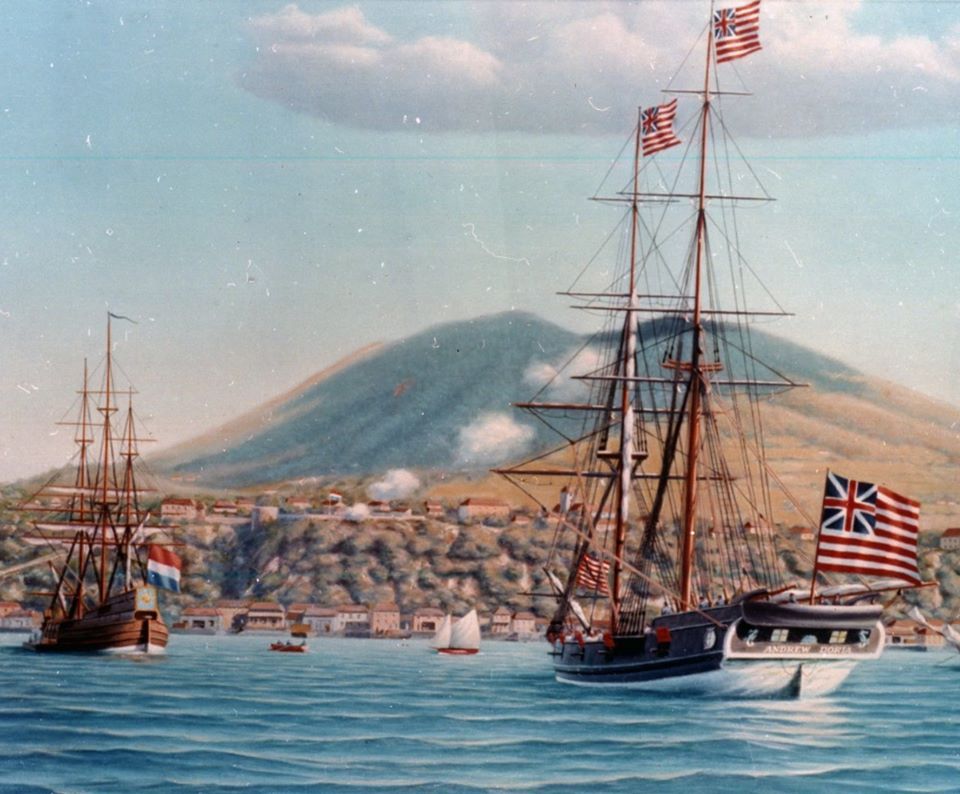
The very first Warrant was issued to a Boatswain named John Beriman on board the brigandine Andrew Dorea. Andrew Doria was a brig purchased by the Continental Congress in November 1775. She is most famous for her participation in the Battle of Nassau. This important first battle was the first amphibious engagement by the Continental Navy and the Continental Marines. The ship was also famous for being the first United States vessel to receive a salute from a foreign power.
The Warrant
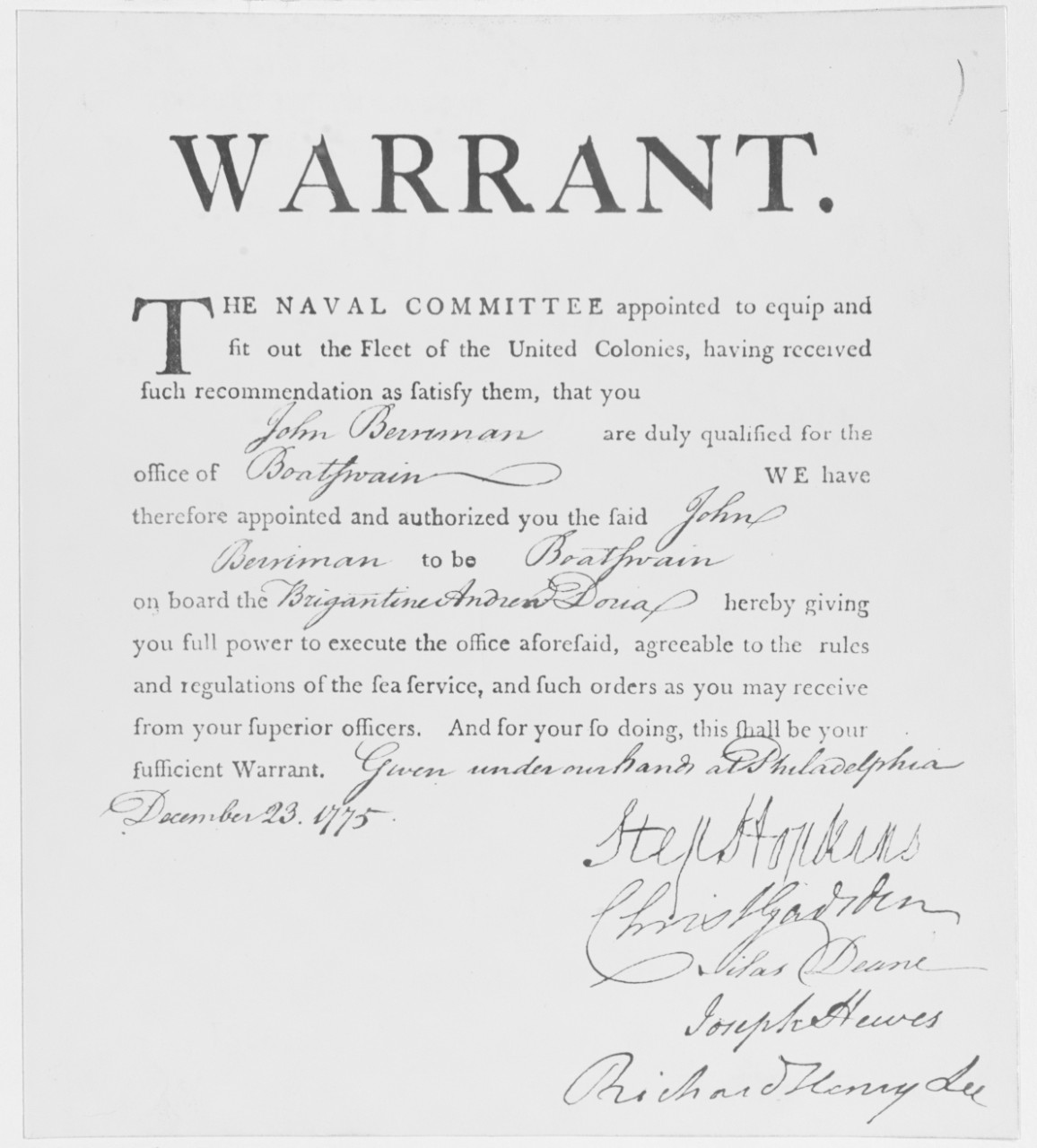
The Naval Committee appointed to equip and fit out the Fleet of the United Colonies, having received such recommendation as satisfy them, that you John Beriman are duly qualified for the office of Boatswain. We have therefore appointed and authorized you the faid John Beriman to be Boatswain on board the Brigantine Andrew Doria hereby giving you full power to execute the office aforefaid, agreeable to the rules and regulations of the sea service, and such orders as you may receive from your superior officers. And for your so doing, this shall be your sufficient Warrant.
Given under our hand at Philadelphia, December 23, 1775.
When the mystery began
From the Warrant Officer Web Page: https://thenavycwo.com/history/birth-of-the-us-navy-warrant-officer
The birthdate of US Navy Warrant Officer is December 23, 1775. It was one of the first four established ranks of the US Navy. Its birthdate, the day of the first Warrant Officer appointment, was just 71 days after the birth of the US Navy. This article explores the first couple months of the US Navy and the events that led to the birth of the US Navy Warrant Officer.
The official birthday of the US Navy is October 13, 1775. Prior to this date, on October 5, 1775, General George Washington wrote a letter to Congress recommending a plan that would allow for intercepting vessels coming out with stores and ammunition. On October 13, 1775, Congress read this letter and, after some debate, resolved the recommendation. The Journal of the Continental Congress states:
Resolved, That a swift sailing vessel, to carry ten carriage guns, and a proportional number of swivels, with eighty men, be fitted, with all possible dispatch, for a cruise of three months, and that the commander be instructed to cruise eastward, for intercepting such transports as may be laden with warlike stores and other supplies for our enemies, and for such other purposes as the Congress shall direct (Journal of the Continental Congress, 13 October 1775 in Naval Documents of the American Revolution, Volume 2 Part 3 of 9 ).
Before the year was out, the lawmakers had authorized the purchase of an additional six ships and the construction of thirteen frigates (U.S. Naval Institute).
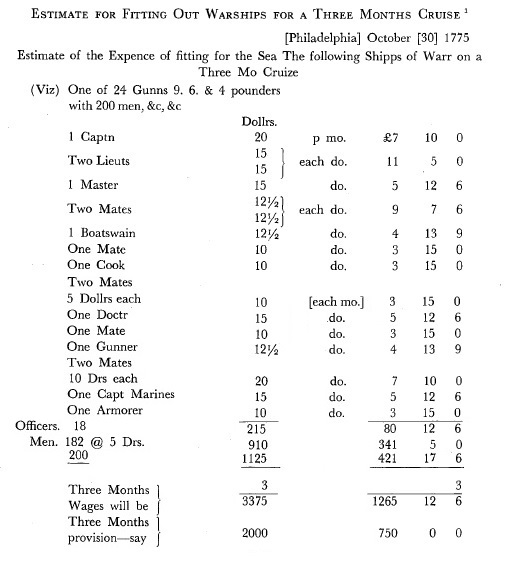
After establishing a US Navy, the Congress would need to establish rank, roles, and pay. On October 30, 1775, Congress established the personnel and associated pay required to man a ship as shown in Figure 1. Notice in this figure that, in the beginning, there were just Captains, Lieutenants, Warrant Officers, and Seamen.
The “Mates” were Junior Warrant Officers assigned to Senior Warrant Officers (Gunner’s Mate assigned to the Gunner, etc.).
Once roles were established, rules and regulations would then be needed. On November 28, 1775, the Rules for the Regulation of the Navy of the United Colonies of North-America were established and promulgated. This is the first occurrence of the written words “Warrant Officer” in the US Navy. Article 5 of the Rules for the Regulation stated:
The Captain is never by his own authority to discharge a commission or warrant officer, nor to punish or strike him, but he may suspend or confine him; and when he comes in the way of a Commander in Chief, apply to him for holding a court-martial (Regulation of the Navy of the United Colonies of North-America from Naval History and Heritage Command, November 28, 1775).
On December 9, 1775, the Congress would add additional Warrant Officers of Midshipman, Yeoman, Quartermaster, etc. (Journal of the Continental Congress, 30 October 1775 in Naval Documents of the American Revolution, Volume 3 Part 1 of 8). Since formal schools wouldn’t exist for over 60 years, Midshipman were appointed via Warrant and then assigned to ships in preparation for earning a commission.
The final step in creating the Navy is to appoint personnel. The first Navy Warrant was issued on December 23, 1775 as shown in Figure 2. The warrant is signed by Congressmen Step Hopkins, Christ Gadsden, Silas Deane, Joseph Hewes, and Richard Henry Lee (Naval Documents of the American Revolution, Volume 2 Part 4 of 9, 2012).
It is interesting to note the progression of the warrant officer fields through history. As the navy went from sailing ships to steam powered ships. The 1941 uniform regulations contain the last mention of insignia for sailmakers and mates, unchanged from 1922. The last retired mate had died in 1923, the last retired chief sailmaker in 1933.
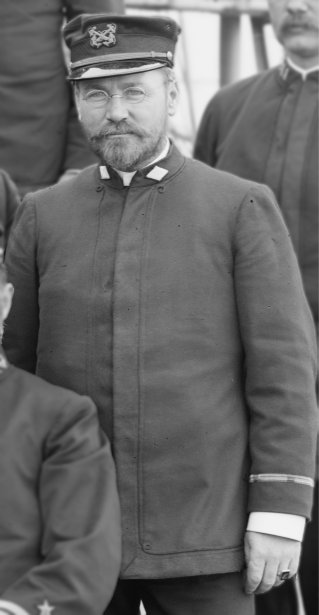

Technology improvements during and after the second world war certainly created a need for technical experts with leadership capabilities. Guns gave way to missiles. Aeroplanes evolved into jets and helicopters. The electronic advancements in the fields of detection and communication also advanced at unheard of speeds. Submarines had given all nations a new type of warfare and the introduction of nuclear power gave them a new capability. Not to be outdone, the aircraft carriers that would project power around the globe benefited from nuclear power and advanced capabilities.
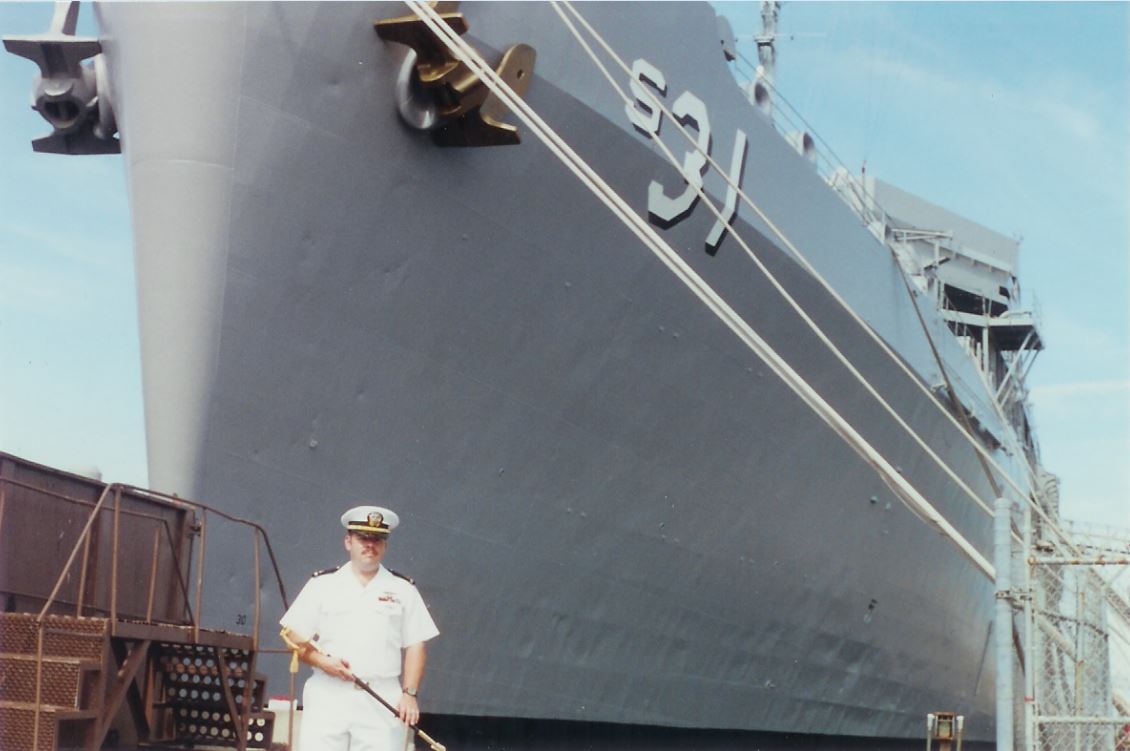
My own Warrant Story
When I joined the navy and was issued my own blue jackets manual, there were only vague references to what a modern-day warrant officer was. The Bluejackets’ Manual, (19th ed.), States that warrant officers and commissioned warrant officers have advanced through the enlisted ranks in various technical specialties and probably possess the most detailed practical knowledge of the modern Navy (The Bluejackets’ Manual, 1973).
I counted up my total number of schools in technical and leadership and came up with 62 instructor led schools. Because I progressed from serving as a Machinist Mate on George Washington Class submarines to the Ohio class Trident submarine, that makes sense. For a kid that joined the navy because he hated school, it seems an odd twist of fate that I would not only attend all of those classes but later become a Master Training Specialist and obtain a Bachelor of Science Degree in Adult Education.
My career came to a close sooner than I had intended with the end of the Cold War. The submarine tenders were being decommissioned, and my role was slowly being shut down. I have no regrets about retiring. My second and third career were certainly interesting as I was able to use all of the skulls and knowledge I gained while serving. But I really hope that the navy continues to offer qualified men and women the chance to serve in this unique leadership role. With the coming threats, I think that having this asset will be incredibly important to once more defend the nation and her freedom.
This is the 249th anniversary of the first Warrant. Like the nation, we will celebrate 250 next year.
Mister Mac

 theleansubmariner