I don’t normally write much about the War in Europe on my blog since it doesn’t fit well with my core interests.
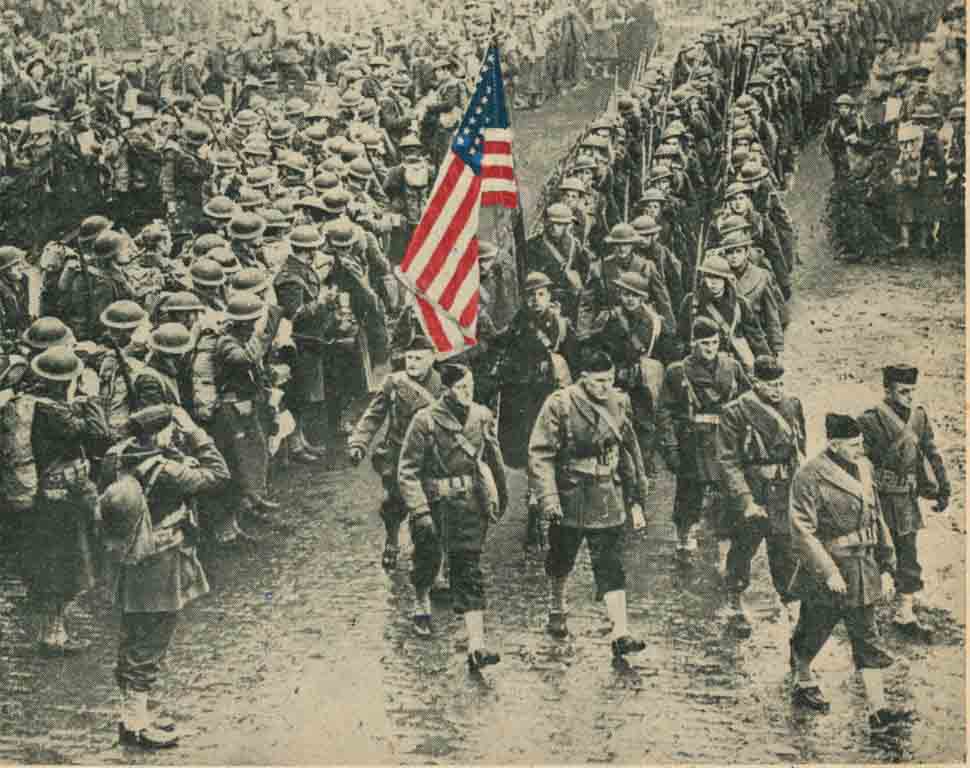
But a story from the newspapers of January 28, 1942, caught my eye. The story was about the arrival of the US Army in Belfast Northern Ireland.
Debbie and I travelled to Northern Ireland when we were stationed in Scotland. Scotland is a relatively free part of Great Britain and we could travel freely anywhere we wanted without much fear or concern. But in 1991, Northern Ireland was still a fairly cautious place to be. The “troubles” as the Irish sometimes call them were in evidence still. Our visit included a short trip through Londonderry and British armed troops were patrolling the streets very openly. I got a firsthand look at an armored lorry as I waited for Debbie and her sister Judy outside of the shop where they were looking at local goods. I did not have anything identifying myself as an American Naval officer and I come from Scots Irish descent, so the young Tommy that pointed his machine gun directly at me from his open turret as he drove by probably assumed that I could be a bad guy. It was a bit nerve wracking.
But the story from January 28, 1942, was about a different kind of welcome for the Yanks.
After struggling nearly on their own since the fall of France, the appearance of the American Expeditionary Forces must have been a very welcome sight.
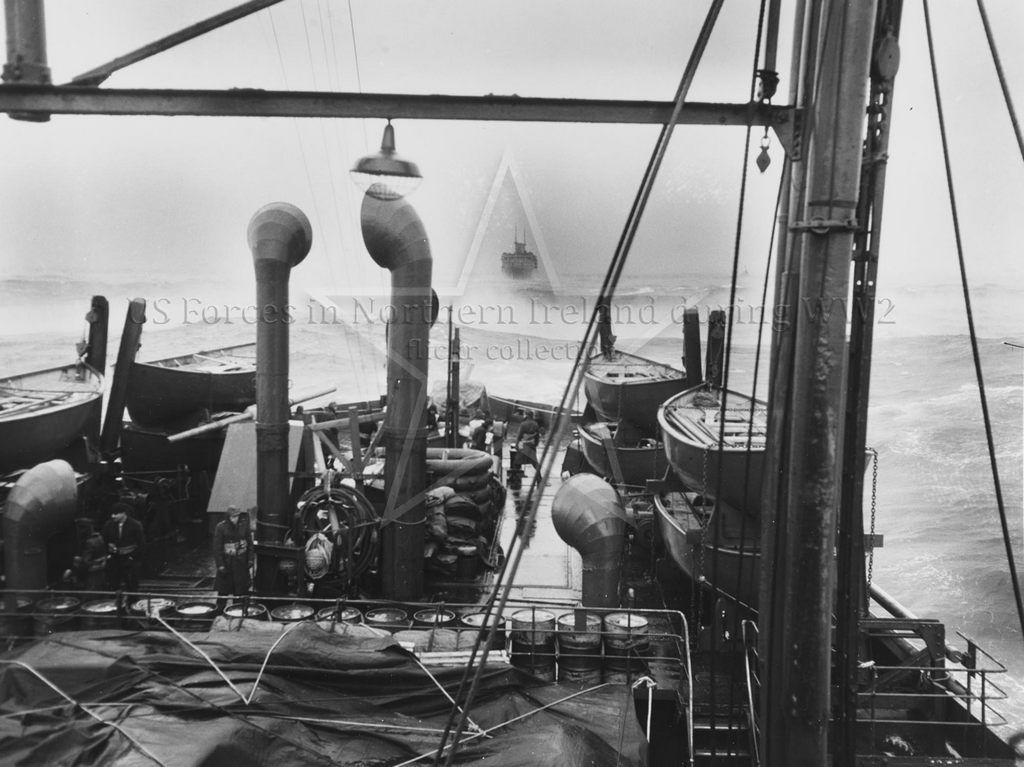
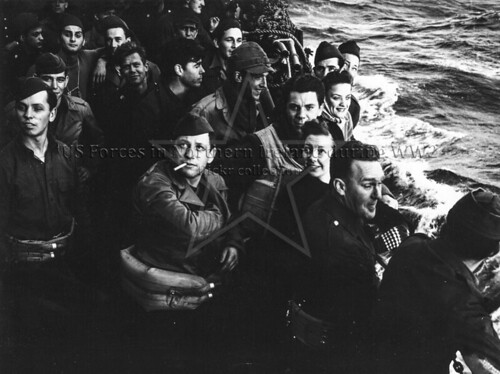
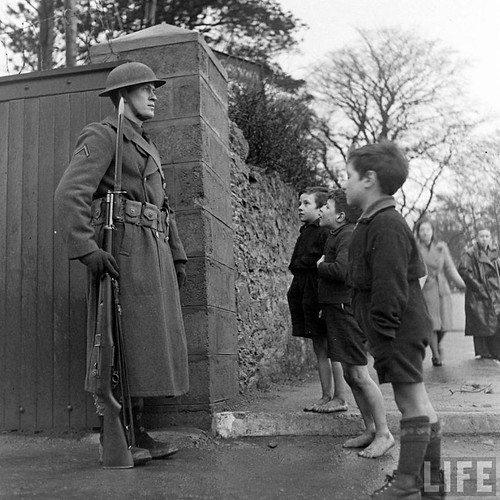
The war was going badly all over the world and British troops as well as American forces were fighting horrific battles against the Japanese in the far east. British troop were also being attacked in North Africa so there was a lot of strain on their combined forces. January 26, 1942, brought the first bit of good news about the war, as reports came in that U.S. troops had run the German U-Boat gauntlet and arrived safely in Belfast Ireland. The first contingent of several thousand American troops were warmly greeted and the Ulster band played “Marching Through Georgia”.
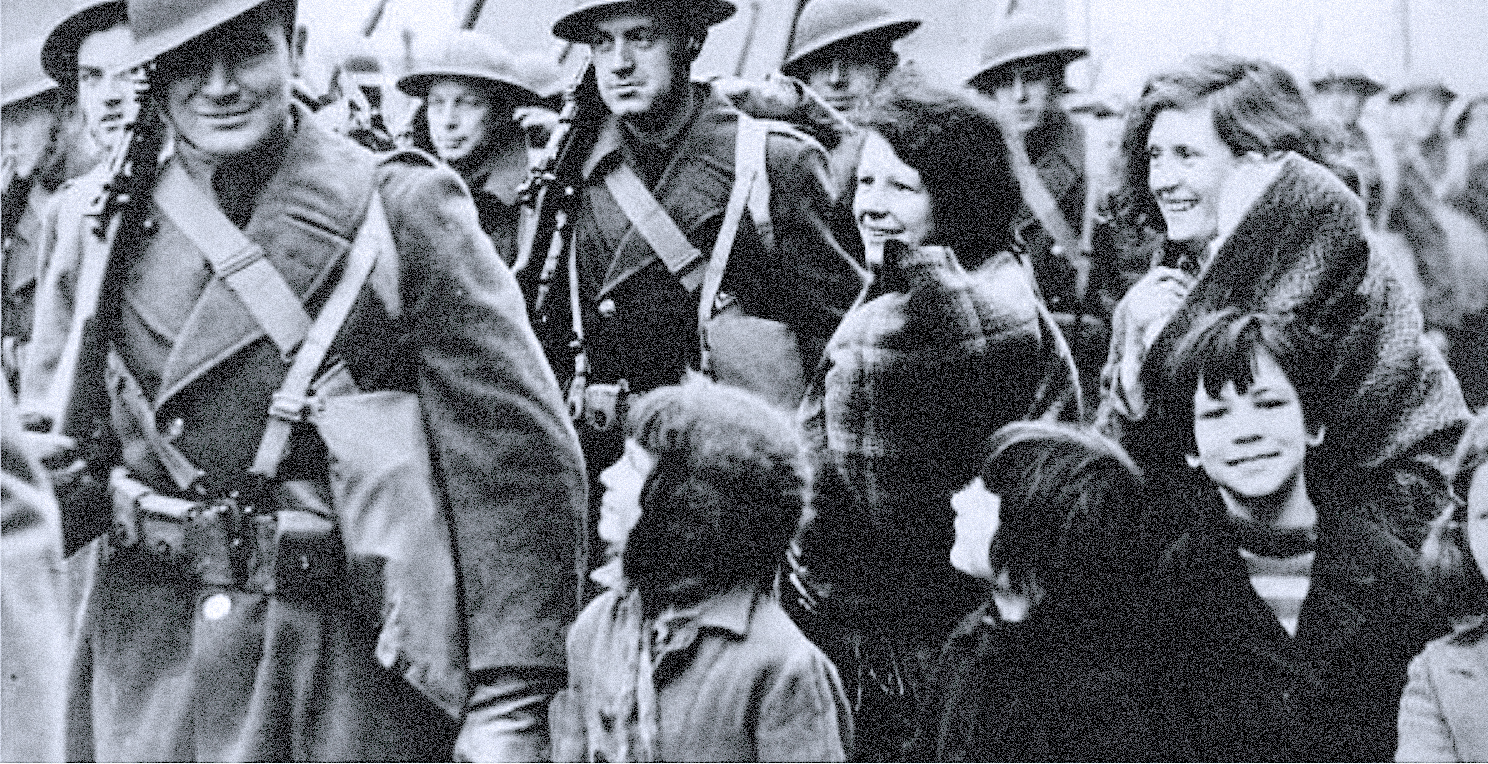
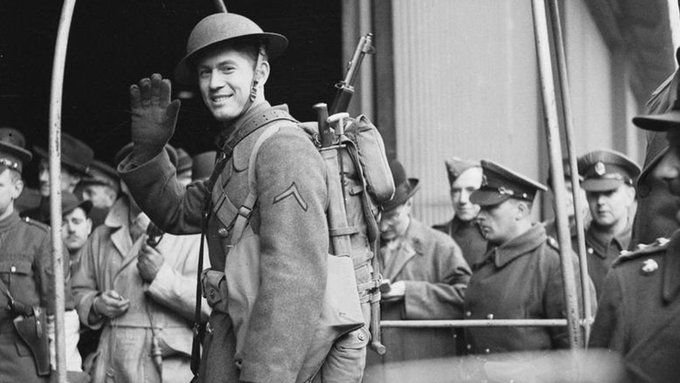
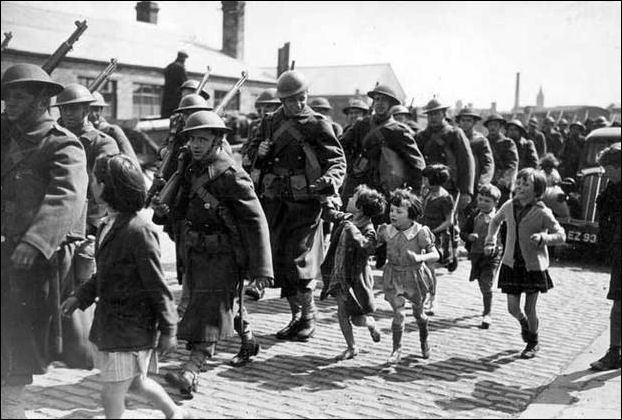
Some of the women in the crowd remarked they thought Americans were taller – and a few of the more cynical muttered “over-paid, over-sexed and over here”.
Still, there were sighs of relief all around as the troops marched down the gangplank.
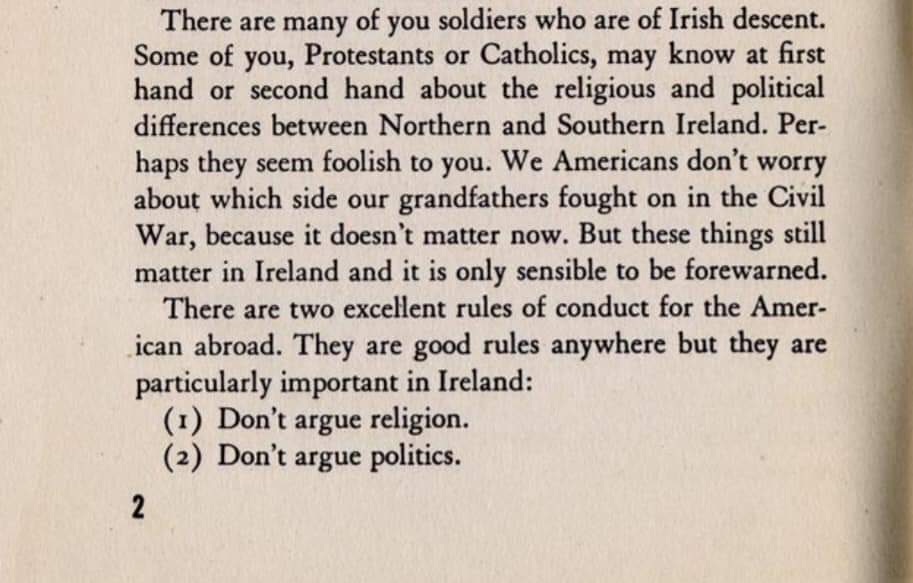
The first US troops to officially arrive in the UK during the war landed in Belfast on the 26th of January to great fanfare. At first, they were just relieving British troops from garrison duties so they could be sent overseas, but in time over 300,000 US personnel would pass through Northern Ireland alone. It was an historic moment – considering that the US military has been stationed in the United Kingdom – and Europe – ever since. The designation European Theater of Operations (ETO) lasted until 1st July 1945.
https://wartimeni.com/article/us-army-arrives-northern-ireland/the-friendly-invasion-of-ulster/
But not everyone was pleased.
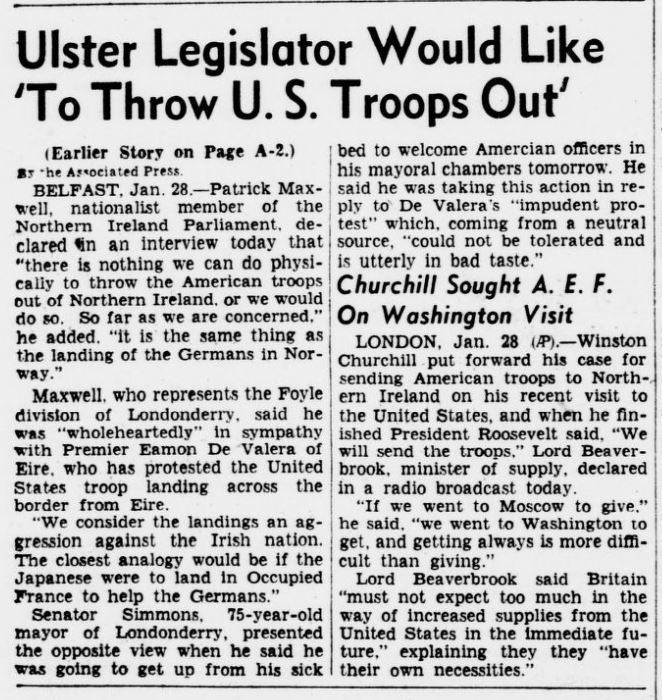
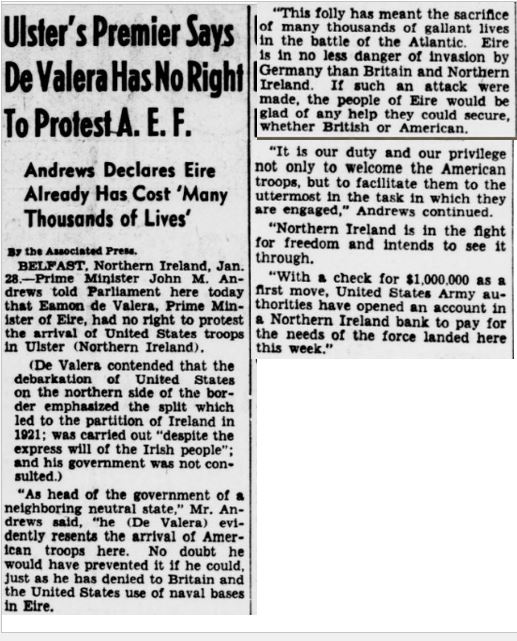
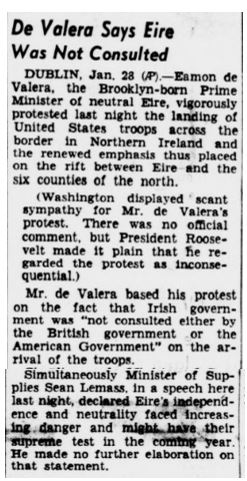
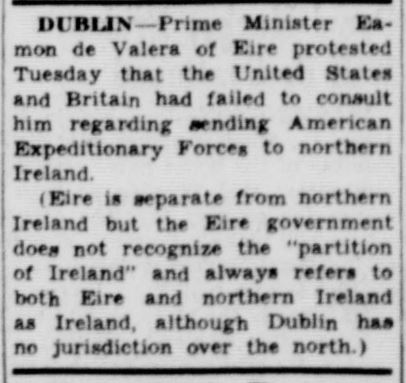
The leadership of Ireland was not happy to see a foreign army replacing the British in the northern counties. Eamon de Valera loudly protested that his government had not been consulted. Even in the US Congress, several prominent Republican members protested that this small contingent was being sent on a suicide mission. They also questioned why our boys were not being shipped to relieve the Philippines. After all, we had a direct interest in trying to fight off the Japanese forces that were about to overrun our furthest outpost in the Pacific.
But long before the first shot was fired or the first bomb was dropped, America was already committed to a Germany first strategy. In order for that plan to work, we needed to make sure Great Britain would be able to stand the constant attacks on their homeland. This small American commitment was just the first of a flood of men, materials, and arms that would eventually shift the tide against the Nazi movement. The continent would be liberated, and the War in the Pacific would just have to keep pace as best as it could until that front was settled.
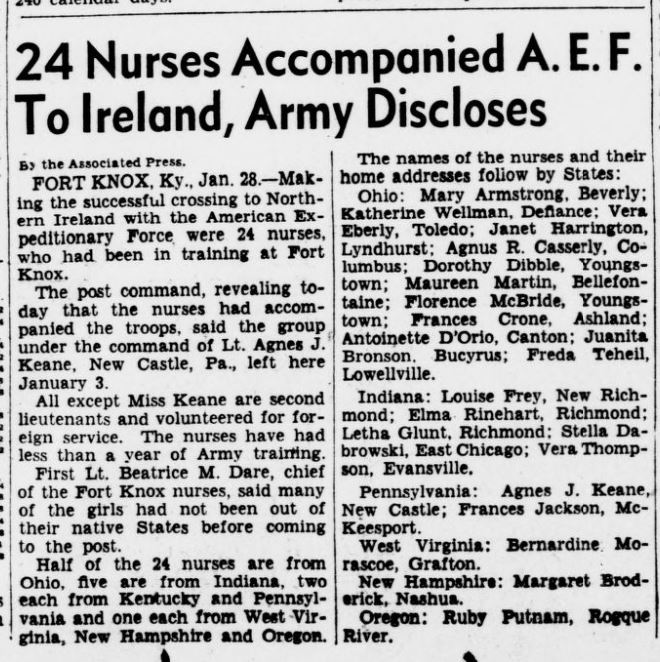
I did see one article that talked about the Army nurses that accompanied the AEF to Ireland. One of the nurses was from McKeesport PA. I have done a cursory search about her in my normal reference materials and can find very little. So, if anyone knows anything about Army Nurse Frances Jackson from McKeesport, let me know. I would like to know more about what happened to her during the war that was just then unfolding.
On this January 28, 2022, the world and especially Europe is still dangerous.
The Old Soviet Union is trying to become relevant once more by threatening their former “allies” in the Ukraine.
American forces have been stationed in Europe for over seventy-five years and now it seems like many here in the states may be called upon to once more go and sort out the mess.
I wonder what kind of reception they will get this time around.
I wonder if we will ever truly have peace on earth at all.
Mister Mac
Updated information:
I received an email a few days ago (July 2024) with the following information…
Dear Mister Mac,
I was reading your blog TheLeanSubmariner from January 28, 2022 ( https://theleansubmariner.com/2022/01/28/we-thought-they-would-be-taller-the-americans-arrive-in-northern-ireland-january-1942/) when I was doing some more searching for information on my Mom and saw your inquiry about my Mom:
“I did see one article that talked about the Army nurses that accompanied the AEF to Ireland. One of the nurses was from McKeesport PA. I have done a cursory search about her in my normal reference materials and can find very little. So, if anyone knows anything about Army Nurse Frances Jackson from McKeesport, let me know. I would like to know more about what happened to her during the war that was just then unfolding.”
I have been searching for years for a newsreel mentioned in a McKeesport newspaper of her walking down the gang plank in Belfast Ireland on January 26, 1942. I may have found it, but it’s not for sure. She served in WWII for 45 months in Northern Ireland and England. I have many pictures of her that were given to me, but, unfortunately, she passed away at 9:38 am on January 17, 1949, just hours after giving birth to me.
So, my birthday has been a bittersweet day. She was 34 when she passed and Dad, Martin F. Patton, was 37, and left with my 16-month-old sister, Kathleen and me. We all moved in with my dad’s sister, Nora, and her husband, Joe Hassett and lived with them for 8 years until Dad married again to a wonderful women, Louise C. Wannemacher, my Mom for almost 40 years. I guess God decided I needed three good women to raise me! So, I was blessed to have them, but would love to learn more about “Francy” as her brothers and sisters called her. She was the youngest of eight children and I was the last of 28 grandchildren. I really didn’t get to know Mom’s family as much, but Uncle Bill Jackson was my Godfather and always stayed in touch through his daughter, Rosemary McNulty.
Dennis P. Patton
I think it’s a blessing when we get a chance to see part of a person’s story that gets revealed as a result of the blog. Thanks Dennis.

 theleansubmariner